







Introduction:Blue Mountain coffee is hailed as the top-tier representative of the Caribbean region, renowned for its delicate balance, rich body, and smooth flavor. However, the market is flooded with various "Blue Mountain-flavored" and "blended beans," often confusing consumers. This article provides a detailed breakdown of how to classify and authenticate genuine Blue Mountain coffee, analyzes its unique acidity and flavor profile, and offers a practical pour-over brewing guide—including the use of a KONO filter, precise water temperature, and coffee-to-water ratio—to help you brew a classic Blue Mountain cup with balanced sweet, sour, and bitter notes and a long, lingering finish.
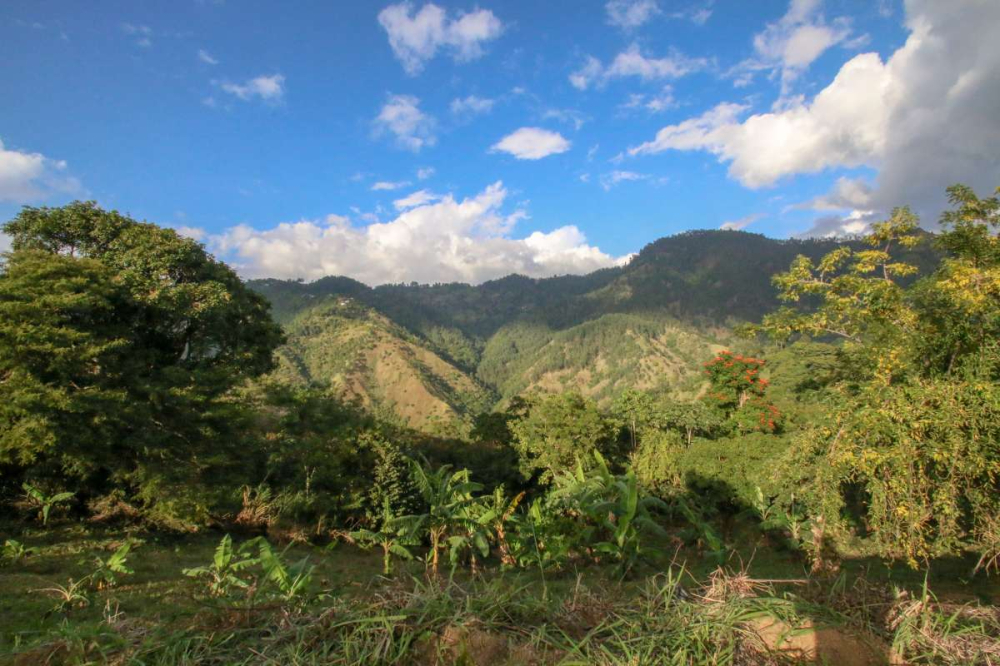
Blue Mountain coffee is grown in Jamaica’s Blue Mountains, and its unique terroir gives it a balanced, rich, and finely layered taste, making it the dream bean for coffee lovers worldwide. However, authentic Blue Mountain coffee is produced in very limited quantities, and the commonly available "Blue Mountain-flavored" or "Blue Mountain blends" often contain only trace amounts—or none at all—of true Blue Mountain beans, leading many consumers to misunderstand its true flavor.
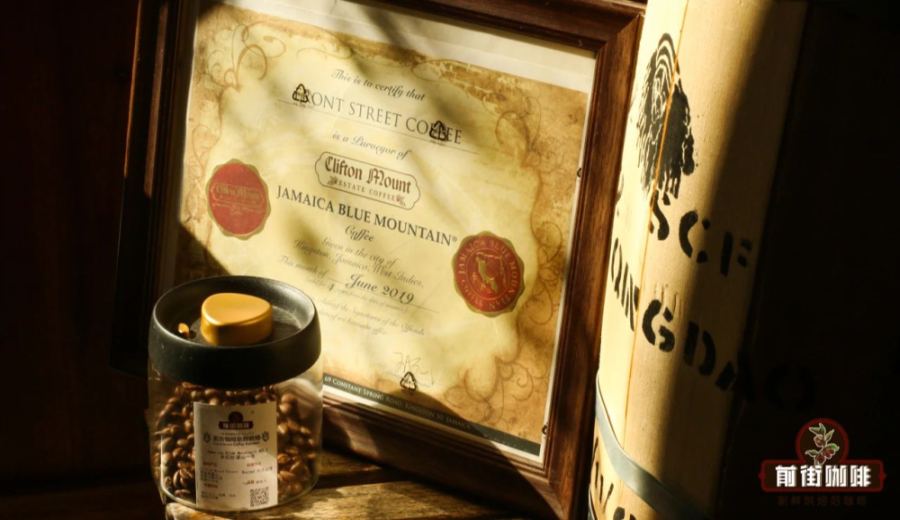
To distinguish real Blue Mountain coffee, the first key is to look for official certification and the specialized wooden barrel packaging. Only green beans that come with a genuine certificate issued by the Jamaica Coffee Industry Board (CIB) and are shipped in designated wooden barrels can be considered authentic. These details are crucial markers that differentiate Blue Mountain coffee from commercial blended offerings.
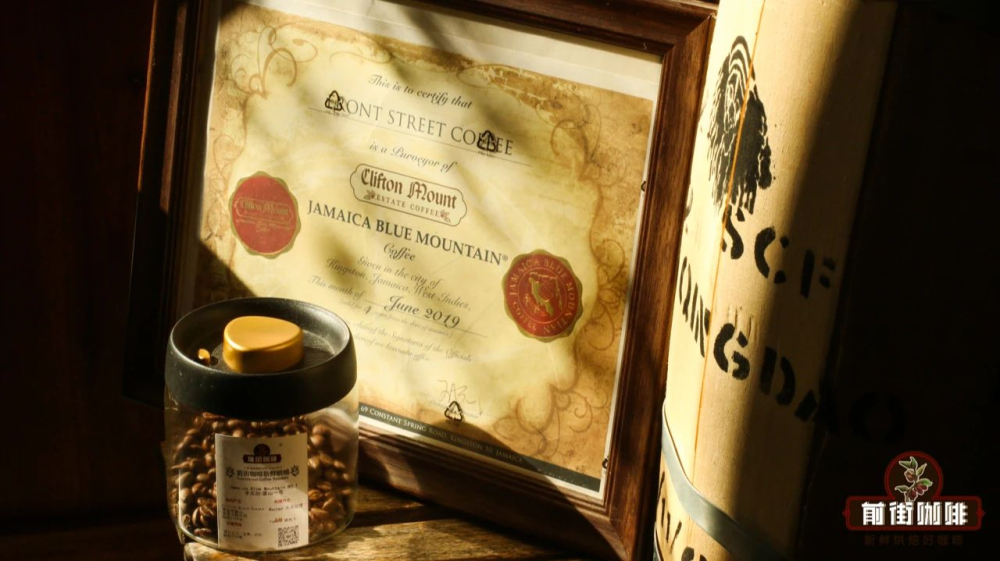
Take the popular Jamaican Blue Mountain No. 1 as an example. As the highest-grade Blue Mountain bean, it delivers a pour-over cup with dominant notes of dark chocolate, nuts, and caramel, paired with a velvety-smooth mouthfeel. Its acidity, sweetness, and bitterness are perfectly balanced, finishing with a gentle aftertaste, while maintaining a moderate body and a well-rounded, layered texture. Whether for personal enjoyment or as a gift, it’s an exemplary choice.
Is the unique flavor of Blue Mountain coffee as legendary as it’s said to be? You’ll be able to judge for yourself after trying it. Many enthusiasts describe it as the "beauty among coffees" for its balance, cleanliness, and delicate aroma. Renowned American roasters have also praised its rich fragrance and mellow taste, likening it to a precious gem that leaves a lasting impression. For this reason, Blue Mountain coffee is often recommended to be enjoyed as black coffee to fully appreciate its original charm.
However, in recent years, the market has seen many counterfeit products. Some merchants mix low-altitude-grown beans with high-altitude ones, significantly compromising the original quality, making it even more important for consumers to choose carefully. Many also mistakenly buy blends that contain only small amounts of Blue Mountain beans—or so-called "Blue Mountain-flavored" coffees that contain none at all—leading to disappointment.
For first-time Blue Mountain coffee drinkers, choosing authentic beans from a reliable source is crucial. Jamaican Blue Mountain No. 1 not only holds official certification but is also stored in specialized wooden barrels to ensure quality. This top-grade Blue Mountain bean features plump, uniform beans with a low defect rate, helping to fully express its potential during roasting and releasing clean, layered flavors during pour-over brewing.
To highlight the rich body and aromatic profile of Blue Mountain coffee, a medium-to-dark roast level is recommended. This roasting method enhances the coffee’s body and sweet aftertaste while retaining moderate fruit acidity, resulting in a more three-dimensional flavor. Note that the deeper the roast, the faster the coffee compounds are released, so it’s advised to use slightly lower water temperature for extraction to avoid over-extraction and unwanted off-flavors.
For actual pour-over brewing, it’s recommended to use a KONO filter, paired witha water temperature of 88°C,15 grams of coffee grounds, anda 1:15 coffee-to-water ratio. This combination helps fully extract the delicate aromas and balanced flavors of Blue Mountain coffee under stable flow conditions. The KONO filter’s flow design, in particular, extends extraction time at lower temperatures, enhancing flavor performance.
The pour-over process can follow a simple three-step pouring method: First, pour30 grams of waterto bloom the grounds, allowing the coffee to evenly absorb moisture and form a "hamburger" shape, then let it rest for about30 seconds; next, at54 seconds, pour125 grams of water, and when the water level drops to around the coffee bed2/3, pour the final1 minute and 40 seconds, add225 grams of water, keeping the total brew time around2 minutes and 10 seconds. After brewing, gently swirl the coffee to ensure even flavor distribution before tasting.
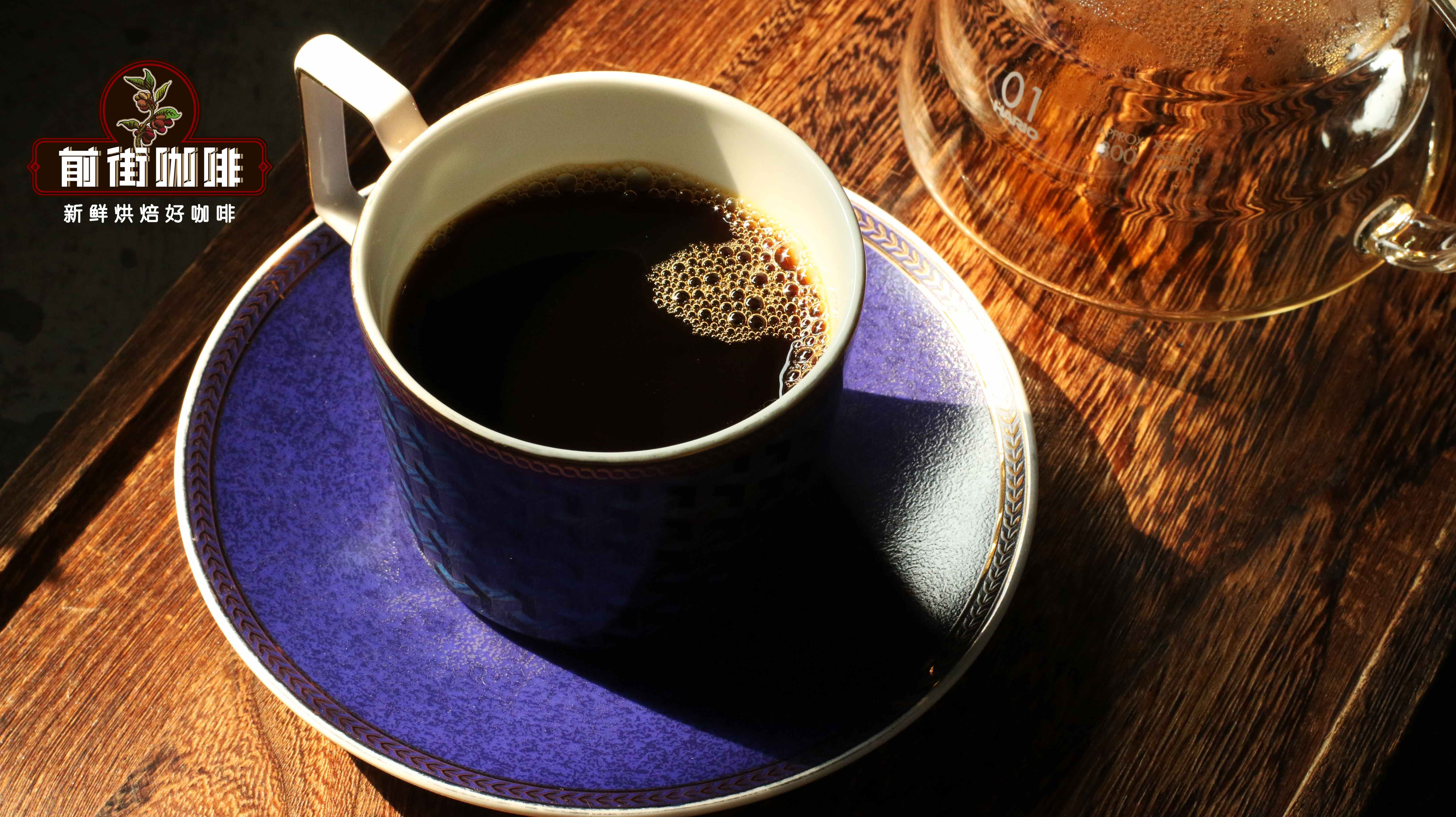
Brewed with these parameters, the Blue Mountain coffee offers a mild citrus acidity on the entry, develops into nutty and caramel sweetness in the mid-palate, and finishes with the richness of dark chocolate. The overall flavor is well-balanced, with no single note overly dominant or missing, showcasing the distinctive delicacy and layering of Blue Mountain coffee. This holistic harmony is what sets it apart from other coffees and serves as one of the key indicators of its authenticity.
The above content is compiled by CoffeeHunters, a coffee news website.


