








Introduction:A hot latte is not just a combination of espresso and milk—milk temperature is the key factor that influences the overall taste and sweetness of the coffee. One brand conducted practical tests comparing lattes made with milk at 40°C, 60°C, and 75°C, and found that 55°C to 68°C is the optimal range. This article delves into how milk temperature affects the flavor of a latte and teaches you how to accurately judge the steaming temperature by feel, allowing you to make professional-grade hot lattes even without a thermometer.
In coffee shops, making a hot latte is almost a mandatory test for baristas during interviews. This is not only because it assesses their espresso extraction skills but also evaluates their mastery of milk steaming details. Among the many scoring criteria, besides the fineness of the milk foam, controlling the milk temperature is the key to defining the flavor layers of a latte.
Many people think that as long as the milk is hot enough, that’s all that matters—but that’s not the case. Milk at different temperatures directly affects the sweetness and texture of a latte. One brand conducted actual comparisons of milk at three temperatures—40°C, 60°C, and 75°C—and the lattes made from them, discovering that the most suitable milk temperature should fall within55°C to 68°C.

Many baristas are often asked to make a hot latte on the spot during interviews. This assessment quickly reveals the candidate’s familiarity with basic techniques, especially the two core skills: espresso extraction and milk steaming. For this reason, the hot latte has become a classic tool for evaluating a barista’s entry-level proficiency.
To make a delicious hot latte, it is recommended to use a professional espresso blend with stable flavor characteristics. For example, blends known for their nutty and chocolatey profiles can pair perfectly with milk, showcasing a balanced and rich taste. Such beans are versatile and perform well whether used in cafés or for home brewing.
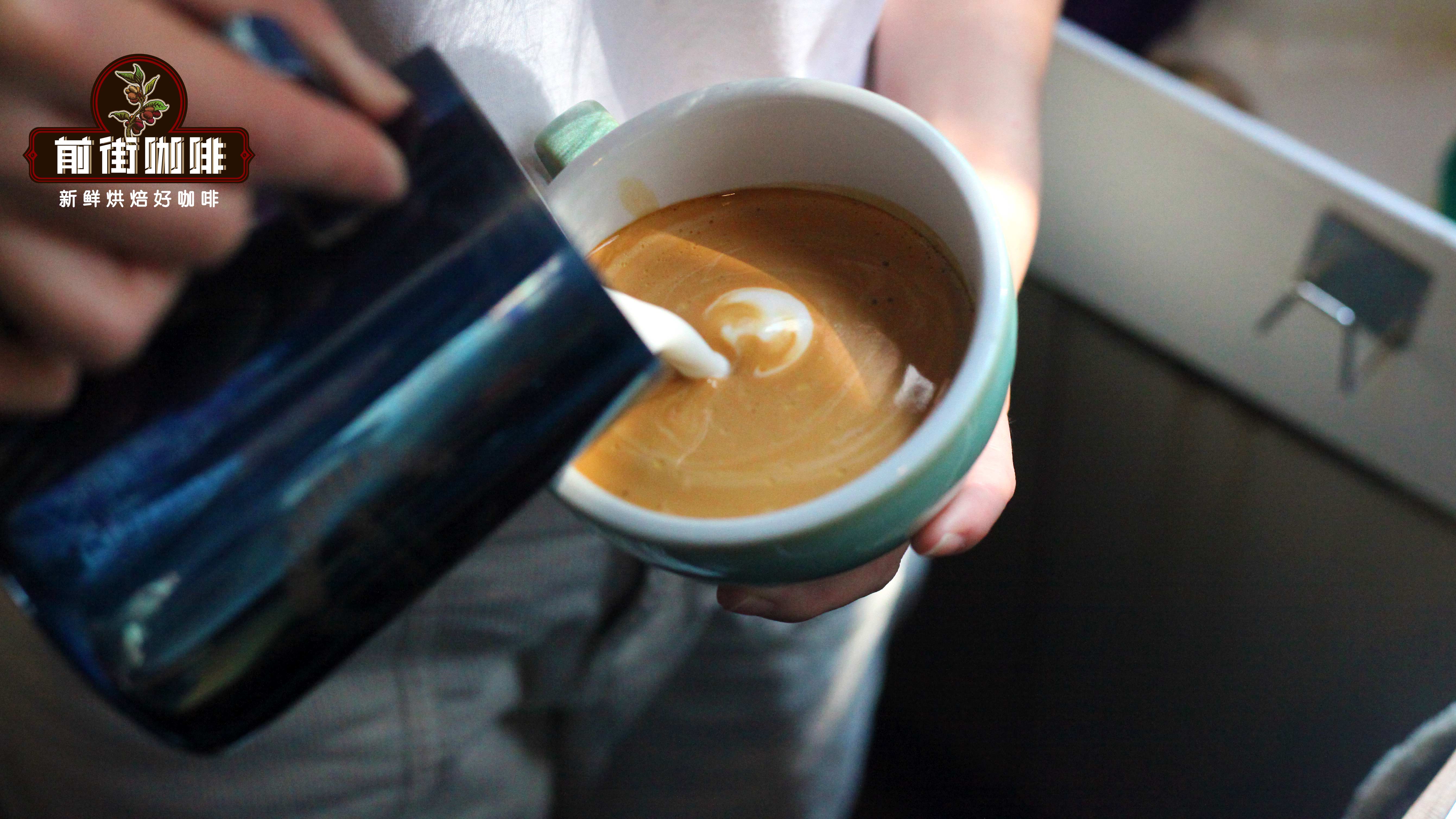
When it comes to bean selection, if you’re looking for a cost-effective and easy-to-find everyday bean, consider a blend of washed Yunnan beans and semi-washed Brazilian beans. These beans typically have a mild plum-like acidity, paired with creamy chocolate and cocoa aromas. The sweet fragrance is noticeable right after grinding, and the crema performance is also excellent, making them suitable for various brewing methods and equipment.
In the preparation of a hot latte, the fineness of the milk foam is just as important as mastering the milk temperature. Many coffee enthusiasts mistakenly believe that as long as the foam is fine and the coffee is strong enough, that’s sufficient. However, the temperature of the milk greatly impacts the overall performance of the latte, especially its sweetness and smoothness.
Most people might assume that hotter milk automatically means better flavor, but in reality, both overly high and overly low temperatures can negatively affect the taste of a latte. Milk at different temperatures varies in sweetness, smoothness, and even the stability of the foam—this is why professional baristas pay special attention to precise control of milk temperature.
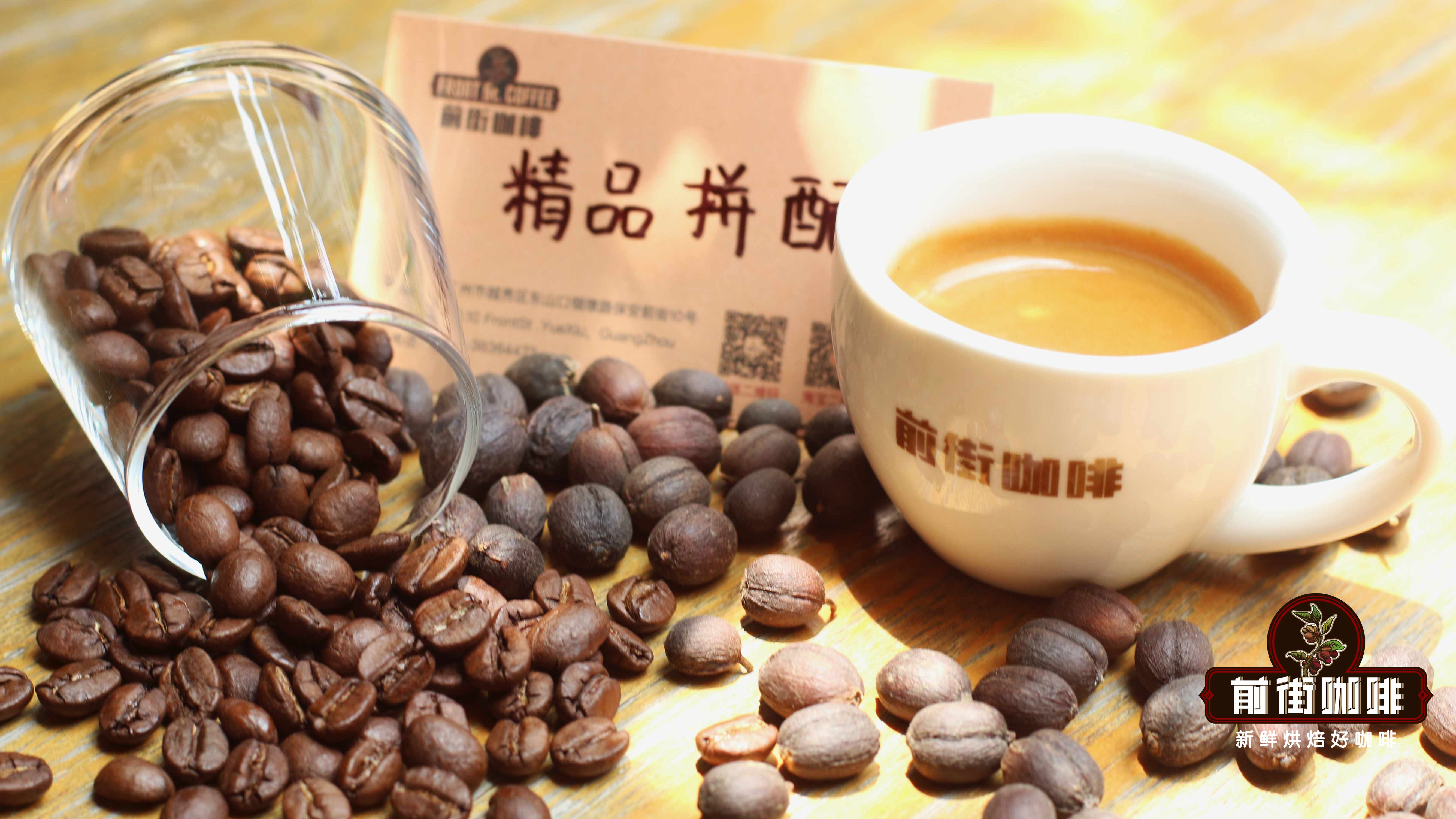
Based on industry experience and practical test data, the recommended milk temperature for a hot latte is55°C to 68°C. To verify this conclusion, one brand specifically tested milk at three different temperatures—40°C, 60°C, and 75°C—and compared their performance both when consumed directly and when made into lattes.
When consumed directly, 40°C milk feels smooth and has a noticeable sweetness, but if the foam is made at this temperature, it tends to lose its fine structure quickly. 60°C milk is not only smooth but also has enhanced sweetness, and is widely regarded as the most pleasant temperature. In contrast, 75°C milk is noticeably less palatable, with lower sweetness and an overly high serving temperature, making it unsuitable for direct drinking.
The differences become even more pronounced when these three temperatures of milk are used to make lattes. A 40°C latte may have clear sweetness, but the foam is coarser, tends to collapse quickly, and has suboptimal integration. A 60°C latte shows the best overall performance—with fine, dense foam, prominent sweetness, high integration, overall smoothness, and balance. A 75°C latte, due to the high temperature, causes the foam and coffee liquid to separate, resulting in a thin mouthfeel, and even after cooling, it struggles to regain its original flavor complexity.

Notably, you can also judge the steaming temperature of milk by feel without using a thermometer. When the milk pitcher starts to feel slightly warm and you sense a hint of warmth in your palm, the temperature is around 40°C. If the pitcher becomes hot enough to make your palm feel scalded, the temperature is around 60°C. If you continue heating and the foam rapidly increases while the milk temperature keeps rising, you should stop steaming when the foam has visibly expanded—about 3 seconds later—at which point the temperature is around 75°C, very hot to the touch, and not recommended for direct consumption.
Based on the comprehensive test results, it is recommended that the milk temperature for a hot latte be controlled within55°C to 68°C. This range not only fully activates the lactose in the milk to enhance sweetness but also maintains good foam structure and density, achieving the best balance between texture and flavor in the cup.
The above content is compiled by CoffeeHunters, a coffee news website.


