







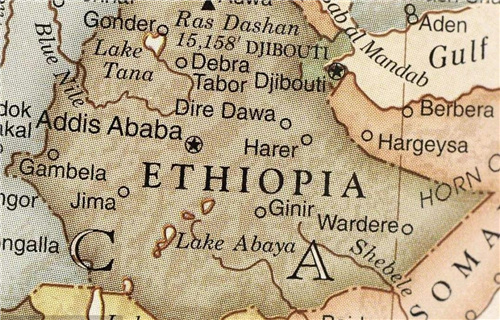
Introduction:As the birthplace of coffee, Ethiopia boasts an extraordinarily rich genetic repository and diverse processing techniques, resulting in a globally unparalleled spectrum of coffee flavors. This article delves into the variety characteristics of Ethiopian coffee, the flavor profiles of its two classic regions — Yirgacheffe and Sidamo, the differences between washed and natural processing methods, as well as the region’s unique green bean grading system and the Red Cherry Project. Whether you’re a pour over novice or a connoisseur seeking distinctive beans, you’ll gain key insights on selecting high-quality Ethiopian beans.
Ethiopia is the cradle of coffee. Thanks to its exceptional genetic diversity and varied processing methods, it produces layered and uniquely flavored coffees that have long been a focal point for global coffee enthusiasts. Among many import options, Ethiopian coffee beans make up a significant proportion, especially those from the Yirgacheffe and Sidamo regions — often the gateway choice for many beginners to specialty coffee. Whether you’ve just started trying pour over or are a coffee aficionado chasing ultimate flavors, this article will help you deeply understand Ethiopian coffee varieties, regional characteristics, processing differences, as well as its unique green bean grading and selection strategies.
Ethiopia is home to approximately 10,000 to 15,000 traditional varieties, commonly referred to as “Ethiopian landraces.” Due to local technical and resource limitations, these varieties have not been fully scientifically identified, and the government, for conservation reasons, has not publicly disclosed detailed variety information. These landraces can be roughly divided into two categories: one includes the JARC varieties developed by the Jimma Agricultural Research Center, and the other consists of entirely wild local varieties. Interestingly, even within the same mountainous area or village, coffee varieties grown by different farmers can vary greatly — it’s estimated that the total number of varieties may reach as high as 2,000 or even over 4,500.
Compared to Kenya’s SL28 or common varieties like Typica in Central and South America, Ethiopian coffee beans often appear more slender in appearance, yet their flavor profiles are highly distinctive. Their most prominent characteristics include intense citrus and lemon aromas, paired with rich floral and fruity notes as well as layers of sweet and acidic complexity. Whether brewed via pour over or other methods, they display strong recognizability. Notably, the aroma of Ethiopian coffee becomes especially pronounced during grinding and pouring, often exuding a refreshing orange scent or bright fruity notes.

In terms of processing methods, Ethiopian coffee is mainly divided into washed and natural (sun-dried) types, which exhibit significant differences in flavor. Washed beans generally offer a cleaner and brighter cup, with delicate and layered acidity — ideal for those who prefer clean fruit acids and floral notes. In contrast, natural processing preserves more of the fruit’s pulp sugars, giving the coffee a richer tropical fruit sweetness and fuller body. However, its flavor stability is relatively lower, with vintage and processing techniques greatly influencing the final outcome. For example, the TOH washed group champion bean from the Gedeb region in Sidamo, after cupping, displayed distinct flavors of jasmine, lemon, berries, and honey. The cup started with bright acidity, transitioned to a soft tea-like fruitiness in the middle, and finished with a honey-like sweet aftertaste — a typical representation of washed processing.
However, Ethiopian coffee also faces some challenges, particularly the issue of uneven roasting due to the inconsistent sizes of landrace beans, which is more evident in natural beans. Even high-quality Grade 3 Harrar natural beans sometimes show uneven bean color. Nonetheless, this does not detract from their flavor charm. By selecting the right processing batches and sources, one can still enjoy a high-level coffee experience. For consumers, it’s recommended to prioritize carefully screened batches, such as natural beans procured through the "Red Cherry Project," which show significant improvement in quality and flavor consistency.
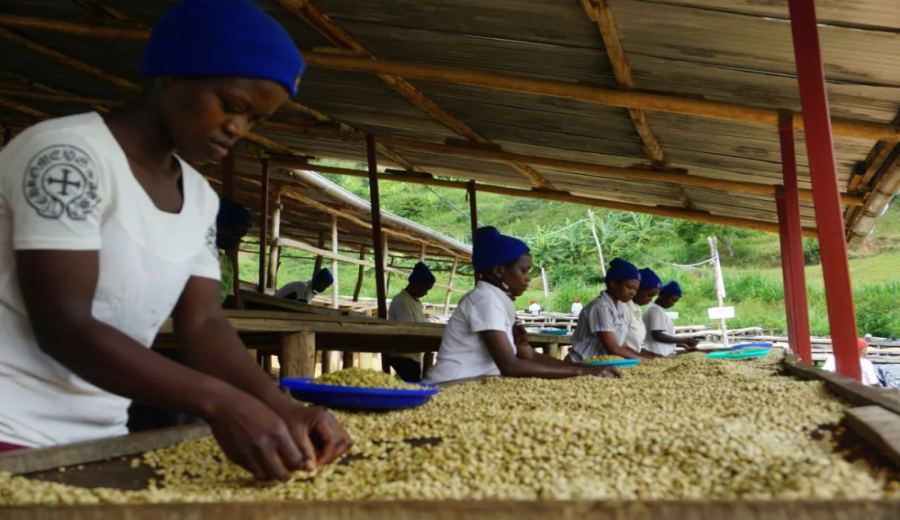
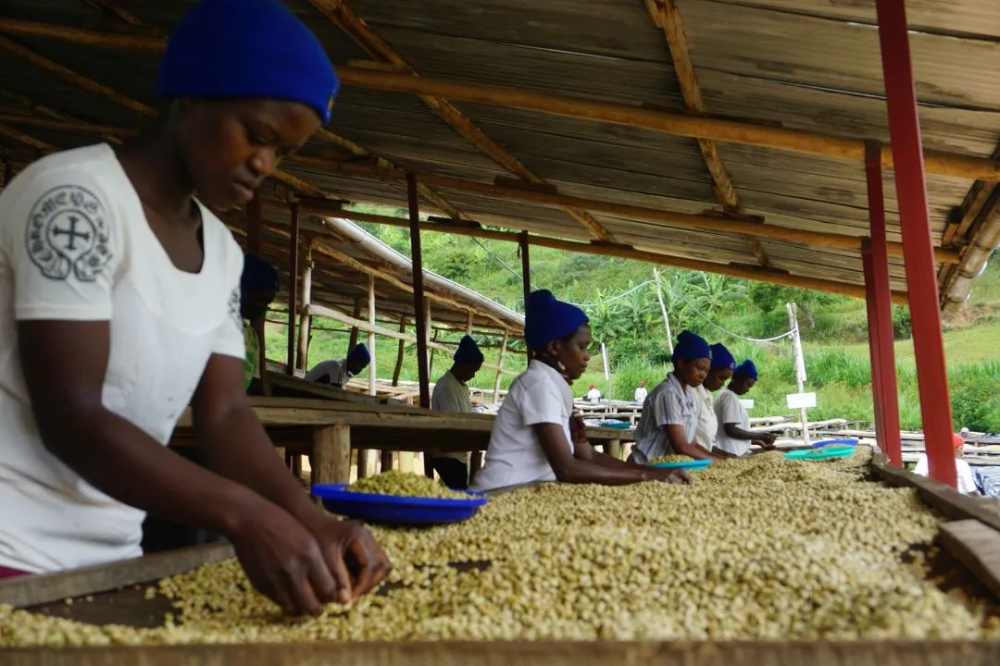
The so-called "Red Cherry Project" is a quality improvement initiative jointly promoted by Dutch green bean traders and local cooperatives in Ethiopia. Its aim is to encourage coffee farmers to meticulously select ripe coffee cherries by offering higher purchase prices, and to ensure bean quality through full manual harvesting and processing. Coffee beans selected through this project typically exhibit more consistent flavor performance and higher market value, making them one of the recommended choices among many specialty coffee shops.
Ethiopia’s green bean grading system is also unique. It does not solely rely on bean size as the grading criterion but takes a comprehensive approach, considering moisture content, physical characteristics, and cupping quality. Its main grading standards include: coffee bean moisture content must be below 11.5%, and at least 85% of the beans must be no smaller than 14 mesh; washed beans are additionally evaluated for external appearance size, which contributes a certain percentage to the overall score. The overall grading ranges from G1 to G9, with G1 and G2 being high-grade categories, scoring 91–100 and 81–90 points respectively. These beans are further cupped according to SCAA standards, yielding more detailed quality classifications such as Q1 (85+ points) and Q2 (80–85 points). In short, G1 and G2 usually represent superior flavor potential and are the top choices for many specialty coffee buyers.
In actual brewing, washed beans better showcase the unique terroir characteristics of their region, with clean and bright acidity — suitable for those who enjoy fresh citrus and white floral notes. Natural beans, on the other hand, excel in rich fruitiness and sweetness, appealing to consumers who prefer tropical fruit profiles. For example, under conditions of 90–91°C water temperature, V60 #01 filter, and 1:15 brew ratio, one brand’s washed beans can present layers of passionfruit, citrus, berries, and honey, with a clean aftertaste of black tea and almond sweetness. Meanwhile, under the same conditions, the natural beans highlight a more abundant berry aroma and an oolong-tea-like finish — ideal for coffee lovers seeking deeper flavor dimensions.
The above content is compiled by CoffeeHunters, a coffee news website.


