







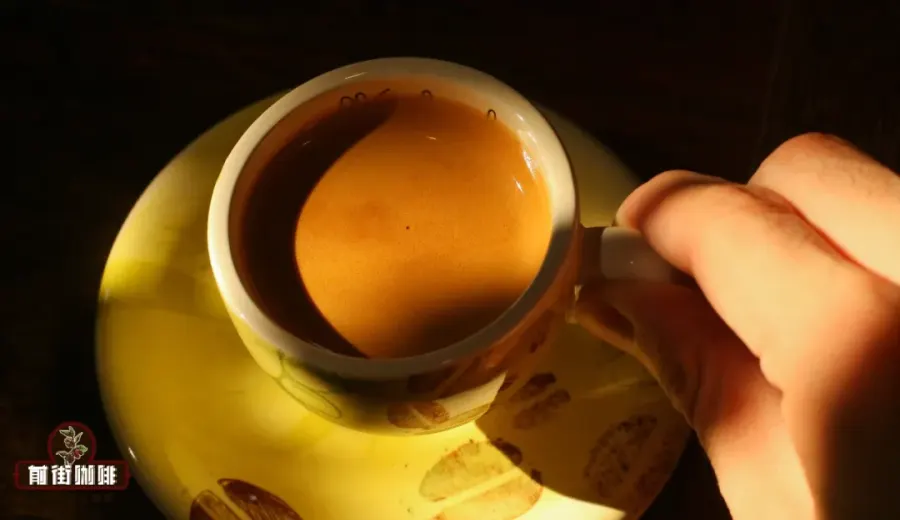
Introduction:Many coffee enthusiasts often mistakenly believe that the thick, golden crema on top of an espresso is synonymous with a rich body. In reality, the connection between the two is not as intuitive as it seems. This article delves into the science behind crema formation and how it relates to the body of the coffee, breaking down common misconceptions through comparative experiments. It also provides extraction parameter suggestions and practical blend information to help you better understand and control the layered flavors of espresso.
When pulling an espresso shot, many coffee lovers have noticed the layer of golden foam floating on the surface — commonly known as crema. However, sometimes this layer looks especially thick, yet the resulting coffee tastes surprisingly thin or even like water. So does the thickness of crema directly determine the body of an espresso? Let’s start with how crema is formed and explore how it actually relates to mouthfeel.
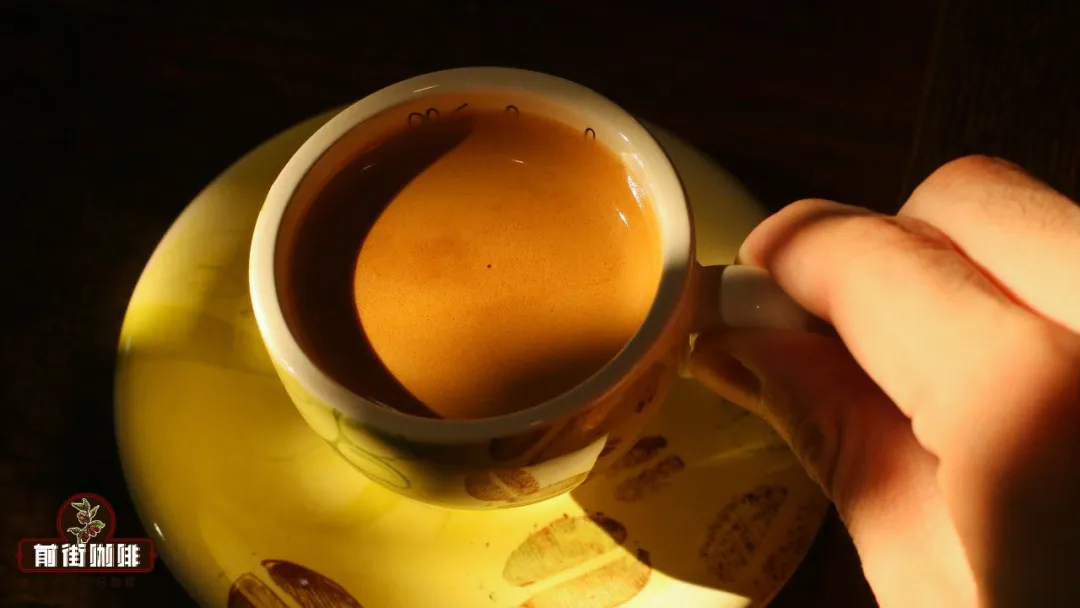
When making espresso, the shot is usually covered with a beautiful layer of golden foam — this is the well-known crema. The formation of this foam is closely related to the pressure provided by the espresso machine during extraction. Under high-pressure and heated conditions, hot water passes through the coffee grounds, extracting various soluble flavor compounds while also emulsifying the natural fats and oils present in the beans. Additionally, freshly roasted coffee beans are rich in carbon dioxide, which gets dissolved into the liquid under extraction pressure and interacts with these components to form crema. The color of the crema mainly comes from the melanoidins in the coffee, which not only give the foam its characteristic golden to brown hue but also help maintain the stability of the foam temporarily.
If you’d like to pull rich crema at home, consider using medium-dark roasted blends, such as the classic combination of Brazilian, Mandheling, and Robusta beans. These beans typically have a looser structure, which not only allows for easier water absorption and gas release but also brings out aromas reminiscent of butter, toasted bread, and caramel cookies. With bold, solid flavors and stable, fine crema, they make a great choice for beginners.

The term “body,” or what we commonly refer to as “mouthfeel” or “richness,” is a tactile sensation. When you take a sip of coffee, your mouth perceives not just taste but also the weight, viscosity, and texture of the liquid — all of which are collectively referred to as body. It can be described as heavy, smooth, velvety, or relatively thin, and it doesn’t fall under the category of taste itself but is a crucial element of overall mouthfeel. In fact, body interacts with aroma, flavor, and other elements to shape the overall flavor impression of a cup of coffee.
During the extraction process, the various components in coffee can be roughly divided into two categories: soluble and insoluble. Soluble substances refer to compounds that can dissolve in water, whereas insoluble substances include solid particles, suspended oils, and certain proteins and fibers. It is these substances that cannot fully dissolve in water, especially the oils, that play a key role in enhancing the body of coffee. They create a smooth and full sensation in the mouth, thereby reinforcing the perception of body.
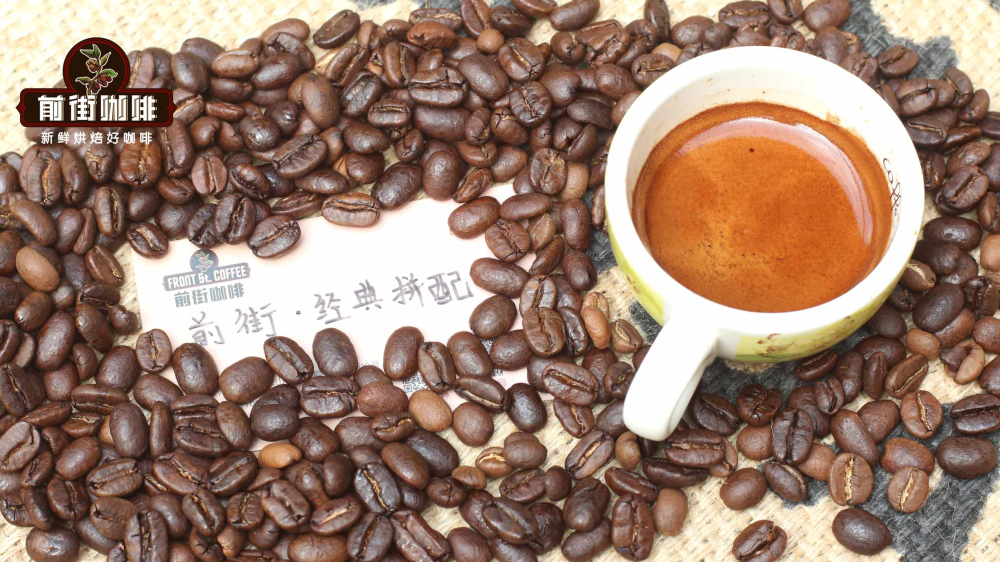
So, what is the actual relationship between crema and body? The following experiment illustrates this: Using the same double spout portafilter, we extracted 40 grams of coffee with 20 grams of coffee grounds, a 1:2 coffee-to-water ratio, and a 25-second extraction time. We then scraped the crema off one of the shots and compared the mouthfeel of both. The experiment found that the espresso without crema tasted thinner, with a cleaner and crisper aroma. In contrast, the shot with crema retained had a thicker texture and richer aroma, though it occasionally came with a slight astringency. Especially when the beans were still fresh, it might also carry a faint smoky note.
However, these results do not mean there is a direct causal relationship between the thickness of crema and the body of the coffee. In fact, the richness of crema is primarily influenced by the freshness of the beans. When coffee beans have just been roasted, their internal carbon dioxide content is at its highest, so a large amount of gas is released during the initial stages of extraction, forming what appears to be a rich layer of foam. But such crema often dissipates quickly, and the interaction between the gas and hot water during extraction may interfere with the even saturation of the coffee grounds, leading to uneven extraction. As a result, even if the crema looks thick, the actual cup may feel lacking in depth and complexity.

In summary, although there is no absolute direct correlation between the thickness of crema and the body of an espresso, this golden layer of foam can indeed enhance the aroma and provide a smoother initial mouthfeel. Understanding these details will help you make wiser choices when selecting coffee beans and adjusting extraction parameters, thereby elevating your overall espresso drinking experience.
The above content is compiled by CoffeeHunters, a coffee news website.


