







Introduction:Delve into the geographic features, variety distribution, and processing techniques of major Colombian coffee regions such as Huila, Cauca, and Santander. Analyze how different processing methods—including washed, anaerobic, and natural—affect flavor profiles, and compare the characteristics of representative coffees such as Rose Valley, Hanami Geisha Blend, and Sakura Coffee. Practical pour over suggestions are provided to help coffee enthusiasts better appreciate the diverse charm of Colombian coffee.
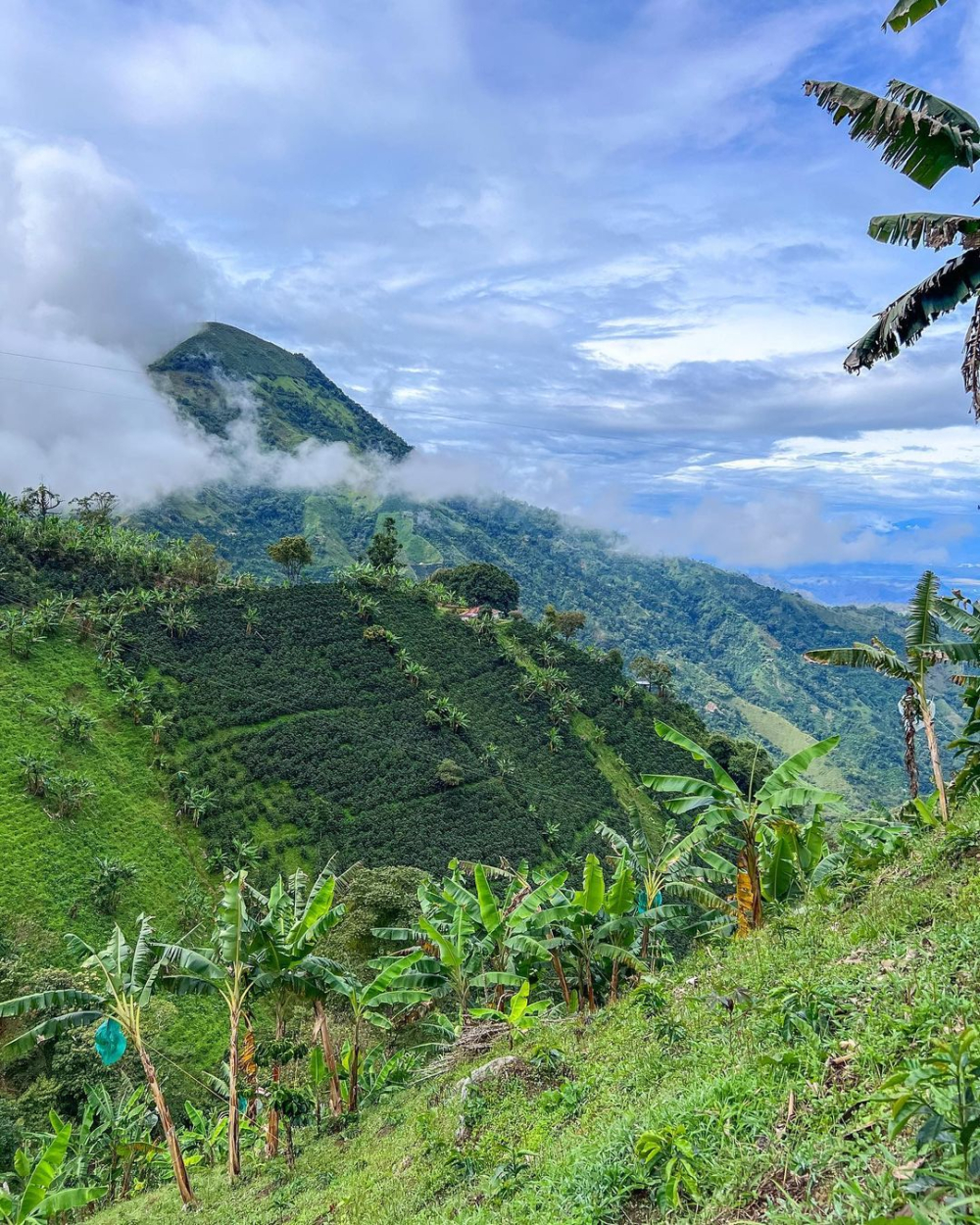
As a globally renowned specialty coffee origin, Colombia is widely praised for its bright acidity, rich complexity, and solid body. This South American country not only benefits from a naturally privileged geographic environment but also produces distinct coffee flavors thanks to its diverse microclimates and high-altitude cultivation areas. This article will focus on major Colombian regions—including Santander, Huila, and Cauca—detailing their geographic conditions, varietal traits, and common processing methods, while analyzing how various techniques shape unique flavor profiles.
Colombian coffee beans are generally processed using the washed method, but in recent years, innovative processes such as anaerobic fermentation and double enzyme washed have gained increasing attention. For example,Colombia Rose Valley Coffee Beansare processed using an anaerobic double enzyme washed method. This technique involves removing defective beans first, then placing the coffee in an oxygen-free environment for extended fermentation. By controlling the pH level and sugar release rate during fermentation, it further enhances the coffee’s sweetness and flavor balance. These beans come from the Santander region at an altitude of about 1,700 meters and are of the Caturra variety. After anaerobic processing, they exhibit fruit aromas such as peach, strawberry, and cantaloupe, along with delicate notes reminiscent of roses and champagne.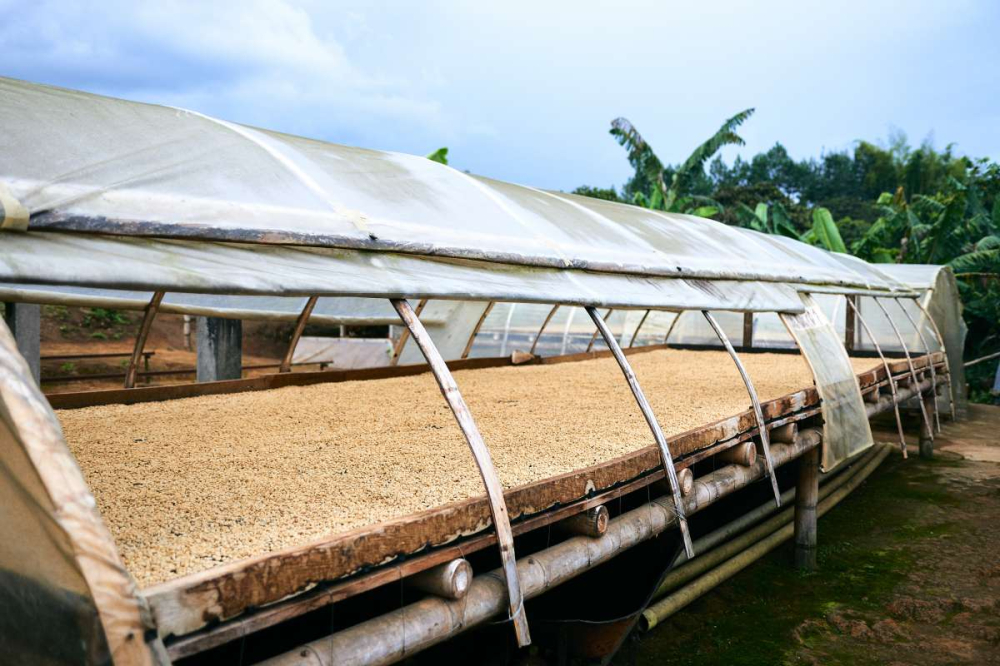
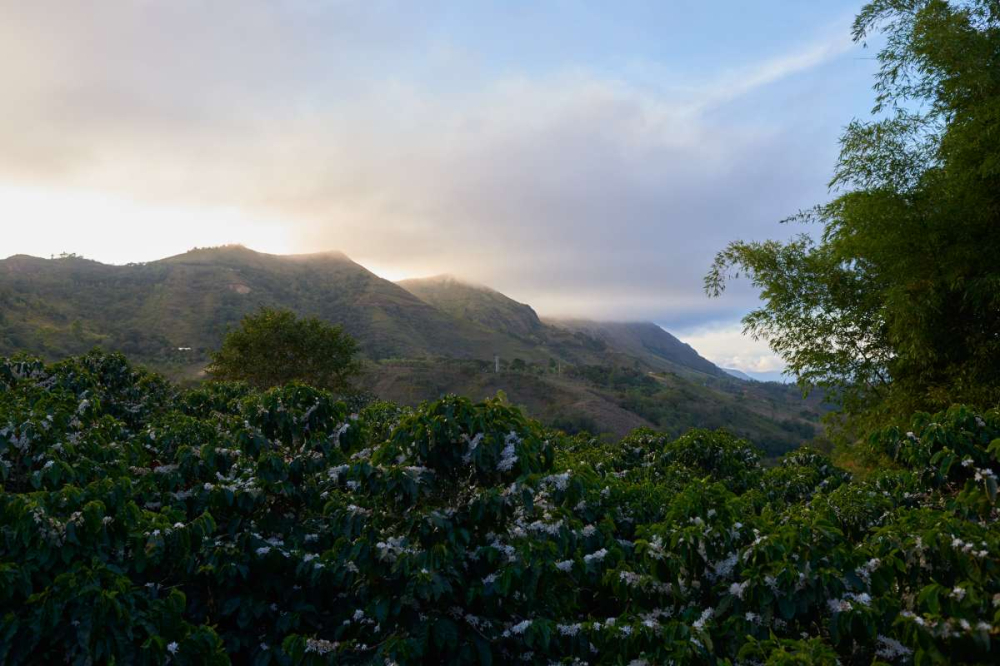
Traveling further south, we arrive at Colombia’sHuila Region, which is not only a key hub for the country’s specialty coffee production but also renowned for its volcanic soil and high-altitude environment. Huila Province is located in the central southern mountain range of Colombia, with planting altitudes exceeding 1,500 meters. The region is home to several major rivers that provide abundant moisture and ideal growing conditions. A certain coffee brand’sHanami Geisha Blend Coffee Beanscome from this area. Although it is a blend of Geisha, Caturra, and Catuai, it is still categorized as a single-origin coffee. Processed through traditional washed methods, it emphasizes the nutty, chocolatey, and caramel tones commonly found in Huila, delivering a clear and layered flavor profile suitable for everyday drinking. The washed method preserves the coffee’s bright acidity while achieving a good balance between body and sweetness, making it a classic technique to showcase Huila’s potential.
In southwestern Colombia’sCauca Province, we find another representative flavor profile. Cauca accounts for about 8% of the country’s total coffee production and is one of the important regions certified as Colombia’s coffee origin. The area features mountainous terrain with altitudes generally above 1,758 meters, and some parts even exceed 2,100 meters. Coupled with significant day-night temperature variations (up to 11°C), it helps coffee cherries ripen slowly, accumulating richer flavor compounds and sugar content. The region’s representativeParadise Estate Sakura Coffee Beansare grown at high altitudes using the Castillo variety and processed using the anaerobic natural method. This process involves anaerobic fermentation in sealed stainless steel containers, effectively preserving fruity aromas and enhancing specific aromatic compounds. It is reported that these beans offer refreshing sweet notes such as sakura, osmanthus, and passionfruit, with a round mouthfeel and a long-lasting aftertaste, serving as a classic example of anaerobic processing.
Colombia’s coffee regions are truly diverse. From northern Santander to southern Huila and Cauca, each area, shaped by varying altitudes, soils, and climates, produces distinctly different flavor profiles. As one of Colombia’s oldest coffee-growing regions, Santander mainly cultivates the Typica variety with shaded farming, and most farms are Rainforest Alliance certified. The coffee here tends toward a grassy freshness with strong aftertaste and lingering finish. Though not as famous as Huila or Cauca, Santander’s unique rustic style and consistent quality are still worthy of appreciation by coffee enthusiasts.
In terms of processing methods, in addition to traditional washed processing, Colombian producers are increasingly focusing on innovative applications in fermentation. Techniques such as anaerobic processing, enzyme intervention, and double fermentation can guide the release of different aromas and taste characteristics by controlling oxygen, temperature, and humidity in the fermentation environment. For instance, anaerobic natural processing can deepen sweetness and body while retaining pulp fruitiness, whereas anaerobic washed processing can enhance sweetness and flavor balance, making it ideal for showcasing delicate floral and fruity notes.
For coffee enthusiasts who enjoy pour over brewing, here is a set of practicalColombian Coffee Brewing Parameter Suggestions: Use a Hario V60 #01 filter cone, control water temperature at 91°C, use approximately 15 grams of coffee, set the coffee-to-water ratio at 1:15, and aim for a medium-fine grind (close to the size of fine sugar, with about 80% passing through a #20 sieve). The recommended brewing method is a three-pour technique: the first pour adds 30 grams of water for a 30-second bloom, the second pour adds water in small circular motions up to 125 grams, then after the water level drops, continue pouring to 225 grams. Total extraction time is about 2 minutes. These parameters help fully highlight the layers and details of Colombian coffee and are suitable for most beans with medium acidity and medium-to-high body.
In summary, the diversity of Colombian coffee stems from its rich topography, varied microclimates, and continuously evolving processing techniques. From traditional washed methods to modern anaerobic fermentation, from the mild fruity acidity of the northern mountains to the rich sweetness of the southern highlands, each Colombian coffee has its own unique personality and story. Whether you are a beginner or a professional seeking ultimate flavor, understanding the characteristics of each region and processing method will allow you to enjoy a richer sensory experience when savoring Colombian coffee.
Image location:
The above content is compiled by CoffeeHunters, a coffee news website.


