








Introduction:As China’s primary coffee-producing region, Yunnan accounts for over 99% of the country’s total output, yet its pricing has long relied on the international futures market, leading to unstable incomes for coffee farmers. This article delves into the per-kilogram purchase price of Yunnan coffee beans in 2022, the industry’s challenges, and the progress of its shift toward specialty production, while also exploring the regional advantages of Yunnan’s small-grain coffee and its future development directions.
As the main coffee-growing area in China, Yunnan not only contributes over 99% of the nation’s total production but also, thanks to its unique geographical and climatic conditions, produces “small-grain coffee” with fruity aromas and rich body. However, for a long time, the price of Yunnan coffee beans has been heavily influenced by the international futures market, particularly the New York coffee futures price, leaving coffee farmers with no say in pricing. Faced with persistently low international market prices—sometimes even falling below the cost threshold of 15 RMB per kilogram—many farmers have had no choice but to uproot their coffee trees and switch to other crops or seek alternative livelihoods.
Statistics show that by 2020, Yunnan’s total coffee cultivation area had shrunk to approximately 1.497 million mu, nearly 20% less than the peak of 1.831 million mu in 2014. In response to the industry crisis, the rise of specialty coffee has offered a potential way forward. Especially in the domestic market, consumer demand for high-quality coffee has gradually increased, with Yunnan coffee sales on the Tmall platform growing by as much as 135% year-on-year in 2020, indicating that market potential is gradually being unlocked.

In the past, Yunnan coffee was often of inconsistent quality overall and was mostly used for instant coffee, leaving a poor impression on consumers for a long time. But in recent years, with the growing awareness of specialty coffee, Yunnan coffee has gradually stood out for its premium flavor, attracting increasing attention from consumers and roasters. Among these, Pu’er, as Yunnan’s main coffee-producing region, accounts for more than half of the province’s annual output and is home to over 300,000 farmers engaged in coffee cultivation. However, even with such large-scale production and a solid planting foundation, sustainable operations remain difficult without reasonable profit margins.
The cultivation and processing of specialty coffee are far more complex than those of regular commercial beans. Not only does it involve careful selection of varieties, but it also requires attention to harvest ripeness, post-harvest processing techniques, and meticulous sorting—all of which entail relatively higher labor and resource costs. Yet whether such high standards can earn market recognition and fair returns remains a major challenge. In major cities like Kunming, the number of coffee shops has rapidly increased in recent years, reaching nearly 1,000, reflecting the rising domestic demand for coffee quality. Online, the number of Yunnan coffee brands on the Tmall platform grew by 80% in 2020, with consumption volume also hitting a new high.
Despite the positive market trends, the challenges faced by coffee farmers remain unresolved. Many growers from various regions have written to industry organizations, questioning why Yunnan coffee continues to be sold at low prices and calling for legal avenues to secure fair rights. According to statistics, from the 2020 to 2021 harvest season, Yunnan’s total coffee output was only about 80,000 to 90,000 metric tons—nearly halved compared to the previous peak of 150,000 tons. Some farmers admit that if purchase prices continue to be suppressed, they may eventually be forced to cease planting altogether. One farmer lamented that thirty years ago, coffee sold for much more than vegetables, yet today, despite soaring prices elsewhere, coffee prices have barely budged, making it unsustainable.
Faced with the industry crisis, the Yunnan provincial government and several e-commerce platforms have taken action. In early 2021, Alibaba clarified a misunderstanding with the Yunnan Coffee Industry Association and pledged to increase support for Yunnan coffee. Not just Alibaba, but other e-commerce platforms such as JD.com and Pinduoduo have also actively helped Yunnan coffee expand its market and find more sales channels. Additionally, since 2013, governments at all levels in Yunnan have continuously allocated budgets, investing hundreds of millions of yuan to build modern coffee industrial parks, promote the “One County, One Industry” initiative, and support processing technology innovation. With policy support, Yunnan coffee has been included in the “Green Food Brand” and as one of the “Eight Plateau Characteristic Industries,” providing a certain level of stability for the industry’s development.
However, international coffee buyers have long purchased from Yunnan farmers at prices below the futures market rate, and in some cases, even while claiming to be “fair trade,” have failed to truly pass on benefits to the growers. Industry estimates suggest that over the past thirty years, Yunnan coffee of comparable quality has been priced about 3,000 RMB per ton lower than other regions, with cumulative losses potentially reaching tens of billions of RMB. Such unequal trading practices have left many farmers feeling helpless and have prompted producers in the region to consider collective efforts to protect their rights. Currently, international coffee exporting organizations are also calling on global growing regions to enhance their bargaining power and urging international buyers to raise purchase prices—otherwise, they may face even larger-scale abandonment of coffee cultivation.
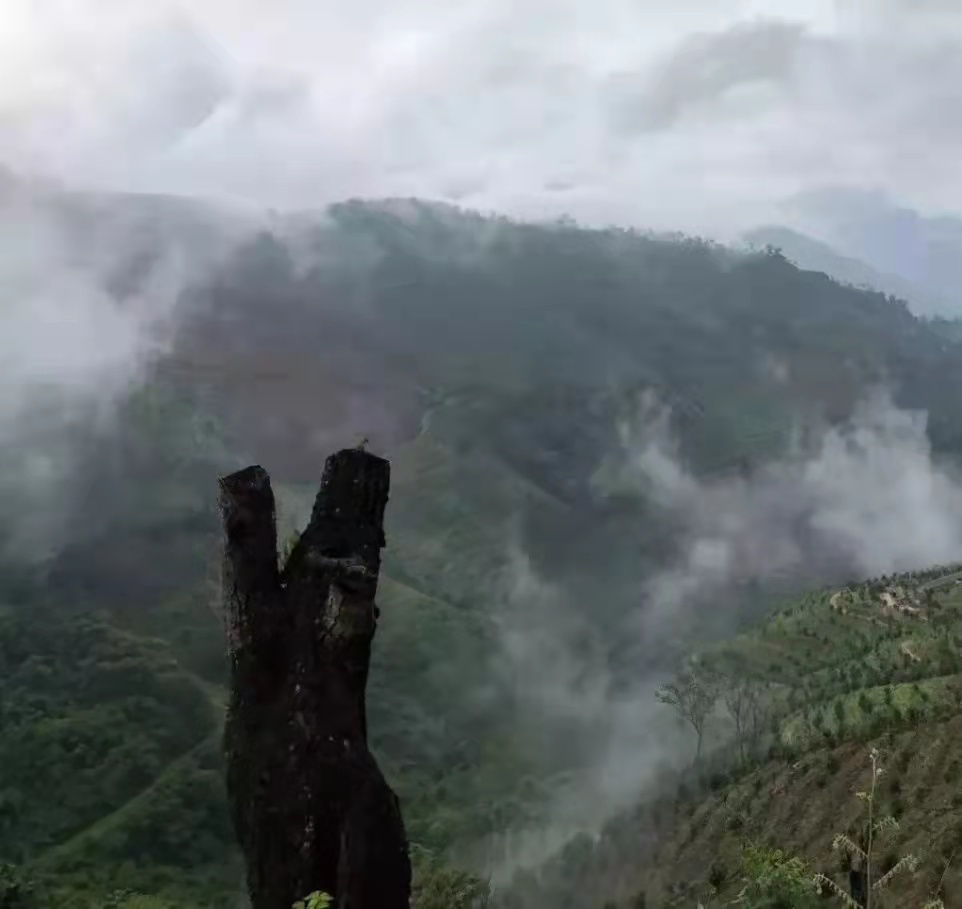
The history of coffee cultivation in Yunnan dates back to 1892, when a French missionary planted the first coffee tree in the Zhukula area of Yunnan. That seed eventually bore fruit a century later, establishing Yunnan as an important coffee-producing region in China. Later, in the 1930s, overseas Chinese Mr. Liang Jinshan introduced coffee to regions like Puliang and Luoming, with cultivation continuing even after the founding of the People’s Republic of China. In the 1950s, with the push of agricultural experts, coffee cultivation in areas like Ludian gradually took shape and has now been ongoing for nearly sixty years. Although the planting area fluctuated due to various factors over the years, by 1997, the province’s coffee cultivation area had reached 7,800 hectares. Today, it firmly holds the title of China’s largest coffee-producing region, accounting for 70–80% or more of both the national planting area and output.
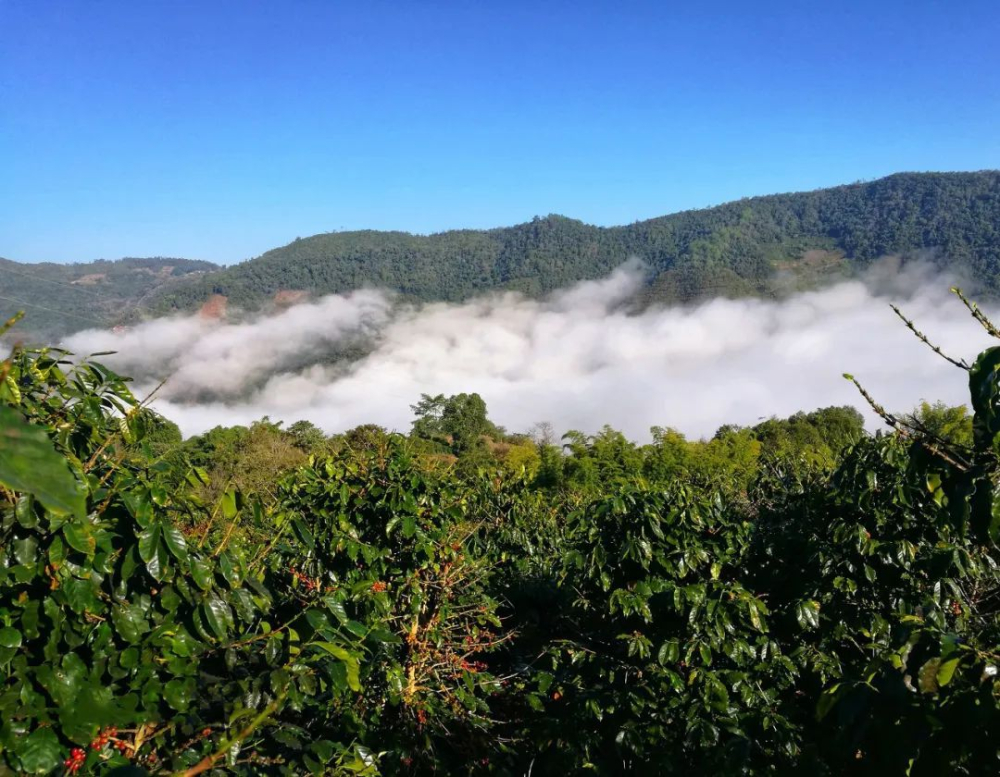
In terms of varieties, Yunnan mainly grows the classic Arabica types Typica and Bourbon, and in 1991, introduced the Catimor variety, which is more disease-resistant and higher-yielding. These varieties mostly exhibit distinct Arabica characteristics, with rich flavor profiles, making them well-suited for specialty coffee development. Additionally, Yunnan’s geographical environment provides ideal growing conditions. Major producing regions such as Lincang, Baoshan, Pu’er, and Dehong are all located between 15 degrees north latitude and the Tropic of Cancer, with altitudes generally ranging from 1,000 to 2,000 meters. These areas enjoy large diurnal temperature variations, abundant sunlight, and moderate rainfall—all of which contribute to the unique flavor of Yunnan’s small-grain coffee: “rich but not bitter, aromatic but not cloying, with a hint of fruity acidity.”
Finally, there are certain standards for coffee bean quality inspection. Internationally, grading is often based on the number of defective beans and impurities in a 300-gram sample, a test that directly impacts the coffee’s final value and market positioning. For consumers, understanding this background not only helps in selecting high-quality Yunnan coffee beans but also allows for a deeper appreciation of the cultivation stories and regional culture behind each cup of coffee.
The above content is compiled by CoffeeHunters, a coffee news website.


