








Introduction:Facing a wide array of coffee bean options on the market, how do you choose the one that best suits your taste? This article explores three key aspects: how to identify freshly roasted beans, matching your preference for acidity or bitterness with the appropriate roast level and origin, and how beginners can build a solid tasting foundation within a reasonable budget. The article also provides a detailed breakdown of the characteristics of light, medium, and dark roasts, along with common flavor profiles of major producing regions, helping you quickly master the essentials of coffee selection.
Selecting the most suitable coffee bean from the many available requires consideration from multiple angles. Whether you're a beginner just starting out or an experienced coffee enthusiast, understanding how to evaluate freshness, choose roast flavors that match your personal taste, and achieve the best drinking experience within your budget are all essential foundational knowledge.
How to confirm the freshness of coffee beans?
When purchasing coffee beans, the first and most important step is to check their roast date. The "roast date" indicated on the packaging is far more important than the "expiration date," because the flavor of coffee beans declines significantly over time. Ideally, choose products with a clearly marked roast date that have been roasted recently. Professional roasters typically ship the beans within a few days after roasting to ensure customers receive them at their peak flavor.
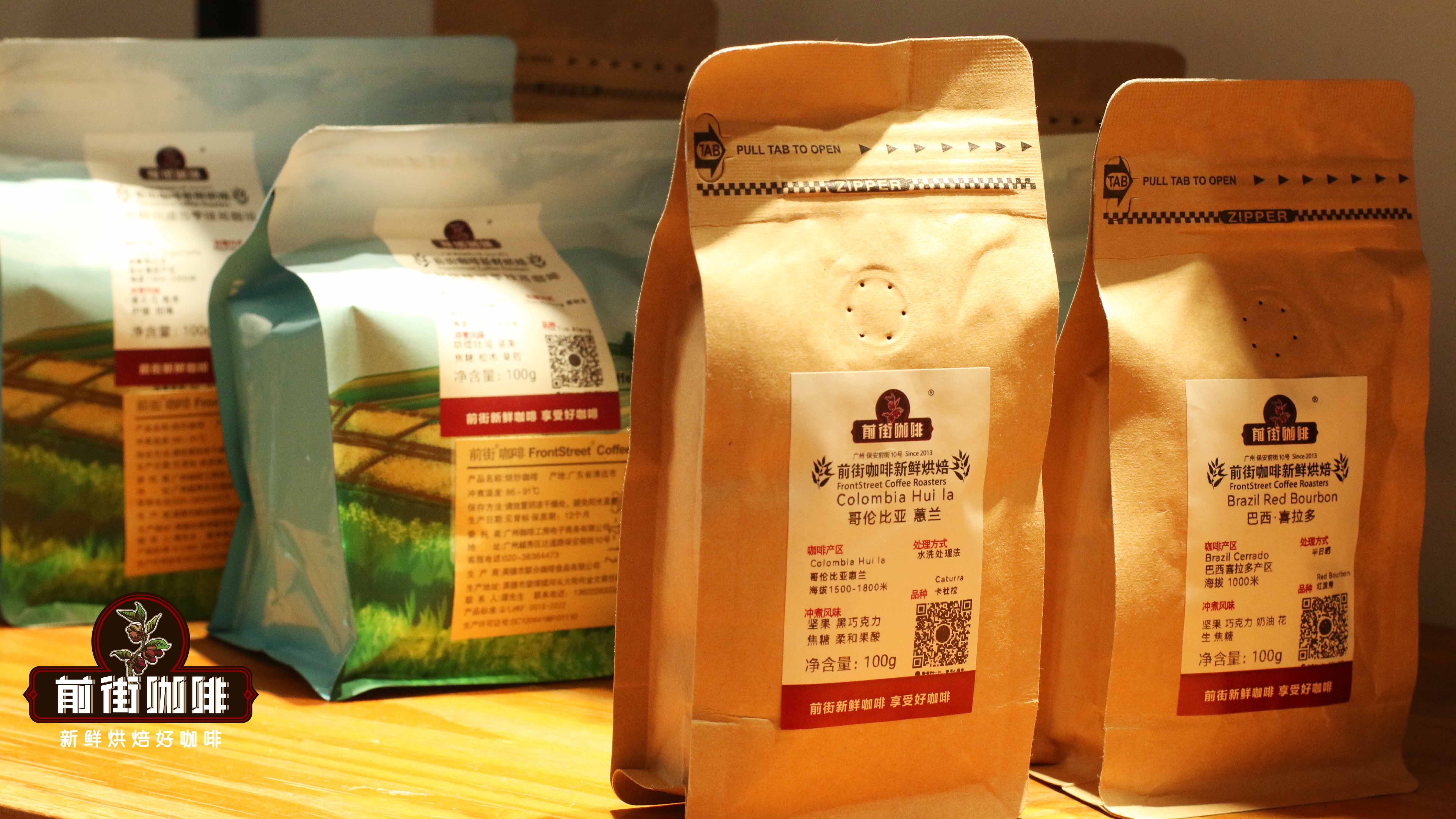
Additionally, it's recommended to choose packaging with a "one-way degassing valve." This small button commonly found on the top of coffee bags allows the carbon dioxide released by the beans after roasting to escape naturally while preventing oxygen from entering, which helps delay flavor loss. It’s worth noting that coffee beans are not necessarily better the fresher they are. During the first day or two after roasting, the beans are still in the degassing phase, and the aroma has not yet stabilized. It’s advisable to let them rest for 2–3 days before brewing to achieve a more balanced flavor.

Choosing the right roast level and origin based on taste preferences
The flavor profile of coffee can generally be divided into two main types: those with pronounced acidity or those with rich bitterness. This is closely related to the roast level and the characteristics of the origin. If you prefer a bright, fruity acidity, light roasts are a better choice, often described with flavors such as lemon, citrus, honey, or berries. On the other hand, if you enjoy a richer, sweeter taste with notes of caramel or chocolate, consider medium-dark or dark roast beans, which typically showcase complex layers such as cocoa, nuts, and even spices.
For example, drinkers who enjoy a balance of sweet and sour with floral notes might start with beans from African origins such as Ethiopia or Kenya. If you prefer a fuller body with low acidity, medium-dark or dark roasts from Southeast Asia or Latin America—such as Indonesia’s Mandheling or Brazil’s Cerrado—often better meet those preferences. Additionally, if you’re looking for coffee that is neither too acidic nor too bitter, with a noticeable sweetness, you might consider blends with flavors like caramel or raisin.
Budget-friendly picks for beginners: focus on grinders and everyday beans
For those just starting out with pour over or home-brewed coffee, it’s recommended to prioritize your limited budget on a grinder, as the uniformity of grind size has a significant impact on the final extraction flavor. As for other equipment, such as pour over kettles or filter cones, entry-level options are sufficient at the beginning. The key is to accumulate tasting experience through everyday beans from different origins.
The term "everyday beans" generally refers to single-origin coffee beans from a specific region, suitable for daily drinking, and relatively affordable, usually in quantities of half a pound or less. These beans allow you to clearly experience the unique flavors of different origins—for example, the citrus notes of Ethiopia, the sweet orange-honey profile of Costa Rica, or the mild nuttiness of Yunnan small beans. Through continuous experimentation, you’ll gradually develop a keener sense of acidity, sweetness, body, and aftertaste, laying a solid foundation for deeper exploration of specific origins, farms, and processing methods in the future.
In summary, choosing coffee beans is not just about picking a beverage, but about opening the door to exploring a world of diverse flavors. By mastering how to judge freshness, understanding the relationship between acidity/bitterness preferences and roast levels, and selecting suitable everyday beans based on your actual budget, you’ll be able to more quickly discover your own coffee preferences and enjoy the pleasure of each brew.
The above content is compiled by CoffeeHunters, a coffee news website.


