







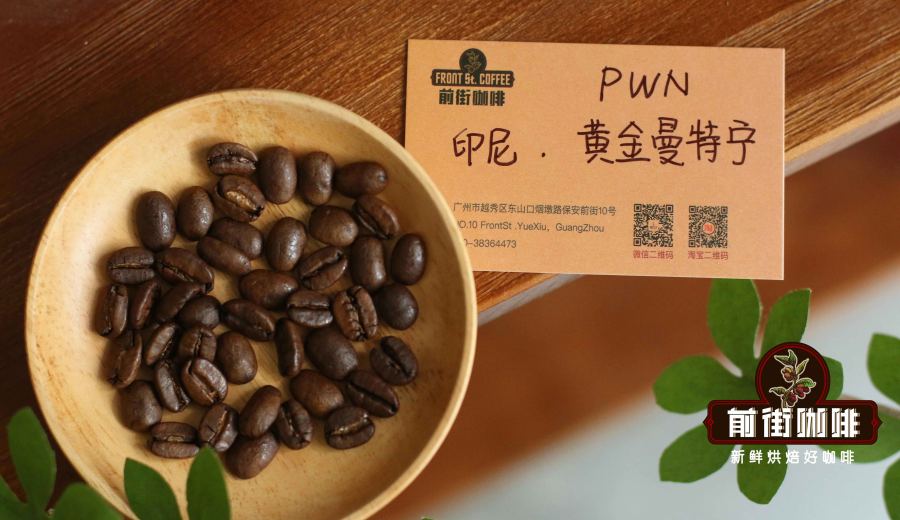
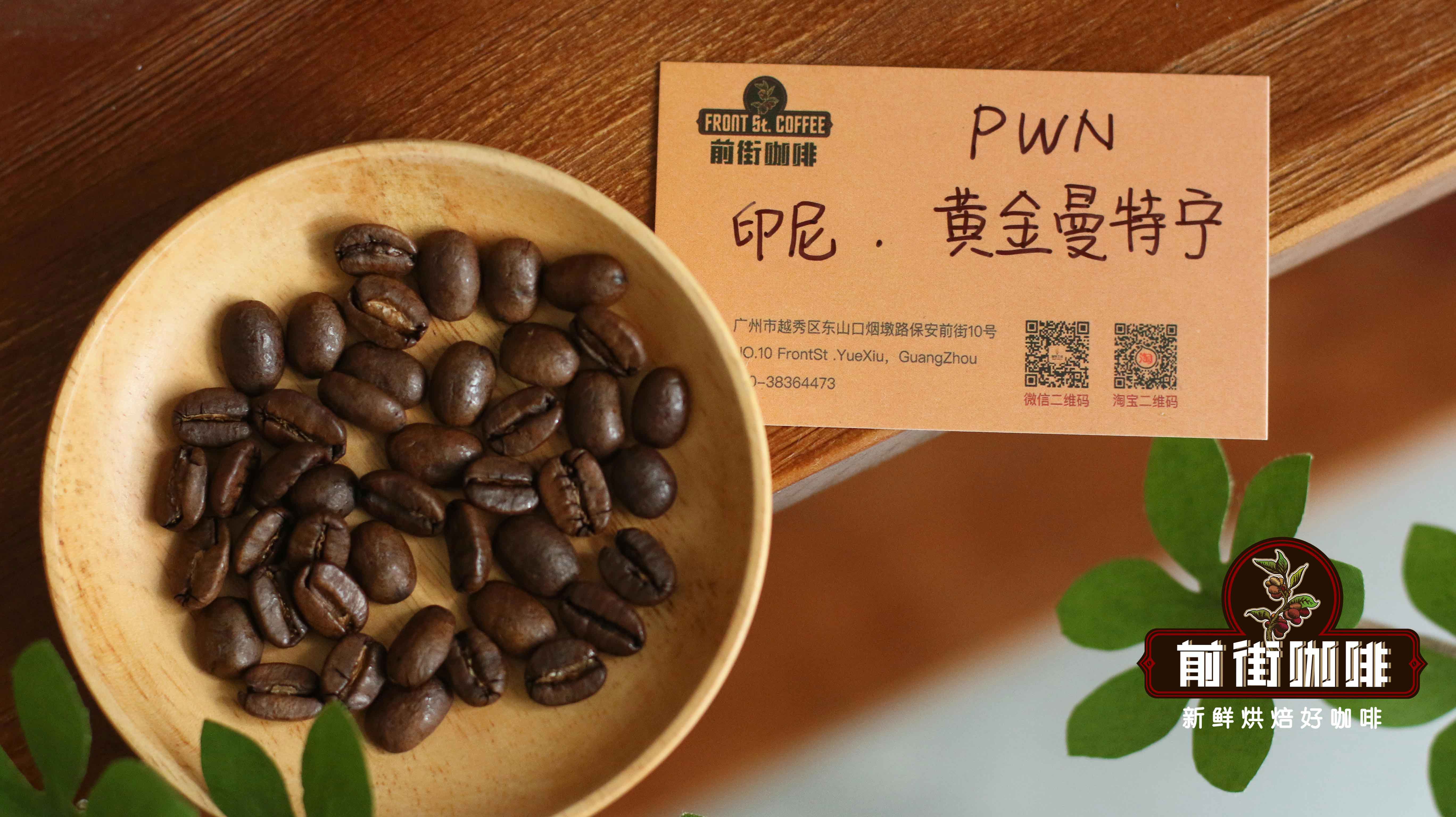
Introduction:As a highly popular Indonesian specialty coffee bean, Golden Mandheling is often difficult for coffee enthusiasts to enjoy in its truly premium form due to the prevalence of imitations on the market. This article delves into the authentic Golden Mandheling from Indonesia’s PWN company, covering everything from the origin of the bean variety, green bean selection standards, roasting profiles, to pour over brewing details and recommended parameters, along with a comprehensive analysis of its unique flavor profile — helping you grasp the essence of this classic dark-roasted Mandheling in one go.
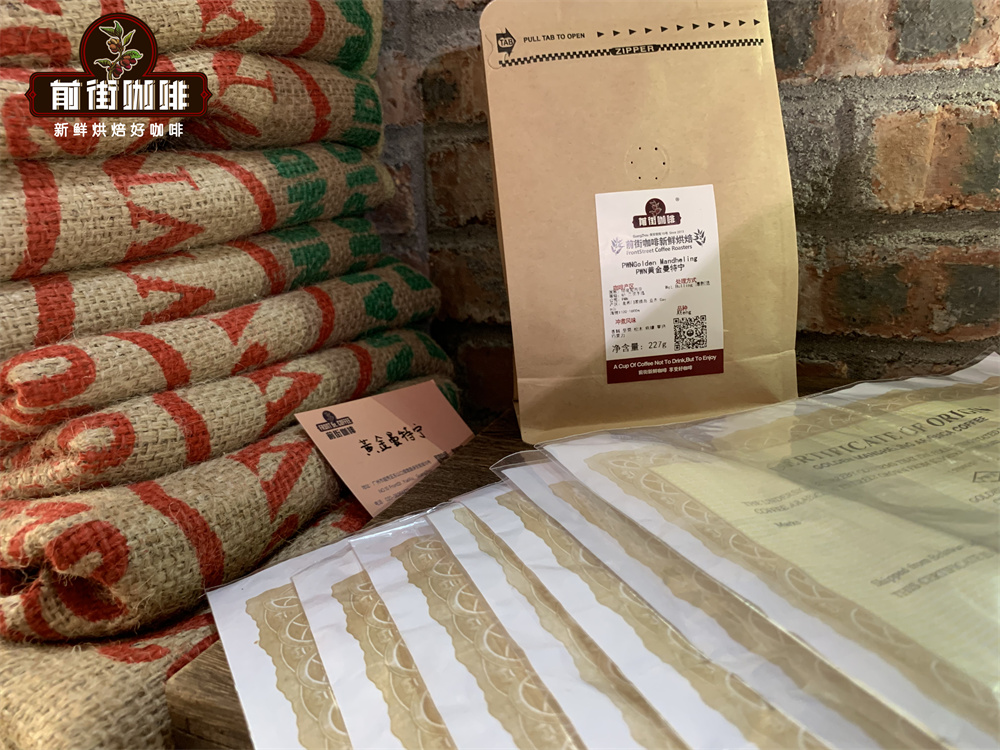
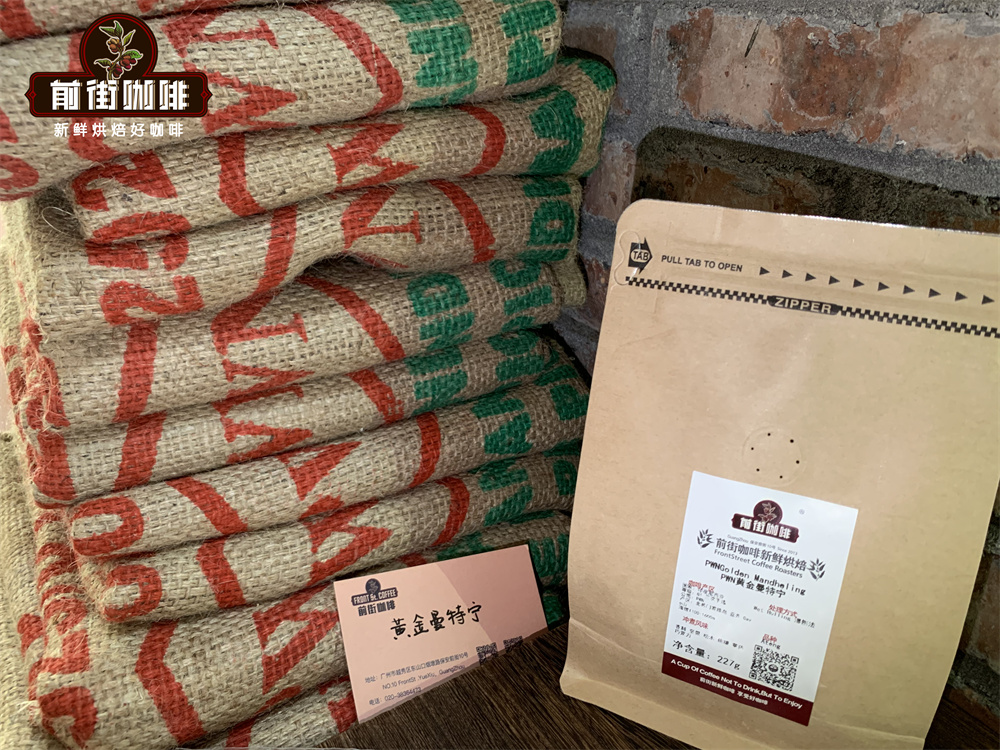
Golden Mandheling has long been a classic among many coffee lovers, yet the market is flooded with various beans labeled as “Golden Mandheling,” few of which actually come from genuine sources. To taste the truly high-quality Golden Mandheling, it’s essential to understand its origin and authentic provenance. This particular Golden Mandheling comes from the renowned Indonesian Pawani Coffee Company (abbreviated as PWN), which holds the official trademark rights to “Golden Mandheling.” Therefore, only beans produced by PWN can be considered authentic.
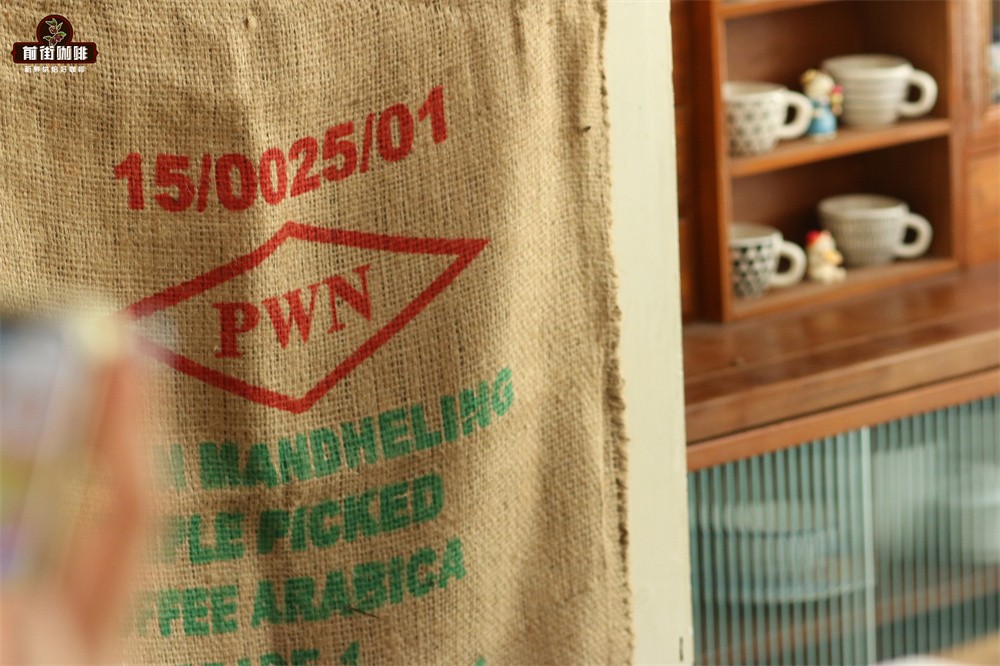
Many consumers who purchase “Golden Mandheling” from the market may only be getting Mandheling beans that are G1 grade, with uniform beans and low defect rates, rather than the authentic version that has undergone PWN’s rigorous five-step screening process. To confirm whether what you’ve bought is genuine, check if the green bean sack bears the official PWN logo and whether it comes with factory certification documents. These details are key to distinguishing authenticity.
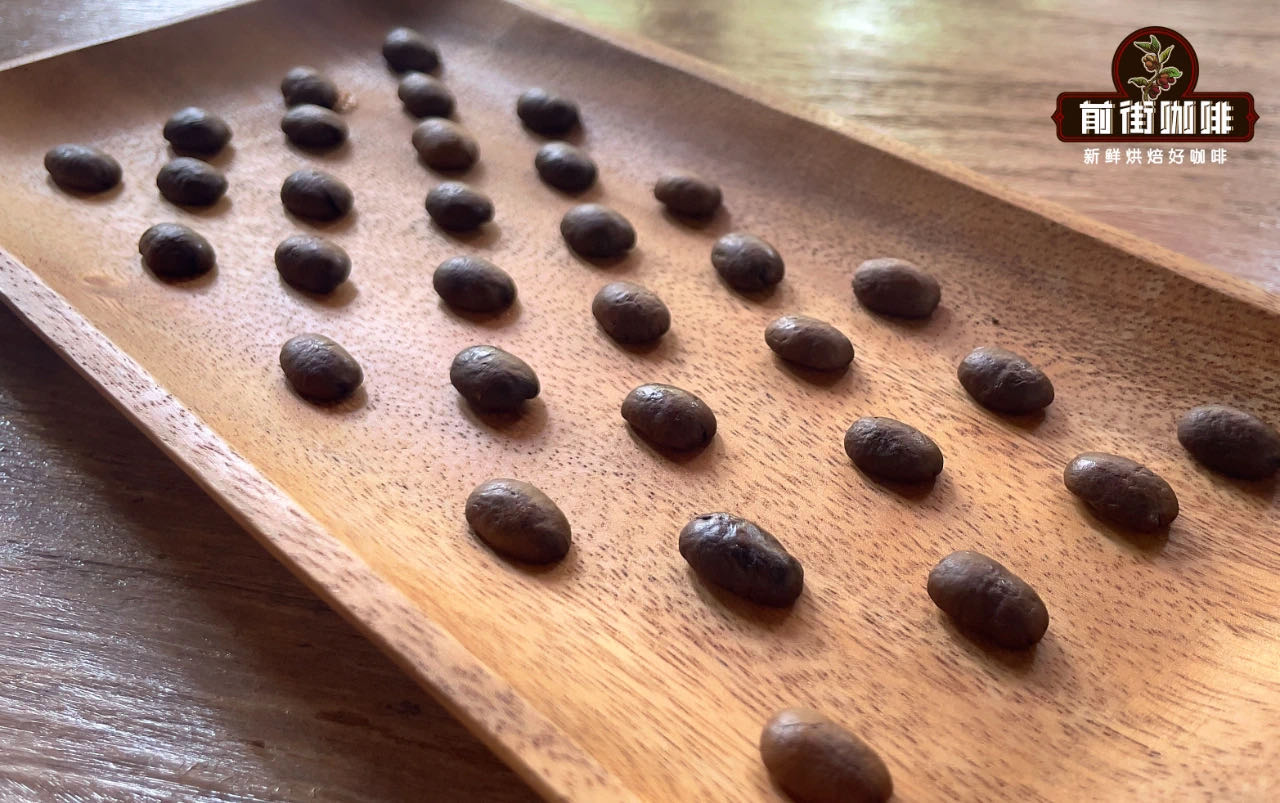
PWN’s screening process for Golden Mandheling can be considered top-tier in the industry. In addition to basic visual selection — such as removing pigeon-eye beans (commonly produced during the wet-hulled process), selecting beans larger than 18 mesh, and controlling defect rates — PWN also performs four rounds of hand sorting as well as mechanical density and color sorting. This ensures that the final coffee beans are highly consistent in color, shape, and size. Such a meticulous process is hard to match by other commercially available “Golden Mandheling-like” beans.
As for the coffee bean variety, this Golden Mandheling uses the Ateng variety, commonly known as the Catimor variety. This variety originated from a hybridization experiment conducted by the Portuguese in East Timor in 1959, resulting from a cross between the Brazilian Caturra variety and the Timor variety, which has Robusta lineage. It offers excellent disease resistance and relatively high yields. Although its flavor profile may not be as refined as traditional Typica or Bourbon purebreds, through refined post-processing and strict selection, it can still deliver surprisingly layered characteristics.
In terms of roasting, a medium-dark roast strategy is adopted using the Yangjia 800N roaster, with a charge weight of 480 grams and an initial drum temperature of 200°C. The early stage employs gentle heat control, maintaining around 160°C until 5 minutes and 40 seconds, at which point the bean surface turns yellow and the grassy aroma completely fades, indicating the completion of the drying phase. The heat is then gradually reduced and the air damper adjusted to promote Maillard reactions and caramelization. When first crack begins (around 9 minutes and 54 seconds), the heat is lowered and the air damper increased, with the final drop occurring at 204.5°C, resulting in a rich and sweet flavor foundation.
To brew a standout cup of Golden Mandheling, it is recommended to use freshly roasted beans, with the optimal tasting period being 4 to 7 days post-roast. This coffee is typically shipped within 5 days after roasting to ensure consumers receive it at the peak of its flavor. For pour over, the Kono filter cone is recommended, as its unique rib design effectively enhances extraction uniformity and body richness.
For specific brewing, a dose of 15 grams is suggested, using a 1:15 coffee-to-water ratio, with a grind size passing through a 20-mesh sieve at 70% — approximately medium-fine to medium, equivalent to setting 8–9 on most hand grinders. Water temperature should be controlled between 87–88°C; too high may lead to burnt bitterness, while too low may result in overly pronounced acidity and lack of complexity.
The pour over method follows a classic three-pour technique: the first pour involves adding 30 milliliters of hot water for blooming to help release CO₂ from the coffee grounds; the second pour adds 100 milliliters to effectively extract the primary flavors; and the third pour adds another 95 milliliters to enhance sweetness and body in the finish. This pouring rhythm allows the chocolate, caramel, and nutty aromas of Golden Mandheling to become more cohesive, while also reducing the risk of over-extraction.
The final flavor profile is dominated by a rich, bold sweetness, highlighted by distinct notes of cream, walnut, and chocolate. On the nose, sweet herbs, cinnamon, and citrus peel aromas unfold layer by layer, with herbal and spicy nuances emerging as the temperature cools. The aftertaste is long-lasting and mellow, making it a well-structured, classic dark roast Mandheling that’s perfect for savoring slowly.
The above content is compiled by CoffeeHunters, a coffee news website.


