







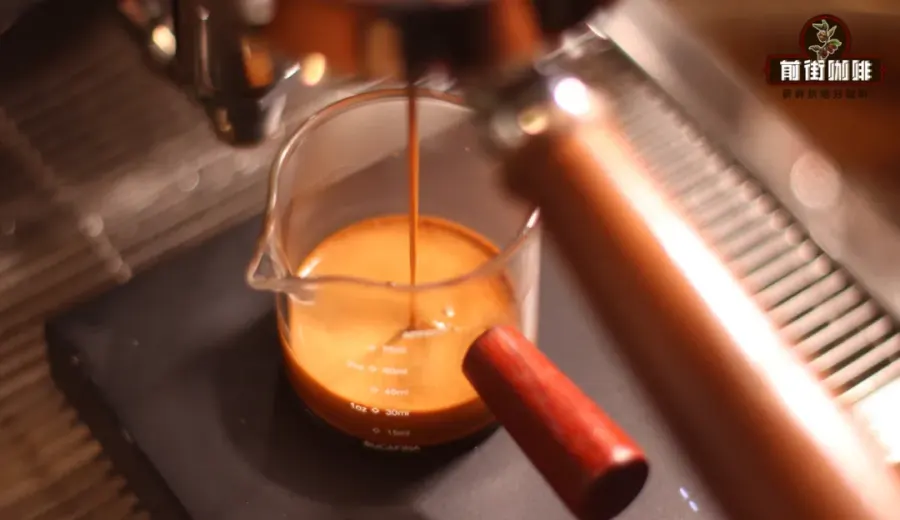
Introduction:Brewing a perfect shot of espresso may seem to take just a few dozen seconds, but every step can affect the final flavor. This article takes an in-depth look at eight often overlooked details—from bean hopper pressure and portafilter cleanliness to pre-infusion and extraction timing—providing practical tips and precautions to help you consistently extract richly crema-ed, balanced espressos, useful whether at home or in a professional setting.
The birth of an espresso shot often happens in mere seconds, yet this short process involves dozens of variables. A small misstep can significantly compromise the flavor of the entire cup. Even if you’ve mastered a set of extraction parameters, neglecting operational details can still make it difficult to achieve the ideal espresso taste. This article will walk you through the entire espresso-making process using an espresso machine—from bean hopper pressure, portafilter cleaning, and coffee grounds observation, to dosing and tamping, pre-infusion, avoiding portafilter knocks, extraction timing, and post-use cleaning—covering eight easily overlooked key details. This will help you improve extraction stability step by step, so that every shot of espresso delivers its best possible flavor.
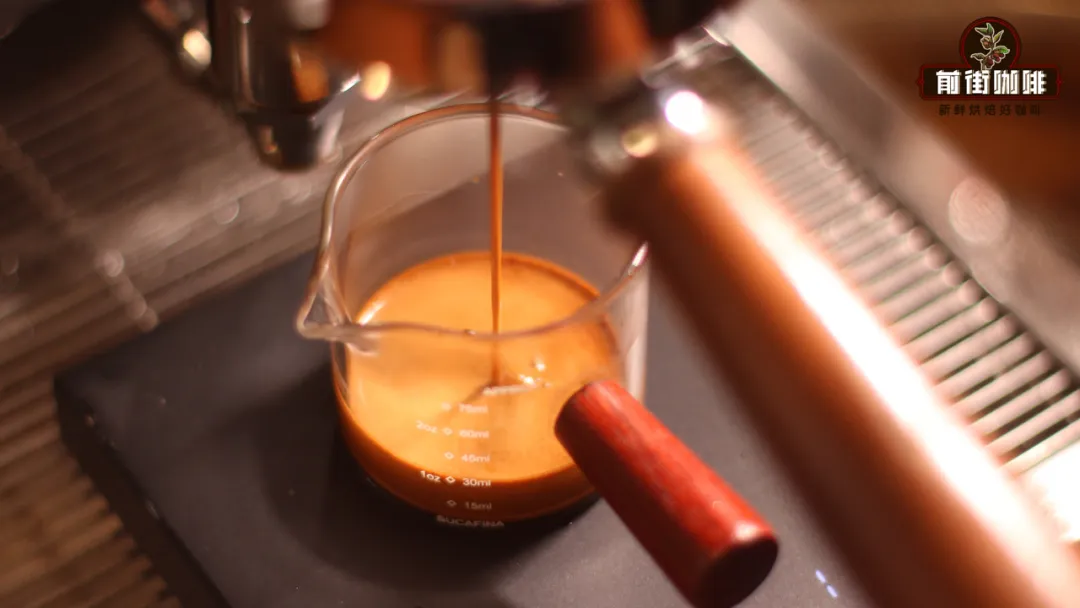
Before you begin extraction, choosing the right coffee beans is the first step to success. For home espresso machine users, it’s recommended to prioritize fresh, high-quality blended beans. For example, classic blends rich in crema, specialty blends with distinct nutty aromas, cost-effective dark cocoa-based blends, or commercial blends suitable for business use—each type has its own unique character. Choosing based on your personal taste preference can help you more easily find your desired coffee flavor direction.
1. Bean Hopper Pressure: An Often Overlooked Initial Condition
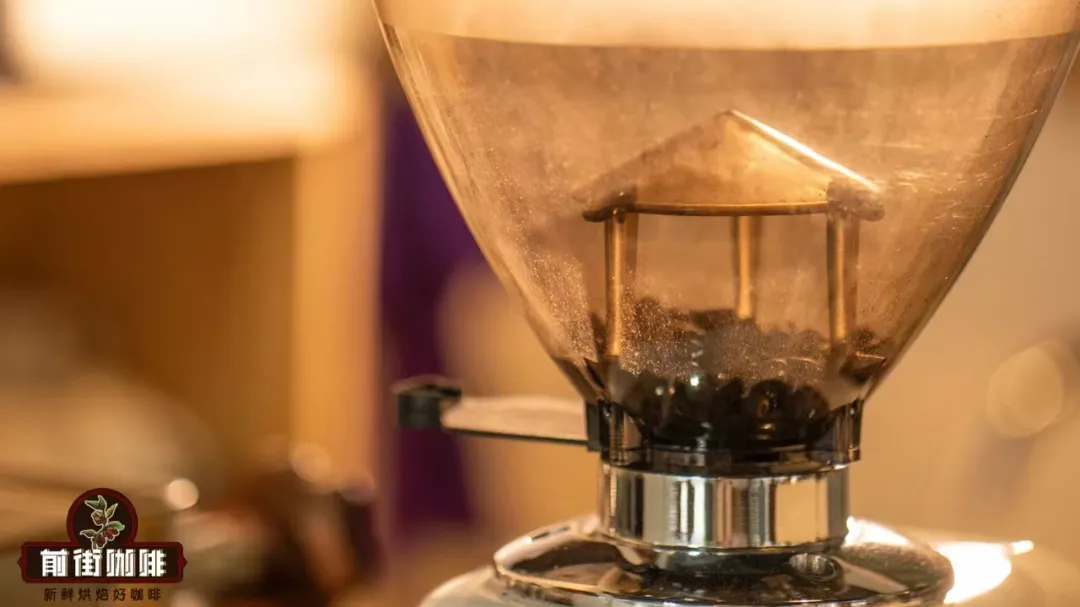
Before starting the grinder, be sure to check the remaining amount of coffee beans in the bean hopper. If the bean level is below one-quarter of the hopper’s capacity, the grind size can easily become inconsistent. This is because when there aren’t enough beans above, they can’t provide sufficient pressure, causing the beans at the bottom to bounce during grinding, which in turn affects the uniformity of the grind. As a result, the flow rate and extraction time of the coffee grounds may be impacted, leading to under-extraction or flavor imbalance. It’s recommended to maintain at least half or more of the hopper’s capacity in coffee beans before grinding. If you don’t want to pour in too many beans at once, you can also use an appropriate weight to apply moderate pressure to maintain a stable grinding environment.Stable bean hopper pressure is the first step to ensuring consistent grinding.
2. Cleaning the Portafilter: The Hidden Interference of Residual Coffee Grounds and Water Droplets
Many coffee enthusiasts, when operating, tend to directly pour coffee grounds into the portafilter rather than using a grounds catcher. Therefore, the cleanliness of the portafilter becomes especially important. Even if you rinsed the portafilter immediately after the last extraction, tiny coffee grounds may still remain in hard-to-notice crevices; additionally, if not fully dried after rinsing, residual water droplets may still linger inside the portafilter. These residues, when they come into contact with fresh grounds during the next use, can prematurely moisten some of the coffee, causing uneven channel formation in the coffee puck, and thus affecting overall extraction. Therefore,before dosing, be sure to gently wipe the inside and outside of the portafilter with a clean cloth to ensure no residue or moisture remains.
3. Observing the Coffee Grounds: Hidden Clues in Dosing and Clumping
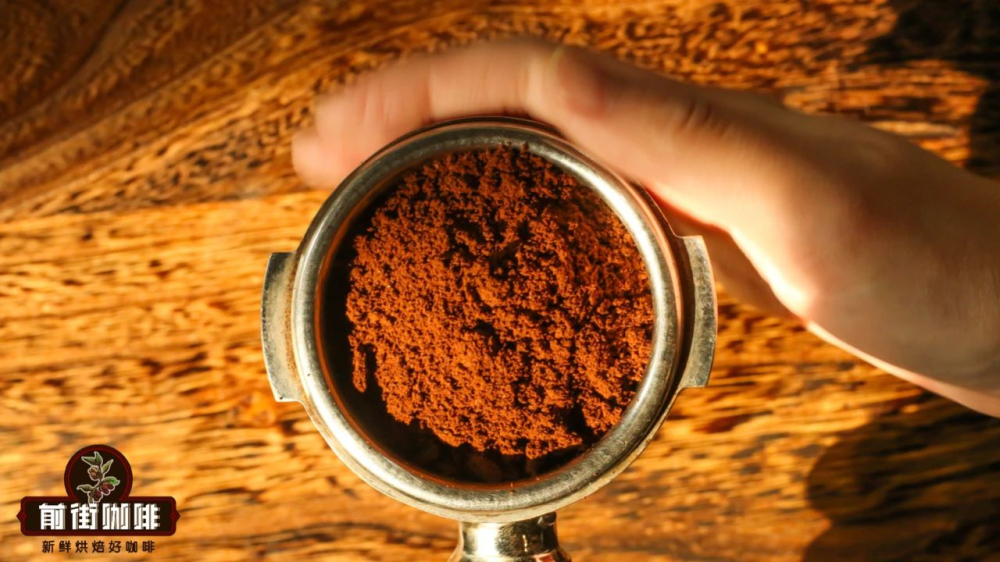
After preparing the bean hopper and portafilter, the next step is grinding the coffee. At this stage, observing the condition and pattern of the coffee grounds is crucial. First, pay attention to the dosing pattern: ideally, it should come out in a small, concentrated area, as shown in the image, rather than scattering widely. If the output is loose and spread out too much, it’s likely due to static electricity causing the grounds to pile up at the outlet, leading to blockages that ultimately affect extraction uniformity. Also, check if the coffee grounds have clumped due to static electricity. If large clumps are found, it’s advisable to use a dosing tool such as a distribution needle to gently break them apart, avoiding channeling effects.Observing the dosing state and coffee structure helps identify potential issues early, improving subsequent extraction stability.

4. Tamping: The Art of Even Distribution and Stable Pressure
Once the coffee grounds fall into the portafilter, the following distribution and tamping steps directly determine the density and uniformity of the coffee puck. Uneven distribution or inconsistent tamping force can lead to an uneven puck surface, creating channels where water flows preferentially, resulting in uneven extraction. These two steps may seem simple, but they are actually very nuanced. It’s recommended to spend time practicing and observing to master the distribution and tamping techniques suited to your equipment and beans.A uniform coffee puck is the core foundation of stable extraction.(For further understanding, you can refer to extended content such as “How to Distribute and Tamp Coffee Grounds Correctly” and “How Much Pressure Should Be Used When Tamping?”)
5. Pre-Infusion: A Key Step to Clear Residues and Stabilize Water Temperature
Before attaching the portafilter to the machine’s group head, never rush into extraction. First, perform a pre-infusion step—opening the water valve to let hot water flow out once. This serves two main purposes: first, to clear any tiny coffee grounds that may remain on the shower screen, preventing them from affecting the purity of the new extraction; second, to bring the temperature of the hot water used for extraction to a more stable state, avoiding temperature fluctuations caused by residual cooling factors, which could otherwise impact extraction flavor.Pre-infusion is a simple yet highly impactful step that must not be skipped.
6. Avoiding Portafilter Knocks: Minor Collisions Can Cause Major Issues
When attaching the portafilter to the group head, many beginners often misalign and cause the portafilter to knock. Even seemingly minor collisions can create tiny cracks in the coffee puck, especially forming gaps between the puck and the portafilter, causing water to preferentially flow through these cracks and disrupting the original extraction path. In more severe cases, strong impacts can even cause the puck to crack directly, severely affecting extraction uniformity and flavor performance. Beginners are advised to familiarize themselves with the equipment structure beforehand, ensuring each attachment is accurate to avoid unnecessary collisions.A stable portafilter attachment is the first line of defense in maintaining puck integrity.
7. Delayed Extraction: The Hidden Risks of Flavor Loss and Bitterness
Some users, after attaching the portafilter to the group head, may delay extraction due to attending to other tasks. However, the group head’s shower screen, under prolonged high temperatures, if left in continuous contact with the puck without extraction, can cause the coffee’s flavor compounds to rapidly volatilize or even carbonize due to overheating. This results in an espresso with noticeable burnt bitterness and a thin flavor profile. It’s recommended to start extraction as soon as the portafilter is attached, to avoid degradation of the puck from prolonged high-temperature contact.Immediate extraction is the key to locking in the essence of coffee flavor.
8. Timely Cleaning: Preventing Burnt Residue from Affecting the Next Extraction
After the espresso extraction is complete, remember to run another cycle of hot water to clear any residual coffee grounds stuck to the shower screen. If these residues remain at high temperatures, they may burn, affecting the flavor of the next extraction and resulting in unpleasant burnt bitterness. Therefore,the cleaning step after each extraction is key to maintaining equipment condition and flavor purity.


The above content is compiled by CoffeeHunters, a coffee news website.


