








Introduction:Want to explore the diverse flavors and regional characteristics of coffee from the Americas? This article provides an in-depth analysis of major producing regions including Brazil, Colombia, Panama, Costa Rica, Guatemala, Honduras, Peru, Ecuador, Bolivia, and the iconic Jamaican Blue Mountain. From bean varieties and processing methods to flavor profiles, it helps you grasp the unique personality of each region and offers practical pour over and tasting tips — making it a comprehensive guide for getting started with Americas coffee.
Many people who are new to coffee often only perceive a single, generic “coffee taste” on their first sip, which is completely normal. As your tasting experience grows, you’ll gradually begin to notice the subtle notes hidden within coffee, such as floral, fruity, caramel, creamy, or even spicy undertones. For beginners, starting your coffee journey with the relatively balanced and moderately acidic flavors of Americas coffee is a great way to enter the world of specialty coffee.
Americas coffee regions are known for their consistent quality, rich body, and diverse processing methods. These include Brazil, Colombia, Panama, Costa Rica, Guatemala, Honduras, Peru, Ecuador, Bolivia, and the highly representative Jamaican Blue Mountain. These regions vary not only in terrain and altitude but also in climate conditions, giving rise to a wide array of distinctive coffee profiles.

When it comes to the beginner stage of coffee tasting, it’s recommended to start with regions known for “balanced flavors,” such as Brazil, Colombia, or Honduras. These coffees typically offer a good balance of sweetness and acidity, with a mild mouthfeel, making them ideal for practicing basic flavor recognition. Compared to African beans, which often exhibit prominent fruity acidity and floral notes, American beans focus more on body, sweetness, and overall harmony.
The expression of coffee flavor can be experienced through three aspects: aroma, taste, and aftertaste. Among these, “body” (or mouthfeel) is a key indicator — referring to the weight or texture of the coffee in the mouth, which can range from light like tea to thick like syrup. In addition, acidity can be bright and lively or soft and mellow, while the aftertaste reveals the coffee’s complexity and whether its finish is long-lasting.
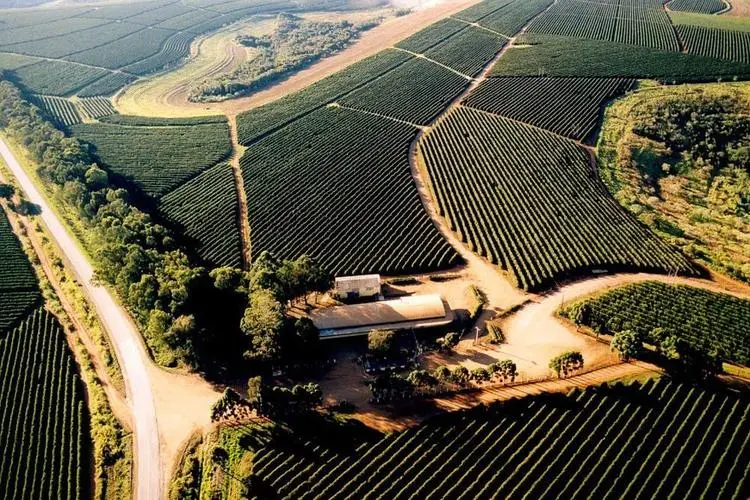
First, let’s take a look atBrazil, the world’s largest coffee producer, where coffee is known for being bold, low in acidity, and featuring chocolatey and nutty notes. Common processing methods in Brazil include natural (sun-dried), pulped natural (semi-washed), honey process, and washed. Santos is a representative grade, ideal as a base for blends and well-suited for both pour over and espresso brewing. The recommended Cerrado Red Bourbon has distinct nutty and caramel aromas and works well with various brewing methods.
Colombiais renowned for its mountainous cultivation and washed processing. Regions such as Medellin, Armenia, and Manizales, collectively known as “MAM,” produce coffees with balanced flavors, gentle fruit acidity, and nutty tones. Southern high-altitude regions like Huila are noted for their bright berry-like acidity and caramel sweetness, making them a popular single-origin choice for many coffee enthusiasts.

Hondurashas not been very prominent in the specialty coffee scene in the past, but in recent years, it has gradually gained recognition due to improvements in processing techniques. Its coffee is mainly divided into regular highland and specialty highland types, with higher altitudes yielding more complex flavors. Honduran coffee responds well to medium-to-dark roasts, which enhance its sweetness and body, making it a beginner-friendly option.
And when it comes to specialty coffee, one cannot overlookPanama, especially its highly representativeGeisha (or Gesha)variety. Geisha from the Boquete region boasts exceptionally high acidity, brightness, and floral-fruit aromas such as jasmine, peach, and lemon, making it a star coffee often featured in auctions. Panama’s diverse terrain and microclimates have given rise to numerous micro-regions and unique flavor expressions.
Costa Ricaproduces coffee with bright acidity and rich sweetness, thanks to its high altitude and volcanic soil. The honey process is one of its specialties, bringing out intense fruity aromas and syrupy sweetness. Tarrazú and the Central Valley are its famous producing regions, and black honey processed coffees often exhibit layered flavors of chocolate and berries.
InGuatemala, coffee often carries smoky, cocoa, and spicy notes. Regions like Huehuetenango are known for their high altitude and independent microclimates. The Finca El Injerto estate is a notable local representative, producing coffee with complex layers and strong individual character.
Perumostly practices organic farming, and its coffee flavors tend to be mild, featuring notes of chocolate, cream, and herbs. It’s suitable for blends or for those who prefer lower acidity. The northern region has the highest production, while the central area is known for its high altitude and delicate acidity.

Ecuador’s coffee, though generally part of the South American coffee system, benefits from the country’s equatorial location and ecological diversity. Some regions, such as Loja and Zamora-Chinchipe, showcase distinct berry and floral aromas. Processing is mostly washed, resulting in clear and layered flavors.
As for the world-renownedJamaican Blue Mountain, although the producing area is small, its strict grading system and washed processing create an unparalleled sense of balance. Blue Mountain coffee is known for being “free of obvious defects, with balanced acidity, sweetness, and bitterness,” making it the dream bean for many coffee lovers. Its grades are determined by bean size and defect rate, with NO.1 being the highest. It’s suitable for light-to-medium roasts, and pour over brewing best highlights its delicate nuances.
Finally,Boliviahas limited production due to transportation challenges, but its high-altitude-grown coffee often features fruity and floral notes. For example, the Java variety, when medium roasted, exhibits rich blackberry and citrus tones — making it a niche region worth exploring.
In summary, the flavor profiles of Americas coffee are generally characterized by balance, body, and sweetness, making them suitable for coffee lovers at all levels, from beginners to advanced. By observing aroma, savoring the balance of acidity and sweetness, feeling the body and aftertaste, and applying appropriate brewing parameters, you’ll be able to more deeply appreciate the unique charm of each Americas coffee.
The above content is compiled by CoffeeHunters, a coffee news website.


