







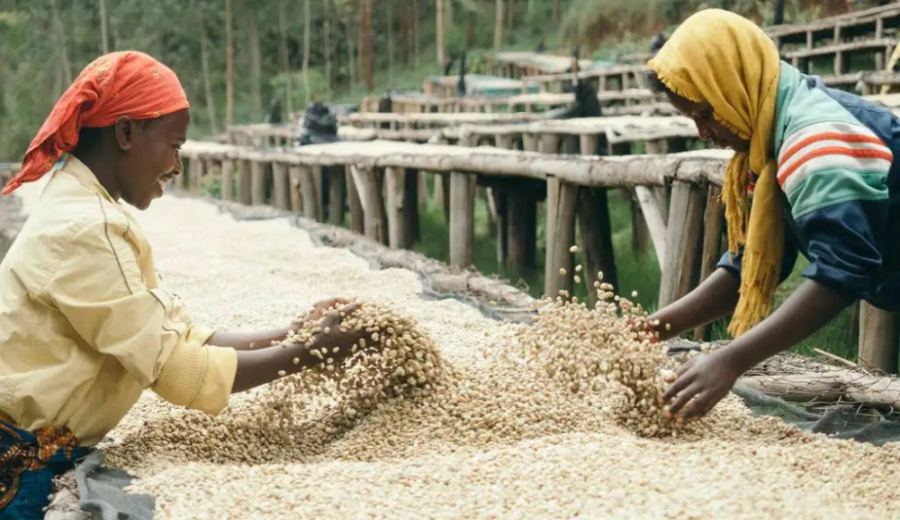
Introduction:As the birthplace of coffee, Africa has nurtured many specialty coffee beans with distinctive flavors. This article will delve into the characteristics of coffee from major producing regions such as Ethiopia, Kenya, Burundi, Rwanda, and Uganda, analyzing their bright acidity and rich aromas. We’ll also provide practical flavor profiles and pour over recommendations to help you find your own favorite beans.
African coffee holds a unique place in the global specialty coffee market thanks to its vibrant acidity and rich aromas. These beans from East and Central Africa not only possess distinct regional flavors but also showcase complex taste profiles due to diverse microclimates and high-altitude environments. Whether you prefer a refreshing citrus note or deeper berry aromas, you’re sure to find a bean you love among African offerings.
What African coffee is most celebrated for is its lively, bright acidity and layered aromatic complexity. Compared to other regions, African beans typically exhibit higher acidity brightness, often carrying a fruit-like freshness that invigorates the palate. However, they may present a more restrained body and sweetness, which is also a hallmark of African coffee’s flavor profile.
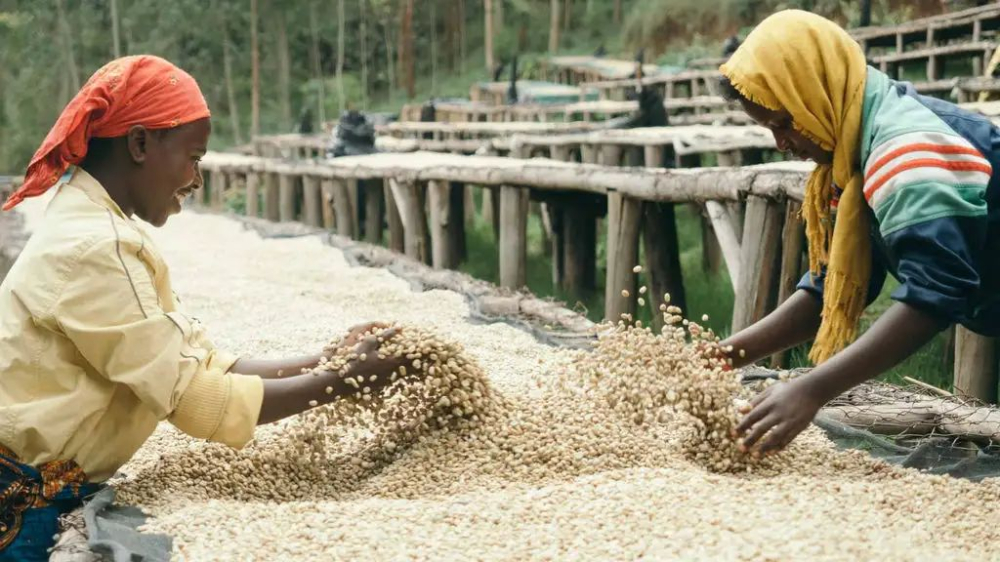
Ethiopia is hailed as the cradle of coffee, boasting a long cultivation history and rich genetic diversity. Renowned regions like Yirgacheffe and Sidamo often produce beans with pronounced citrus, jasmine, and tea-like elegant aromas. These coffees are usually processed via washed or natural methods — the former highlights clean, bright fruit acids and floral notes, while the latter adds a touch of winey richness and fermented berry aromas. A representative washed coffee like Kochere commonly features citrus and lemon tones paired with a soft body and lingering aftertaste; whereas a natural coffee like Huika showcases a complex interplay of intense berries, honey, and floral notes, making it a classic favorite among pour over enthusiasts.
Kenyan coffee is famed for its bold berry flavors and unique acidity structure. Arabica beans grown at high altitudes deliver consistent quality and concentrated flavors. Kenyan beans often exhibit pronounced blackcurrant, dark plum, and grapefruit acidity, alongside syrupy sweetness and nutty undertones, resulting in a well-layered profile. Such coffees are highly popular in European markets, especially the UK, where they sometimes even rival certain well-known Central and South American origins. To experience the classic Kenyan flavor, look for beans with a balance of cherry-like acidity and sweetness along with dark plum notes — these flavor combinations often bring a uniquely surprising taste experience.
Although less frequently mentioned in the market, Burundi’s coffee quality should not be underestimated. The country’s mountainous terrain, suitable altitudes, and predominantly smallholder farming model contribute to Burundi coffee’s often delicate citrus, berry, and floral notes. The main variety planted is Bourbon, and the processing method is mostly washed, resulting in a clean and clear flavor structure. The flavor profile of Burundi coffee is generally well-balanced, with bright acidity that’s not overly sharp — ideal for those who enjoy a harmonious mix of fruity aromas and refined mouthfeel.
Rwanda, known as the "Land of a Thousand Hills," benefits from mountainous topography, fertile volcanic soil, stable rainfall, and high altitudes — all providing optimal conditions for coffee cultivation. Rwandan coffee often displays rich fruit sweetness, grassy notes, and subtle floral aromas, with a fresh and layered flavor profile. In particular, Red Bourbon varieties are favored by pour over lovers for their high sweetness and soft acidity. A Rwandan Red Bourbon coffee might feature distinct berry acidity and nutty tones, best presented with a medium-light roast to highlight its delicate qualities.
Though Uganda primarily produces Robusta coffee, it also grows a significant amount of high-quality Arabica beans. Varieties such as Typica, SL14, and SL28, when properly processed and carefully selected, can deliver flavor performances that rival those of other regions. The SL series, developed by Scott Laboratories, offers good drought resistance and flavor potential. SL14, in particular, not only boasts rich flavors but also becomes harvest-ready just two years after planting — making it highly practical for local farmers. Uganda’s annual "Harvest Festival Flavor Competition" (TOH) is also an important platform for discovering the country’s finest coffees, definitely worth following for coffee enthusiasts.
In summary, African origin coffee beans, with their uniquely bright acidity, rich aromas, and diverse flavor expressions, serve as an ideal choice for both newcomers exploring the world of coffee and seasoned drinkers looking to expand their selections. Whether you’re just starting out or expanding your coffee repertoire, African beans offer a wealth of choices and delightful taste experiences.
The above content is compiled by CoffeeHunters, a coffee news website.


