







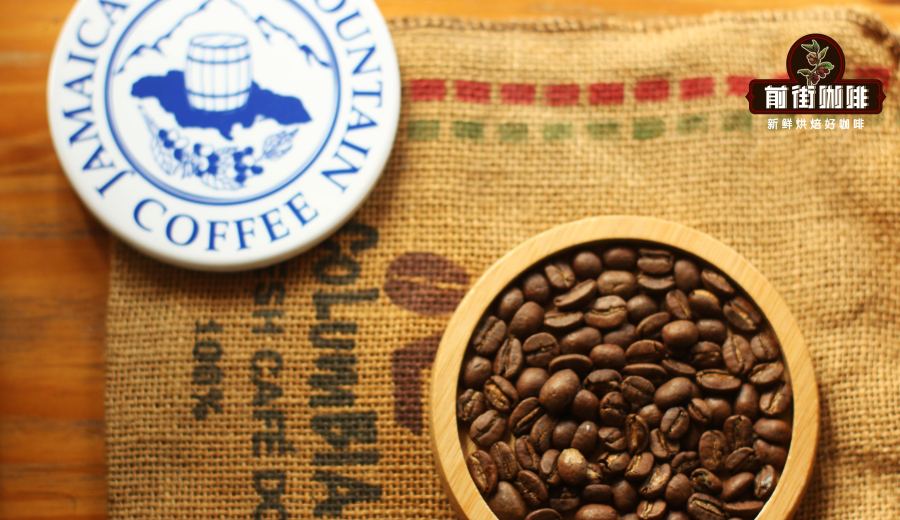
Introduction:Jamaican Blue Mountain No. 1 coffee is renowned for its rarity and high quality, with beans from the Clifton Estate standing out as the industry’s finest. This article delves into the history of Blue Mountain coffee, its growing environment, the differences among the four major estates, and details the washed processing method and traditional wooden barrel packaging. It also introduces the official certification system for Blue Mountain coffee, along with medium-dark roast profiles and Kono dripper pour-over recommendations for Blue Mountain No. 1 — helping you master the brewing techniques of this top-tier coffee and savor its rich, delicate chocolate and nutty flavors.
Jamaican Blue Mountain coffee has long been hailed as the pinnacle of specialty coffee worldwide. Not only is it produced in limited quantities, but it also commands a high price, with the No. 1 grade from the Clifton Estate being the most esteemed. This estate boasts a history of over 200 years and is the only Blue Mountain producer in Jamaica to hold “Rainforest Alliance Certified” status. This article will explore the origins of Blue Mountain coffee, the microclimate of the region, the characteristics of the four major estates, and analyze the washed processing procedure and the unique tradition of wooden barrel transport. We’ll also go deeper into the official certification system to give you a comprehensive understanding of what constitutes “authentic Blue Mountain.” Additionally, we provide medium-dark roast suggestions and Kono dripper pour-over parameters tailored for Blue Mountain No. 1 to help you fully unlock its bold, layered, and complex flavor profile.
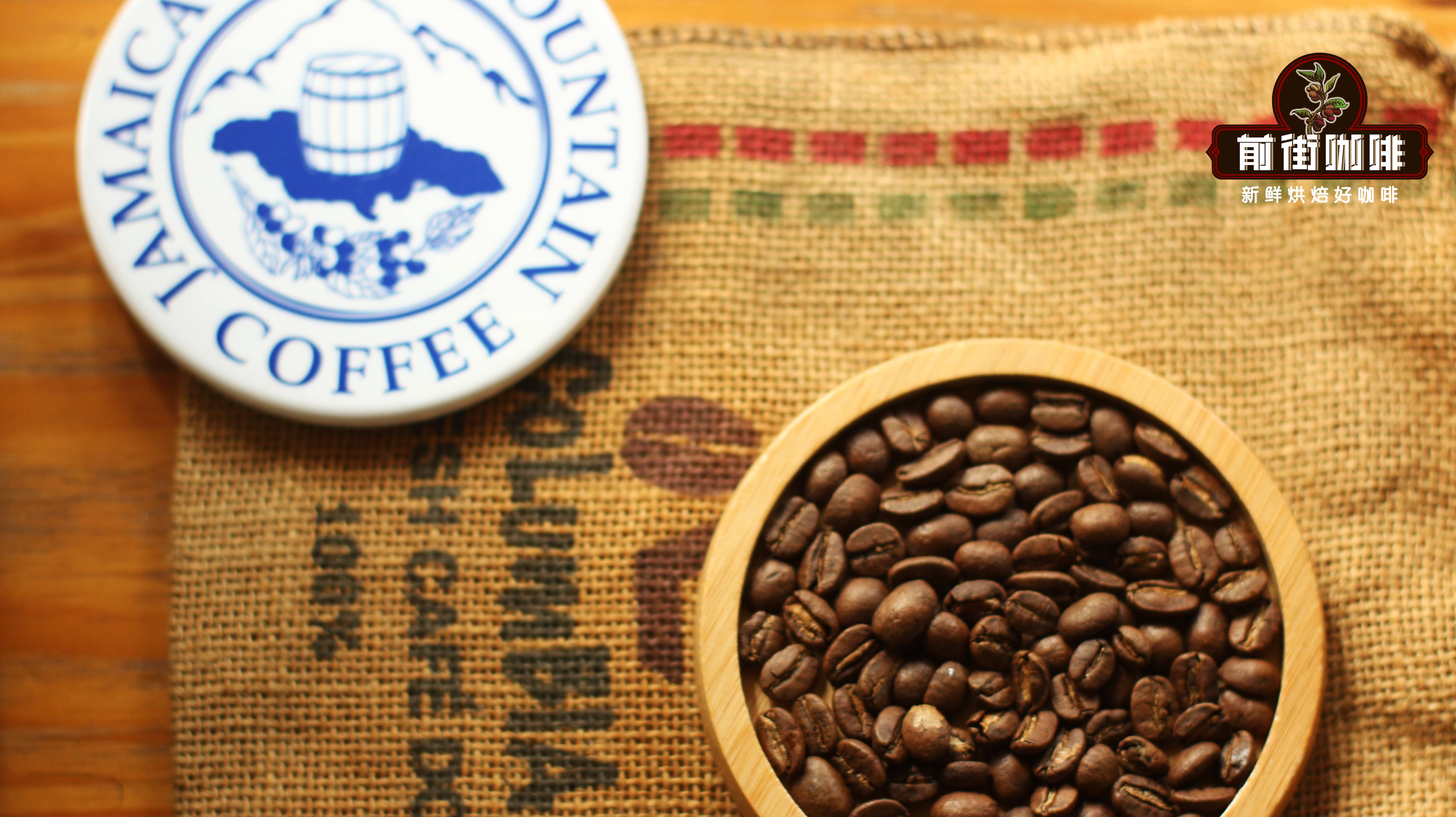
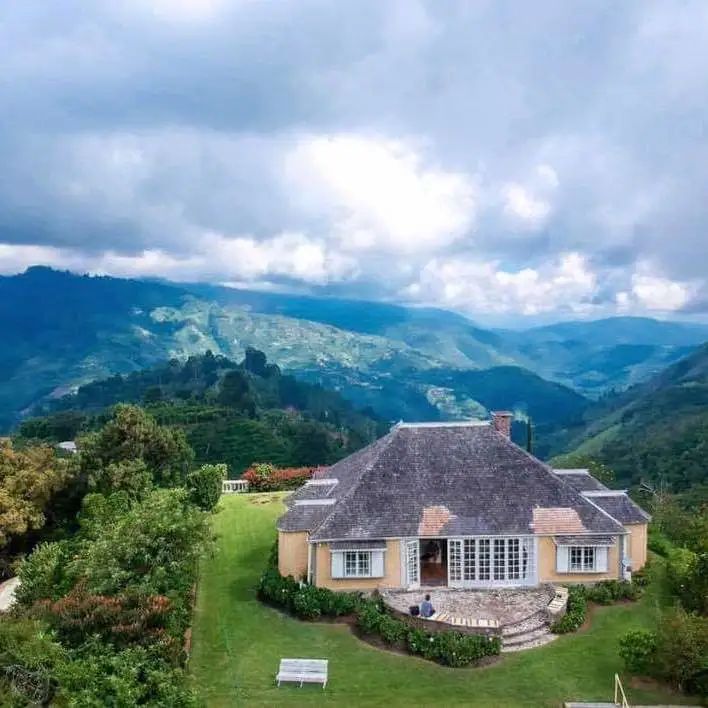
The Clifton Estate belongs to the Sharp family and is located in the Newcastle area of the Blue Mountains, covering a total area of 250 acres, with approximately 180 acres dedicated to coffee cultivation. Situated at an elevation of about 4,300 feet (approximately 1,310.64 meters), the estate grows 100% Arabica Typica. It is not only a key production area for Blue Mountain coffee but also a sacred site for specialty coffee enthusiasts. The famed Blue Mountain No. 1, well known to coffee lovers, originates from this uniquely blessed land.
The history of Jamaican Blue Mountain coffee dates back to the early 18th century. In 1717, King Louis XV of France ordered the establishment of coffee plantations in Jamaica. By the 1720s, then-Governor Sir Nicholas Lawes introduced Arabica seeds from Martinique and promoted their cultivation in the Saint Andrew area. These coffee trees eventually took root in the Blue Mountains. Depending on altitude, Jamaican coffee is categorized into three grades: Blue Mountain, High Mountain, and regular Jamaican coffee, with Blue Mountain being the most stringent in terms of growing conditions and, consequently, the most expensive.
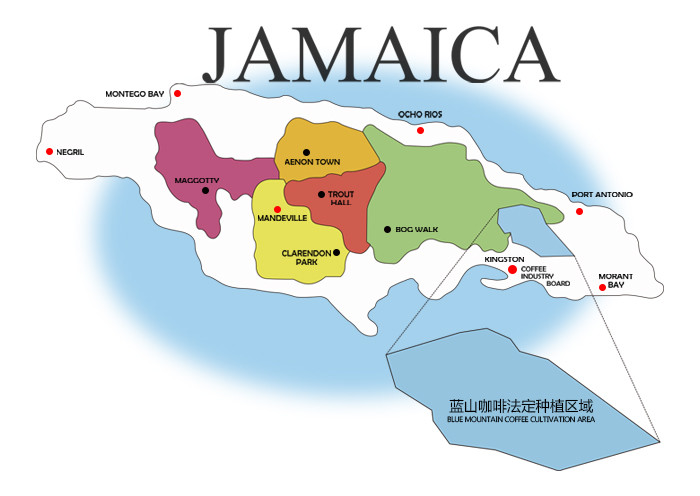
The Blue Mountains are located in eastern Jamaica and are the highest peaks in the Caribbean, with the main peak reaching 2,256 meters above sea level. Surrounded by the blue ocean, sunlight filters through the misty clouds onto the mountain ranges, creating a distinctive blue hue — hence the name “Blue Mountains.” However, as areas above 1,700 meters are designated as protected zones, coffee can only be cultivated below that altitude. This region features a humid, foggy climate with an average annual rainfall of nearly 2,000 mm, along with fertile volcanic soil and a stable temperature of around 27°C, all of which contribute to the unique flavor characteristics of Blue Mountain coffee.
According to regulations set by the Jamaica Coffee Industry Board (CIB), only coffee grown at elevations between 910 and 1,700 meters and cultivated from the Typica variety can be classified as “Jamaican Blue Mountain coffee.” Although Typica offers excellent flavor, it is vulnerable to disease, has low yields, and is grown in challenging terrain that makes harvesting difficult — all factors that contribute to the extremely limited production of Blue Mountain coffee. Statistics show that annually, less than 15% of Jamaica’s total coffee output meets Blue Mountain standards, amounting to roughly 900 metric tons.
Currently, all Blue Mountain coffee on the market is processed using the washed method. After handpicking, coffee cherries are quickly sorted to remove unripe or overripe fruits and are depulped and fermented within 12 hours. Following traditional washed fermentation, the beans are placed on cement platforms for prolonged sun drying, which aids in flavor development. Once the moisture content drops to 11%–13%, the beans are stored in warehouses for 2 to 3 months of maturation. During this period, temperature and humidity are strictly controlled to ensure flavor stability before export.
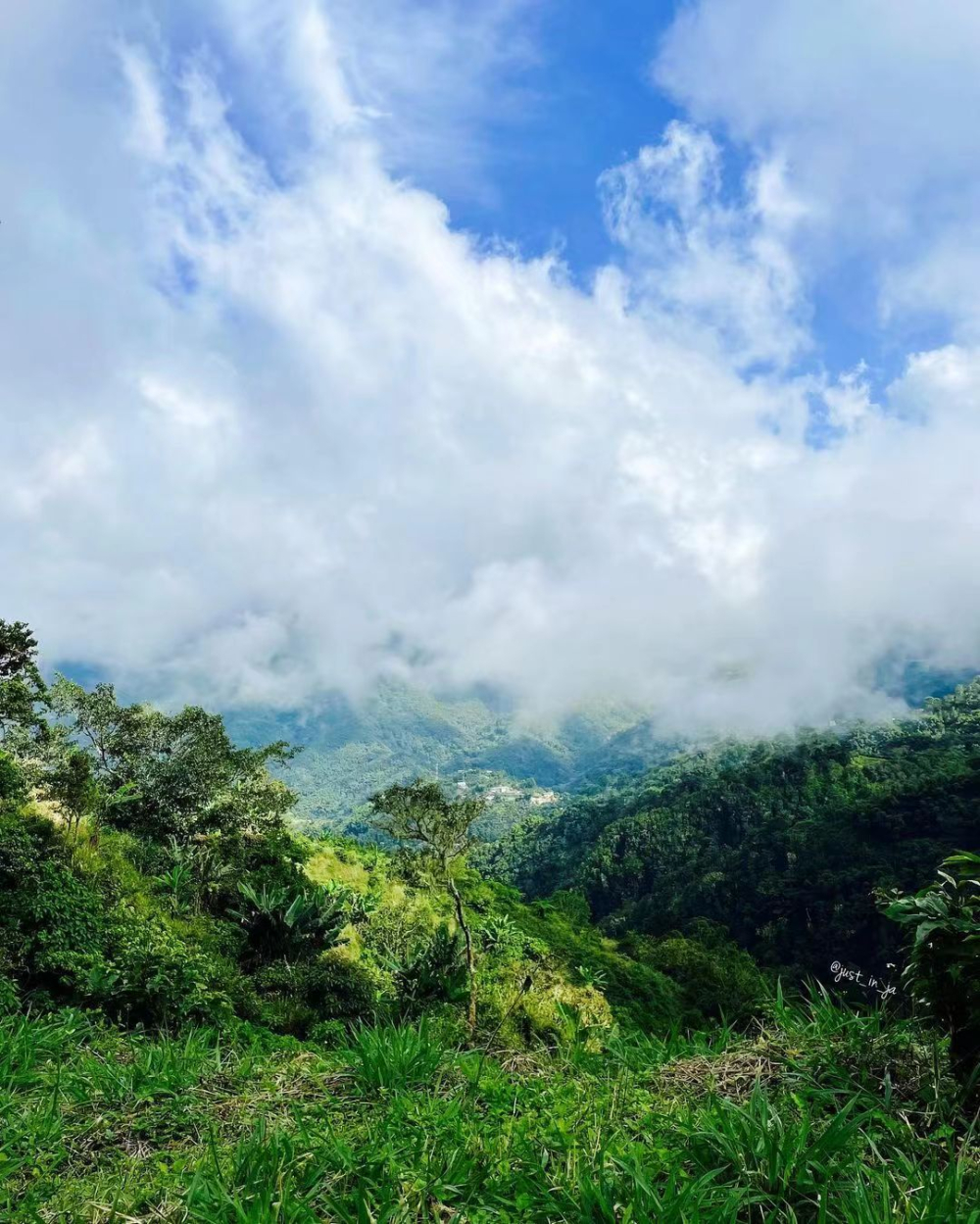
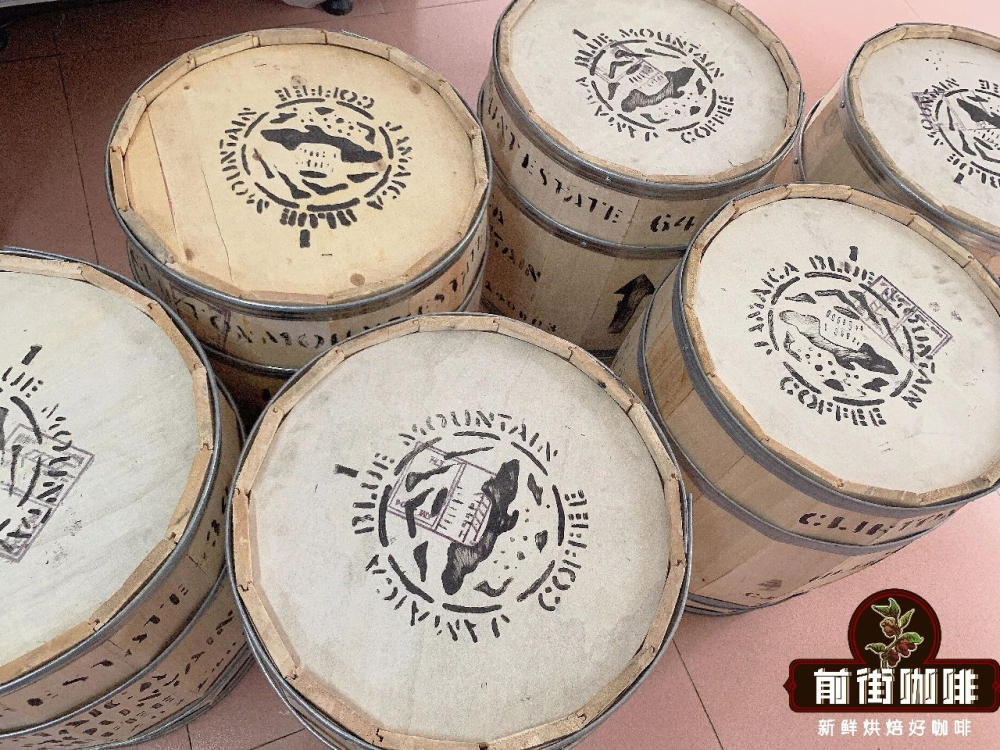
Jamaica is one of the few countries in the world that still uses wooden barrels for packaging and transporting coffee. Every batch of Blue Mountain coffee must pass a rigorous flavor inspection by the Jamaica Coffee Industry Board (CIB) before air export. Only after meeting quality standards is certification granted, and the beans are sealed and shipped in exclusive wooden barrels. This tradition is not just a form of packaging but also represents the prestigious identity and quality assurance of Blue Mountain coffee.
The Blue Mountain region in Jamaica primarily consists of four major estates: Clifton Estate, Stoneleigh Estate, Golden Cup Estate, and RWS Coffee Estate. Among them, Clifton Estate is the only one with Rainforest Alliance certification, boasting a history of over 200 years. Its Blue Mountain No. 1 is celebrated for its balanced acidity and sweetness, rich body, and long-lasting finish. Stoneleigh Estate mainly collaborates with the Japanese market and is less known domestically, currently operated by JCC. Golden Cup Estate, established about 20 years ago, integrates two estates with centuries of history and includes two major brands: Amber Estate and BMCP. RWS Coffee Estate is formed by the merger of three century-old estates: Resource, Sherwood Forest, and Whitfield Hall.
Notably, Clifton Estate launched sun-dried versions of Blue Mountain No. 1 and Blue Mountain Geisha for the first time between 2019 and 2020, breaking the long-standing tradition of offering only washed Typica. These innovations have introduced more diverse flavor possibilities for Blue Mountain coffee.
Regarding Blue Mountain coffee certification, the Jamaican government previously mandated that all Blue Mountain coffee be roasted locally. However, since roasted coffee is best consumed promptly to preserve optimal flavor, green bean exports are now permitted. As long as the beans pass multiple inspections by the Jamaica Coffee Board (CIB), including random sampling tests, they are granted official quality certification. Typically, exported Blue Mountain coffee comes with three certificates: a quality certificate, a manufacturer’s authorized sales certificate, and a certificate of origin, ensuring consumers receive genuine products.
For roasting, a medium-dark roast is recommended to highlight the rich and balanced flavors of Blue Mountain No. 1. Taking the Yangjia 600N semi-direct-fire roaster as an example, it is advised to start with a drum temperature of 165°C, initial heat at 130 and damper at 3. The turning point occurs around 1’32”, and after 3 minutes, adjust the damper and heat. Enter the drying phase when the drum temperature reaches 153.3°C. When the bean surface shows black spots and rough textures — around 8’36” — listen closely for the first crack, and continue roasting for about 3 minutes after the first crack begins at 10’06”. Drop the beans at 198.5°C to achieve the best flavor expression.
For pour-over, it is recommended to use 15 grams of coffee grounds, water at 86°C, a coffee-to-water ratio of 1:15, and a medium-coarse grind (about 75% passing through a Chinese No. 20 sieve). The Kono dripper is recommended due to its short and minimal ribs, which effectively extend contact time between water and coffee, reducing the risk of over-extraction — especially suitable for medium-dark roasted Blue Mountain No. 1. Begin with a 30-gram bloom for 30 seconds, then pour in two stages: the first to 125 grams, pause until the liquid level drops, then pour to 225 grams to finish. Total extraction time is approximately 2 minutes.
The final brewed cup of Blue Mountain No. 1 coffee offers a full-bodied and layered mouthfeel, with a flavor profile centered on chocolate and nuts. The balance between acidity, sweetness, and bitterness is well-executed, and the aftertaste is smooth and lingering. This coffee is not only a dream choice for coffee enthusiasts but also a classic representation of the Blue Mountain flavor experience.
The above content is compiled by CoffeeHunters, a coffee news website.


