







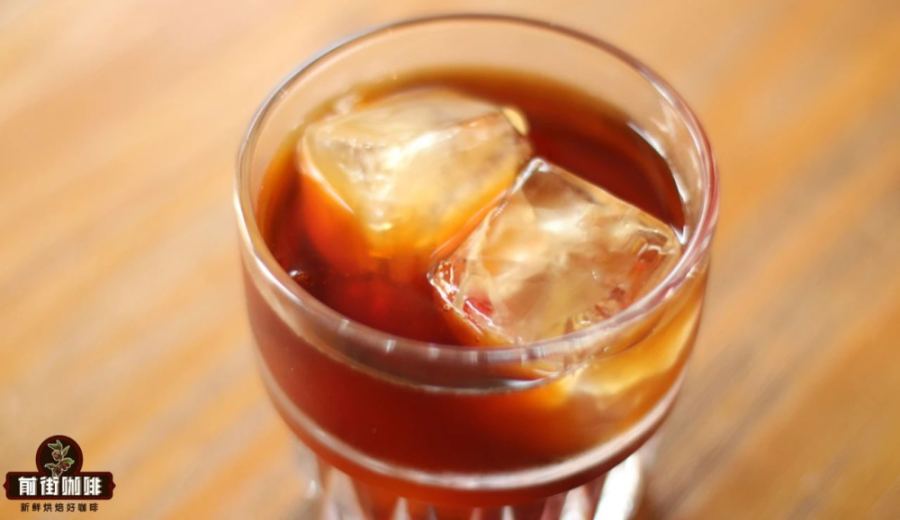
Introduction:On hot summer days, cold drip coffee is the perfect choice for many to enjoy a refreshing flavor. This article delves into the brewing principles of cold drip coffee, the ideal roast level for coffee beans, key factors such as grind size and coffee-to-water ratio, and shares how to achieve cleaner, brighter floral and fruity aromas and acidity through proper drip rate and steeping time. Whether you're trying it for the first time or looking to refine your technique, you'll find practical advice here.
When the heat hits, a cup of cold drip coffee with a refreshing mouthfeel and bright flavors is undoubtedly an excellent way to enjoy coffee time. This article will guide you through the entire cold drip coffee brewing process—from equipment selection and extraction principles to adjusting grind size and coffee-to-water ratio—breaking down each key element step by step to help you easily brew layered cold drip coffee at home.
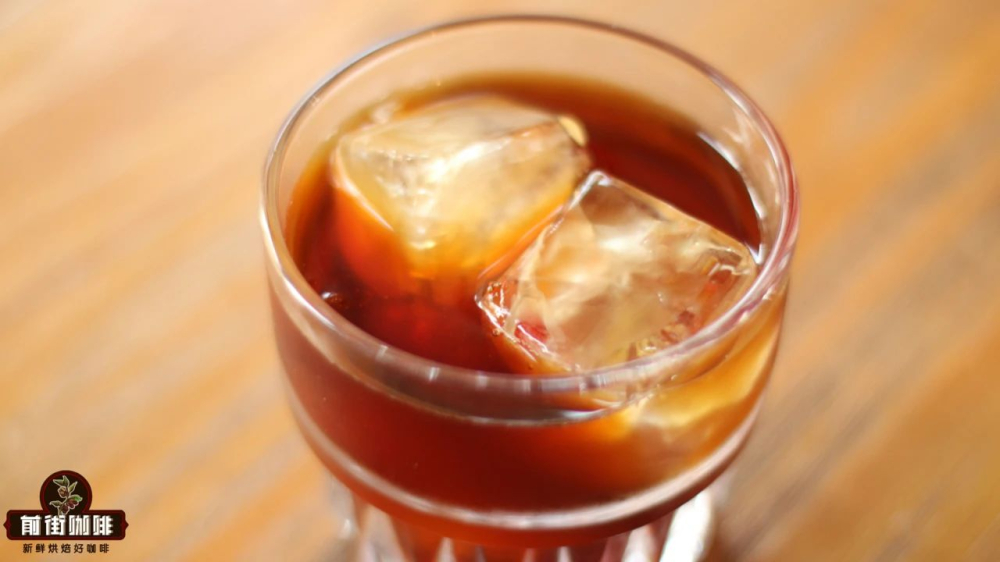
The reason cold drip coffee is especially popular in summer lies not only in the cool sensation brought by low-temperature brewing but also in its ability to showcase the delicate fruit acids and floral notes of coffee through prolonged, slow extraction. Especially when paired with medium to light roasted beans, its fresh and bright characteristics are further highlighted. This article will also explain why medium to light roasts are more suitable for cold drip and recommend bean varieties with citrus and floral notes to help you better understand how to choose the right coffee beans.
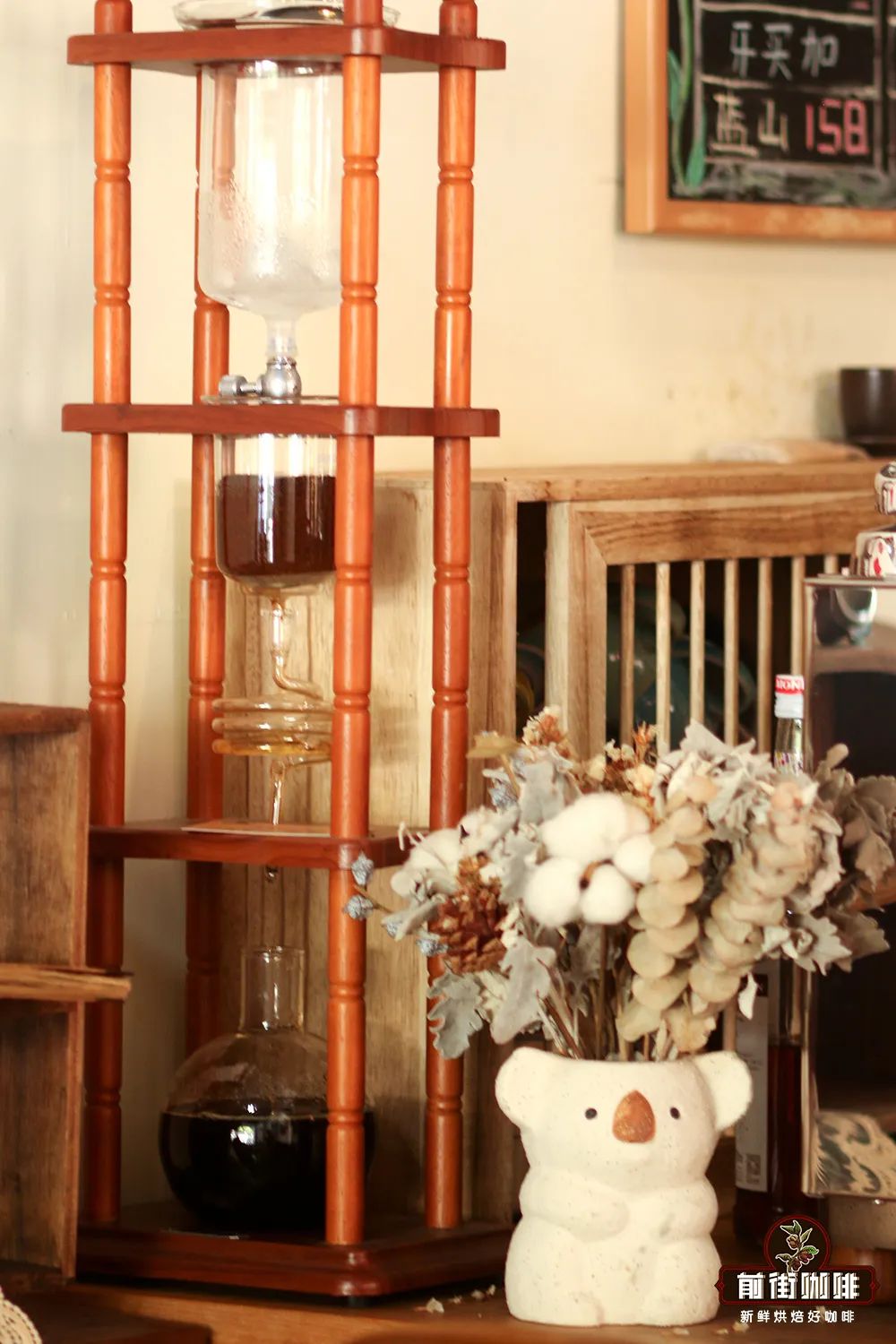
The cold drip tower is one of the common cold drip devices. Although its structure may seem complex, it mainly consists of an upper chamber, lower chamber, filter holder, regulating valve, serpentine tube, and stand. Cold drip towers on the market vary widely in price, ranging from a few hundred to several thousand yuan, allowing consumers to choose based on their budget and needs. For those with limited space, more compact home-use cold drip pots are also available, which operate on similar principles and are usually more affordable.
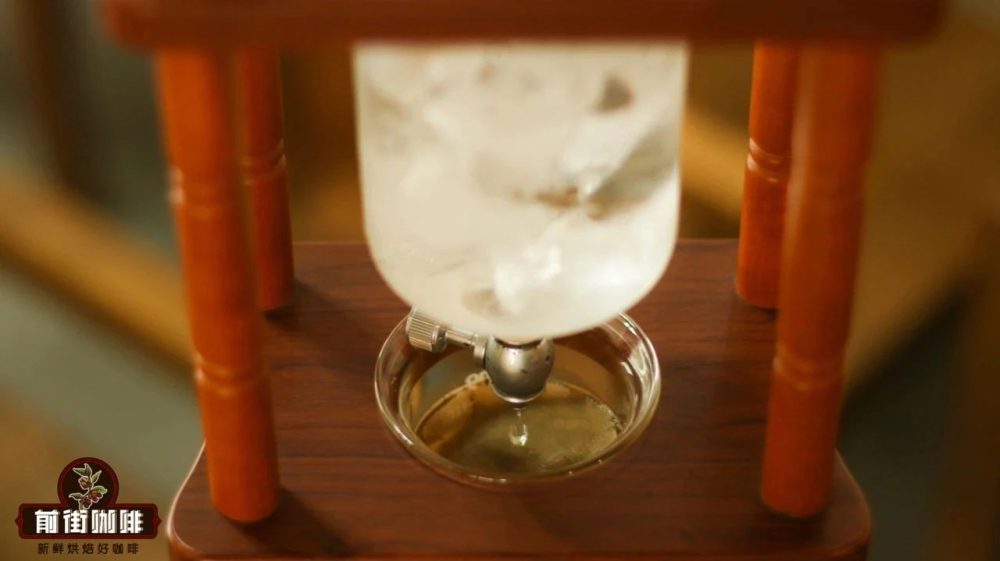
In practice, start by placing a filter paper in the filter holder, then add an appropriate amount of medium-coarse ground coffee, typically around 60 grams, and cover it with another layer of filter paper to prevent fine particles from dripping through. Next, pour a mixture of ice and water into the upper chamber, and control the drip rate via the regulating valve—ideally set to about 7 drops per 10 seconds—to ensure a stable extraction rhythm. The coffee liquid will slowly drip through the serpentine tube into the lower chamber, with the entire process usually taking 5 to 8 hours, depending on ambient temperature and drip rate.
After extraction, it’s recommended to transfer the coffee liquid into a sealed container and let it sit in the refrigerator for 12 to 24 hours. This helps further integrate and mature the flavors, resulting in a smoother and more rounded taste. It’s important to note that cold drip coffee should not be consumed immediately—the resting stage allows the flavors to balance out, which is especially crucial for those seeking a delicate mouthfeel.
Regarding grind size, it’s advised to go slightly coarser than standard pour over, for example, setting an EK43S grinder to around 10. This is because cold drip coffee involves prolonged immersion extraction, and an overly fine grind can lead to over-extraction, releasing excessive bitter substances that disrupt the overall flavor balance. An appropriately coarse grind ensures sufficient contact between coffee grounds and water without becoming overly sharp due to excessive extraction.
As for coffee-to-water ratio, a common practice is to use a baseline of 1:10 to 1:15, adjusted according to personal taste. For instance, filling the upper chamber with a mixture of ice and water (roughly at a 1:1 ratio) provides stable extraction pressure and flow rate, which also benefits the overall flavor expression. It’s recommended to fine-tune the ratio based on the characteristics of the beans used to find the balance that best suits your taste.
Why are medium to light roasted beans more suitable for cold drip? Primarily because they retain more of their inherent flavors and acidity, which can be clearly expressed through slow extraction—showcasing bright floral notes, citrus tones, and fruity aromas. Compared to the bold and heavy profile of dark roasted beans, medium to light roasts better align with the refreshing and layered characteristics that cold drip coffee pursues.
Take Ethiopia’s Yirgacheffe, for example. This coffee from the Guji Dingding region is known for its pronounced citrus aroma and white floral notes, offering a clean taste with natural sweetness and a subtle tea-like finish. It’s a top choice for many cold drip enthusiasts. The Guji Dingding area preserves traditional washed and natural processing methods, giving the coffee more layered and regional characteristics—perfect for cold drip extraction to fully showcase its delicate flavor profile.
In summary, making a high-quality cup of cold drip coffee hinges on selecting the right bean variety, mastering grind size and coffee-to-water ratio, and ensuring a stable drip rate along with appropriate steeping time to allow the coffee’s flavors to fully unfold. Whether you’re just starting out or already have some experience, mastering these key points will let you enjoy a professional-grade cold drip coffee experience at home.
The above content is compiled by CoffeeHunters, a coffee news website.


