







Introduction:Cold drip coffee, with its low-temperature slow extraction method, delivers a rich yet smooth flavor, making it a new favorite among many coffee enthusiasts. But how do you choose the right coffee beans? How should you set the coffee-to-water ratio? And how long is the ideal extraction time? This article explains the historical background, equipment structure, and brewing parameters of cold drip coffee, and recommends suitable beans based on different flavor profiles—including options with fermented notes, refreshing taste, and rich sweetness—to help you easily brew stunning cold drip coffee at home.
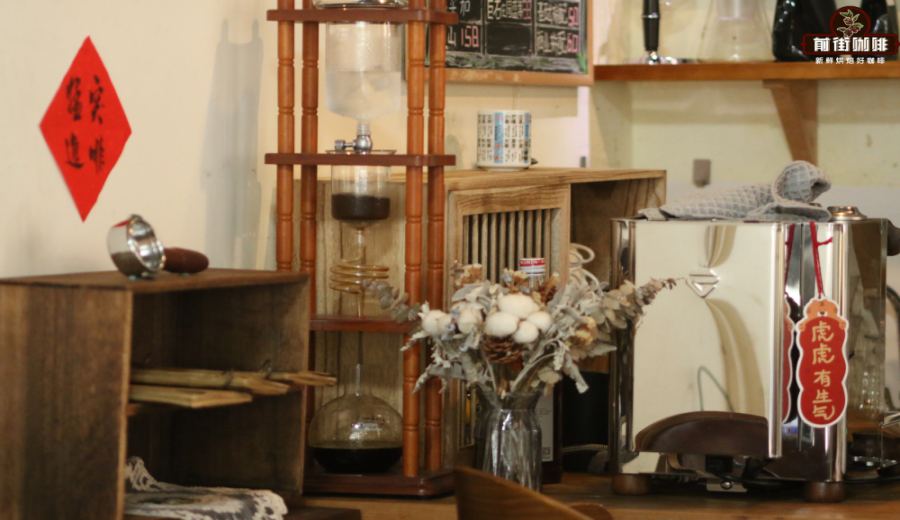
Many customers who walk into coffee shops are often drawn to the slowly dripping ice water in a cold drip maker, watching as the droplets penetrate the coffee grounds. The whole process is incredibly soothing. This is one of the charms of cold drip coffee. Compared to other brewing methods, cold drip coffee requires six to eight hours of slow extraction, so each batch yields a limited amount and is often in high demand.
So, what exactly is cold drip coffee? Simply put, it involves letting ice water drip steadily onto coffee grounds at a stable rate, slowly extracting the aroma and flavors of the coffee under normal atmospheric pressure. The low water temperature helps reduce the release of bitter substances, and the slow extraction results in a coffee liquid that is rich without being overly bitter. If you use coffee beans with distinctive flavors, it can further amplify their fruity acidity and fermentation notes—perfect for enjoying with ice, especially in hot summer weather.
When talking about cold drip coffee, it’s often confused with cold brew coffee (Cold brew coffee) and Dutch coffee (Dutch Coffee). In fact, these names all stem from similar cold water extraction principles. Tracing back to its origins, in the early 18th century, the Dutch transported coffee beans from their colonies in Indonesia back to Europe. During the journey, due to a lack of hot water and brewing conditions, they soaked the coffee grounds in cold water for several hours and unexpectedly discovered that this coffee was not only sweet but also free of bitterness. This method spread along with the fleets, and later, through Japanese refinement, gradually evolved into the cold drip coffee we are familiar with today.
Dutch coffee generally refers to all methods of soaking coffee grounds in cold water, while cold drip coffee is a refined version of this using a dripping method and is considered a type of Dutch coffee. Another common low-temperature extraction method—cold brew coffee—involves steeping coffee grounds and cold water together for twelve to twenty-four hours before filtering, also falling under the broader family of Dutch coffee.
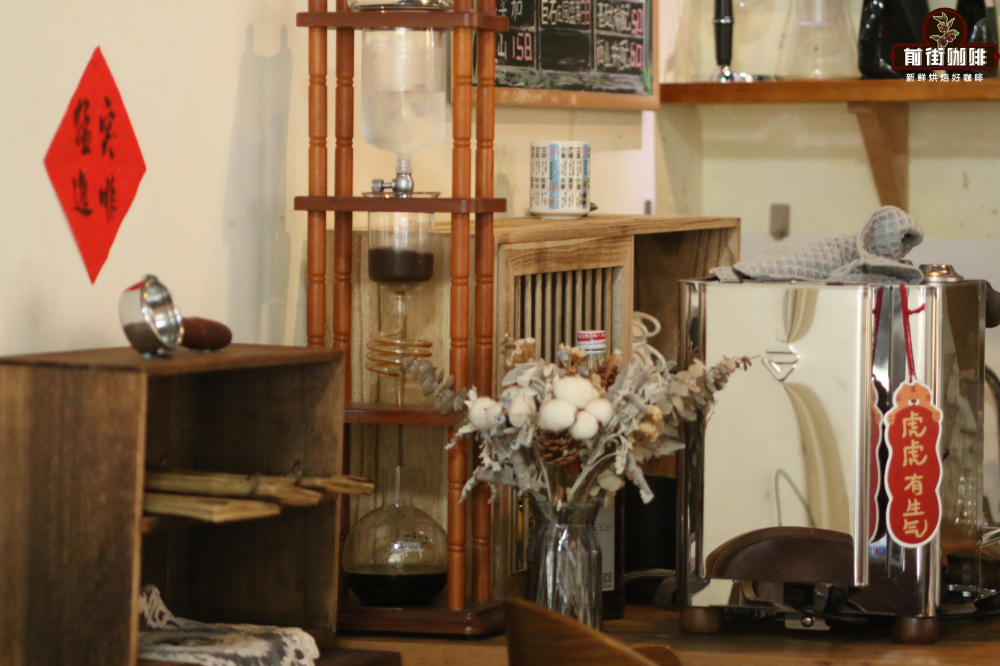
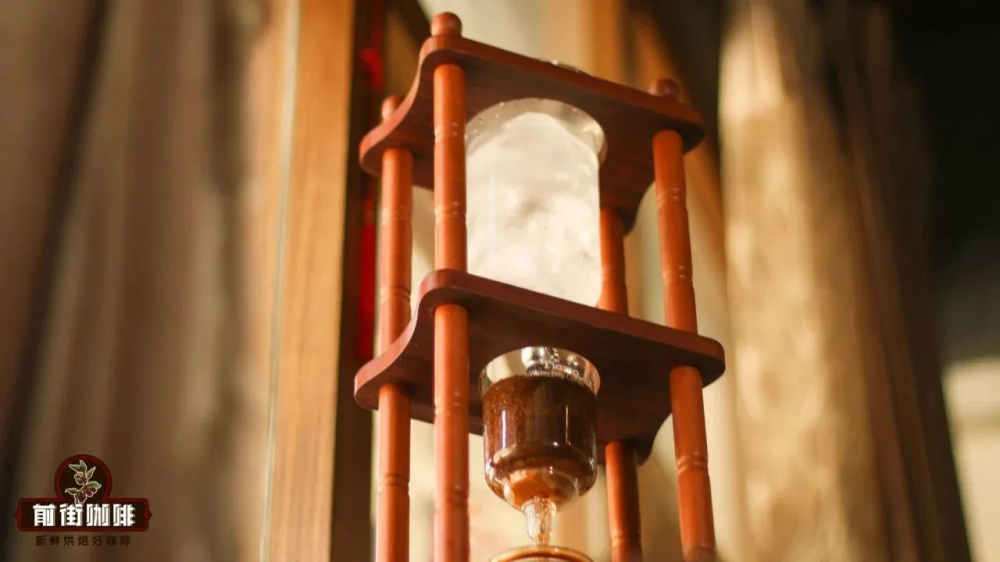
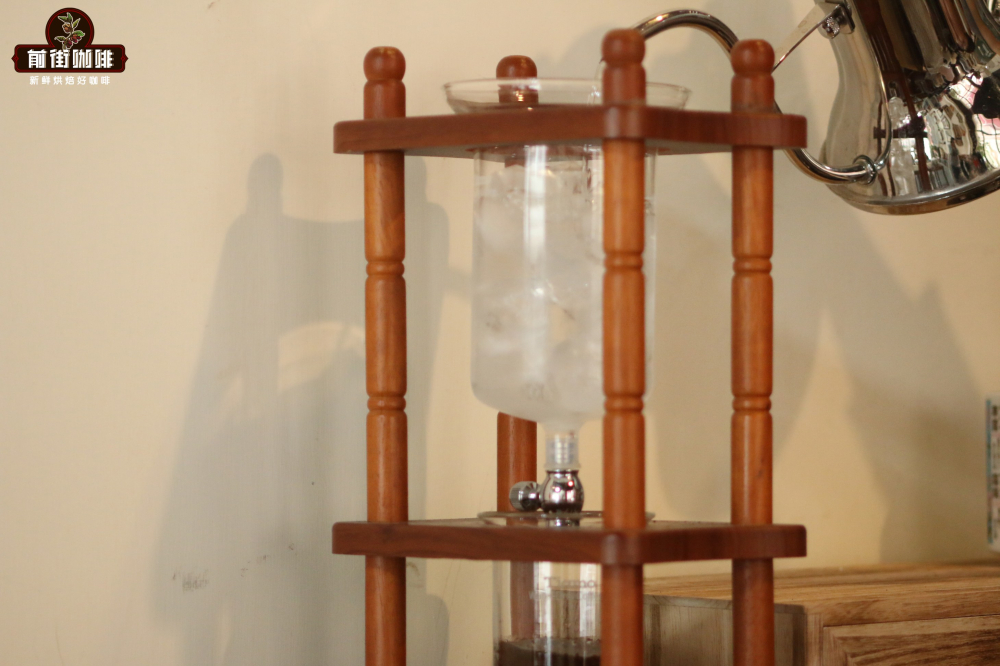
Although cold drip coffee equipment comes in various styles, most follow the basic three-tiered structure and can be divided into four main components: the top chamber, the valve, the coffee chamber, and the bottom chamber. The top chamber holds the ice water mixture, and a valve that can adjust the flow rate controls the speed of the dripping, allowing the ice water to evenly fall onto the coffee grounds in the middle chamber. The middle chamber is usually made of glass, with a filter hole at the bottom that allows the extracted coffee liquid to drip into the bottom chamber below.
Take a popular Costa Rican Mozart coffee as an example. This bean uses a raisin anaerobic honey process and features flavors of rich raisins, osmanthus, and fruity fermentation notes. After cold drip extraction, the fermentation character becomes even more pronounced, making it highly suitable for summer drinking.
In terms of grind size, since the low-temperature environment affects extraction efficiency, it’s recommended to grind the coffee slightly finer to improve extraction yield. For this bean, use a Chinese Standard No. 20 sieve with an 85% extraction rate, which corresponds to a setting of 9 on the EK-43s grinder. The generally recommended coffee-to-water ratio is 1:10, meaning 60 grams of coffee grounds are used to extract 600 grams of coffee liquid. The ice-to-water ratio is suggested to be 1:1, with the valve flow rate controlled at 7 drips per 10 seconds, for an overall extraction time of about six to eight hours (the coffee-to-water ratio can also be adjusted to 1:12 based on personal taste).
During operation, first place a round filter paper at the bottom of the middle chamber and wet it with water to secure it. Then evenly spread the coffee grounds on top, followed by covering it with another filter paper to prevent the coffee layer from being disturbed by the dripping water. Before brewing, it is recommended to moisten the coffee grounds with cold water first, which helps with even extraction and shortens the initial waiting time. Once the coffee chamber is fixed, pour in a mixture of half ice and half water, adjust the valve to stabilize the flow rate at 7 drips per 10 seconds, and ensure that the dripping point aligns with the coffee liquid outlet. After extraction, pour the coffee liquid into a sealable container. It is recommended to refrigerate and ferment for at least 12 hours—the flavor will be even better if consumed the next day.
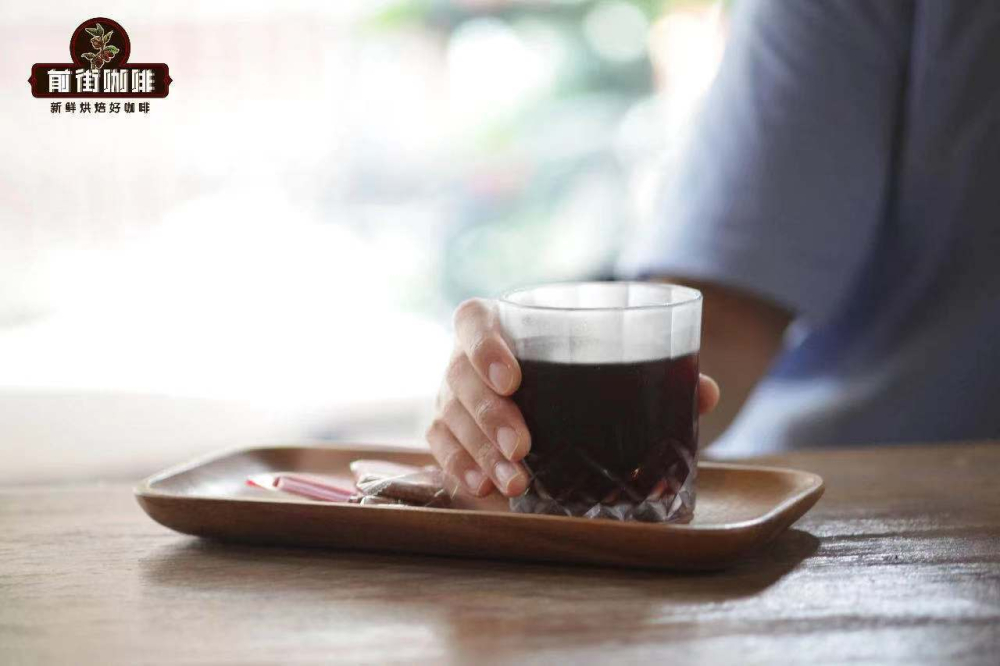
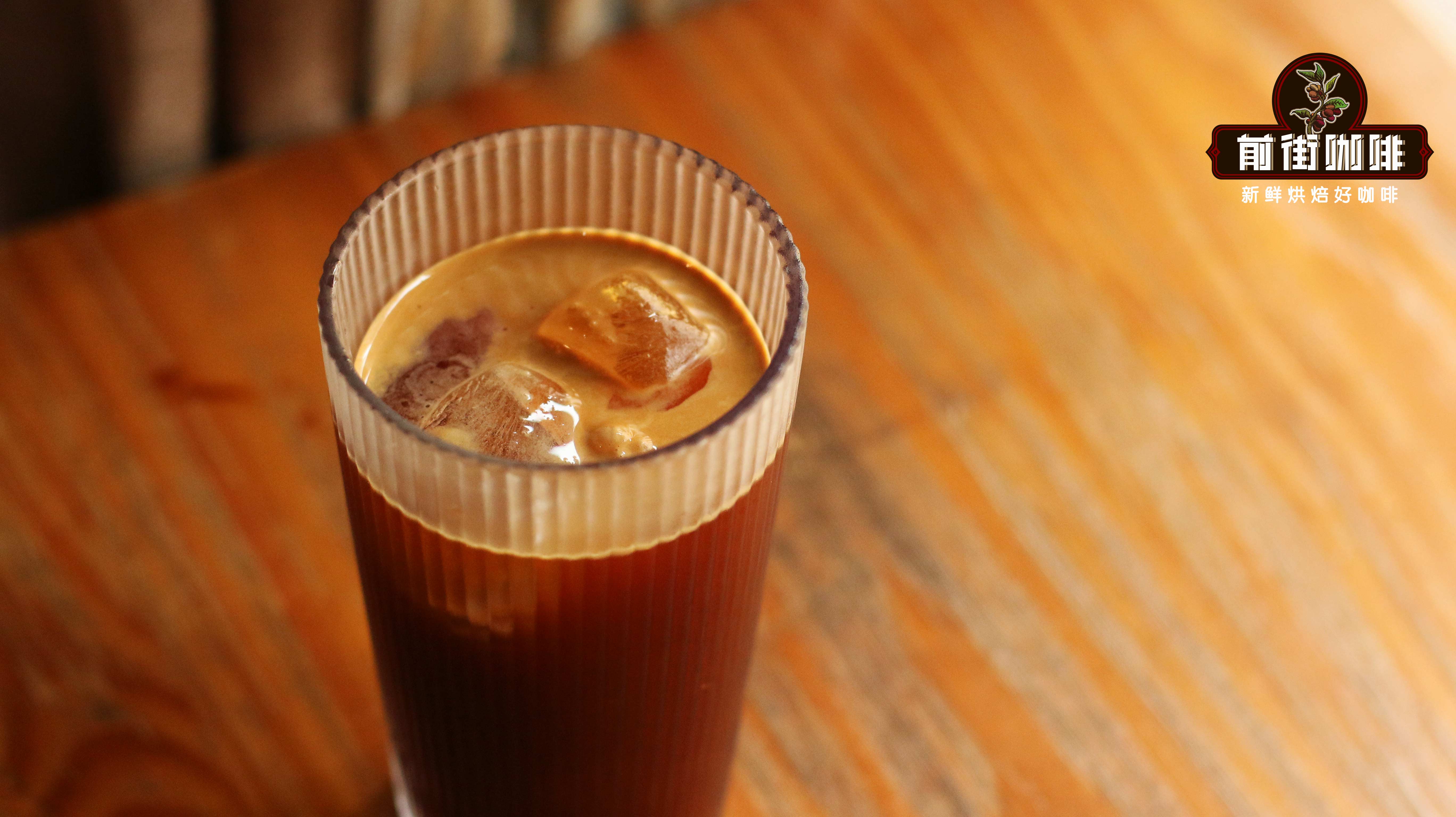
After refrigeration, this Mozart cold drip coffee will showcase a wine-like fermentation character, accompanied by the tartness and sweetness of berries and pineapple. It’s rich yet not bitter, and when served with ice, it has a refreshing fruit wine-like mouthfeel.
The selection of beans for cold drip coffee is diverse, and can mainly be divided into the following categories based on flavor characteristics:
1. Fermented, wine-like, and tropical fruit types
Represented by Mozart, these beans often carry deep berry, osmanthus, and fermented aromas. The wine-like character and fruitiness become even more prominent after cold drip extraction. Similar types include Sidamo, Strawberry Candy, and Dabutou, suitable for those who enjoy strong fermented flavors.
2. Refreshing and clean types
Washed-process coffee beans often exhibit clean acidity and transparent fruit aromas, such as Kenya’s small tomatoes, Flower Butterfly, and Fruit Ding Ding. When brewed as cold drip, they offer a fresh taste akin to cherry tomatoes and grapefruit, making them very suitable for summer drinking.
3. Sweet and rich types
Although dark roasted beans are often thought to be unsuitable for cold drip, this isn’t necessarily the case. For example, Indonesia’s Golden Mandheling, after cold drip processing, can reveal rich chocolate and fermented aromas, with a smooth texture and no bitterness. If you prefer a softer flavor, the Queen Estate’s cold drip coffee also exhibits nutty and creamy notes, perfect for enjoying diluted with ice.
4. Blended flavor types
Cold drip coffee is also suitable for blending different beans. By combining single-origin beans with various flavor profiles, you can create a richer layered taste. When selecting blends, you can flexibly adjust according to your personal taste preferences, and pay attention to the roast freshness of the beans—it’s recommended to choose beans roasted within five days for the best flavor expression.
In summary, the charm of cold drip coffee lies in the delicate flavors and diversity revealed during its low-temperature slow extraction process. As long as you master key elements such as bean selection, coffee-to-water ratio, and extraction time, even beginners can easily make a surprising cup of cold drip coffee at home.
The above content is compiled by CoffeeHunters, a coffee news website.


