







Introduction:Jamaican Blue Mountain coffee is hailed as one of the world’s top-tier coffees, yet the market is flooded with various “Blue Mountain-flavored” products that make it hard to distinguish the real from the fake. This article delves into the growing region, variety characteristics, grading system, and processing techniques of authentic Blue Mountain coffee. It also guides you on how to identify the genuine product through appearance, aroma, and flavor. Additionally, it provides detailed pour-over parameters and flavor descriptions to help you truly experience the legendary charm of this coffee.
Blue Mountain coffee is known for having the most balanced and mellow flavor in the world, but the opportunity to actually taste authentic Jamaican Blue Mountain coffee is rare. Many products on the market that claim to have a “Blue Mountain flavor” are actually not related to genuine Jamaican Blue Mountain at all. So, what is real Blue Mountain coffee? What makes its flavor unique? And how can you tell the real from the fake? This article will comprehensively analyze everything from regional conditions, varietal background, grading standards, to processing method evolution, and offer practical tips for authentication and pour-over brewing.
Even if you’re not a coffee expert, many have heard of Blue Mountain coffee. However, is this one of the most expensive coffees in the world really as rare and unattainable as the rumors suggest? In fact, due to rising demand in the Chinese market, in recent years more and more officially imported Jamaican Blue Mountain coffee has entered the market, and not all of it is fake. As long as you understand the basic identification methods, consumers can still purchase officially certified Blue Mountain coffee from Jamaica.
Introduction to the Officially Certified Jamaican Blue Mountain No. 1 Growing Region
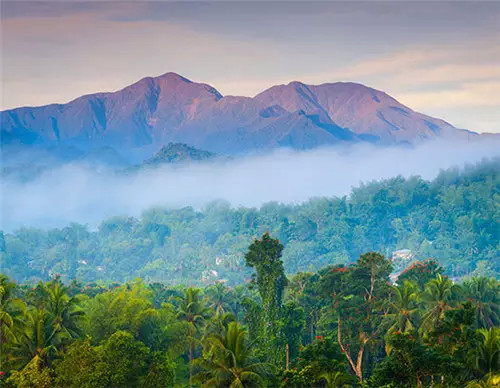
The officially certified Jamaican Blue Mountain coffee growing region covers four main administrative districts: St. Andrew, St. Thomas, St. Mary, and Portland. These areas are located in the Blue Mountains, in the northeastern part of the island of Jamaica, and are among the most renowned coffee-growing regions in the world. The name "Blue Mountain" comes from its spectacular natural landscape: when sunlight shines over the blue Caribbean Sea, the mountaintops reflect a dreamlike blue halo, hence the name “Blue Mountain.”
The highest peak of the Blue Mountains reaches an altitude of 2256 meters, making it the highest point in the entire Caribbean region. This area is not only scenically beautiful but also offers an ideal environment for coffee cultivation. The coffee-growing areas are located in mountainous regions above 666 meters above sea level, with year-round humid climate, an average annual rainfall of about 1980 mm, small day-night temperature differences, and an average temperature maintained around 27°C. Coupled with fertile volcanic soil and a perpetually misty environment, these factors contribute to the unique flavor characteristics of Blue Mountain coffee.
Blue Mountain Coffee Variety: The Commitment to Typica
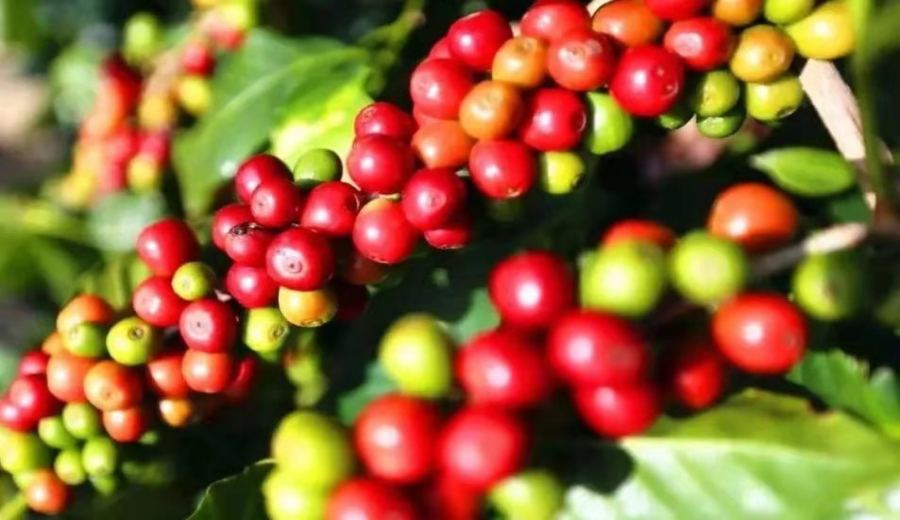
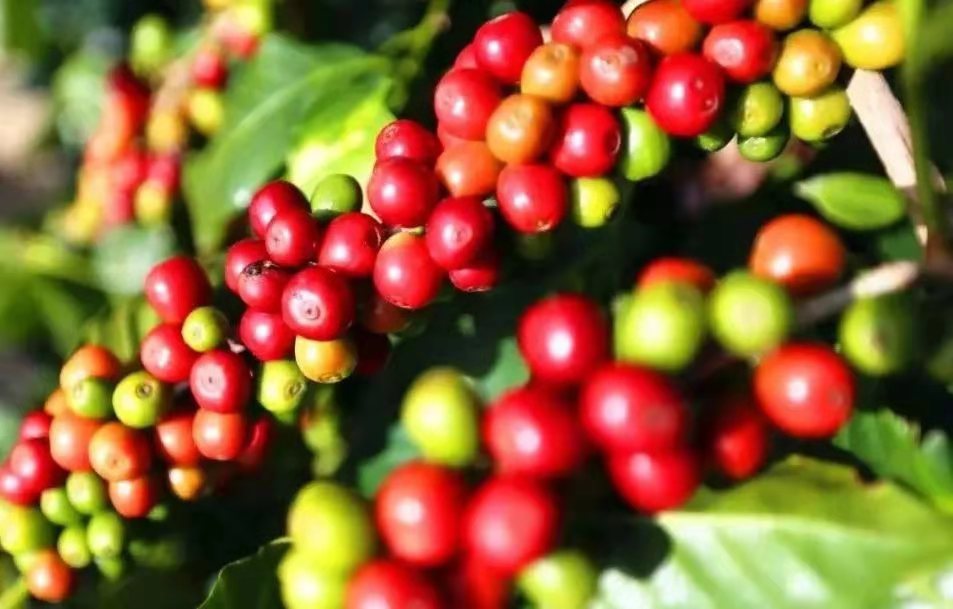
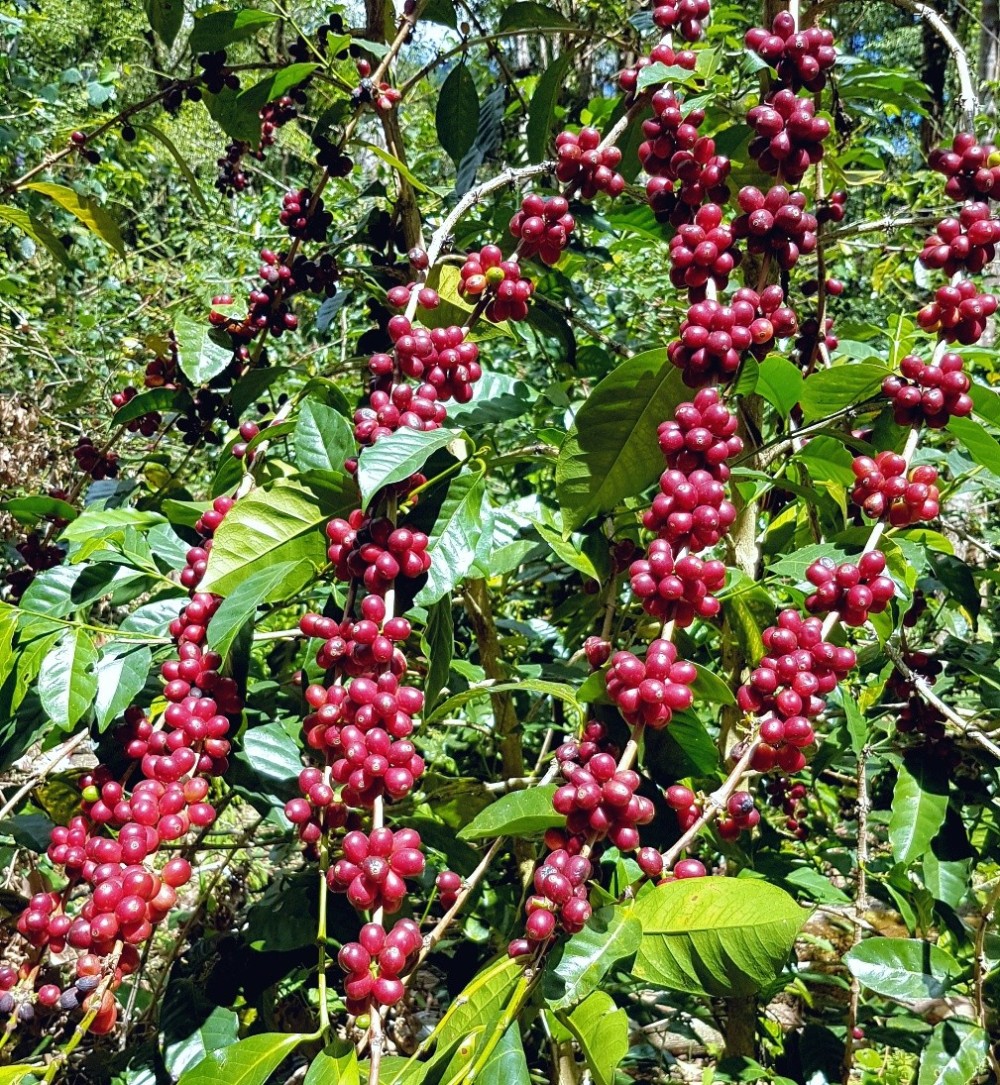
The variety used in Jamaican Blue Mountain coffee is Typica. The leaves of Typica coffee trees have a copper-red tip, which is why it is also called “red-tipped coffee.” The trees of this variety are tall, with branches leaning at about 50 to 70 degrees, producing low yields but offering an elegant and delicate flavor. Typica coffee cherries are bright red in color and cherry-like in shape, serving as the foundational variety for many traditional specialty coffees. However, due to its weak disease resistance and low yield, Blue Mountain coffee becomes even more precious.
Blue Mountain Coffee Grading System: Altitude Determines Quality
The grading of Blue Mountain coffee is based on the altitude of cultivation. According to the standards of the Jamaica Coffee Industry Board (CIB), only coffee grown at altitudes above 666 meters qualifies as “Jamaican Blue Mountain Coffee.” Ranked from highest to lowest quality, it is divided into four grades: NO.1, NO.2, NO.3, and PB (peaberry). Among them, NO.1 is the highest grade, produced in high-altitude areas ranging from 2000 to 2256 meters, with large beans, balanced flavor, and is globally recognized as top-tier coffee.
Coffee produced at altitudes below 666 meters is classified as “Jamaican High Mountain Coffee.” Though slightly inferior to Blue Mountain, it still offers considerable quality and is an ideal choice for consumers wanting to experience a Blue Mountain-like flavor on a budget. As for coffee grown at other altitudes or regions, it can only be called general “Jamaican Coffee,” and is unrelated to Blue Mountain.
Processing Method Evolution: Washed and Natural Coexist
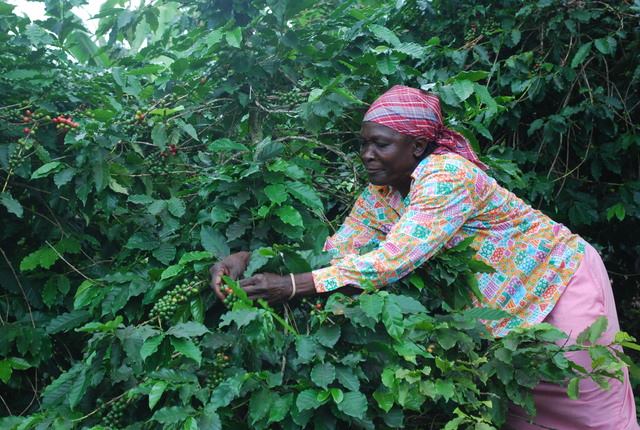
Traditionally, Blue Mountain coffee only uses refined washed processing. This method involves fermenting to remove the pulp and mucilage, then repeatedly washing with clean water to ensure the beans are clean and free of impurities. Washed beans usually have clear flavors, bright acidity, and a refreshing, layered mouthfeel. However, in recent years, the Clifton Estate has also introduced a natural (sun-dried) processed version of Blue Mountain coffee, bringing richer berry and fermented aromas, more pronounced acidity, and a clearer sweetness—suitable for consumers who enjoy a fuller flavor profile.
Certification and Packaging: How to Confirm Authenticity
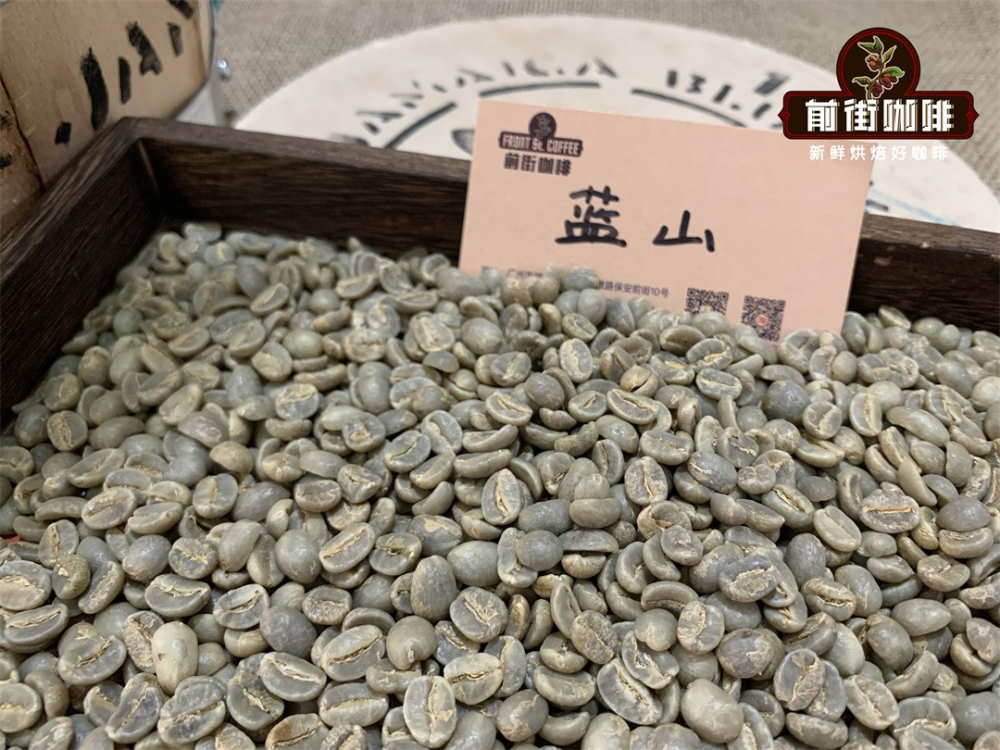
True Jamaican Blue Mountain coffee comes with official certification, including quality certificates, authorized sales certificates, and certificates of origin. In addition, Jamaica is one of the few regions in the world that still uses wooden barrels to package green beans. Each barrel of Blue Mountain coffee is stamped with an official green frog logo, symbolizing compliance with Rainforest Alliance sustainable farming standards. This is also one of the key identifiers of authenticity.
Flavor Characteristics of Blue Mountain Coffee
The flavor of Blue Mountain coffee is hailed as the “gold standard of the coffee world,” achieving an ultimate balance of acidity, sweetness, bitterness, body, and aroma. Common flavor profiles include dark chocolate, nuts, cream, berries, and subtle fermented notes. Whether brewed using pour over or siphon, it showcases its delicate and profound layers.
Practical Brewing Suggestions and Parameters
Since Blue Mountain coffee is usually roasted to a medium-dark or darker level, to avoid over-extraction, it is recommended to use a lower water temperature (around 88°C) and a slower-flow filter, such as the Kono dripper. Recommended parameters are: 15 grams of coffee grounds, a 1:15 coffee-to-water ratio, and a grind size of 75% passing through a #20 sieve, which can fully bring out its flavor layers.
Flavor Description
Sun-dried Blue Mountain Coffee:Features mild berry acidity, such as dark plum and mulberry, paired with rich dark chocolate and nutty tones, with a slightly fermented finish.
Washed Blue Mountain Coffee:Offers a balanced flavor, with prominent black chocolate and nutty aromas, a creamy smooth mouthfeel, and well-harmonized acidity, sweetness, and bitterness.
It is recommended to use freshly roasted coffee beans (ideally within 5 days post-roast) when brewing, and let the beans rest for 4–7 days after opening to reach their optimal flavor period. If purchasing coffee powder, it is advised to consume it as soon as possible to avoid oxidation affecting the flavor.
The above content is compiled by CoffeeHunters, a coffee news website.


