







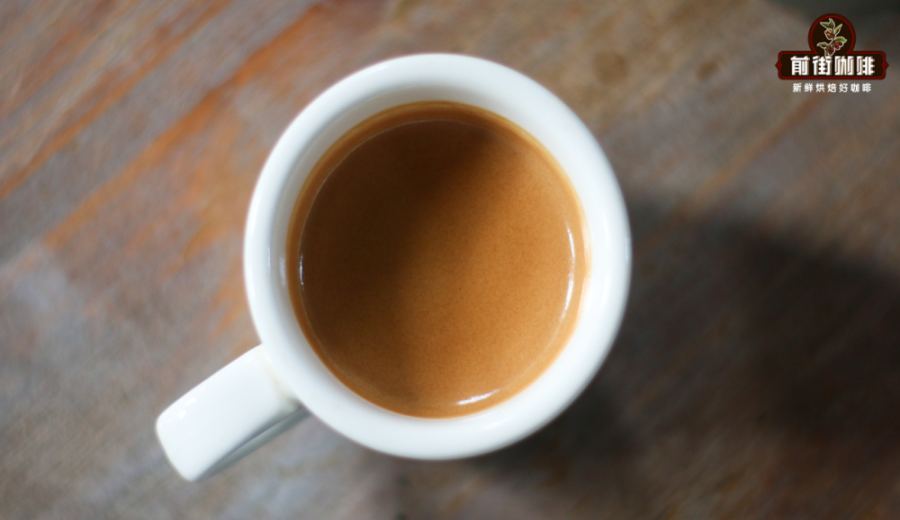
Introduction:Espresso is the soul of many classic coffee beverages. Whether you're a professional barista or a home brewing enthusiast, mastering the correct extraction techniques is essential. This guide delves into key parameters—from dose selection and grind size adjustment to extraction time and yield—helping you understand the logic behind espresso extraction and guiding you step-by-step through a standardized operation process. It also provides practical troubleshooting tips for common extraction flaws, such as over-extraction resulting in bitter, burnt flavors or under-extraction leading to thin taste.
A high-quality espresso is not just the base for lattes and cappuccinos but also the most concentrated expression of coffee flavor. It is rich and full-bodied, representing the ultimate experience for many coffee lovers. However, consistently extracting an espresso that balances acidity, sweetness, bitterness, and boasts a velvety crema is no easy feat. This article starts with the working principles of the espresso machine, takes you deep into the core variables that influence espresso flavor, and breaks down the complete process from dosing, distributing, tamping, to actual extraction.
First, let’s understand the extraction principle of espresso. Compared to the drip method of pour over, an espresso machine forces high-pressure water through an extremely finely ground coffee puck, typically at a pressure of 9 to 10 bar. This high pressure not only accelerates the extraction speed but also extracts the deep aromatic oils from the coffee grounds (the main source of crema) and more complex flavor compounds. As a result, espresso has a rich mouthfeel and heavy body, which are hard to replicate with other brewing methods.
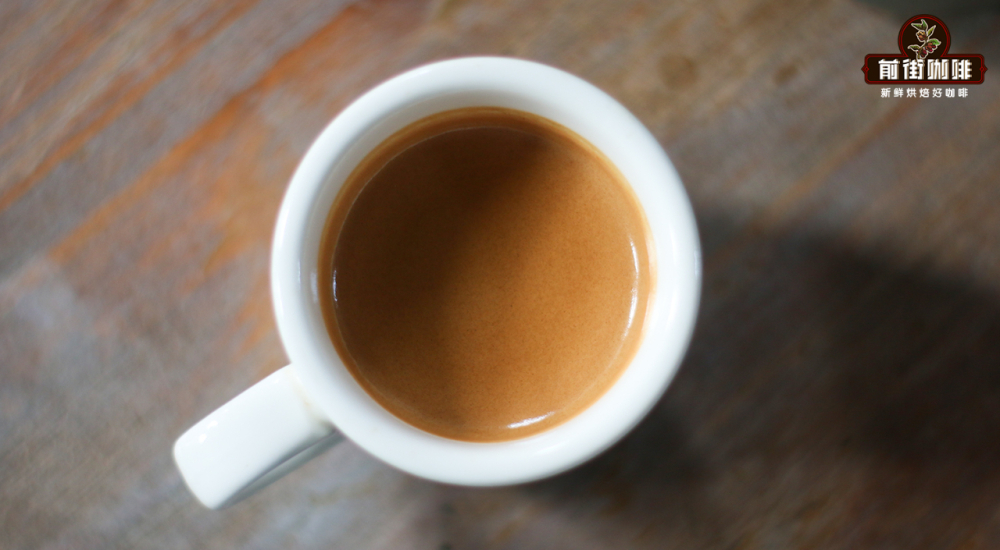
To extract a balanced and layered espresso, it mainly relies on precise control of four key variables: dose, grind size, extraction time, and yield. Among them, the amount of coffee directly affects flow rate and concentration. For a double basket, it is recommended to use about 18 to 20 grams of coffee, which is also the standard starting point for most professional shops and home users. Next is the grind size: the finer the grind, the greater the surface area, allowing water to extract more flavors in a short time, but it can also easily lead to over-extraction, so adjustments may be needed based on the situation. Extraction time is generally controlled between 20 to 35 seconds, with the 28 to 30 second range being the golden zone that balances flavor extraction while avoiding excessive bitterness from over-extraction.
As for yield, a common extraction ratio is 1:2, meaning for every 1 gram of coffee, 2 grams of espresso are extracted. For example, with 20 grams of coffee, the ideal yield is 40 grams. This ratio ensures the espresso has sufficient volume and concentration while maintaining a good flavor structure. However, these values are not absolute; in practice, adjustments should still be made according to the roast level, humidity of the beans, and the machine's condition on the day.
When it comes to coffee bean selection, espresso is very demanding. Because the high-pressure and high-temperature extraction environment amplifies all characteristics of the beans, light-roast single-origin beans may have overly sharp flavors, even masking the coffee’s inherent aromatic layers. Therefore, choosing a carefully blended espresso blend is often a more stable option. Blends combine the strengths of beans from different regions and processing methods, balancing acidity, sweetness, and body, making each shot of espresso more consistent and smooth.
For example, the 'Sunflower Warm Sunshine Blend' consists of 30% Ethiopian sun-dried red cherry beans and 70% Honduran sherry-aged beans. The former brings bright tropical fruit notes and natural fermentation aromas, while the latter provides deep chocolate, vanilla, and creamy finish. This combination results in an espresso that is rounded on the palate with distinct flavor layers, and even when milk is added, the flavors remain prominent—making it highly suitable for crafting various classic coffee beverages.
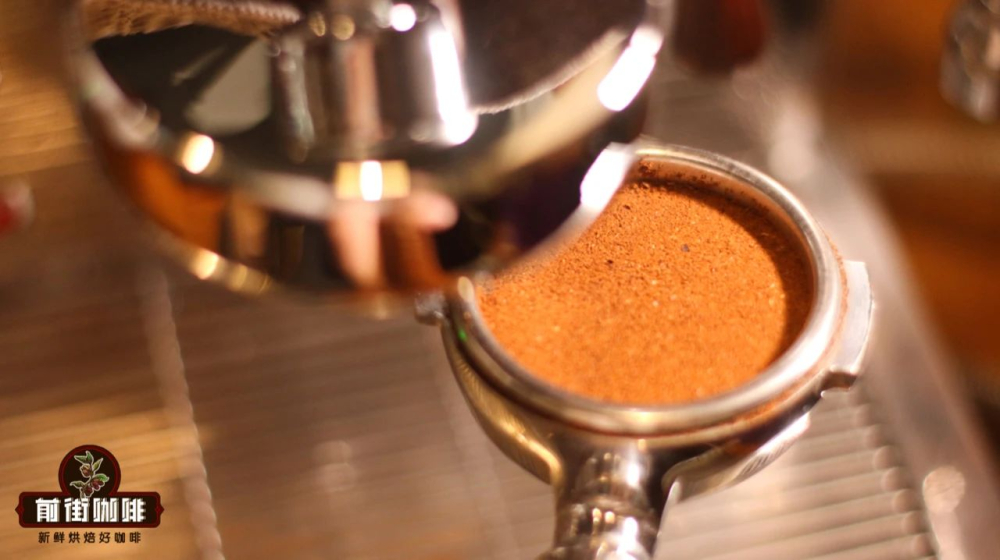
When we’re ready to start extracting, it’s recommended to clean the portafilter basket beforehand to avoid residual old coffee affecting the current extraction flavor. Then use the grinder to grind the required dose, and it’s advised to measure it precisely with an electronic scale to around 20 grams. When distributing the coffee, try to make the coffee bed as even and level as possible, as this affects the stability of water flow afterward. Then use a tamper to apply vertical pressure to compact the coffee grounds. The pressure should be steady and consistent to ensure uniform puck density and avoid channeling.
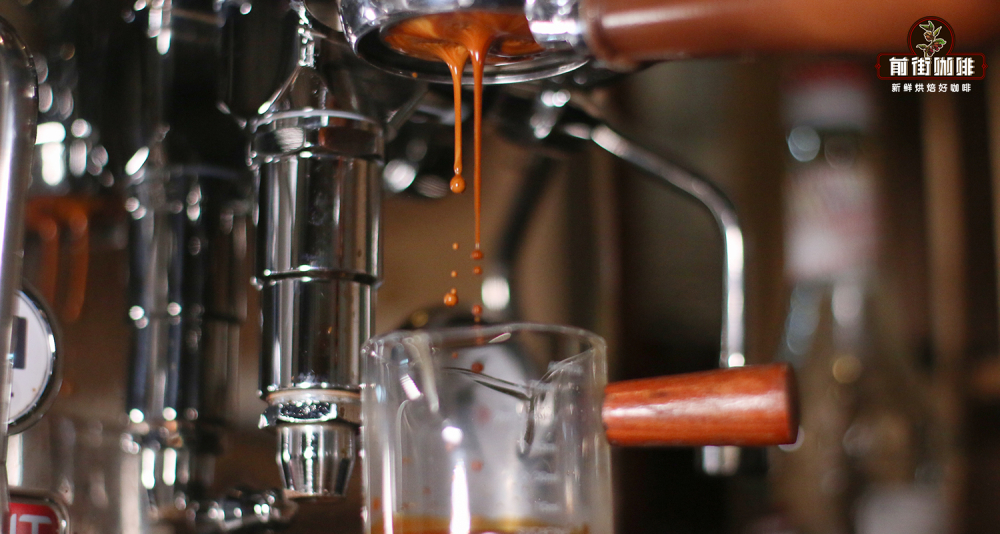
Before starting the actual extraction, you can run water for 1 to 2 seconds to rinse the group head and remove any leftover coffee grounds. Then place the shot glass on the drip tray and tare the scale to accurately monitor the espresso yield. After attaching the portafilter to the group head, start the extraction and observe the flow rate and color changes of the liquid. When the yield approaches 40 grams and the time falls between 28 to 30 seconds, you can stop the extraction. For more precise data, it’s recommended to record the dose, grind setting, time, and yield each time for later analysis and adjustments.
If you find the espresso tastes overly bitter or has noticeable burnt notes, it’s likely due to too fine a grind or extraction time that’s too long. In this case, adjust the grind to be slightly coarser or shorten the extraction time. Conversely, if the coffee tastes too weak or lacks complexity, it could be due to insufficient dose, too coarse a grind, or too fast a flow rate. You can try increasing the dose, adjusting to a finer grind, or checking whether the tamp is firm enough.
Lastly, keep in mind that coffee conditions fluctuate with environmental humidity, room temperature, and bean freshness. Therefore, it’s recommended to adjust parameters based on actual conditions each time, rather than relying entirely on fixed values. Through continuous experimentation and recording, you’ll gain better control over your preferred flavor profile and be able to consistently replicate professional-level espresso at home.
The above content is compiled by CoffeeHunters, a coffee news website.


