







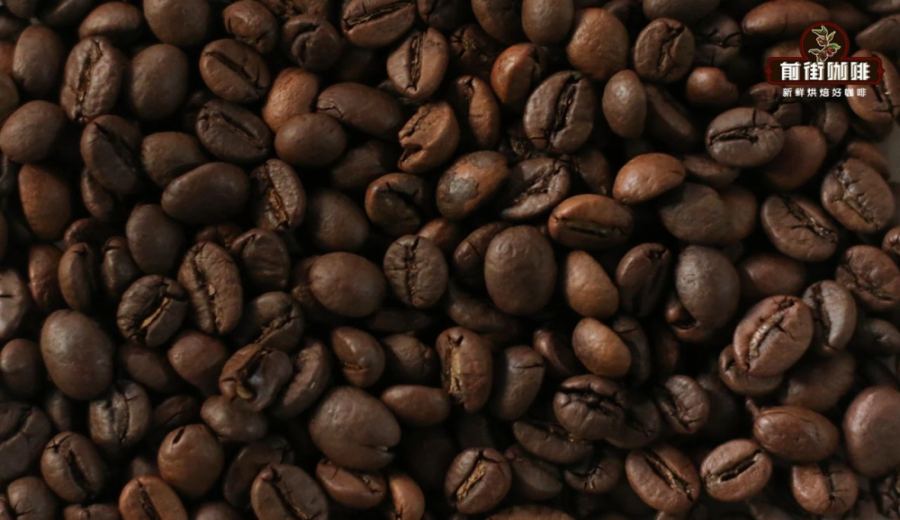
Introduction:Want to know if Robusta is suitable for pour over? This article takes deeply roasted Vietnamese Robusta as an example, detailing the flavor evolution from high temperature to cooling stages, including the initial notes of hazelnut and caramel, as well as the later emergence of rubbery and earthy off-flavors. It also delves into how its high caffeine and chlorogenic acid content contribute to bitterness, and provides practical three-stage extraction parameters and tips to help you explore the potential of this non-mainstream pour over bean more scientifically.
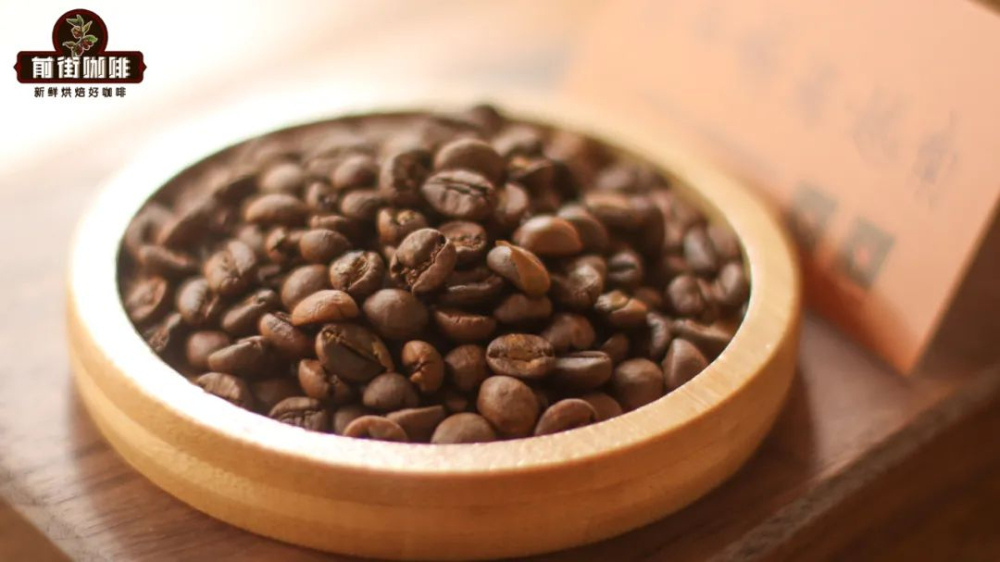
For many beginner coffee enthusiasts, the term "Robusta" might be somewhat unfamiliar, or even carry a stereotype of being "hard to enjoy." However, as the coffee variety with the second highest global market share after Arabica, Robusta actually has a unique personality, especially when deeply roasted, showcasing rich and intense flavor characteristics. Through the actual process of pour over brewing deeply roasted Vietnamese Robusta, this article guides readers through the flavor transitions from high temperature to cooling stages, and explores the scientific reasons behind its bitterness and acidity.
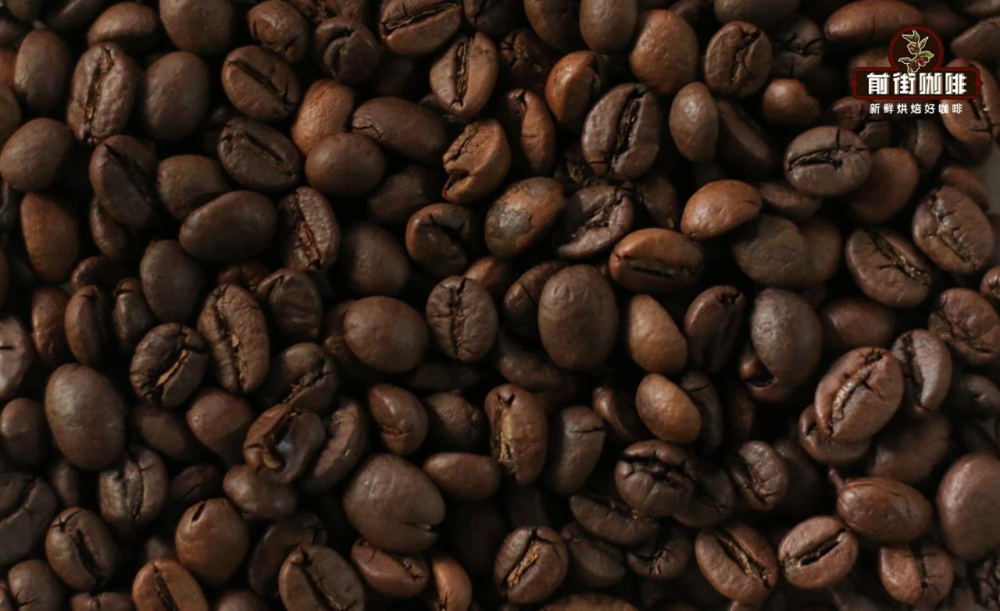
Many beginners often wonder, what exactly is the difference between Robusta and the coffee they drink daily? Why is it rarely seen in pour over shops? In fact, due to its stronger and often harsher flavor profile, Robusta has long been primarily used in espresso blends or instant coffee production. But it also has undeniable advantages, such as its higher oil content which delivers a fuller mouthfeel, plus a price that’s about half that of Arabica, making it an economical choice for the mass market. If you're interested in trying non-mainstream coffee varieties, Robusta is definitely worth experimenting with.
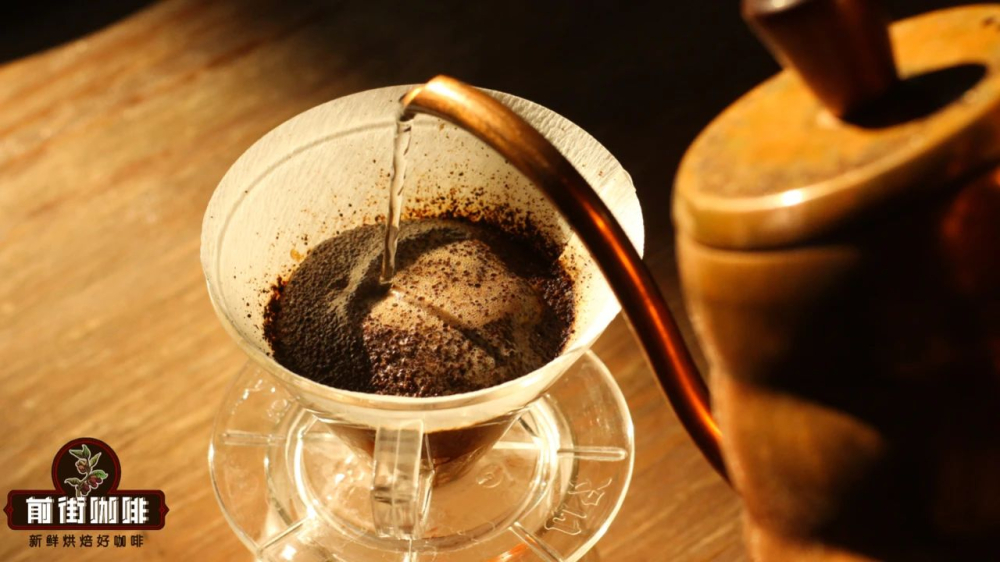
This experiment used deeply roasted Robusta from Vietnam, brewed via pour over with a Kono filter. The coffee dose was set at 15 grams, ground to the 11th notch on the EK43 grinder (approximately 70% passing through a #20 sieve), with a brew ratio of 1:15, water temperature maintained at 88°C, and extraction carried out using the classic three-stage pouring method. The first step involved blooming with 30 milliliters of hot water (twice the coffee dose), letting it sit for 30 seconds, followed by pouring 120 milliliters of hot water in small streams in a wide circular motion; the final stage involved pouring 75 milliliters of water more directly and with slightly more flow, concentrated in the center of the filter, with the entire process focusing on stable flow rate and even saturation.
At high temperatures, this Robusta emits clear notes of hazelnut and caramel, with wet aromas diffusing rapidly, quickly filling the space with a sweet atmosphere. Upon tasting, caramel and grainy tones dominate, accompanied by a hearty mouthfeel similar to barley tea. While the bitterness is quite noticeable, it remains within controllable limits, and the overall experience is surprisingly smooth. However, as the temperature drops, the flavors begin to shift—graininess intensifies, while rubbery and earthy notes gradually emerge, with a distinct bitter and astringent finish. The overall cleanliness of the cup drops noticeably, which is one of the common flavor flaws of Robusta.
This flavor profile is closely related to the chemical composition of Robusta itself. Its caffeine and chlorogenic acid levels are generally higher than those of Arabica, and these two compounds are the main reasons for the enhanced bitterness. Additionally, the commercial-grade Robusta used in this experiment was grown at altitudes below 800 meters. The low elevation environment causes the coffee cherries to grow too quickly, resulting in insufficient nutrient accumulation, which further affects the fineness and complexity of the flavor.
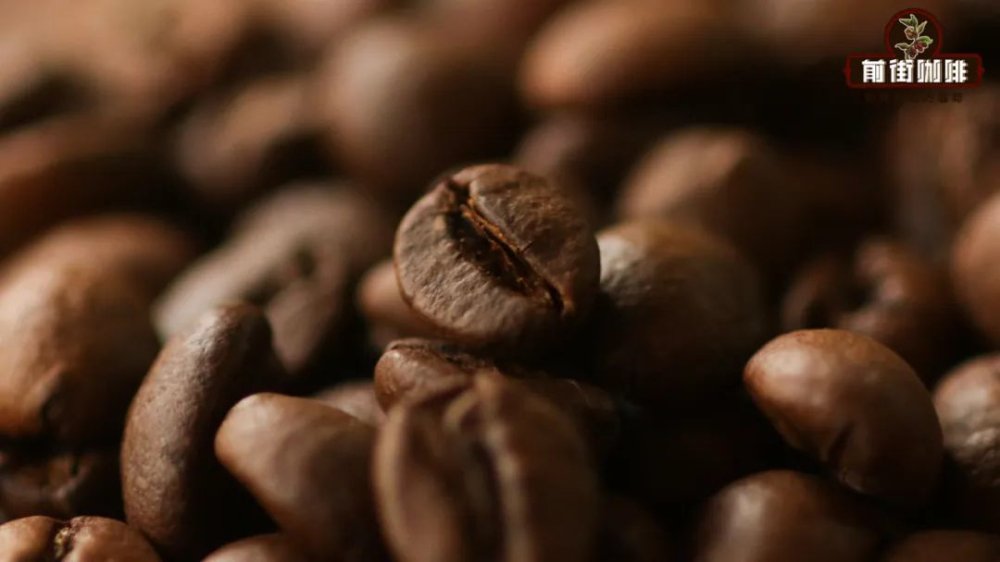
However, Robusta is not entirely devoid of potential for specialty development. In recent years, some producers have begun experimenting with cultivating Robusta using the high standards applied to Arabica, successfully creating "specialty Robusta" with cleaner profiles and less off-flavor. These beans still retain core notes of caramel, grains, and hazelnuts, but offer a more balanced mouthfeel and more refined bitterness control. Unfortunately, due to their limited production, such high-quality Robusta is extremely rare on the market, making it difficult for everyday consumers to taste.
In summary, although Robusta is niche in the pour over scene, it holds unique challenges and rewards. By adjusting grind size, water temperature, and pouring techniques, its flavor performance can be optimized to a certain extent. If you’re interested in exploring the limits of different coffee varieties, why not start with this deeply roasted Vietnamese Robusta, personally experiencing its flavor journey from high temperature to cooling, and further understanding the science behind coffee flavors.
The above content is compiled by CoffeeHunters, a coffee news website.


