







Introduction:If your pour over coffee doesn’t taste quite right, it’s often not an issue with the beans or water temperature — it’s usually the grind size that’s off. Grind size affects extraction yield and brew strength, yet it’s something you can’t accurately judge with the naked eye. This article teaches you three practical methods: using a #20 sieve to measure extraction rate, observing brew flow rate and extraction time, and adjusting based on flavor feedback. These will help you find the optimal grind setting and improve your home brewing quality.
Many coffee enthusiasts find that their home-brewed pour overs just don’t taste as smooth as those from cafés. More often than not, the issue lies in incorrect grind size. Among the four key variables in pour over brewing — grind size, coffee-to-water ratio, water temperature, and brew time — grind size is the only one you can’t directly observe, making it the most challenging to master. When all other factors remain consistent but you still can’t achieve the desired taste, it’s time to start by adjusting the grind.
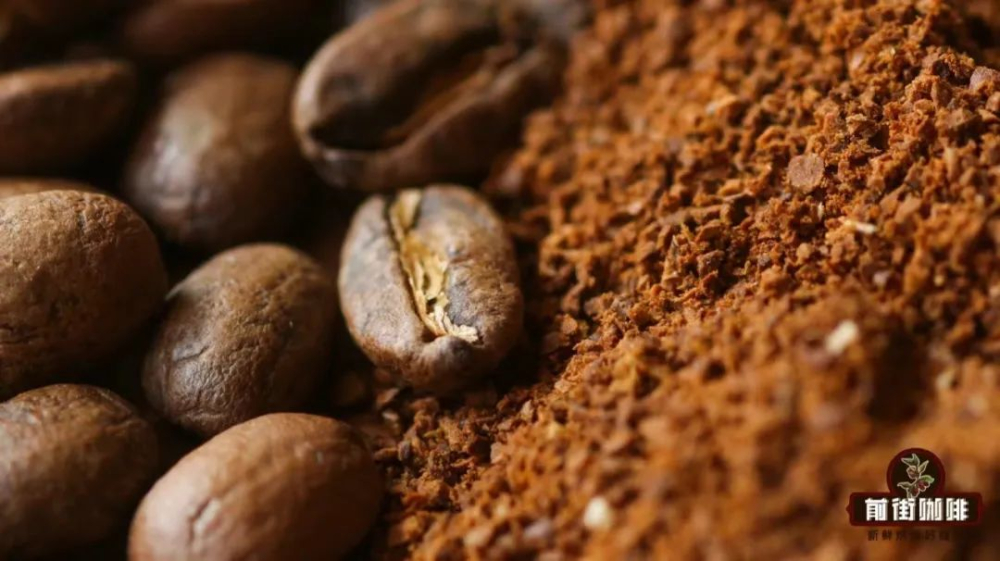
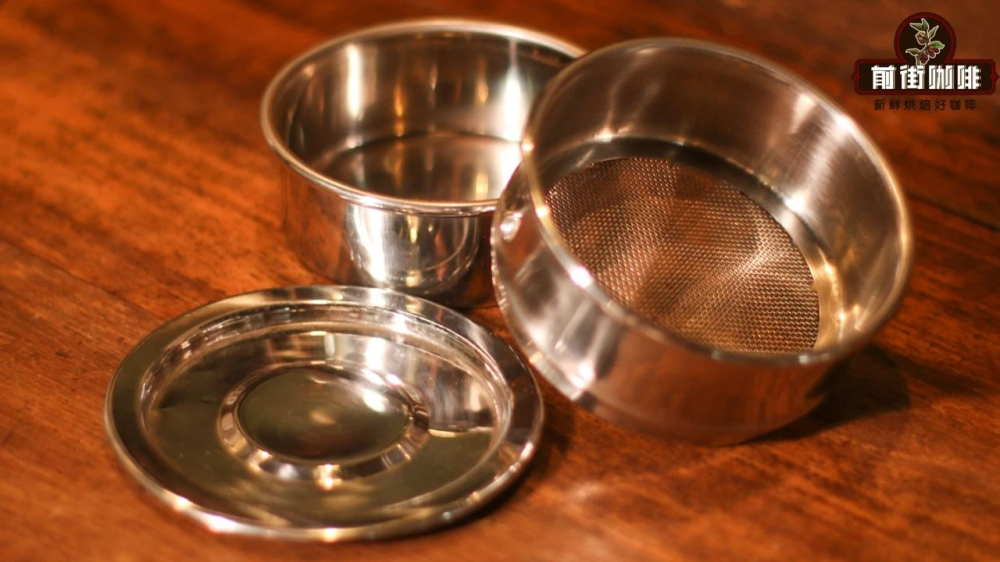
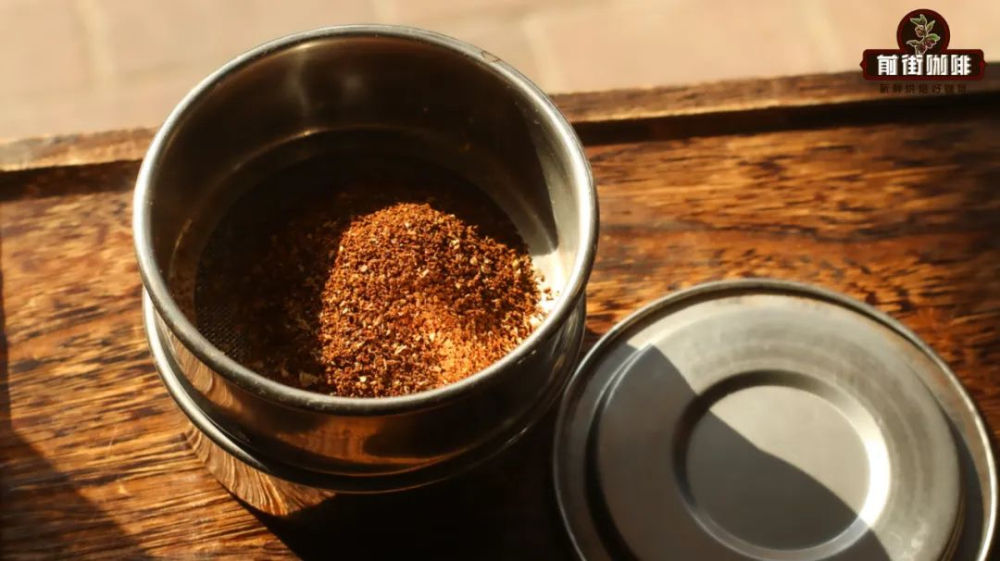
To precisely control your grind size, one of the most scientific methods is to usea #20 sieve to measure extraction rate. This approach provides concrete numerical data, reducing errors caused by subjective judgment.The aperture of a #20 sieve is 0.85 millimeters. To use it, simply pour a measured amount of ground coffee into the sieve, gently shake it until no more powder falls through, then weigh the coffee that passes through. This allows you to calculate the extraction rate. For example, if you put in 10 grams of coffee and 7 grams pass through, the extraction rate is 70%.
This figure is highly reliable. No matter which grinder or coffee bean variety you use, as long as you adjust to the same extraction rate, you can generally replicate a similar grind coarseness. For instance, an extraction rate suitable for light to medium roasted beans is around80%[value missing]70%~75%[value missing], giving a sensation akin to coarse sugar granules. This helps avoid over-extraction that leads to bitterness.
However, the sieve method also has its limitations. It can only distinguish particles larger or smaller than 0.85 mm and cannot reflect the distribution of different particle sizes within the coffee grounds. In fact, even high-end grinders struggle to produce completely uniform powder — it’s common to have a mix of fine and coarse particles. If your grinder burrs are worn or of average quality, even with the same extraction rate, the results may still fall short. In such cases, you’ll need to combine this method with others for a fuller assessment.
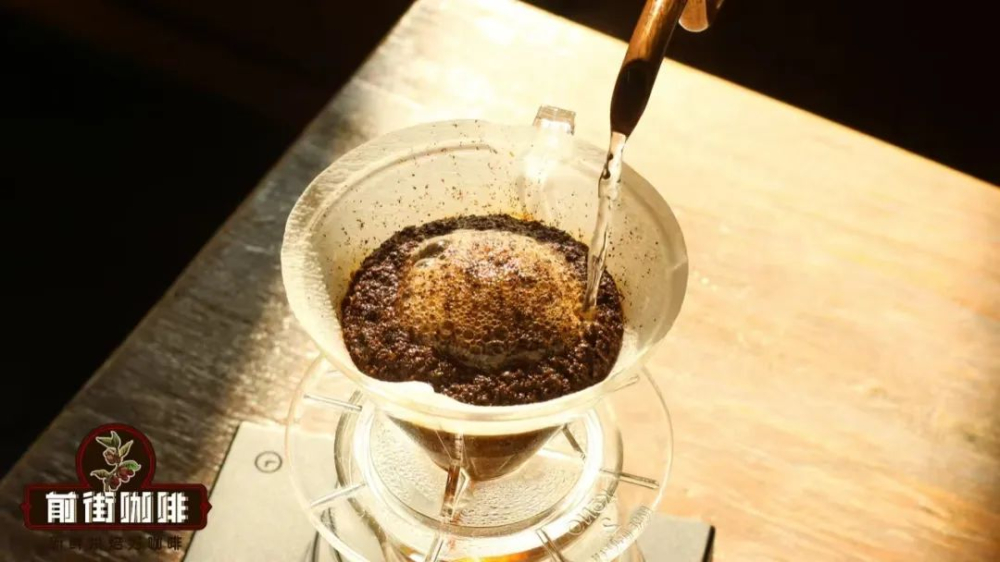
Another practical tip is toobserve brew flow speed and extraction time. With fixed coffee-to-water ratio, water temperature, and pouring technique, the speed of water flow directly reflects grind coarseness. Generally speaking, the finer the grind, the greater the resistance to water flow, resulting in a longer brew time; conversely, the coarser the grind, the faster the flow and the shorter the brew time. For light roasted coffee, for example, using 15 grams of coffee, a water temperature of 92°C, and a 1:15 coffee-to-water ratio, the standard brew time should fall between2 minutes and 2.5 minutes. If the actual brew is too fast, you can slightly adjust to a finer grind; if it’s too slow, make the grind a bit coarser.
However, relying solely on time isn’t comprehensive enough. Ultimately, you still need to go back toflavor profilefor verification. If the brewed coffee has overly sharp acidity, lacks sweetness and body, or even tastes watery, it’s usually a sign ofunder-extraction, meaning too few soluble compounds have been released from the coffee. In this case, consider adjusting to a finer grind to increase extraction yield. On the other hand, if you detect noticeable burnt bitterness, astringency, or off-flavors, it may indicateover-extraction. In this situation, it’s advisable to coarsen the grind slightly to reduce the amount of over-dissolved substances.
Overall, the sieve measurement method provides an objective benchmark, while brew flow speed and extraction time serve as practical references. Ultimately, you’ll still need to make final adjustments based oncupping flavors. These three methods complement each other and can help coffee lovers gradually zero in on the ideal grind setting. Whether you’re a beginner or an experienced brewer, this approach can elevate the quality and consistency of your pour over coffee.
The above content is compiled by CoffeeHunters, a coffee news website.


