







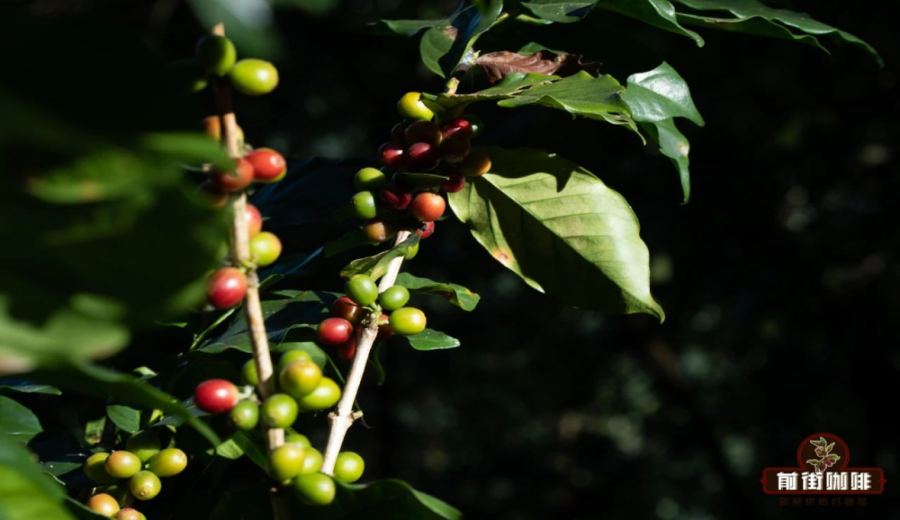
Introduction:Bourbon coffee beans are a classic variety within the Arabica species, originating from Yemen and later spreading to Bourbon Island and Central and South America, becoming a frequent winner in numerous specialty coffee competitions. This article will provide a detailed introduction to the historical origins, botanical characteristics, and yield traits of Bourbon, as well as an in-depth comparison of the mutational evolution and flavor profiles of Red Bourbon and Yellow Bourbon, helping you understand the unique charm of this classic coffee bean under different altitudes and processing environments.
In the world of Arabica coffee, Bourbon has always played a pivotal role. Alongside Typica, it is regarded as one of the cornerstones of modern Arabica cultivation culture. From its historical evolution to varietal differentiation, it encompasses rich agronomic and sensory value. Bourbon originally came from Yemen and was introduced to the east coast of Africa—Bourbon Island (now Réunion Island)—in the 18th century, from which it got its name, and gradually spread to Brazil and throughout Central and South America.
The most obvious botanical characteristic of the Bourbon variety lies in the shape of its beans, which transition from the slender form of Typica to a rounder and fuller shape, with the overall tree exhibiting a denser growth habit. Compared to Typica, Bourbon trees have thicker trunks and branches, which are slightly less elastic but can bear about 30% more coffee cherries, which is one of the reasons it once became a mainstream cultivar.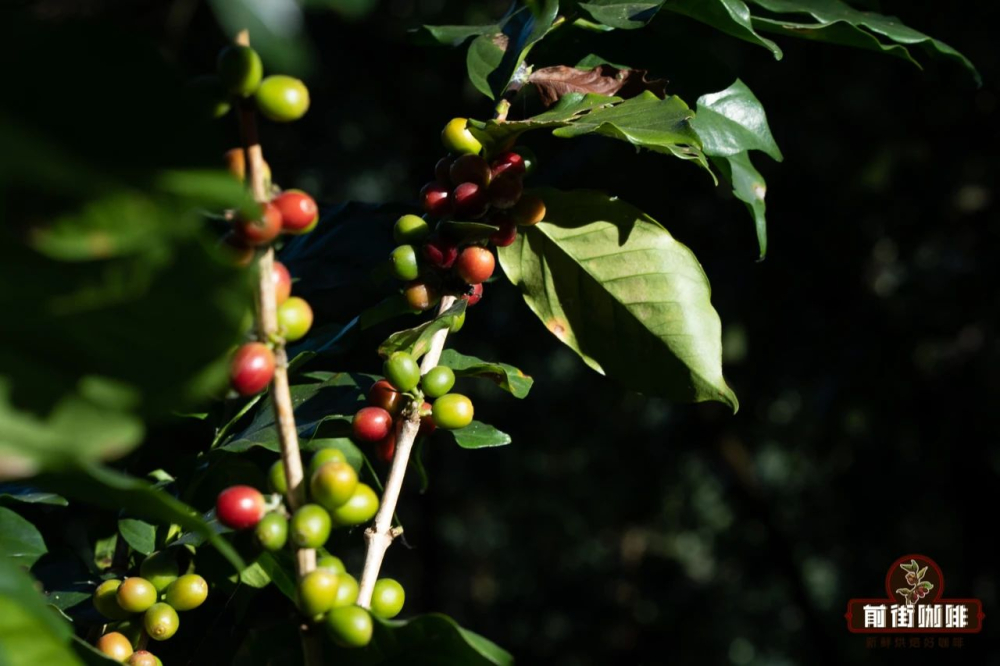
Observing the leaves, those of Bourbon are broader than those of Typica, with a slightly rougher surface texture and naturally wavy leaf margins. During the new growth stage, they may appear green, but occasionally the tips may also show a bronze hue. As for the coffee fruit, when mature, it appears as a round, spherical shape, with colors that may be red, orange, or yellow. However, it's important to note that the color tones of fruits on the same tree usually remain consistent.
In the global spread of Bourbon, Brazil’s development has been particularly crucial. In the 1860s, the Bourbon variety was first established in Brazil, and after nearly a century of adaptation and mutation, it gradually gave rise to various mutant strains, including the well-known Red Bourbon, Yellow Bourbon, Orange Bourbon, and Pink Bourbon. These mutations are often closely related to changes in fruit color during ripening and directly influence the final flavor profile.
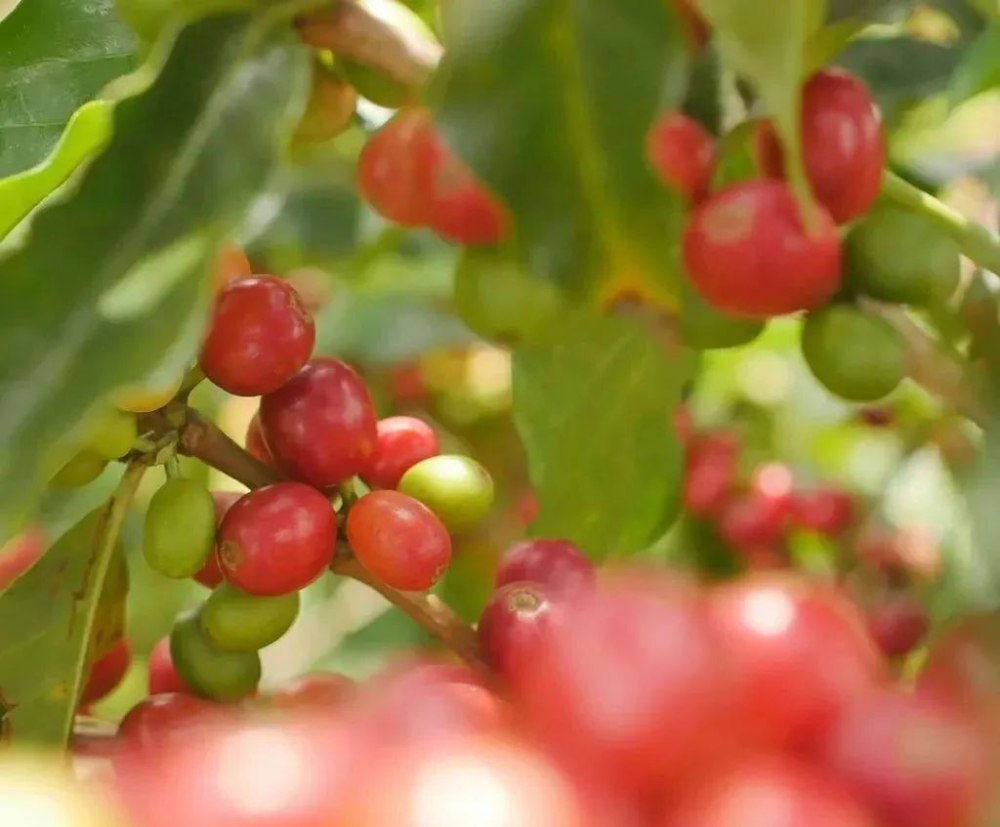
Red Bourbonis one of the most common mutant varieties, with its fruits transitioning sequentially during ripening from pale yellow, to orange-yellow, then to bright red, and finally into a deep, dark red stage. This color transformation is not only an external difference but is also closely linked to the accumulation of sugars inside the fruit and the generation of flavor compounds. Red Bourbon grown at high altitudes typically exhibits a richer aromatic profile, with bright acidity and a rounded, full-bodied mouthfeel upon tasting.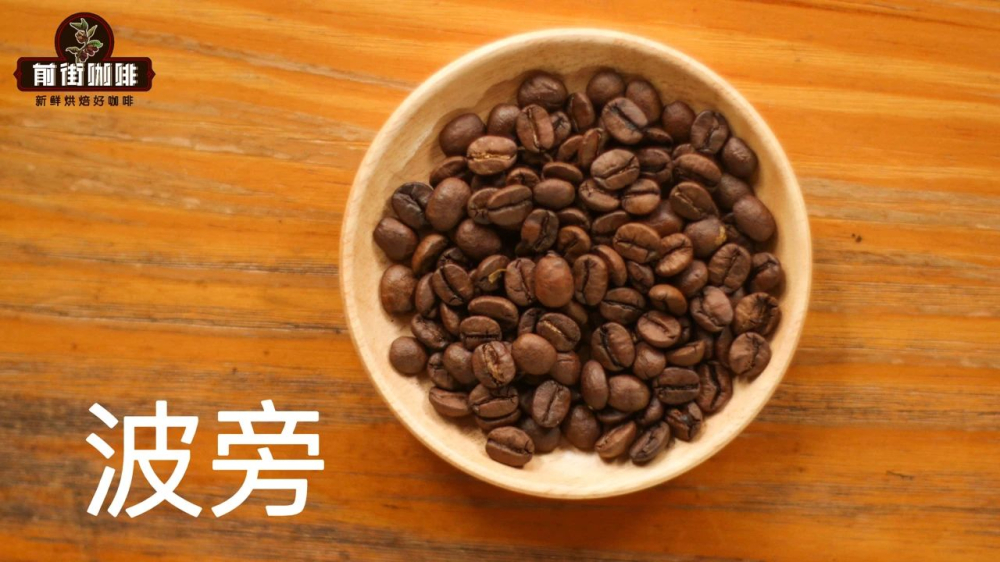
If you want to experience the typical flavors of high-altitude Red Bourbon, look for beans that offer a distinct sweetness, lemony notes, and a nutty finish, often accompanied by a rich dark chocolate aftertaste in the latter part, presenting an overall balanced and layered performance.
As forYellow Bourbon, it is another highly notable mutant variety, first discovered in Brazil and primarily cultivated in the state of São Paulo. Its name comes from the orange-yellow color of the ripe fruit, rather than red. Yellow Bourbon is generally considered to be a product of crossbreeding between Bourbon and other varieties. Although it has lower yields and is more sensitive to environmental conditions, it demonstrates exceptional flavor potential in high-altitude settings.
The characteristics of Yellow Bourbon lie in its more prominent sweetness, distinctive aroma, and clear citrus acidity, offering a balanced and well-layered taste overall. Compared to Red Bourbon, Yellow Bourbon has softer fruit acidity and more direct sweetness, making it suitable for coffee lovers who prefer a fresh and bright flavor profile.
If you prefer coffee with a refreshing flavor, noticeable sweetness, and gentle acidity, Yellow Bourbon is an excellent choice. High-altitude-grown Yellow Bourbon often features complex aromas of tropical fruits, black tea, and nuts, with a smooth and delicate mouthfeel, a clean and long-lasting aftertaste.
In summary, Bourbon coffee beans are not only an important member of the Arabica family, but their derivatives—Red Bourbon and Yellow Bourbon—have become subjects of continuous exploration for many specialty coffee enthusiasts and roasters due to the differences in fruit color and flavor characteristics. Whether you are a beginner pour over coffee enthusiast or a roaster seeking specific flavor profiles, understanding the traits of these varieties can help you make more precise choices and experience the nuanced and diverse flavor journey within the world of coffee.
The above content is compiled by CoffeeHunters, a coffee news website.


