







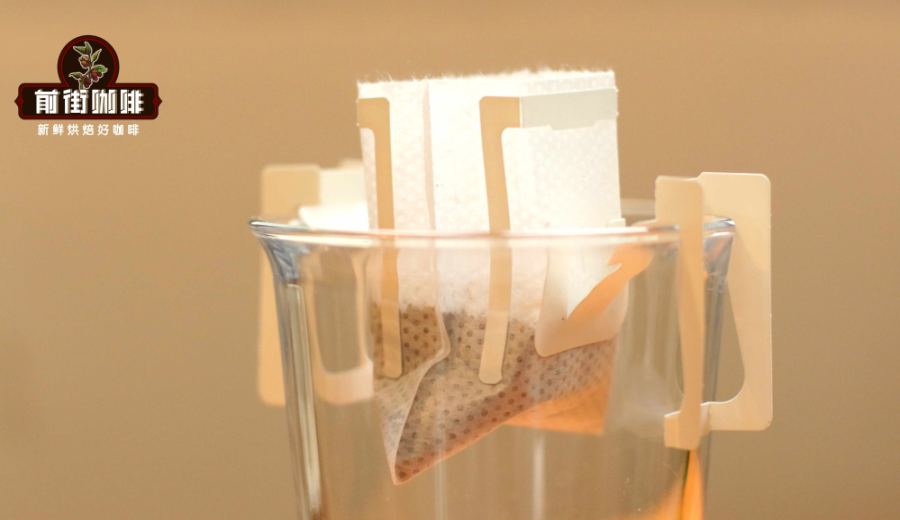
Introduction:Drip bags are an ideal choice for busy lifestyles—just a simple brew delivers quality close to that of pour over coffee. This article delves into the key extraction points of drip bags, from water temperature control to brewing time, helping you master the perfect technique. It also provides a detailed look at how different roast levels affect flavor, as well as the unique flavor characteristics of major coffee-growing regions, offering practical bean selection advice to help you easily find your perfect drip bag coffee.
When you're busy with work, tied up with household chores, or faced with bad weather that makes going out inconvenient, but you still want to enjoy a beverage with the quality of freshly ground coffee, drip bag filter coffee is undoubtedly an excellent choice that combines convenience with quality. This innovative coffee packaging format seals precisely ground coffee powder in specially designed filter bags. Just pour in appropriately hot water, and you can easily extract a rich aroma and a layered, complex taste.
Faced with the wide array of drip bag coffee products on the market, savvy consumers should focus on three key factors when making a selection: the freshness of the coffee beans, the depth of the roast level, and the unique flavor traits imparted by different growing regions. This article will start with practical brewing methods, gradually analyze the flavor characteristics of drip bags, explore how roast levels influence overall taste, and provide an in-depth introduction to the flavor profiles of major coffee-growing regions around the world, helping coffee newcomers find their ideal match that best suits their personal taste.
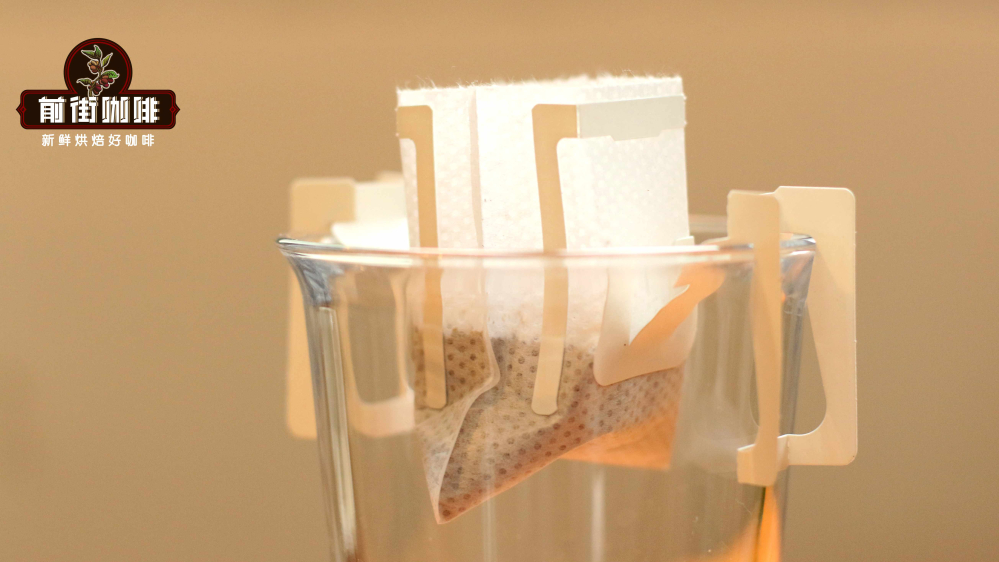
In the fast-paced rhythm of daily life, when both time and energy become luxuries, drip bag (also known as filter bag) coffee offers a solution that balances convenience and quality. These coffee products come in specially designed single-serve filter bags containing pre-ground coffee powder. Users simply need to slowly pour in water at the appropriate temperature to fully release the captivating aroma and complex flavors of the coffee beans.
When choosing drip bag coffee, there are three core considerations that cannot be overlooked: first and foremost is the freshness of the coffee beans, which directly affects the preservation of aroma; second is the choice of roast level, which determines the final balance of acidity and sweetness in the flavor; and last is the unique flavor characteristics of each growing region, which often form the key to personal preference.
Since drip bag coffee is a pre-ground product, its volatile aromatic compounds dissipate noticeably faster than those in freshly ground coffee. Therefore, it’s essential to check the product’s roasting and packaging dates when purchasing to ensure optimal drinking freshness. It’s worth noting that the optimal flavor window for ground coffee is usually only a few weeks. Choosing freshly roasted products (ideally ground within one week of roasting) ensures that you can still experience a rich aroma even after opening the package.
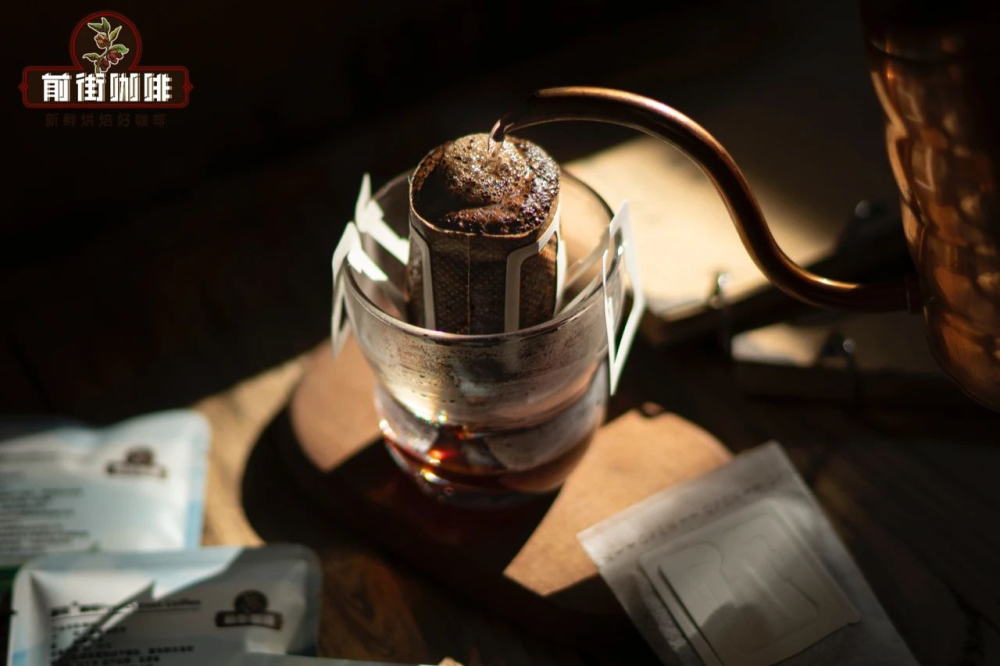
The roast level is a key variable in shaping the flavor profile of drip bag coffee. For those who prefer bright fruit acidity and fresh floral notes, it is recommended to choose products with medium to light roasts. These roasts typically preserve more of the coffee bean’s inherent flavors, with common flavor profiles possibly including berry or citrus acidity, or subtle floral notes. Conversely, if you prefer a richer, fuller-bodied taste with caramel and chocolate aftertastes, medium-dark to dark roast drip bag coffees will be more suitable. These roasts often bring a creamy, silky texture and the complex layers of dark berries.
It’s worth noting that brewing parameters should also be adjusted accordingly for different roast levels. For light roasts, it is recommended to use slightly lower brewing water temperatures (around 88–90°C) and longer extraction times to fully draw out the delicate flavor layers. For dark roasts, you can moderately increase the water temperature (around 92–94°C) and shorten the extraction time to avoid bitterness caused by over-extraction.
When exploring the world of specialty drip bag coffee, understanding the unique terroir conditions of each growing region and the flavor characteristics they shape is crucial. The world’s major coffee-growing areas are primarily concentrated within the “coffee belt” between 25 degrees north and south latitude. This narrow zone, due to differences in altitude, climate, and soil conditions, produces coffee varieties with vastly different flavors.
For beginner coffee enthusiasts, it is recommended to start exploring classic regions with distinct flavor profiles. For example, coffee from Southeast Asian regions often carries unique herbal notes and rich nutty aromas, suitable for those who enjoy a fuller body; coffee from Central and South American regions generally exhibits a balanced flavor of chocolate, caramel, and citrus fruits; while coffee from African highlands is often known for its bright fruit acidity, floral notes, and berry characteristics, making it ideal for consumers seeking a refreshing taste.
If you want to experience a variety of regional flavors all at once, consider choosing a drip bag set that includes multiple classic regions. These product sets are usually carefully curated with the most representative cultivars from each region, allowing drinkers to experience the full spectrum of flavors—from bright fruit acidity to full body—in a single tasting session, making it an excellent starting point for exploring your personal coffee preferences.
The above content is compiled by CoffeeHunters, a coffee news website.


