








Introduction:Robusta is often regarded as the "pragmatist" of the coffee world. Though it lacks the delicate flavors of Arabica, its robust adaptability and bold taste have made it widely used in commercial blends and instant coffee. This article delves into Robusta’s origins, cultivation advantages, and flavor characteristics, explores its role in roasting, and uncovers why brands like Starbucks choose it—offering practical insights for both beginners and seasoned coffee enthusiasts.
When it comes to coffee, many people first think of Arabica. However, Robusta, equally important, is often overlooked by the specialty coffee community due to its bolder flavor. Yet, this variety, known as "Canephora," plays a crucial role in the global coffee supply chain thanks to its hardy resilience and high yield. What exactly is Robusta? How does it differ from Arabica? And why is it commonly found in commercial blends and instant coffee? Let’s explore the unique qualities of this coffee bean.
Commonly heard varieties like Typica, Bourbon, and Geisha actually all belong to the Arabica species, which originated in the Ethiopian highlands and is renowned for its delicate floral and fruity aromas and acidity, accounting for about 70% of global coffee production. In contrast, Robusta is less well-known and is often considered "inferior coffee," mainly used for commercial purposes. Strictly speaking, the proper name for Robusta should be "Canephora," a widely cultivated subspecies under this category that has gradually become synonymous with the term. Robusta originated in the Congo Basin in Central and West Africa, with advantages such as tolerance to low altitudes, adaptability to high temperatures, and rapid growth. It currently accounts for about 20% to 30% of global production.

Botanically speaking, Robusta should be correctly termed "Canephora coffee species" to be on par with "Arabica coffee species." Its frequent oversight is mainly because other varieties under the Canephora species mostly remain in the wild, without being domesticated or commercially cultivated. Currently, Robusta is mainly produced in Indonesia, Vietnam, and parts of West Africa such as Algeria and Angola. Among them, Indonesia, after introducing coffee in the 18th century, shifted to large-scale Robusta cultivation after leaf rust disease destroyed most of its Arabica plantations, and has since become one of the world’s major Robusta producers. Vietnam, on the other hand, produces almost exclusively Robusta and is the world’s largest exporter of the variety, with its beans widely used in commercial blends and instant coffee.
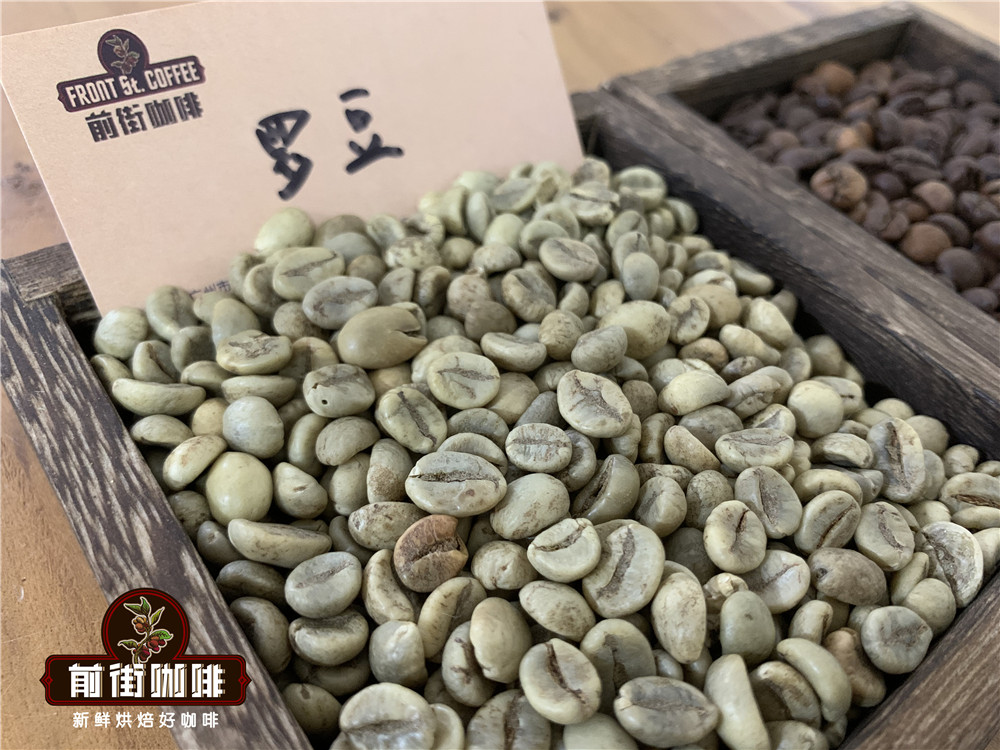
Robusta is often referred to as "medium berry coffee." Its beans have distinct characteristics: each fruit contains only one coffee bean, which is roundish in shape with a C-form and a central line shaped like the number "1." The raw beans appear yellowish-brown. These features are significantly different from the more common Arabica double-seed fruits and serve as an important basis for distinguishing between the two.
The advantages of Robusta are mainly reflected in its adaptability and disease resistance. First, its growing requirements are far lower than those of Arabica—it can thrive in low-altitude environments (typically 500 to 1000 meters) and high temperatures, unlike Arabica, which requires altitudes of 800 to 2000 meters to exhibit optimal flavor. Robusta is widely grown in places like Vietnam, Indonesia, Brazil, and Hainan, China, where it grows quickly and yields highly. Second, its caffeine content is as high as 2.7% to 4%, twice that of Arabica. This natural compound effectively repels pests, significantly enhancing the plant’s resistance to insects. Additionally, Robusta has only 22 chromosomes and is a cross-pollinating plant, giving it high genetic diversity, which allows it to better adapt to various climatic and disease challenges. For example, issues like leaf rust, common in Arabica, have relatively less impact on Robusta.
However, Robusta also has clear disadvantages, especially in terms of flavor. Due to its higher chlorogenic acid content (about 7% to 10%), this compound brings a pronounced bitterness. Coupled with the lack of the aromatic compounds unique to Arabica, Robusta’s flavor profile tends to be bold and muted, often exhibiting notes of nuts, peanuts, hazelnuts, wheat, or even earthiness—rarely achieving the delicate floral, fruity aromas and acidity found in Arabica. For this reason, Robusta receives less attention in the specialty coffee scene and is mostly used in instant coffee, canned coffee, or industrial coffee extracts. Its extraction yield is about double that of Arabica, making it suitable for products that require a strong flavor.
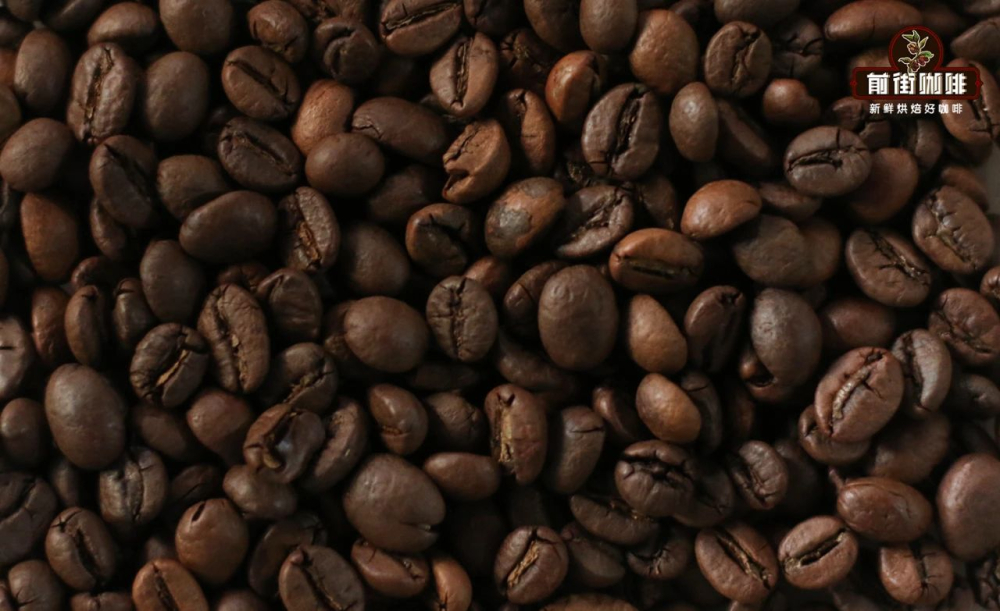
Although its flavor is not as refined as Arabica’s, Robusta holds a place in commercial blends thanks to its bold taste and rich crema. For example, a classic blend from a well-known coffee brand combines Brazilian, Mandheling, and Robusta beans. It leverages Robusta to provide a rich, full-bodied texture and abundant crema, paired with the nutty and roasted aromas of Brazilian and Mandheling beans, creating a balanced flavor profile suitable for beginners. For coffee lovers who enjoy a bold taste or are new to pour over, using a moderate amount of Robusta can offer a different layered experience.
So, is Robusta suitable for pour over? The answer is yes, but attention must be paid to roast level and brewing parameters. It is generally recommended to choose Robusta beans roasted to medium-dark or darker levels to reduce excessive bitterness, and to use a higher water temperature (around 92 to 94°C) and medium grind size to extract its rich crema and full-bodied texture. At the same time, it is advisable to use a cloth filter or a coarse-mouth dripper to minimize fine particle interference and enhance the overall smoothness of the flavor. Although Robusta is less commonly used in specialty pour over, when applied appropriately, it can add a unique bold layer to the coffee, especially appealing to those who prefer a fuller mouthfeel.
In summary, although Robusta may not match Arabica in flavor refinement, its strong adaptability, high yield, and bold taste make it indispensable in the commercial coffee market. From instant coffee to blend beans, and even as a supporting player in some specialty coffees, Robusta demonstrates its unique value. Understanding its characteristics and applications can provide both coffee professionals and enthusiasts with a more comprehensive perspective on coffee tasting.
The above content is compiled by CoffeeHunters, a coffee news website.


