







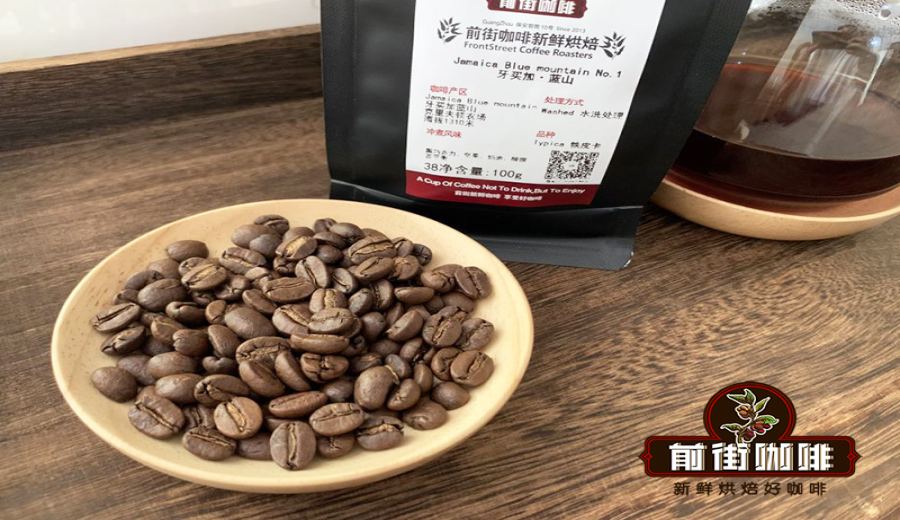
Introduction:Jamaican Blue Mountain coffee is renowned worldwide for its elegant and balanced flavor profile, with Blue Mountain No. 1 being the most highly regarded. This article delves into the three official grade distinctions of Jamaican Blue Mountain coffee, its cultivation environment and varietal background, and provides detailed pour over brewing recommendations for the most popular Blue Mountain No. 1 — including optimal water temperature, grind size, and step-by-step instructions — to help you better understand how to brew the best-flavored Blue Mountain coffee.
Jamaican Blue Mountain coffee is the dream flavor for many coffee enthusiasts, with its representative Blue Mountain No. 1 being the highest-grade offering from the region. Sourced from the Clifton Estate in Jamaica, this coffee has secured its place in the global specialty coffee market thanks to its well-balanced flavor and relatively good value for money. This article will comprehensively explore the allure of Blue Mountain No. 1, covering its official grade classifications, the specific differences among the three grades, the growing environment and varietal characteristics, flavor profiles, as well as pour over brewing suggestions and extraction parameters.
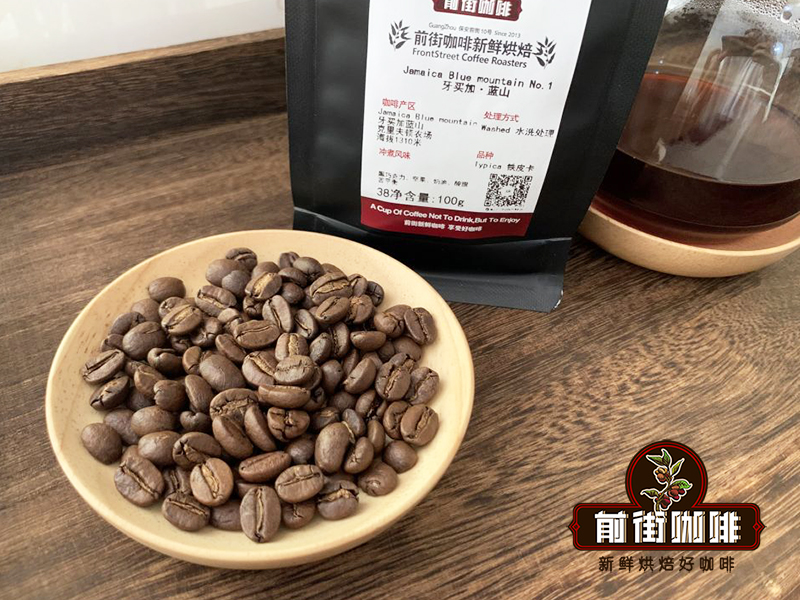
The name “Blue Mountain coffee” is not unfamiliar to many who are new to specialty coffee, often being the first legendary origin they hear about when entering the world of premium coffee. A certain well-known brand’s Blue Mountain No. 1 is part of the officially certified highest grade from Jamaica. In the past, due to its scarce production and an immature market, prices were extremely high, making it synonymous with high-quality coffee. Nowadays, with policy adjustments and increased import channels, Blue Mountain No. 1 is no longer out of reach. Its balanced and mellow characteristics make it an excellent choice for both everyday enjoyment and as a thoughtful gift.
The harmonious taste of Blue Mountain No. 1 is inseparable from its growing environment. The region is located in the Blue Mountains at elevations between 910 and 1700 meters above sea level, with the Clifton Estate cultivating its Blue Mountain coffee at around 1310 meters. This altitude creates significant diurnal temperature variations, extending the maturation period of the coffee cherries and allowing the beans to accumulate richer sugars and aromatic compounds, resulting in unique aromas and layers of flavor.
Aside from terroir, varietal also plays a crucial role in flavor. Blue Mountain coffee uses the Typica variety, one of the oldest in the Arabica species, known for its clean and bright acidity and delicate flavor profile. It’s worth mentioning that the first coffee trees in Blue Mountain were introduced from Martinique in the 1720s. After more than two hundred years of adaptation and evolution, the local Typica variety has developed stronger disease resistance, particularly a higher tolerance to common diseases such as coffee berry disease.
Jamaican Blue Mountain coffee is divided into three official grades based on quality and processing standards: Blue Mountain No. 1, Blue Mountain No. 2, and Blue Mountain No. 3. The Blue Mountain coffee sold by a certain well-known brand all belongs to the highest grade, Blue Mountain No. 1. The main differences among these three grades lie in the size of the coffee cherries and the defect rate after processing, with all grades required to have a defect rate of no more than 2%. Among the Blue Mountain coffees entering the Chinese market, Blue Mountain No. 1 is the mainstream and the most favored grade by consumers. During official export from Jamaica, each batch of Blue Mountain coffee is packaged in dedicated wooden barrels and accompanied by certification documents from the producing estate to ensure authenticity and quality.
For coffee enthusiasts who prefer pour over brewing, the rich and mellow character of Blue Mountain No. 1 is best highlighted through the drip method, which brings out its delicate flavors. It is recommended to use a medium-dark roasted Blue Mountain No. 1; cupping tests have shown that its flavor strikes an excellent balance between a full body, moderate acidity, and elegant sweetness, with a well-judged harmony between bitterness and acidity.
Regarding pour over parameters, it is recommended to use a KONO filter cone, with a water temperature of 88°C and a coffee-to-water ratio of 1:15. Use 15 grams of coffee grounds, choosing a medium-coarse grind size with a 20-mesh sieve passing rate of approximately 70–75%. This combination effectively reduces the risk of over-extraction while improving extraction uniformity, showcasing the rich layers of Blue Mountain No. 1.
The specific pour over steps are recommended as follows: begin by pouring 30 grams of hot water for a 30-second bloom. Then, slowly pour in a thin stream in small circles from the center outward until you reach 125 grams. When the water level drops to just about to expose the coffee bed, pour again in circles until the total reaches 225 grams, with the overall extraction time controlled to around 2 minutes. Gently swirl the coffee liquid before serving.
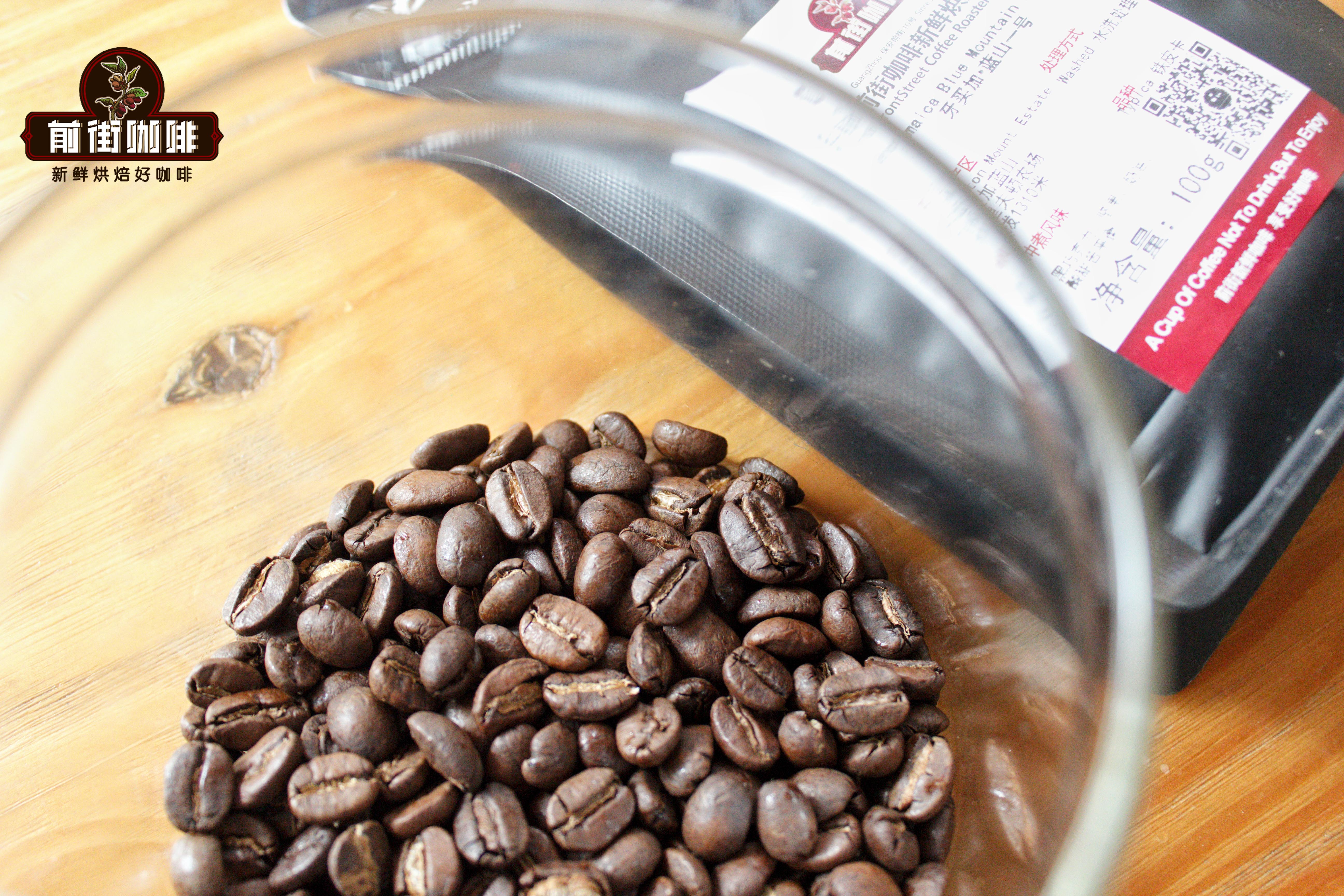
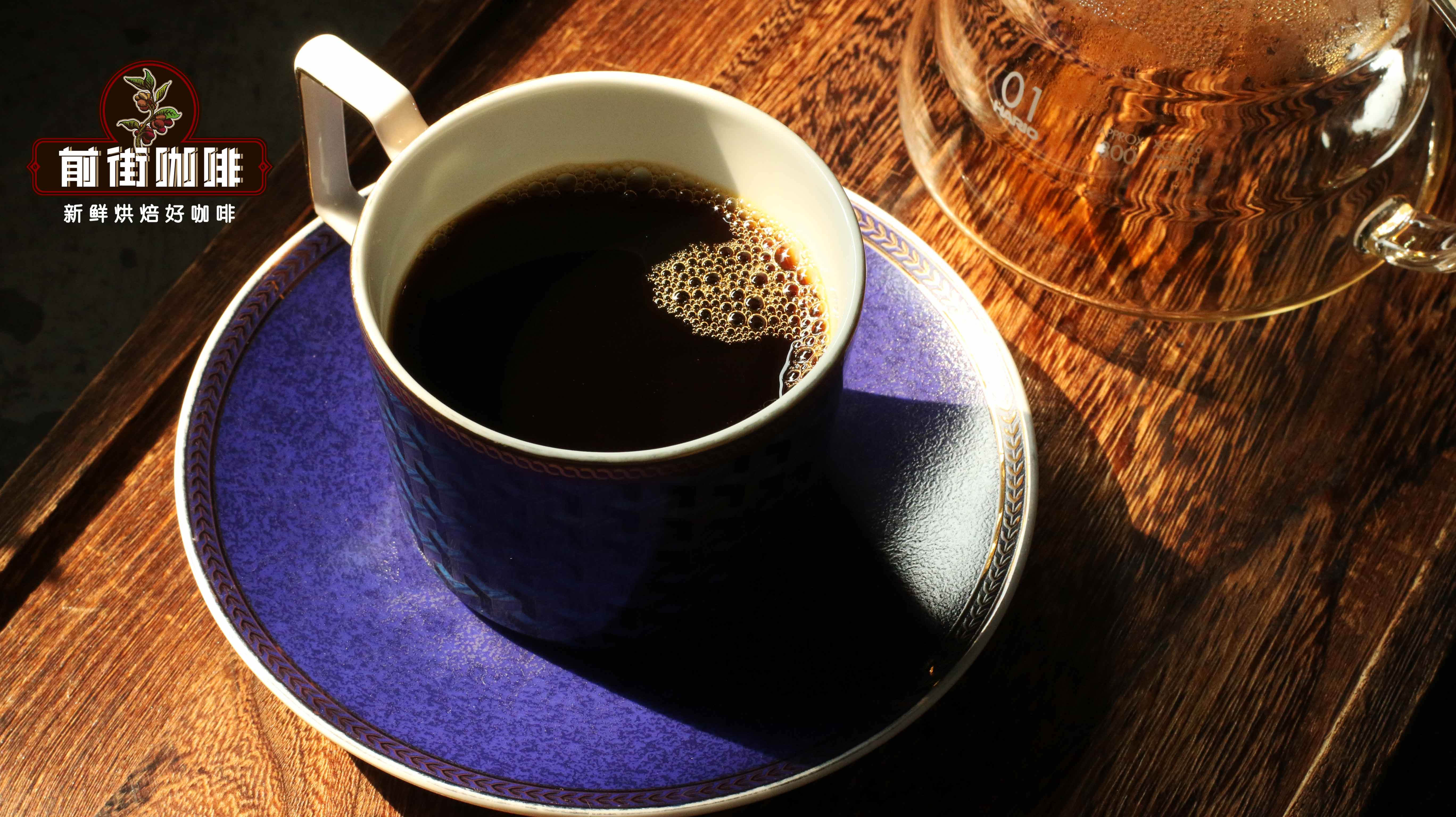
During the bloom stage, you’ll notice distinct caramel and nutty aromas; upon tasting, Blue Mountain No. 1 reveals a rich nuttiness and a full-bodied dark chocolate flavor, with a sweet and clean aftertaste. The overall mouthfeel is rounded and layered, making it a classic choice for experiencing the charm of Blue Mountain coffee.
The above content is compiled by CoffeeHunters, a coffee news website.


