







Introduction:Jamaica Blue Mountain coffee is hailed as one of the finest coffees in the world, but not all coffee produced in Jamaica can bear the name "Blue Mountain." So how is Blue Mountain coffee graded? What factors contribute to its prestigious status? This article will take an in-depth look at the unique terroir of the Blue Mountain region, the evolution of the Typica variety, the rigorous grading system by the CIB, as well as the flavor profile and pour over recommendations for Blue Mountain No. 1. It will guide you from the origin to your cup for a comprehensive understanding of this world-renowned coffee.
Jamaica Blue Mountain coffee has long been known as the “King of Coffees.” Even those who aren’t coffee enthusiasts have likely heard of its fame. However, only coffee beans grown within specific regions designated by the Jamaica Coffee Industry Board (CIB) and cultivated from the Typica variety can truly be called “Blue Mountain Coffee.” This article will break down the unique qualities of this classic coffee step by step—from the natural conditions of the Blue Mountain region, the history of the variety, the official grading standards, to the cupping flavors of Blue Mountain No. 1 and the characteristics of its barrel packaging—and provide practical pour over brewing suggestions to help you better appreciate its charm.
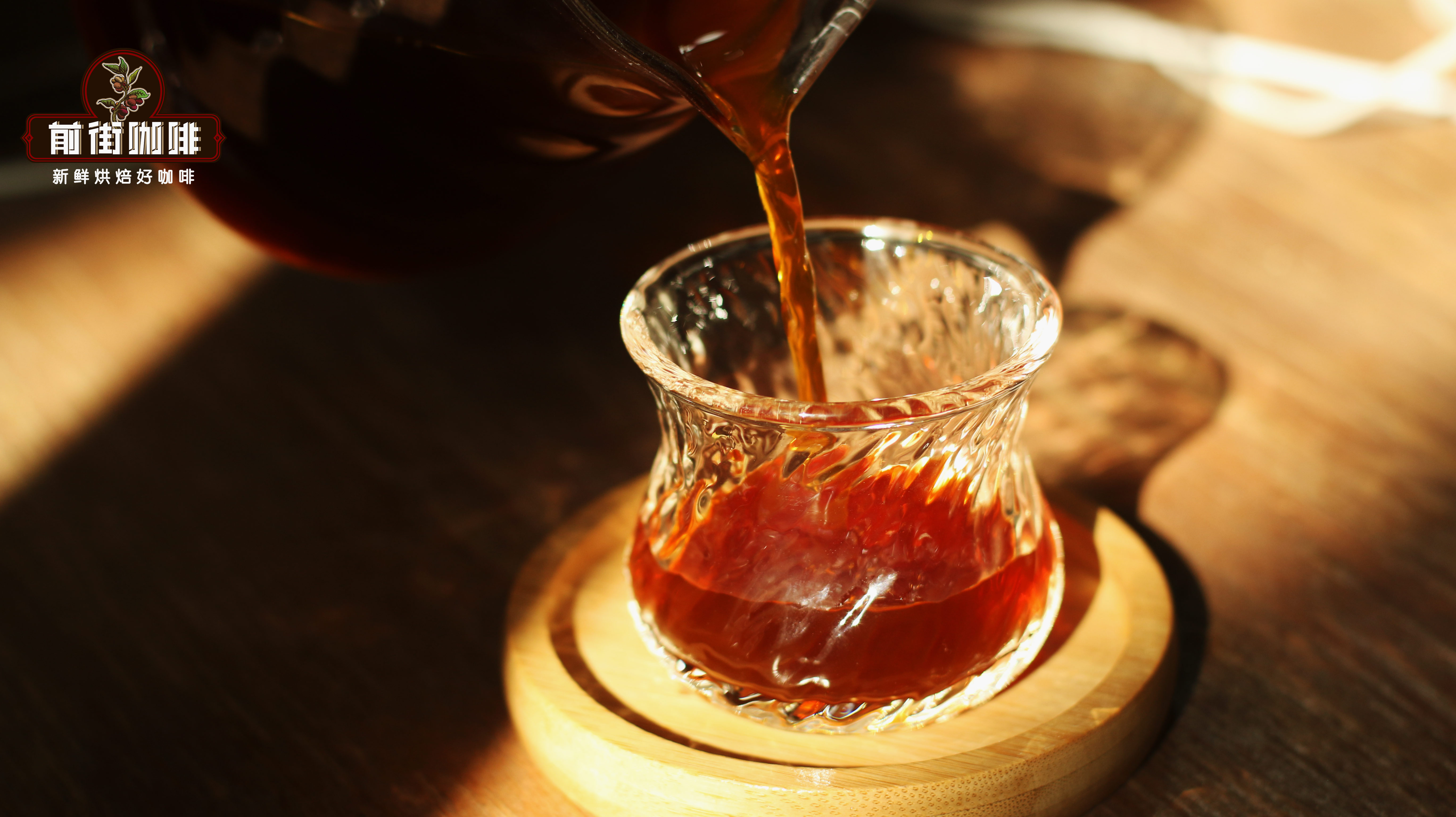
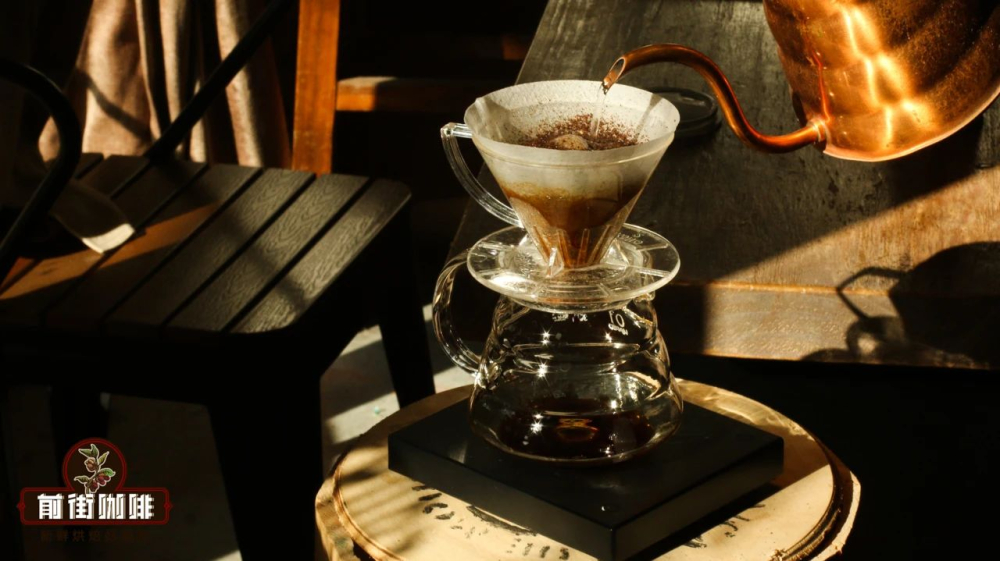
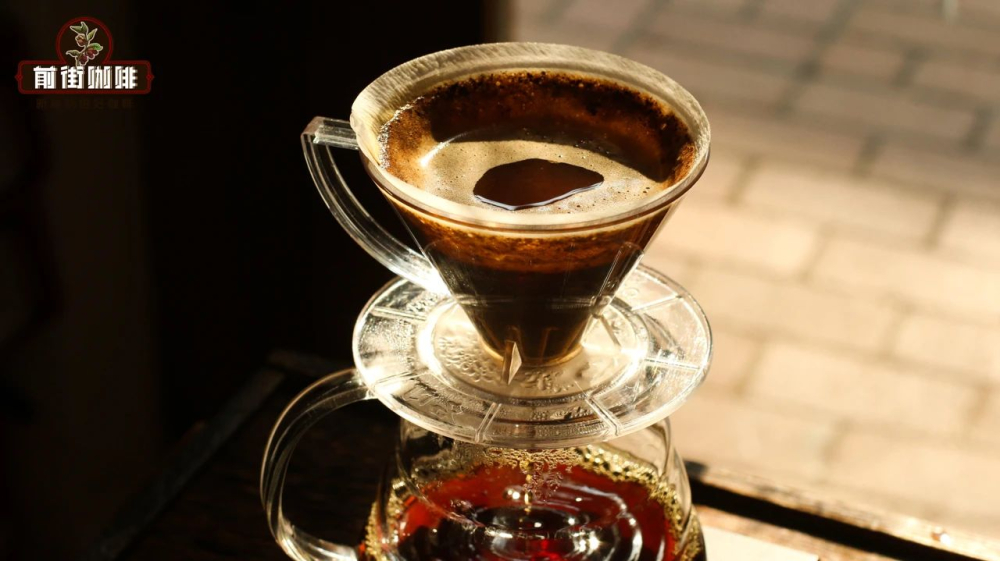
Blue Mountain coffee was once all the rage worldwide, and even though its popularity has slightly waned today, its elegant and steady aroma and balanced flavor remain unforgettable. Many people wonder: is Blue Mountain coffee more acidic or bitter? The answer lies in its delicate layers of flavor. If you want to experience the rich and rounded characteristics of Blue Mountain No. 1, you can try using a KONO filter. This filter has shorter ribs that allow the filter paper to sit closer to the cup wall, reducing airflow interference and extending the brewing time, resulting in a more uniform and complete extraction.
It is recommended to use 15 grams of coffee grounds with a 1:15 coffee-to-water ratio, paired with an EK43s grind size of about 10.5 (approximately equivalent to 75% passing through a Chinese No. 20 sieve). Water temperature should be controlled between 87–88°C, and a classic three-pour method is advised. First, wet the filter paper and gently tap the cup wall to level the coffee bed; then pour 30 grams of water for the first bloom and let it sit for 30 seconds. The second pour involves adding about 125 grams of water while circling steadily. Finally, pour up to 225 grams in total, with an overall brewing time of around 2 minutes. This method brings out the deep dark chocolate and nutty base of Blue Mountain No. 1, with almond aftertaste in the mid-palate and a creamy sweetness with a hint of caramel in the finish. The acidity is soft and layered.
The reason Jamaica Blue Mountain can produce such unique coffee is inseparable from its geographical location. The Blue Mountains are located in the eastern part of Jamaica, surrounded by the Caribbean Sea. The mountains take on a light blue hue under the sunlight, hence the name “Blue Mountain.” This area is not only far from urban noise, but also boasts elevations exceeding 2,000 meters, along with fertile volcanic soil, abundant rainfall, and sunshine—creating an ideal agricultural environment. Local farmers often intercrop coffee with bananas, avocados, and other crops, forming good shade and ecological balance.
However, not all highlands can grow top-tier coffee. The Typica variety used in Blue Mountain coffee was introduced in the 18th century by Sir Nicholas Lawes and gradually adapted to the local island-type tropical rainforest climate, particularly improving in disease resistance—for example, showing greater resistance to coffee berry disease than typical Typica. In addition, the high-altitude areas of Blue Mountain are often shrouded in clouds, with stable temperatures and significant day-night temperature differences, providing optimal conditions for the slow ripening of coffee cherries. This is also key to the delicate flavors and balanced acidity and sweetness of Blue Mountain coffee.
It’s worth mentioning that the rugged terrain of the Blue Mountains makes coffee harvesting extremely difficult, requiring skilled pickers, which is why production is very limited. Statistics show that less than 15% of Jamaica’s annual coffee output meets the standards of Blue Mountain coffee, totaling about 900 tons. Every single Blue Mountain coffee bean goes through strict quality control from picking, processing to export, which is one of the reasons for its preciousness. There was once a rumor that “most Blue Mountain coffee is monopolized by Japan,” which stems from Japanese companies securing large quotas early on and heavily promoting it. However, Blue Mountain coffee has gradually become more widely available in the global market, giving consumers more opportunities to taste its true essence.
Not all coffee from Jamaica can be called “Blue Mountain.” The CIB clearly designates approximately 6,000 hectares as the core Blue Mountain growing region, limited to areas such as St. Thomas, St. Mary, St. Andrew, and Portland, at elevations between 910 and 1,700 meters. Only Typica grown within this designated zone can be labeled as Blue Mountain. Coffee produced in other areas is classified as “High Mountain Coffee” or “Jamaica Prime Coffee.” The CIB is not only responsible for grading Blue Mountain coffee, but also sets standards for every step from planting, harvesting, processing to exporting, ensuring each batch of Blue Mountain coffee meets high-quality requirements.
The evaluation of Blue Mountain coffee covers multiple indicators, including green bean size, defect rate, color, uniformity, as well as cupping performance such as dry fragrance, wet aroma, acidity, flavor, body, and cleanliness. Based on these strict standards, Blue Mountain coffee is divided into four grades: Blue Mountain No. 1, Blue Mountain No. 2, Blue Mountain No. 3, and Blue Mountain Peaberry. Among them, Blue Mountain No. 1 is the highest grade. Its green beans must be 17 mesh or larger, with a defect rate below 3%, a moisture content of about 13%, and must demonstrate low acidity, rich aroma, smooth mouthfeel, and a long-lasting aftertaste during cupping.
As for packaging, Blue Mountain No. 1, No. 2, and No. 3 are among the few coffees in the world that are exported in wooden barrels. The barrels come in sizes of 70 kilograms, 30 kilograms, and 15 kilograms, differing from the commonly used jute sacks for most coffee. Wooden barrels help regulate humidity, prevent aroma loss, and maintain stable moisture content in the beans, which greatly benefits the consistency of subsequent roasting. They also serve as an important mark of authenticity for genuine Blue Mountain coffee. Every batch of exported Blue Mountain coffee must pass the CIB's quality inspection and come with an official certification label. Authentic Blue Mountain No. 1 green beans are plump and uniformly sized, with a bright blue-green color. After medium-dark roasting, they can fully showcase their chocolate, nutty, and subtle sweet notes, with soft acidity and an overall balanced, full-bodied flavor.
If you wish to experience the charm of Blue Mountain No. 1 at home, it’s recommended to choose freshly roasted beans and enjoy them within 5 days of roasting, when the flavors are at their most vibrant. By mastering the appropriate grind size, water temperature, and pouring rhythm, you can not only bring out its low-acid, steady characteristics, but also allow its layered aromas to bloom in the cup, delivering a café-quality brewing experience.
The above content is compiled by CoffeeHunters, a coffee news website.


