







Introduction:Jamaican Blue Mountain coffee is hailed as a classic in the coffee world for its balanced acidity, sweetness, bitterness, and rich body. This article starts from the core growing region of Blue Mountain coffee — the Clifton Estate — and delves into its unique growing environment, the characteristics of the Typica variety, the traditional washed processing method, as well as the certification of authentic Blue Mountain grades and how to identify wooden barrel packaging. It also provides professional pour over recommendations and post-roast flavor profiles to help coffee enthusiasts master the key points of appreciating and brewing Blue Mountain coffee.
Why is Blue Mountain coffee considered a model in the coffee industry? The answer lies in its strict geographical limitations, unique variety selection, and traditional washed processing techniques. This article will break down everything from the geographical environment of Jamaican Blue Mountain, the historical background of the Clifton Estate, the adaptability of the Typica variety, to how washed processing shapes its clean and rich flavor profile. Moreover, it explains the grading system of authentic Blue Mountain coffee, the identifying features of wooden barrel packaging, and offers practical pour over parameters and post-roast flavor notes, allowing you to fully grasp the essence of this legendary coffee.
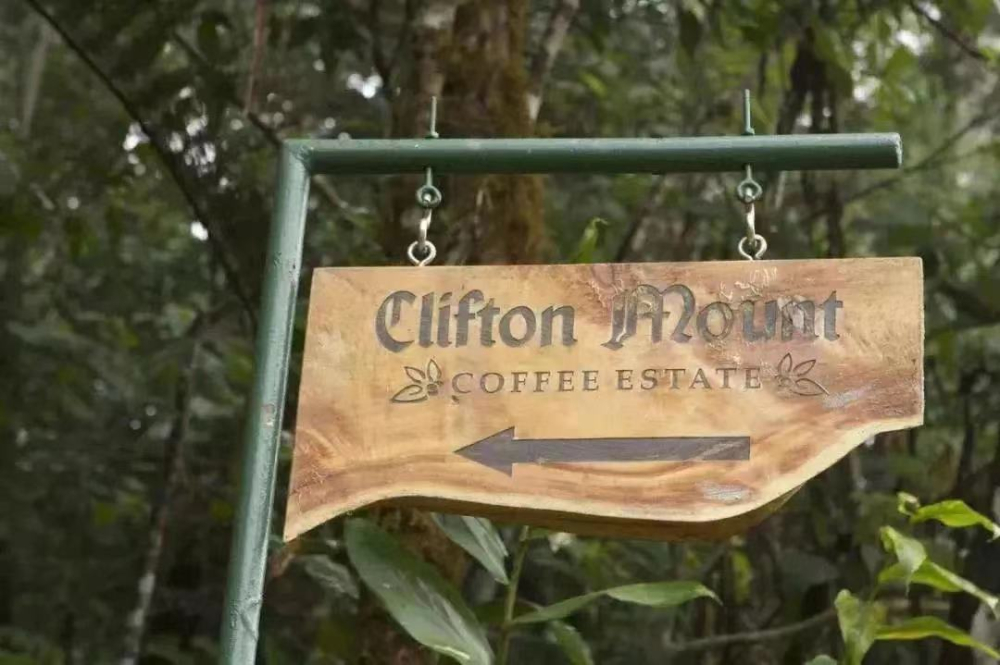
What makes Blue Mountain coffee truly unique is its origin — the Blue Mountains of Jamaica. This narrow strip of land located at 25 degrees north latitude boasts mineral-rich volcanic soil, stable high-altitude climate, along with cloud cover and moderate day-night temperature differences, creating ideal conditions for the slow maturation of coffee cherries. Among them, the Clifton Estate, situated in the Blue Mountain region, is one of the key producing areas of Blue Mountain coffee.Established around 1750, this estate is not only the oldest coffee-growing region in the Blue Mountain area but also the only Jamaican coffee farm currently certified by the Rainforest Alliance.It sits at an average altitude of approximately 1310.64 meters, making it highly suitable for the growth of the Typica variety.

The Clifton Estate has long been committed to planting Typica, a traditional Arabica variety. Known for its elegant flavor profile and strong adaptability, Typica can exhibit delicate acidity and rich layers under the unique microclimate of Blue Mountain. Local farmers rely entirely on manual picking to select only ripe red cherries and use floatation to remove unripe or defective beans. Next, the beans undergo pulping, 12 to 18 hours of fermentation, followed by natural sun drying, and finally rigorous quality control and packaging procedures. This washed processing method not only effectively reduces defect rates but also fully preserves the natural aroma and clean taste of Blue Mountain coffee beans.

There are many “Blue Mountain coffees” on the market, but how can you ensure you’re getting the authentic product? The key lies in recognizing official Jamaican certification and wooden barrel packaging.Jamaica is the only coffee-producing region in the world that ships green beans in wooden barrels, and exports are accompanied by certification documents issued by the Jamaica Coffee Industry Board.In addition, authentic wooden barrels bear the green frog logo of the Rainforest Alliance, symbolizing that their production process meets sustainability and environmental standards. These are important criteria for identifying genuine Blue Mountain coffee.
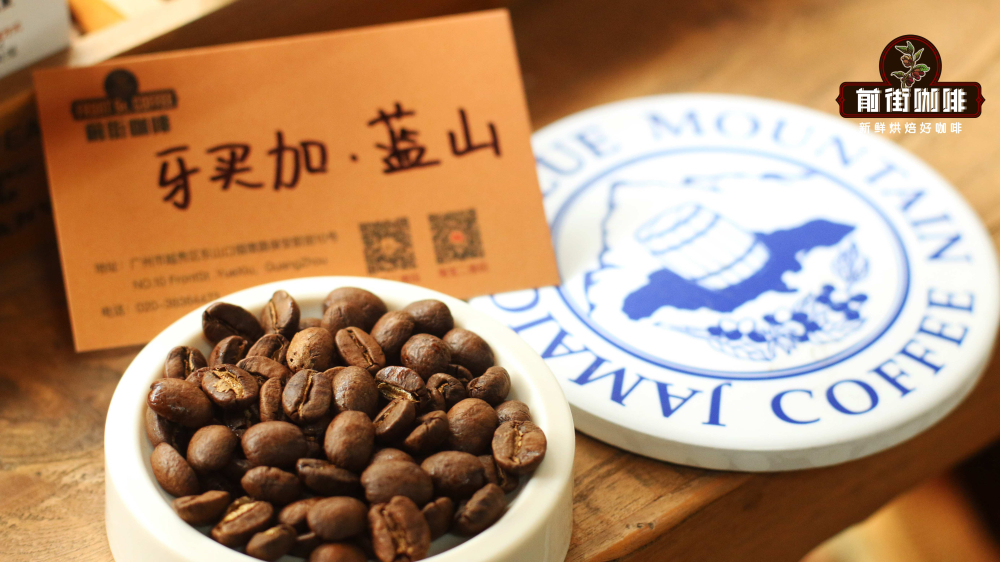
To fully showcase the chocolate, nutty, and rich flavors of Blue Mountain coffee, while balancing its smooth acidity and sweetness, many professional roasters opt for medium-dark roasts. Taking the classic Blue Mountain No. 1 as an example, the cupping profile after roasting typically presents dry aromas of nuts, melon, and chocolate, while brewing releases notes of oolong tea, caramel, honey, and dark chocolate. Upon tasting, layers of dark chocolate, roasted hazelnuts, and black sugar are distinct, with a rich body and long-lasting aftertaste, delivering an overall very balanced performance.
After receiving freshly roasted Blue Mountain coffee beans (it is recommended to choose beans roasted within 5 days), it is advised to let them rest for 2 to 3 days to allow the residual carbon dioxide inside the beans to escape through the one-way valve on the packaging before brewing, which better highlights their flavors. For brewing equipment,the KONO filter cone is recommended. Its short rib design creates a semi-sealed environment, slowing down the water flow rate, making it suitable for medium-dark roasted Blue Mountain coffee.Practical pour over parameters can be referenced as follows: water temperature at 88°C, coffee-to-water ratio of 1:15, using 15 grams of coffee grounds with a grind size of approximately 70–75% passing through a #20 sieve. Employ a three-stage extraction method — the first stage involves pouring 30 grams of water for a 30-second bloom, the second stage pours water up to 125 grams and waits for the liquid level to drop by half, then pours up to 225 grams. The total extraction time is about 2 minutes and 10 seconds. This brewing method brings out the rich dark chocolate and caramel aromas of Blue Mountain coffee, paired with an almond aftertaste and a toffee-like finish, offering layers of flavor with almost no off-notes. The lingering aroma remains long after brewing.
The above content is compiled by CoffeeHunters, a coffee news website.


