







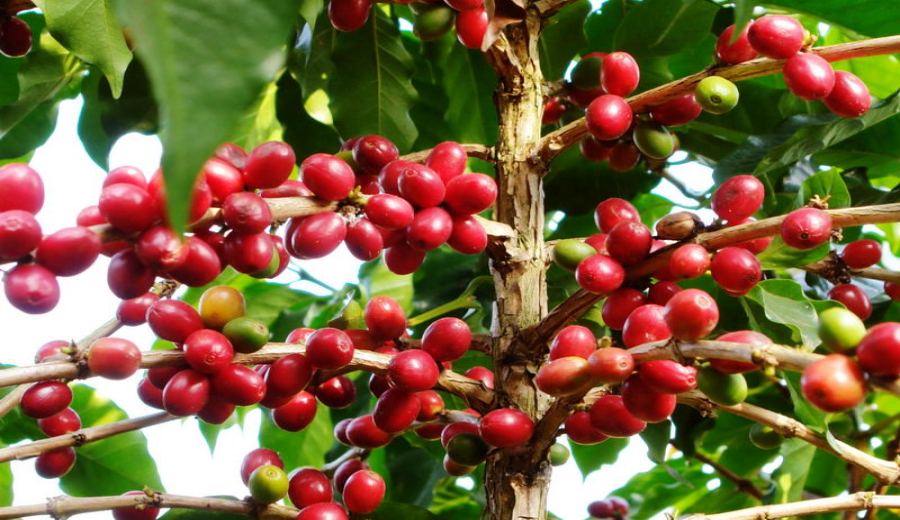
Introduction:Want to understand the fundamental differences between Arabica and Robusta coffee beans? This article delves into the characteristics of these two major coffee varieties from the perspectives of altitude adaptability, physical appearance, flavor profiles, and caffeine content. It also explores their practical applications in specialty pour over brewing and espresso blends. Additionally, we’ll share key tips on fresh roasting and resting to help you choose the right beans and brew great coffee.
In the world of coffee, Arabica and Robusta are the two most common varieties, but their positioning and characteristics are vastly different. Arabica is often presented as a single-origin specialty coffee, ideal for pour over or filter brewing, while Robusta is commonly found in espresso blends and instant coffee, known for its bold flavor and high caffeine content. These two types of coffee not only differ significantly in flavor expression, but also in their ideal growing environments, disease resistance, bean shape, and even chemical composition.
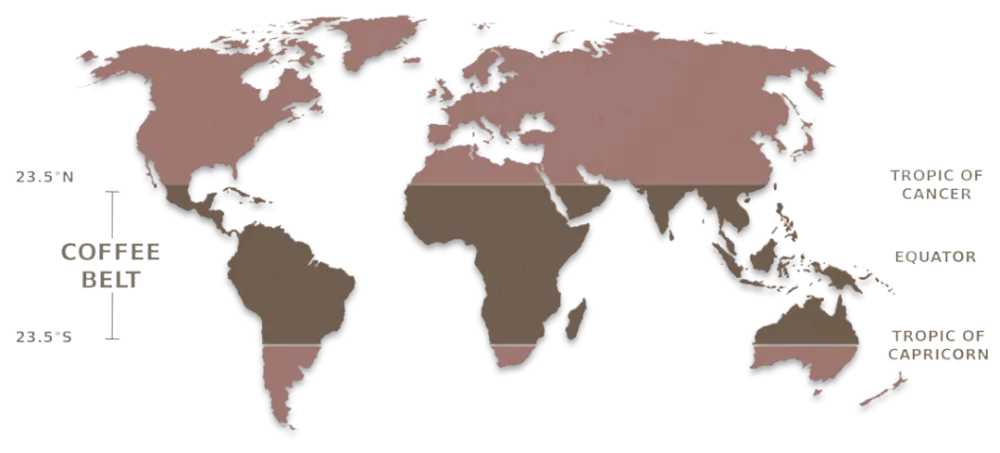
From a botanical classification standpoint, they both belong to the Rubiaceae family, but Arabica is a small-seeded species, originating from Ethiopia, typically grown at altitudes of 1,000 to 2,000 meters above sea level. It thrives under more demanding conditions, requiring stable climates, ample rainfall, and good drainage. In contrast, Robusta is a medium-seeded species, native to the Congo in Africa, with stronger adaptability. It can grow at lower altitudes of 200 to 800 meters and is more resistant to high temperatures, drought, and pests compared to Arabica.
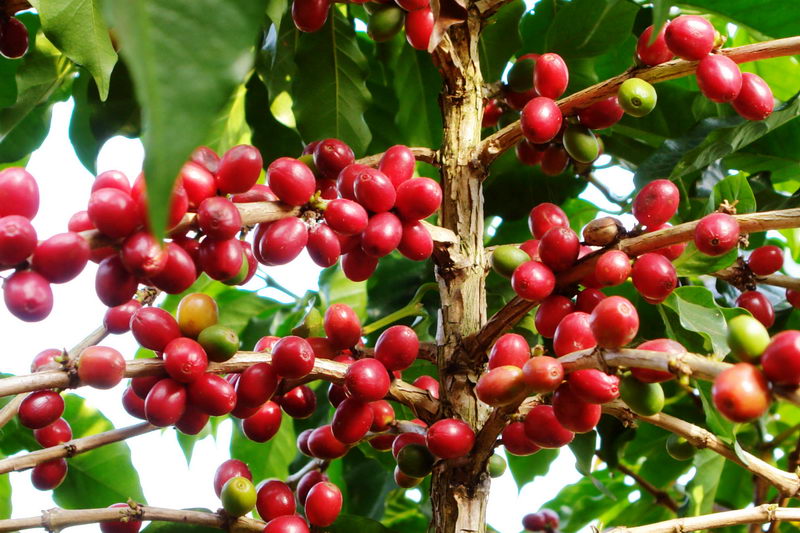
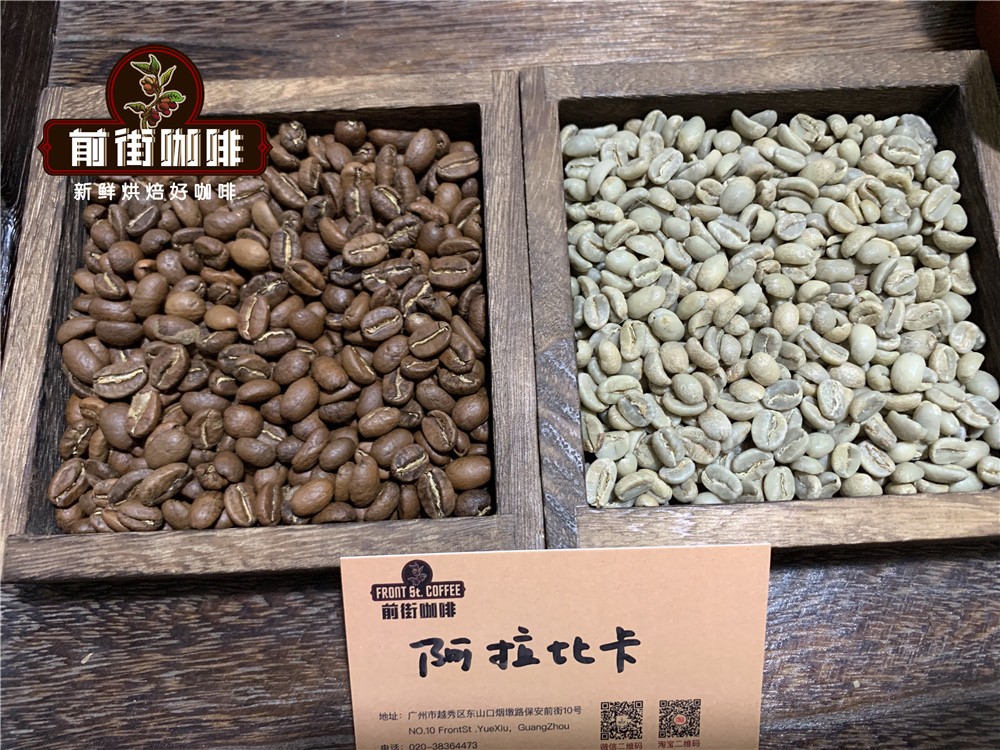
In terms of appearance, Arabica coffee beans are usually more elongated and oval-shaped, with a central fissure that is long and slightly curved in an S-shape. The beans are flatter in shape, with uniform color and often a bright greenish hue. Robusta beans, on the other hand, are rounder and plumper, with a straight and distinct central fissure. Their shape is more regular, but the texture is harder, sometimes resembling small pebbles. These visual differences are not only breed characteristics but also serve as important indicators for roasters and green bean buyers to assess quality and origin.
In terms of flavor, Arabica contains up to twice the amount of sucrose compared to Robusta, which allows it to develop a richer array of aromatic compounds during roasting. Common flavor profiles include fruity notes (such as citrus and berries), floral aromas, honey-like sweetness, as well as chocolate and caramel layers in medium to dark roasts. Classic single-origin Arabica representatives include Jamaican Blue Mountain, Ethiopian Yirgacheffe, and Brazilian Santos. In contrast, Robusta’s flavor is generally simpler, dominated by strong bitterness, often accompanied by off-flavors such as woody, rubbery, or earthy notes—especially noticeable in lower-quality processing methods—making it generally less recommended as a single-origin brew.
Caffeine content is another major point of difference between the two.Arabica typically has a caffeine content of about 0.8% to 1.5%, while Robusta can reach 2.7% to 4%,nearly double that of Arabica. This gives Robusta a stronger stimulating effect, but it can also lead to palpitations or insomnia in those sensitive to caffeine. Therefore, if you’re aiming for a good night’s sleep, it’s advisable to avoid coffee products with a high proportion of Robusta.
In commercial applications, although Robusta doesn’t offer the same refined flavors as Arabica, its high yield, low cost, and strong resistance to pests and diseases make it the primary ingredient in instant coffee, canned coffee, and industrial coffee extracts. However, in recent years, more espresso blends have started incorporating small amounts of high-quality washed Robusta to enhance the body and crema (coffee foam) of espresso. For example, some Italian blends may include around 10% Robusta alongside Brazilian pulped natural and Colombian washed beans, creating an espresso with dense crema, a full-bodied mouthfeel, and a sweet, lingering finish.
If you’re a fan of pour over or French press brewing, Arabica is undoubtedly the better choice, especially medium to light roast beans, which can better showcase their fruity aroma and acidity. If you prefer milk-based coffee drinks like lattes or cappuccinos, blending in a moderate amount of quality-controlled Robusta can actually enhance the overall richness and smoothness of the drink. However, no matter which you choose, freshness is key to flavor performance.
Generally speaking,the resting period for coffee beans is 4 to 7 days after roasting. During this time, the beans gradually release carbon dioxide, and their flavors mature accordingly. It’s recommended to let freshly roasted coffee beans rest for a few days before brewing to achieve the best flavor. Additionally, if you purchase pre-ground coffee, the oxidation process accelerates significantly due to the increased surface area, so it’s best to consume it as soon as possible to avoid flavor loss.
In summary, Arabica and Robusta each have their strengths and weaknesses—there’s no absolute good or bad, but rather suitability for different brewing methods and consumer needs. Understanding their characteristics can help you make more informed choices when selecting coffee beans and allow you to find the one that best matches your taste preferences.
The above content is compiled by CoffeeHunters, a coffee news website.


