







Introduction:Have you ever wondered if Americano is the same as black coffee? Or what the difference is between a Long Black and an Americano? This article delves into the history, brewing methods, and flavor profiles of these three common types of black coffee. From the ratio of espresso to water, brewing steps, to the handling of hot and cold variations, it helps you gain more precise coffee knowledge and find the most suitable black coffee option based on your personal taste.
When walking into a café, one of the most common choices on the menu is Americano. For many, it's not only a daily pick-me-up but also a simple choice for those seeking healthier beverages. Yet many consumers still have questions: Is Americano considered black coffee? And how does it differ from the increasingly popular Long Black? This article will provide a detailed analysis of the origins, ratios, and flavor characteristics of these common types of black coffee, giving you a more comprehensive understanding—from the brewing principles to the actual tasting experience.
Let’s first talk about the origin of the name “Americano” and its historical evolution. Although Americano is widely popular around the world, its roots are actually closely tied to the transformation of tea-drinking culture in the United States. In the late 18th century, the United States opposed Britain’s high tea taxes, which led to the famous Boston Tea Party. Since then, coffee gradually replaced tea as the mainstream beverage. By the 19th century, the U.S. had become a major global coffee consumer market, with soldiers during wartime also relying on coffee for energy. However, the high concentration and strong bitterness of espresso were hard for many American soldiers to accept, so they began diluting it with water to create an early version of what we now recognize as Americano. Later, this diluted espresso was brought to the U.S. by Italian immigrants and gradually evolved into today’s “Americano.” Because it consists solely of espresso and water, it is categorized as a type of black coffee.
So, what’s the difference between Americano and another common type of black coffee—Long Black (also known as 澳黑)? Long Black originated in Australia and New Zealand. Local immigrants brought with them Italian coffee culture, but due to a preference for a stronger, more layered taste, they developed a different brewing method compared to the Americano. Generally, a Long Black is made by pouring about 100–120 ml of hot water into the cup first, followed by two shots of espresso (about 40 grams), which helps preserve the crema and delivers a more direct, robust coffee aroma. In contrast, an Americano is usually made by extracting the espresso first and then adding hot water in a ratio of about 1:5 to 1:8, resulting in an overall smoother and more balanced taste.
If we analyze further based on brewing ratios, there is no globally unified standard for Americano. Different cafés adjust the ratio according to the characteristics of the coffee beans used and customer preferences. For example, if using a dark roast blend known for its chocolate, nut, and creamy notes—such as a common house blend—it is recommended to use a 1:4.5 coffee-to-water ratio, meaning 40 grams of espresso with 180 grams of hot water. This highlights the coffee’s richness and layered profile, making it suitable for those who enjoy a bold flavor.
For consumers who prefer a brighter, fruitier taste, a blend with floral and fruity notes can be chosen—for instance, a mix of Costa Rican, Colombian, and Ethiopian beans that offers aromas of rose, citrus, grape, and dried blueberry. Brewing this as an Americano at a 1:4 or even lighter ratio results in a more vibrant and refreshing flavor, with a sweet sensation akin to fruit gummies becoming more pronounced.
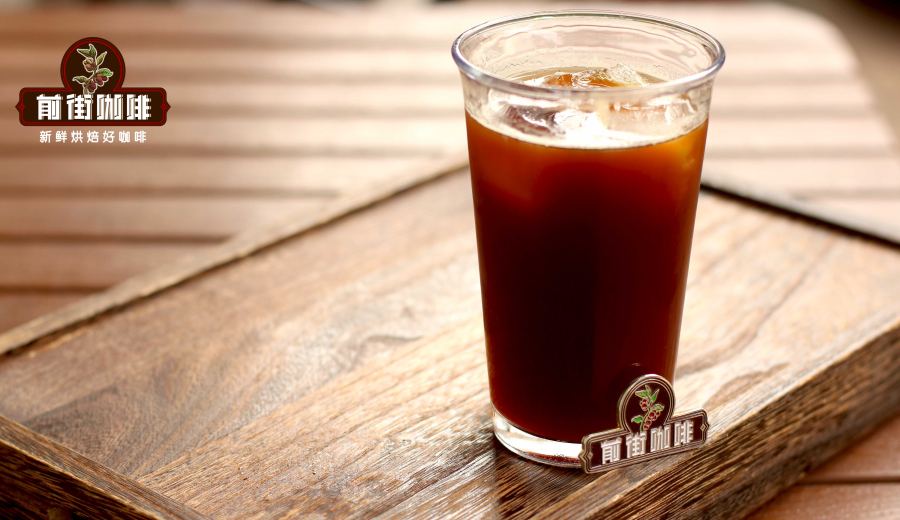
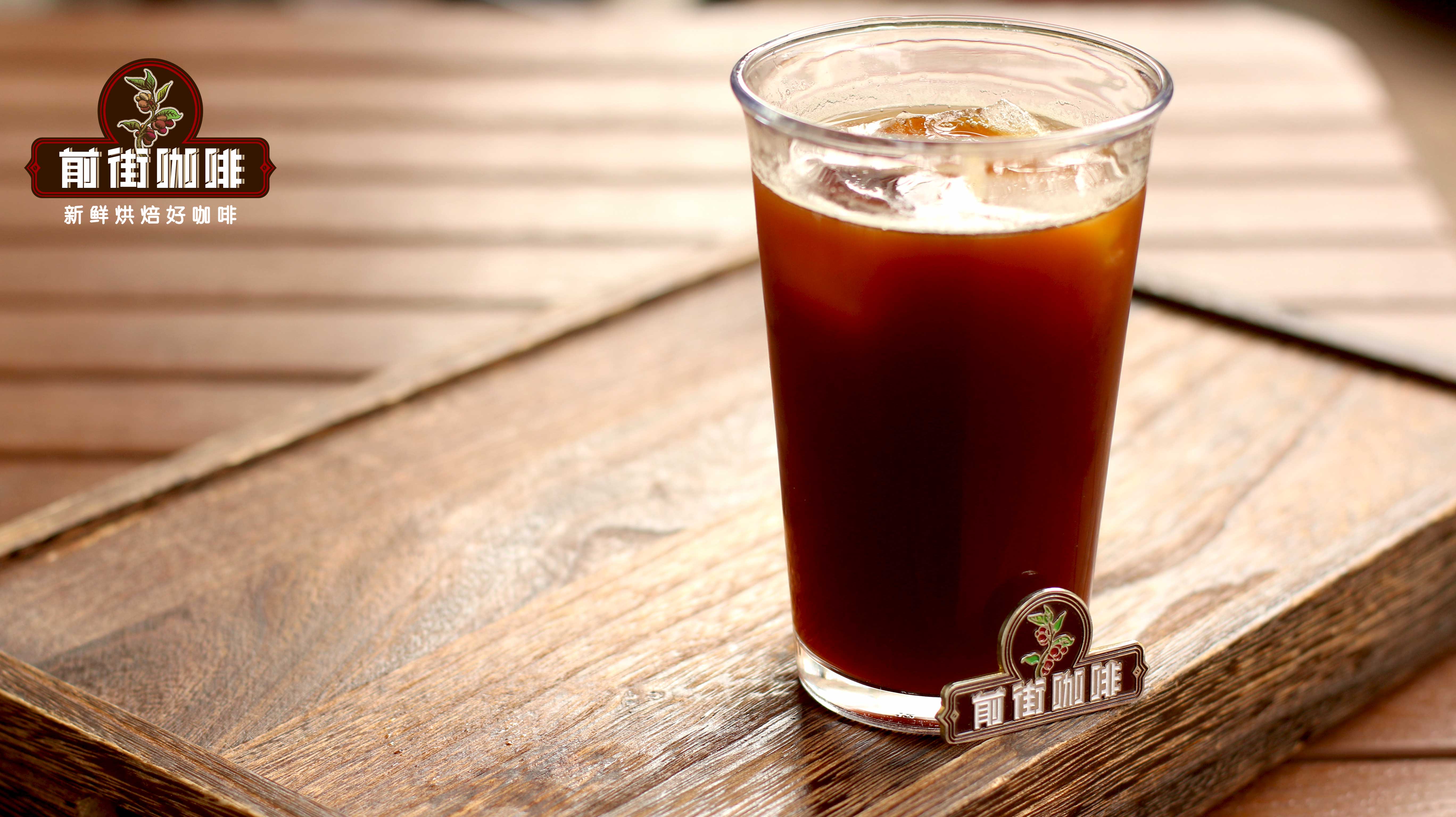
If you opt to make an iced Americano, you’ll need to additionally consider the impact of ice cubes on the overall concentration. Since ice cubes gradually melt during consumption, it’s advisable to use high-density ice cubes and store them pre-chilled to slow down melting. A common approach is to use large ice cubes of about 25 grams each, with a base of 40 grams of espresso, combined with 120 ml of water and approximately 400 grams of ice cubes. The overall ratio is controlled at around 1:2.5:3. This way, the drink maintains a moderate concentration while avoiding excessive dilution in the later sips due to ice melt, which could otherwise negatively affect the overall flavor.

In summary, although Americano, black coffee, and Long Black all fall under the category of coffee without milk, they each have distinct characteristics in terms of brewing methods, the ratio of espresso to water, and the final flavor profile. Understanding these differences not only helps you make more satisfying choices when ordering at a café but also allows you to adjust ratios at home according to your taste preferences, enjoying a more personalized black coffee experience.
The above content is compiled by CoffeeHunters, a coffee news website.


