







Introduction:As an important Arabica coffee-producing region in China, Yunnan’s coffee quality has garnered significant attention in recent years. This article provides an in-depth analysis of Yunnan’s two mainstream coffee varieties—Catimor and Typica—covering their origins, growing characteristics, processing methods, and flavor profiles to help you master key points in selection and tasting. It also offers practical brewing parameter suggestions to help you more fully experience the diverse charm of Yunnan coffee.
Yunnan is one of China’s most representative Arabica coffee-growing regions and has gradually made its mark in the specialty coffee scene in recent years. The shift from an early focus on the Catimor variety to an increasing number of estates cultivating classic cultivars such as Typica is quite remarkable. This article will detail the main coffee varieties grown in Yunnan, analyze the planting traits and flavor differences between Catimor and Typica, and share practical workflows for washed and natural processing methods, as well as tested brewing recommendations, to guide readers in gaining a deeper understanding of this promising region.
Yunnan coffee has gradually drawn attention from both domestic and international markets, mainly due to its geographical conditions being similar to those of Colombia—both are low-latitude, high-altitude regions with significant day-night temperature variations, which are conducive to the accumulation of coffee flavor compounds. Although the area suitable for growing Arabica in China is limited, Yunnan, with its stable climate and continuously improving cultivation techniques, has become one of the important sources of specialty coffee beans. In fact, as early as 2013, some local estates began introducing traditional varieties for trial planting and gradually established large-scale planting bases, witnessing Yunnan’s transition from volume production to quality-focused cultivation.
Currently, the most widely cultivated coffee variety in Yunnan is Catimor, a hybrid of Timor and Caturra, known for its excellent disease resistance and high yield. For example, a coffee brand’s early offering of Yunnan small-grain coffee belonged to the Catimor variety. It should be noted that “small-grain coffee” originally referred to traditional Arabica varieties from Ethiopia or the Arabian Peninsula, but nowadays in Yunnan, this term is often used to generally refer to locally produced Arabica beans. Its main growing areas include Lincang, Baoshan, Simao, Xishuangbanna, and Dehong.
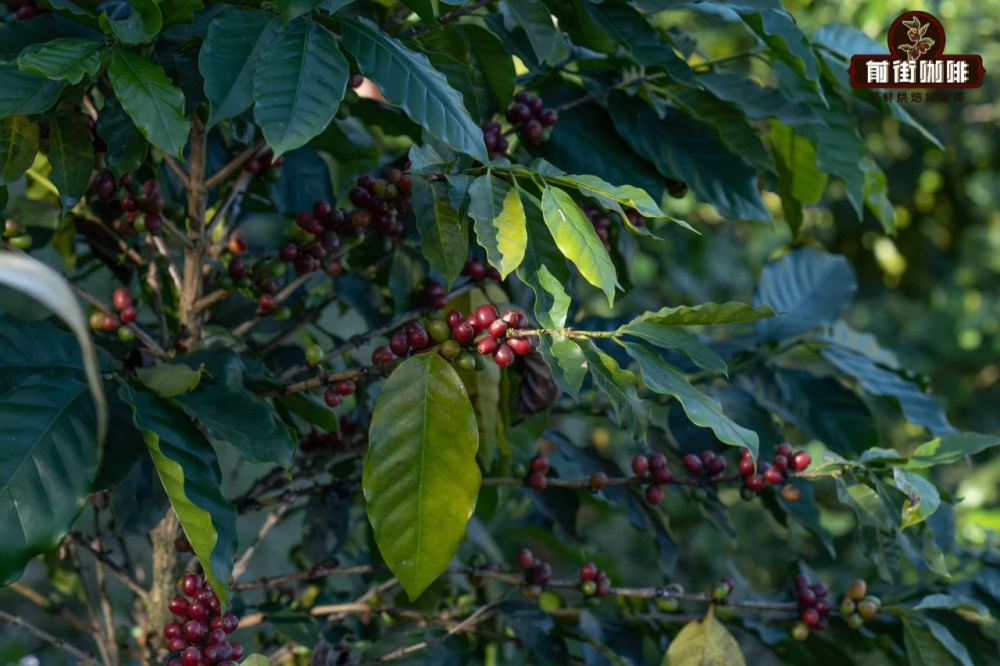
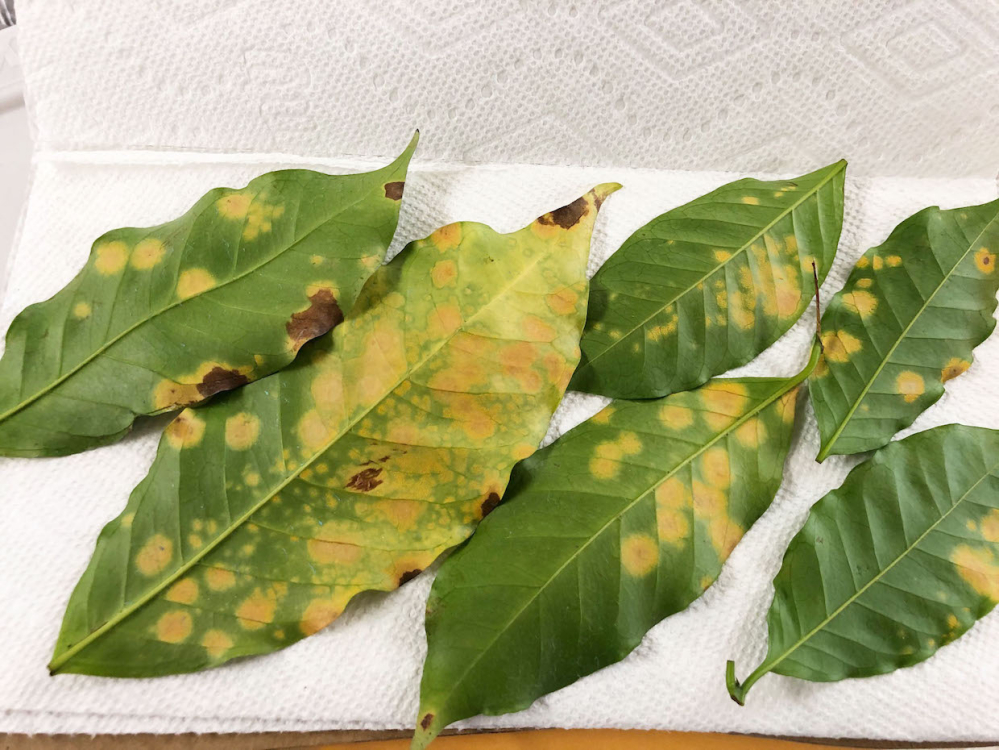
Catimor demonstrates exceptional adaptability in Yunnan, with vigorous plant growth, bright green tender top leaves, overall deep green foliage, a compact columnar tree shape, short internodes, and dense branching, enabling it to withstand drought and a certain degree of low temperatures. Compared to Typica, Catimor yields significantly more, which is also a major reason for its vigorous promotion over the past few decades. Early on, Yunnan actually planted a fair amount of Typica, a variety known for its elegant cup profile and good sweetness, but due to its lower yield per unit area, susceptibility to leaf rust, and higher management demands, it has gradually been reduced by growers.
Despite Catimor’s many production advantages, its flavor is often a topic of discussion. Some critics describe it as having a “devil’s aftertaste,” but in reality, many factors influence coffee flavor, and the performance of a single variety can vary greatly depending on growing environment, processing method, and roast level. Take Indonesia’s Mandheling, for example—it also uses the Catimor variety but enjoys widespread acclaim for its flavor profile.
Although Typica is not as widely planted in Yunnan as Catimor, its cupping performance often receives higher praise. For instance, a floral and fruity mountain coffee from a certain brand, made from the Typica variety and processed using the washed method, showcases a clear and captivating flavor layering. In Yunnan, due to the year-round hot and rainy climate, most estates opt for the washed method to process coffee beans: first, a depulper removes the outer skin and pulp of the berries, then the mucilage-covered beans are soaked in water tanks for about 18 hours, where fermentation helps remove residual fruit mucilage, followed by prolonged sun drying.
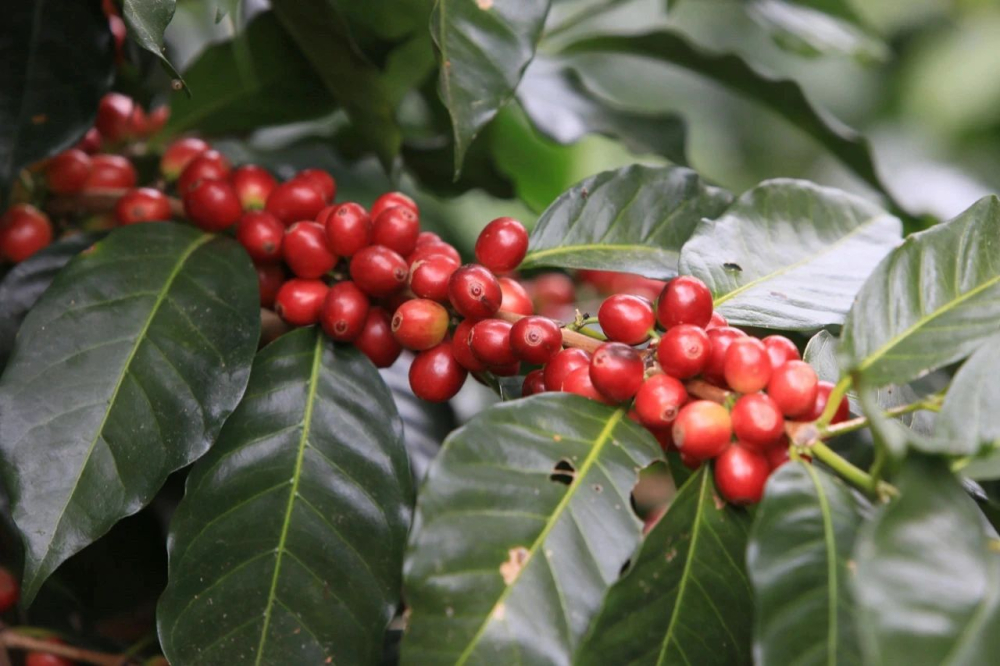
For a certain brand’s Yunnan small-grain coffee, actual cupping results show a flavor base of nuts and brown sugar, with an overall balanced profile. To fully highlight the variety’s characteristics, this bean is typically medium roasted to balance acidity and sweetness. According to cupping records, its flavor profile includes melon and herbal aromas upon entry, nutty and chocolatey notes in the mid-palate, and a bright plum-like acidity in the finish, with further layers of black tea and brown sugar in the aftertaste. As it cools, the brown sugar flavor becomes more pronounced, showcasing the unique richness and layered complexity of Yunnan coffee.
Overall, cupping data shows that Yunnan coffee’s flavor characteristics are not dominated by strong acidity but rather centered around nuts and brown sugar, presenting a stable and diverse flavor spectrum. To deeply experience the local terroir, you might start with an entry-level everyday bean series. Yunnan’s geographical conditions are similar to Colombia’s, both located within the coffee belt, enjoying suitable day-night temperature differences and high-altitude environments. Local planting altitudes generally exceed 1,000 meters—for example, Kunming at about 1,895 meters, Baoshan at 1,653.5 meters, Dali at 1,976 meters, Chuxiong at 1,773 meters, while Dehong mostly ranges between 800 and 1,500 meters, and Diqing can reach an average altitude of 3,380 meters.
Additionally, the coffee belt is situated between the Tropic of Cancer and the Tropic of Capricorn mainly because this region is less prone to deadly frost, and Yunnan, shielded by geographical barriers such as the Gaoligong Mountains, effectively reduces the intrusion of Siberian cold currents, creating diverse and relatively stable microclimates. Generally, it takes about four years for a coffee tree to yield its first harvest, and the coffee flowering period is extremely short—just two or three days—with the peak blooming period usually occurring from March to May each year. Rainfall and temperature fluctuations during this time directly impact flowering quality.

As early as 2013, a certain brand established its own coffee estate in Lincang, where the average temperature is about 21°C and can reach up to over 40°C, making it very suitable for small-grain coffee growth. The Typica variety introduced that year has now become one of the estate’s flagship crops. Yunnan small-grain coffee produced in Lincang is renowned for its rich yet non-bitter taste, full body, and pronounced aroma, winning widespread consumer favor. After the 2022 harvest season ended, the estate’s latest batch of coffee beans was officially launched, offering consumers more tasting options.
A certain brand. 2013 Yunnan Natural Typica
Region: Lincang, Yunnan
Estate: A certain coffee brand’s coffee estate in Yunnan
Altitude: 1,300 meters
Variety: Typica
Processing Method: Natural Typica
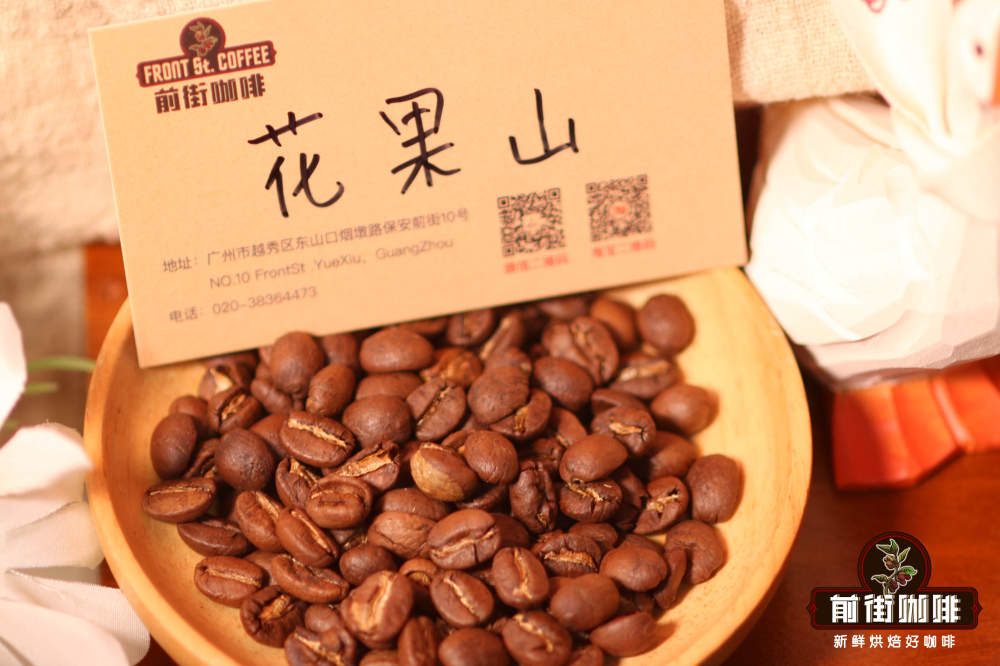
This Typica is processed using the traditional natural method, which fully preserves the sugars and aromatic compounds in the fruit pulp, resulting in a brew with a fuller body, well-balanced acidity and sweetness, along with fresh citrus and berry notes, subtle fermented wine aromas, and caramel sweetness. The aftertaste is smooth and lingering, like butter.
Suggested brewing parameters are as follows:
Dripper: Hario V60
Water Temperature: 90°C
Coffee Dosage: 15 grams
Coffee-to-Water Ratio: 1:15
Grind Size: 80% passing through a standard Chinese No. 20 sieve (approximately medium-coarse, similar to sugar granules)
Brewing Steps: First, pour 30 grams of hot water for a 30-second bloom to release CO₂ from the coffee grounds; then slowly pour water in a circular motion from the center outwards to 125 grams for the first pour; when the water level in the dripper is about to expose the coffee bed, continue pouring in circles to a total of 225 grams, with the total extraction time controlled to around 2 minutes.
Notes: To ensure optimal flavor, it is recommended to purchase whole beans and grind them just before brewing within 4 to 7 days of receipt. Freshly roasted coffee beans typically undergo a 5-day degassing period, during which flavors peak. If your grinder produces a high amount of fine particles, consider adjusting the grind size to avoid over-extraction or off-flavors. The “hamburger-like” expansion during the bloom phase helps expel CO₂ and lays a solid foundation for stable extraction.
The above content is compiled by CoffeeHunters, a coffee news website.


