








Introduction:Kopi Luwak, also known as civet coffee, is one of the most legendary coffees in the world, renowned for its rarity and unique processing method. Although it is expensive and highly talked about, its true flavor and processing method often spark debate. This article delves into the historical origins of kopi luwak, the real role of fermentation within the animal’s digestive system, its flavor characteristics, and offers practical pour over parameters and roasting recommendations to give you a more comprehensive understanding of the value and myths surrounding this special coffee.
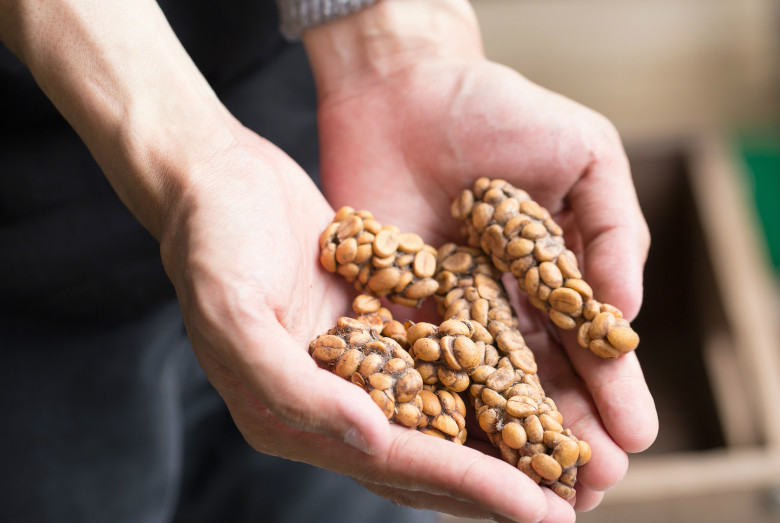
In the world of specialty coffee, Indonesian kopi luwak has always held an unshakable legendary status. As early as 2002, a pound of these beans was priced as high as $500 in the New York market, and it remains an extremely rare coffee variety to this day. This coffee is called "civet coffee" because it is consumed and excreted by civets, then collected, processed, and roasted by humans. Despite its unrefined name, it showcases a unique herbal and rich flavor, along with a layered, sweet aftertaste, making it highly sought after by many coffee enthusiasts.
The Origins and Development of Civet Coffee
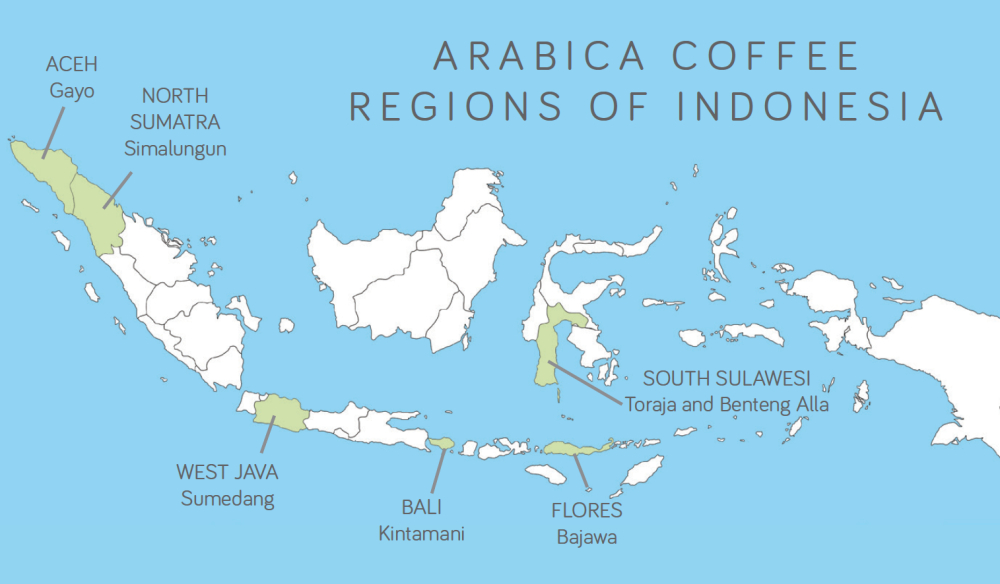
The origin of civet coffee can be traced back to the early 18th century in Indonesia. At that time, Dutch colonists introduced coffee trees to the regions of Sumatra and Java, establishing a vast coffee cultivation and trade system. However, to monopolize profits, they strictly prohibited local farmers from picking or tasting the coffee cherries. Nevertheless, civets—wild animals that prefer ripe fruits—often stole the reddest and ripest coffee cherries. Unable to digest the hard coffee beans, they would excrete them partially digested in their feces. Local farmers discovered that these "special droppings" contained coffee beans that, after cleaning and roasting, had an astonishingly rich body and sweet finish. Thus, the prototype of civet coffee was born.

After the Dutch discovered this uniquely sourced coffee, they quickly introduced it to the European market and positioned it as a top-tier luxury product, once selling for more than traditional famous beans like Jamaican Blue Mountain. However, the only coffee truly referred to as "civet coffee" consists of beans excreted by wild civets in Indonesia. Products imitated later in regions such as Vietnam and Myanmar, regardless of flavor or value, have struggled to compare.
Flavor Profile: Herbal, Rich, and Unique Fermentation Notes
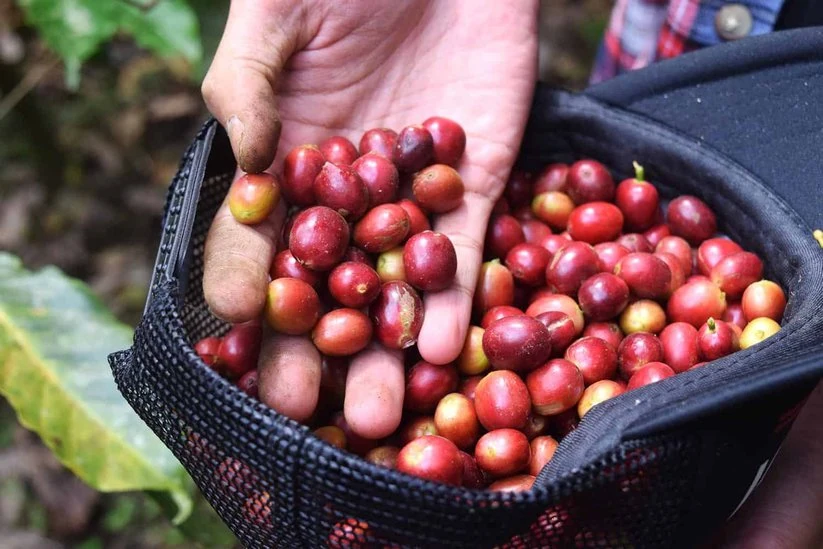
The flavor of civet coffee shares some similarities with the commonly seen Mandheling from Indonesia but also exhibits significant differences. Civets tend to select highly ripe coffee fruits, which naturally contain more sugars, providing a sweet foundational taste for the coffee. Additionally, since Robusta varieties are widely grown in Indonesia and the common environment is at low altitudes, civet coffee often features pronounced herbal, earthy, and nutty aromas, along with a strong dark chocolate profile.
However, compared to today’s mainstream specialty coffees—such as the triple hand-sorted Indonesian PWN Golden Mandheling—civet coffee shows a simpler flavor complexity and acidity profile. Some tasters consider its flavor intensity to be slightly inferior to that of meticulously selected fully ripe fruit coffee. Moreover, its fermentation characteristics are often described as resembling the fishy or herbal notes of aged Mandheling, which may require an adaptation period for drinkers unfamiliar with Indonesian coffee profiles.

It’s worth noting that many industry professionals point out that civet coffee relies more on its "backstory" as a marketing highlight, and in actual cupping scores, it may not consistently outperform other high-quality Indonesian beans. If you prefer bright, clean, or fruit-acid-forward coffees, this rich and fermentation-noted coffee may not be your first choice; but if you’re interested in unique processing methods and intense herbal tones, it’s worth a try.
The Truth Behind So-Called "Internal Fermentation"
The most controversial aspect of civet coffee is its "internal fermentation" processing method. Some merchants claim that the civet’s digestive fluids contain special enzymes that break down the protein structure of the coffee beans, thereby generating more short-chain peptides and amino acids, enhancing the coffee’s flavor complexity. However, based on actual observations, civets usually excrete the coffee beans within one to two hours after consumption, meaning the beans remain in the digestive tract for too short a time to produce significant biochemical reactions.
In fact, after being excreted, the coffee beans still need to undergo Indonesia’s traditionalwet-hulling processfor further processing, including pulp removal, fermentation, washing, and drying. In other words, the civet’s main "contribution" lies solely in instinctively selecting highly ripe fruits, while the so-called "internal fermentation" may have quite limited actual impact on the final flavor. Therefore, consumers should maintain rational judgment when faced with such claims.
Roasting and Pour Over Parameter Recommendations
Due to its unique flavor profile and relatively high body, civet coffee is recommended to be medium-dark roasted to fully bring out its herbal, nutty, and dark chocolate base aromas, while balancing any potential earthy or fermentation off-notes.
For brewing, it is recommended to use a KONO filter cone, paired with medium-coarse grind (approximately 75% passing rate through a Chinese standard No. 20 sieve), with water temperature controlled between86-87°C, and a powder-to-water ratio suggested to be set at1:15. The specific steps are as follows: first pour 30 grams of water for a bloom for about 30 seconds, then pour water in small circles up to 125 grams for the first pour, wait for the water level to drop, then continue pouring up to 225 grams before stopping. Remove the filter cone just before the coffee bed is exposed, with a total extraction time of about2 minutes. These parameters help fully showcase its rich characteristics while avoiding over-extraction that could lead to bitterness.
Conclusion: The True Flavor Behind the Legend
Overall, civet coffee maintains its topicality and collectible value in the coffee market due to its unique origin and rarity. Its flavor profile, interwoven with herbal, nutty, and fermented notes, is highly attractive to certain consumers, but for those with higher sensitivity to flavors, it may be necessary to weigh its price against its actual taste performance. If you’re curious about the backstory and unique processing techniques of coffee, feel free to try it with an open mind, and pair it with the recommended roasting and brewing parameters above to experience the uniqueness of this legendary coffee.
The above content is compiled by CoffeeHunters, a coffee news website.


