







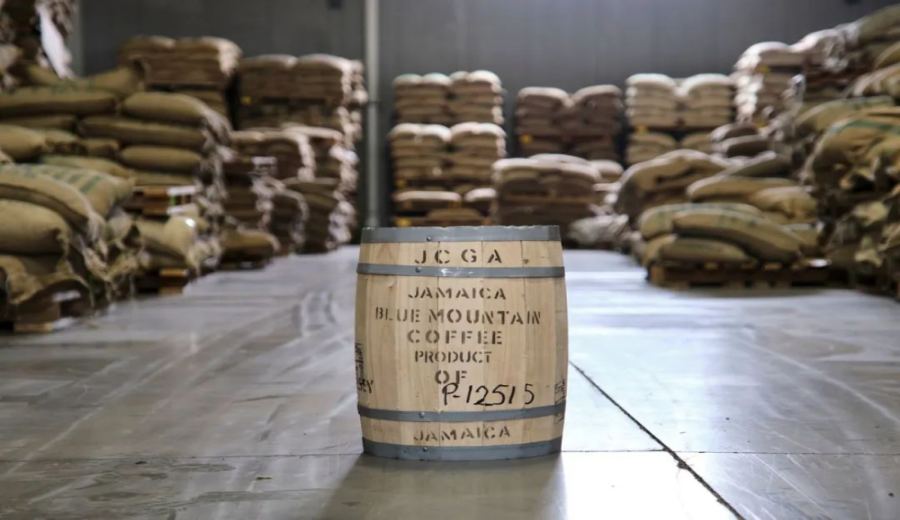
Introduction:Jamaican Blue Mountain coffee is renowned for its rare production volume and high price, but its unique barrel packaging and regional standards also conceal many lesser-known details. This article delves into the authentic production region of Blue Mountain coffee, the historical background and practical benefits of barrel shipping, and offers expert-level pour over recommendations along with flavor profiles to help readers identify authenticity and master the best brewing methods.
With its high price and limited supply, Jamaican Blue Mountain coffee holds a prominent place in the global specialty coffee market. But what you may not know is that it uniquely uses wooden barrels for shipping green beans — a tradition that’s not only steeped in history but also serves practical functional purposes. From the strictly defined growing altitude of 1,000 to 1,700 meters, to the government-certified rigorous system, every aspect of Blue Mountain coffee tells a story of exceptional quality. This article will explore the regional certification standards, the origins and advantages of barrel packaging, and introduce you to the pure flavors of classic washed Blue Mountain coffee, as well as the unique appeal of the emerging Geisha variety. Whether you're a beginner or a seasoned connoisseur, you’ll gain practical tips on identification and appreciation.
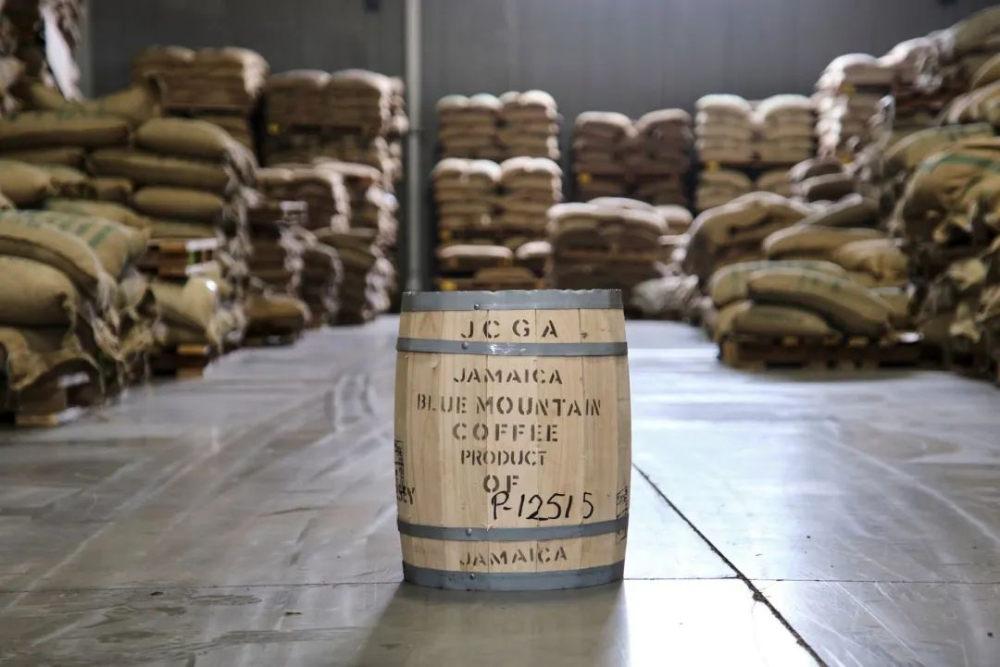
Among the many renowned coffee regions, Jamaican Blue Mountain is one of the very few that insists on using wooden barrels as containers for shipping green beans. The price of Blue Mountain coffee has always remained high, partly due to its limited production, making it a challenge to find genuine beans from the region. Products often marketed as having a "Blue Mountain flavor" are typically imitations or blends, so consumers should be especially cautious when purchasing.
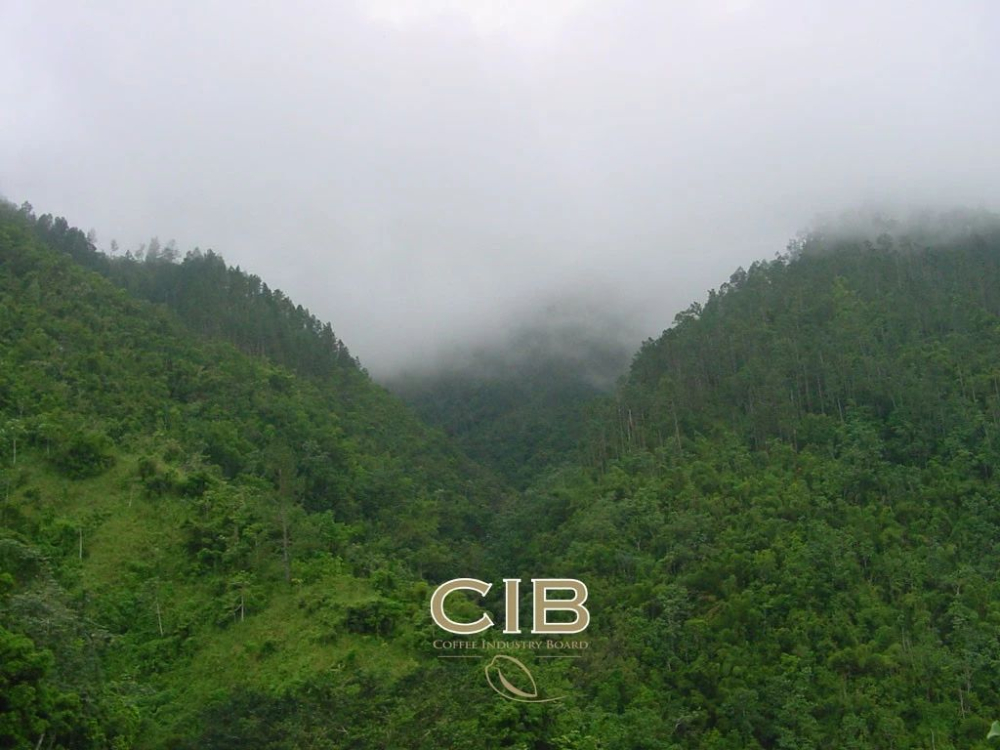
So, what qualifies as authentic Blue Mountain coffee? True Jamaican Blue Mountain coffee must come from specific areas within the Blue Mountains at altitudes between 1,000 and 1,700 meters, including the parishes of St. Andrew, St. Thomas, St. Mary, and Portland. These coffee trees are mostly planted on steep slopes, some reaching gradients of 60 degrees, and harvesting is entirely done by hand. Known for its delicate taste and vibrant aroma, Blue Mountain coffee is a preferred base for many premium blends around the world. Statistics show that over 80% of Blue Mountain coffee is exported to the Japanese market.
It’s worth noting that, by regulation, only coffee grown within the designated altitude zones of the Blue Mountains can be labeled as "Blue Mountain." However, a large amount of Blue Mountain coffee imported into Japan was actually three times more consumed domestically than imported, with some sourced from lower-altitude regions but still sold under the Blue Mountain name. Even so, the price of these green beans in 2013 was still as high as 4,000 to 5,000 Japanese yen per kilogram, reflecting their rarity. In Japan, only a handful of high-end coffee shops offer Blue Mountain coffee for customers to taste.
Due to the steep terrain of the Blue Mountains, both planting and harvesting the coffee trees face significant challenges — not only is there high labor risk, but soil erosion is also a potential issue. As a result, the Jamaican government does not encourage farmers to continue planting on overly treacherous slopes. Yet, market demand remains consistently strong. As early as the 1930s, Blue Mountain coffee seedlings were introduced to the eastern and western mountainous regions of Papua New Guinea, where elevations exceed 1,000 meters and climatic conditions are similar to those of the original Blue Mountain area, gradually becoming another important source of high-quality coffee reminiscent of Blue Mountain. In the past, the Japanese market also regarded coffee from these regions as Blue Mountain, and some merchants still sell it under that name today.
In 1953, the Jamaican government officially legislated the boundaries of the Blue Mountain region, explicitly stating that only coffee produced within specific areas of the Blue Mountains can legally bear the name "Blue Mountain coffee," further safeguarding the origin purity of the coffee.
In reality, the coffee variety used in Blue Mountain is not significantly different from that of other regions in Jamaica, primarily Typica, but the harsh growing environment combined with strict quality control screening results in an unparalleled level of refined flavor. Although the Typica variety boasts elegant aroma and taste, it is weak in disease resistance and has low yield. In recent years, the Blue Mountain region has also begun experimenting with planting the Geisha variety, and a well-known shop once launched a Blue Mountain-grown Geisha coffee, offering a new option to the market.
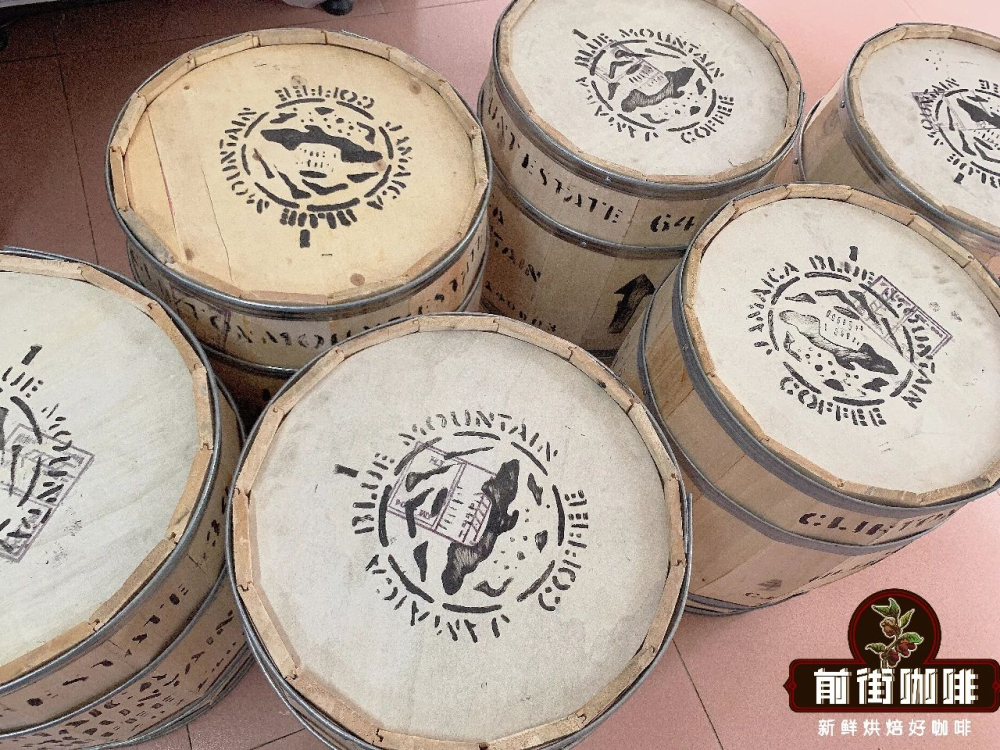
When it comes to the packaging of Blue Mountain coffee, its unique method of barrel shipping must be mentioned. In Jamaica, only Blue Mountain coffee uses wooden barrels as containers for green beans, while other regions commonly use jute sacks. This tradition dates back to the mid-18th century during British colonial rule, when Britain shipped flour to Jamaica and then reused the empty barrels to transport coffee and rum. Today’s wooden barrels are mostly made from temperate forests in the United States. Their material can steadily regulate internal and external humidity, preventing sudden temperature changes from affecting the beans, while the airtight design of the barrels effectively preserves the coffee aroma, ensuring quality stability during transit. However, the cost of barrel packaging is relatively high, which is also reflected in the final price. Additionally, each Jamaican Blue Mountain coffee barrel is marked with a tropical rain frog symbol and comes with a certification issued by the Jamaican government — both key indicators of authenticity.
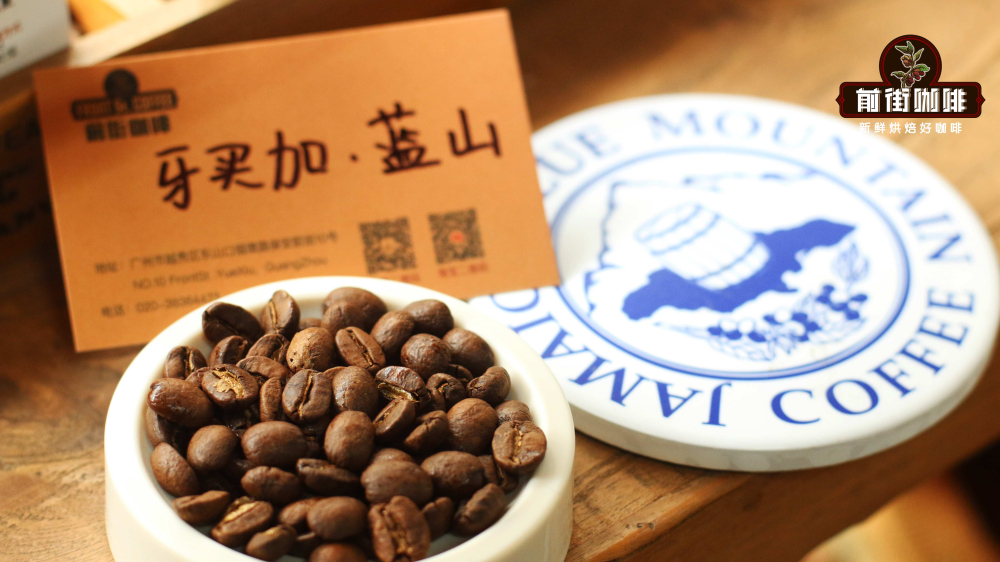
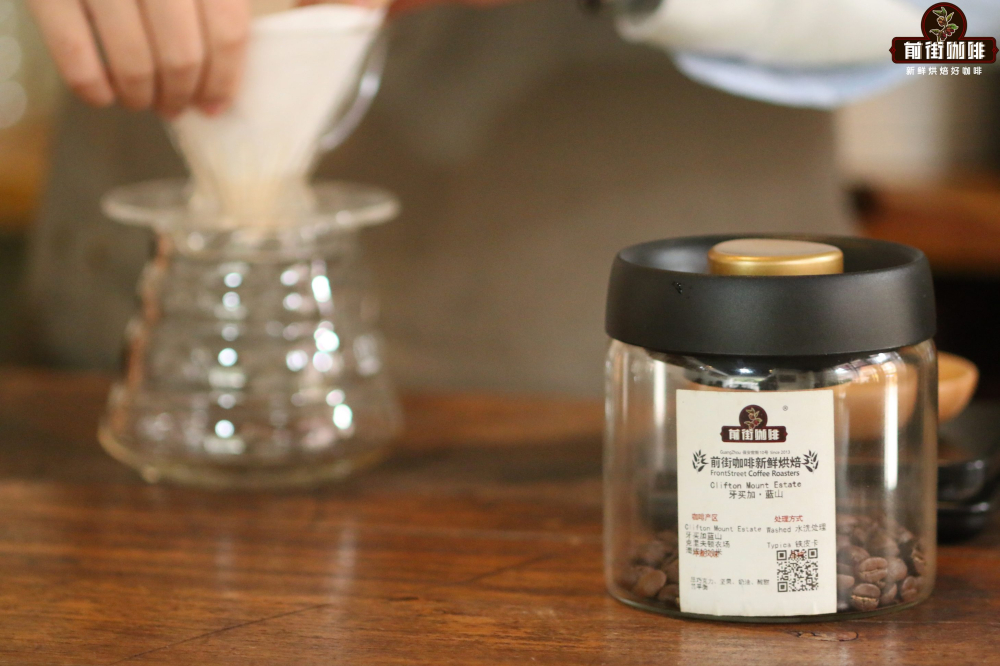
After receiving the Blue Mountain green beans, a well-known shop observed that the beans were plump, uniformly sized, with slightly upturned ends, presenting an oval-flat shape typical of the Typica variety. To bring out the best flavors of Blue Mountain coffee, the shop adjusted the roasting curve, conducted cuppings, and optimized repeatedly, eventually finalizing the pour over parameters: using a Kono filter, 15 grams of coffee grounds, a 1:15 coffee-to-water ratio, water temperature controlled at 88–89°C, and medium-coarse grind (75% passing through a #20 standard sieve). The pour over process used a pulse pouring technique: first pouring 30 grams of water for a 30-second bloom, followed by 95 grams of water poured within about 1 minute; when the water level dropped to two-thirds of the coffee bed, the remaining 100 grams were added, with total extraction time around 1 minute and 40 seconds to 1 minute and 45 seconds. This method fully showcases the clean, bright flavors of Blue Mountain coffee, with balanced acidity, sweetness, and bitterness, and an outstanding body.
In addition to classic washed Blue Mountain, the region also produces the Geisha variety, also processed via the washed method. A Geisha bean from Blue Mountain, launched by a well-known shop, shows silver skin threads after roasting — a typical characteristic of washed beans. Baristas conducted cuppings within 8 to 24 hours post-roast, using a 200ml standard cupping bowl, with a 20# sieve passing rate of 70%–75%, 11.3 grams of coffee, and water temperature at 94°C. First sniffing the dry aroma revealed pronounced caramel notes; after pouring water, soft floral scents emerged. Upon sipping, the coffee presented a refreshing acidity and sweetness of citrus and grapefruit, with jasmine notes in the mid-palate, and a honey-and-caramel sweet aftertaste, showcasing the unique charm of the Geisha variety.
With the evolution of specialty coffee trends, Jamaican Blue Mountain continues to innovate — from washed to natural processing, and the addition of the Geisha variety — all demonstrating the boundless potential of this traditional region, offering coffee lovers more diverse and high-quality tasting options.
The above content is compiled by CoffeeHunters, a coffee news website.


