








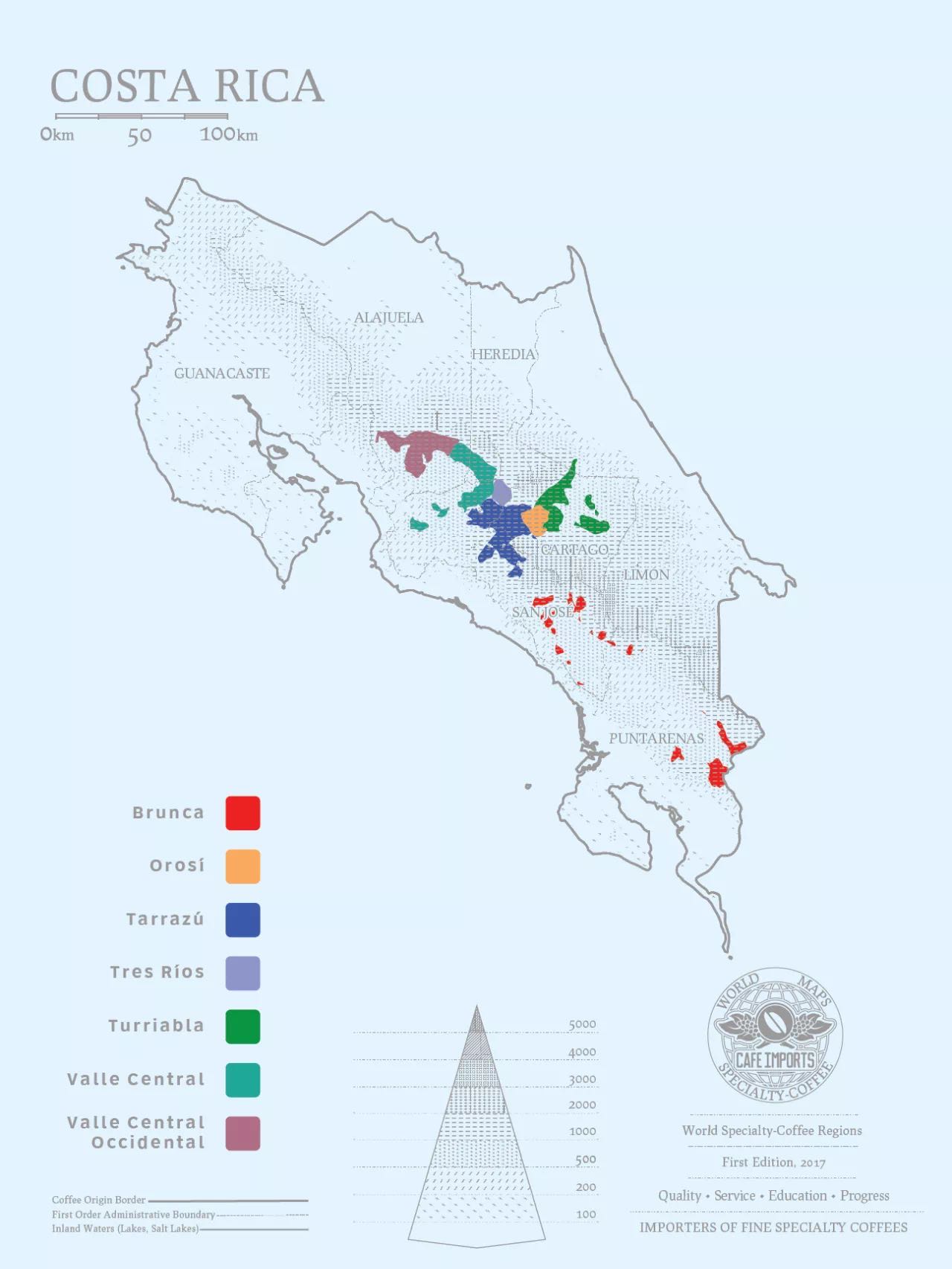
Introduction:Costa Rican Black Honey-processed coffee is renowned for its sweet, rich flavors and is considered the premium tier among honey-processed coffees. This article delves into the differences in processing methods between Black Honey, Red Honey, and Yellow Honey, helps you understand the key distinctions between honey processing and traditional natural (sun-dried) processing, and provides practical pour-over brewing suggestions along with roasting reference data to help you more accurately master the brewing and tasting essentials of Costa Rican specialty coffee.
As the birthplace of the honey process, Costa Rica developed an innovative method that lies between washed and natural processing as early as when it faced challenges such as poor transportation and limited profits. This method is now the widely popular honey processing. Depending on how much mucilage is left on the beans before drying, honey processing can be further divided into Yellow Honey, Red Honey, and Black Honey. Among these, Black Honey, which retains the most mucilage and undergoes the longest drying time, best showcases intense sweetness and complex layers.
The origin of the honey process stems from the transportation difficulties caused by Costa Rica’s mountainous terrain. Many coffee farms are located on steep slopes, and traditional washed processing required hauling the entire batch of coffee cherries down to factories in the valley, often resulting in significant losses due to delays and affecting farmers' incomes. Coupled with the lack of reliable buyers in the mountainous regions at the time, coffee farmers, in order to survive, gradually developed the honey processing method, which allowed for on-site processing while preserving good flavor. This not only reduced transportation losses but also helped secure better returns by improving quality.

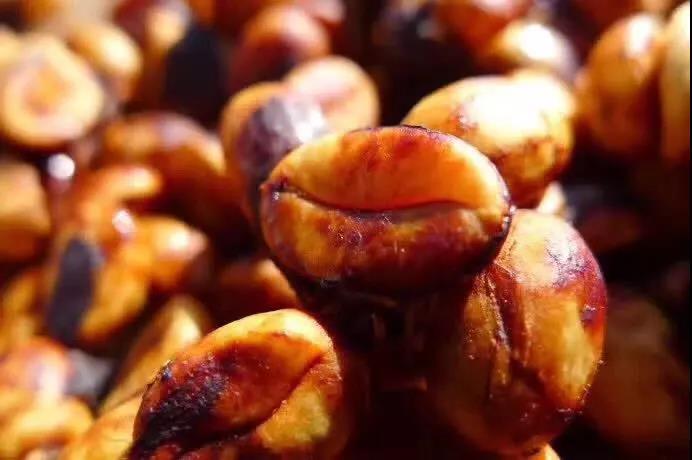
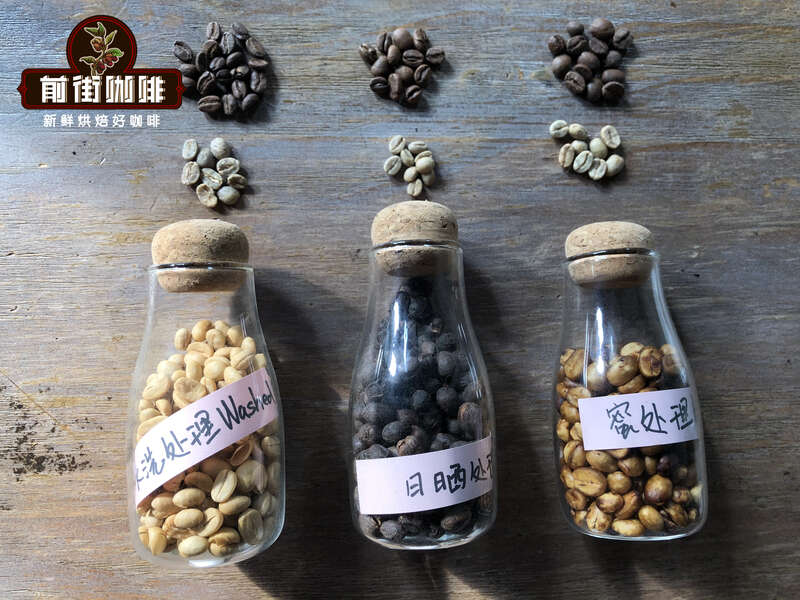
The so-called honey process, known in English as Honey Process or Miel Process, may literally contain the word "honey," but no actual honey is added during production. Its core step involves, after removing the outer skin and pulp of the coffee cherry, deliberately retaining the mucilage layer that is rich in sugars and flavor compounds, and then sun-drying the beans with this mucilage still attached. This processing method retains some of the sweetness and fermented aromas characteristic of the natural process while reducing the risk of mold due to full fruit residue, striking an excellent balance between washed and natural processing.
The complete honey processing procedure is roughly as follows: First, similar to the washed process, the harvested coffee cherries are soaked in water, using buoyancy to remove unripe, overripe, and defective beans, ensuring that only healthy cherries move on to the next stage. Next, the sorted cherries are placed on raised beds for initial drying for about three days until their moisture content drops to around 20%. At this point, a specialized pulper is used to remove the outer skin and most of the pulp, but the mucilage layer is deliberately retained — this is the key to the unique sweetness and body of honey-processed coffee. Finally, the mucilage-covered beans continue to be sun-dried until the overall moisture content is reduced to 11%, at which point they can be properly stored.
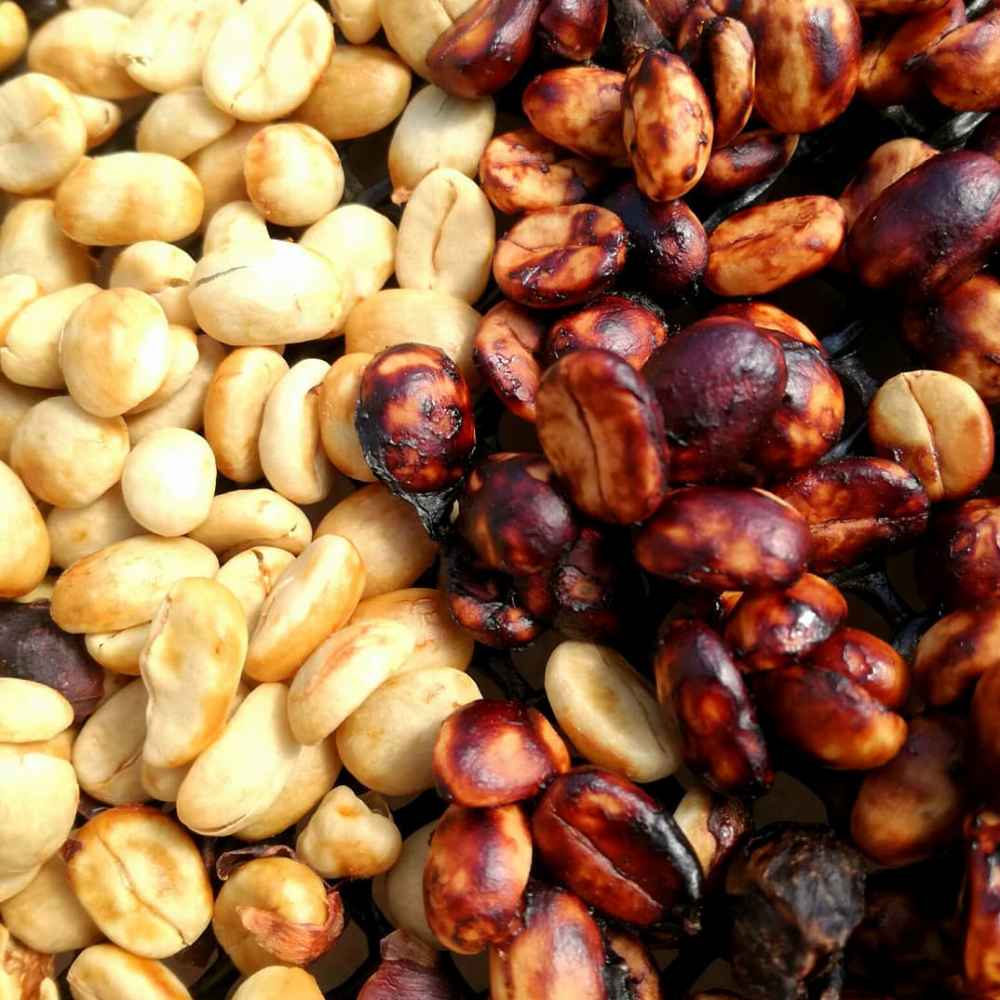
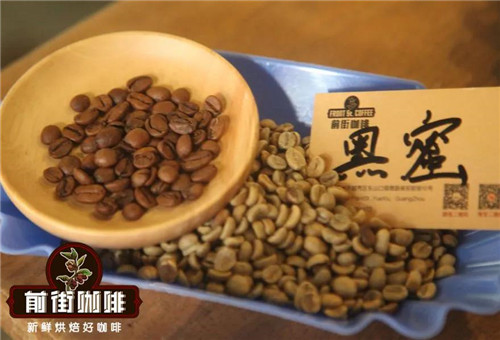
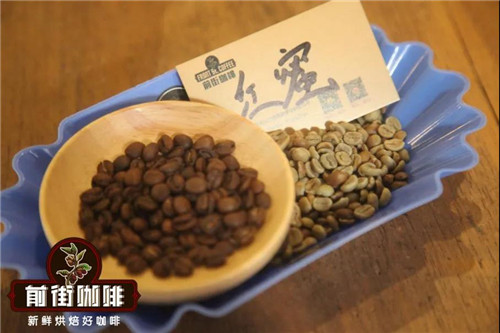
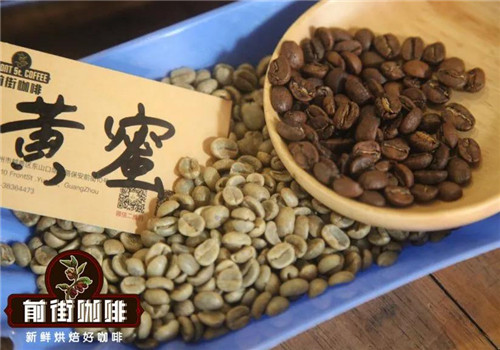
It is worth mentioning that, depending on the proportion of mucilage retained, the honey process can be further categorized:Yellow Honeyusually removes about 40% of the mucilage, and during the drying process is exposed to the most sunlight, taking approximately 8 days, with beans needing to be turned every hour to ensure even drying;Red Honeyretains slightly more mucilage, about 25% less (actual ratios vary by farm), and is sun-dried for about 12 days, also requiring frequent turning, sometimes using a shaded canopy; as for the premium-gradeBlack Honey, it retains almost all the mucilage (with a retention rate close to 100%), and the entire drying process takes at least 14 days, during which covering materials are used to reduce intense sunlight and avoid overly rapid drying, allowing sugars to fully convert and develop the richest, most intense flavor profile.
The advantage of the honey process lies in combining the sweetness of the natural process with the lower risk of the washed process: since the pulp is removed beforehand, the chance of mold is greatly reduced, and because it does not require large amounts of water, the overall processing cost is relatively manageable. However, the honey process is also the most labor-intensive of all processing methods, not only involving numerous detailed steps but also demanding high precision in turning frequency, shading control, and weather judgment during drying. It requires significant manpower and experience; otherwise, off-flavors or uneven fermentation can easily occur.
When processed correctly, honey-processed coffee often exhibits a high level of sweetness, relatively mild acidity, and delicate, layered aromas; but if mishandled, it may present sharp acidic notes akin to vinegar, or even unpleasant onion or garlic-like off-flavors. Some batches may also carry a slight earthiness, and the cleanliness of the aftertaste is generally not as pronounced as that of washed beans. Especially in terms of flavor risk and processing difficulty, the honey process is significantly higher than general wet processing methods, making it an important benchmark for evaluating a coffee farmer's skill and dedication.
Among the three grades — Yellow Honey, Red Honey, and Black Honey — the most notable differences lie in the amount of mucilage retained and the drying duration: Black Honey, with nearly full mucilage retention, requires a slow drying process of over two weeks, with strict control over sunlight intensity to allow sugars to convert slowly, ultimately yielding the richest, most complex fruitiness, caramel sweetness, and body; Red Honey removes about 25% of the mucilage, is dried for about 12 days, occasionally uses a shade canopy, and is turned several times daily but not as frequently as Black Honey; Yellow Honey removes about 40% of the mucilage, receives the most sunlight, and dries for about 8 days, requiring hourly turning to ensure evenness. In short, from Yellow Honey to Black Honey, not only does the drying time gradually increase, but the demands on environmental control and labor input also become stricter, while the depth and richness of flavor also intensify accordingly.
Speaking of the popularity of the honey process, in addition to its unique sweet flavors, the different color-graded classifications also offer consumers a variety of choices. From entry-level Yellow Honey to advanced Black Honey, each has its own characteristics and price range, catering to coffee enthusiasts at different levels. Especially for those new to specialty coffee, honey-processed beans are often more readily accepted due to their prominent sweetness, breaking the stereotype that “coffee = bitter.”
Compared to the honey process, the natural (sun-dried) process is arguably the most traditional and oldest method of coffee processing. Its steps are relatively simple: after harvesting, coffee cherries are manually sorted to remove defective ones, then directly placed in sun-exposed areas for long-term drying until the moisture content drops to 11% before subsequent pulping and storage. The drying period usually lasts 3 to 4 weeks, varying with weather conditions and region.
The biggest advantage of the natural process is its low equipment and technical barriers, relatively low cost, and, under the right conditions, the ability to produce richly fermented flavors with distinctive characteristics, often exhibiting wine-like aromas, berry notes, and abundant sweetness. However, its disadvantages are also quite evident: the drying process is highly sensitive to weather. Rainy seasons or insufficient sunlight can easily lead to uneven drying, thereby increasing the risks of mold or defects. Additionally, prolonged attachment of pulp and mucilage, if not properly managed, can more easily produce off-flavors or microbial contamination. To overcome these issues, many modern natural processes have adopted elevated drying beds, timed turning, and clean environment controls, developing what is known as the “refined natural” technique, significantly improving quality stability.
Overall, although both the honey process and the natural process rely on sun drying, they differ significantly in processing procedures, flavor profiles, and technical requirements. The honey process retains part of the mucilage to balance fermented aromas and sweetness while reducing mold risk and water usage; the natural process, on the other hand, uses the most traditional method to bring out intense fruitiness and wine-like notes, but demands higher environmental and technical standards, with greater risks of quality fluctuation.
Taking actual coffee offerings as examples, the Costa Rican Finca La Fénix Sapphire is a natural-processed coffee grown at an altitude of 1600 meters, with varieties including Caturra and Catuaí, and is known for its rich berry and tropical fruit aromas. It is recommended to use medium roast, employing a Yangjia 800N roaster, with an inlet temperature of 170°C, reaching 97.9°C at the 1’36” turnaround point, then steadily increasing until just before first crack, with a development time of 2’05”, and an outlet temperature of 195°C, which fully highlights its fruity character and sweetness.
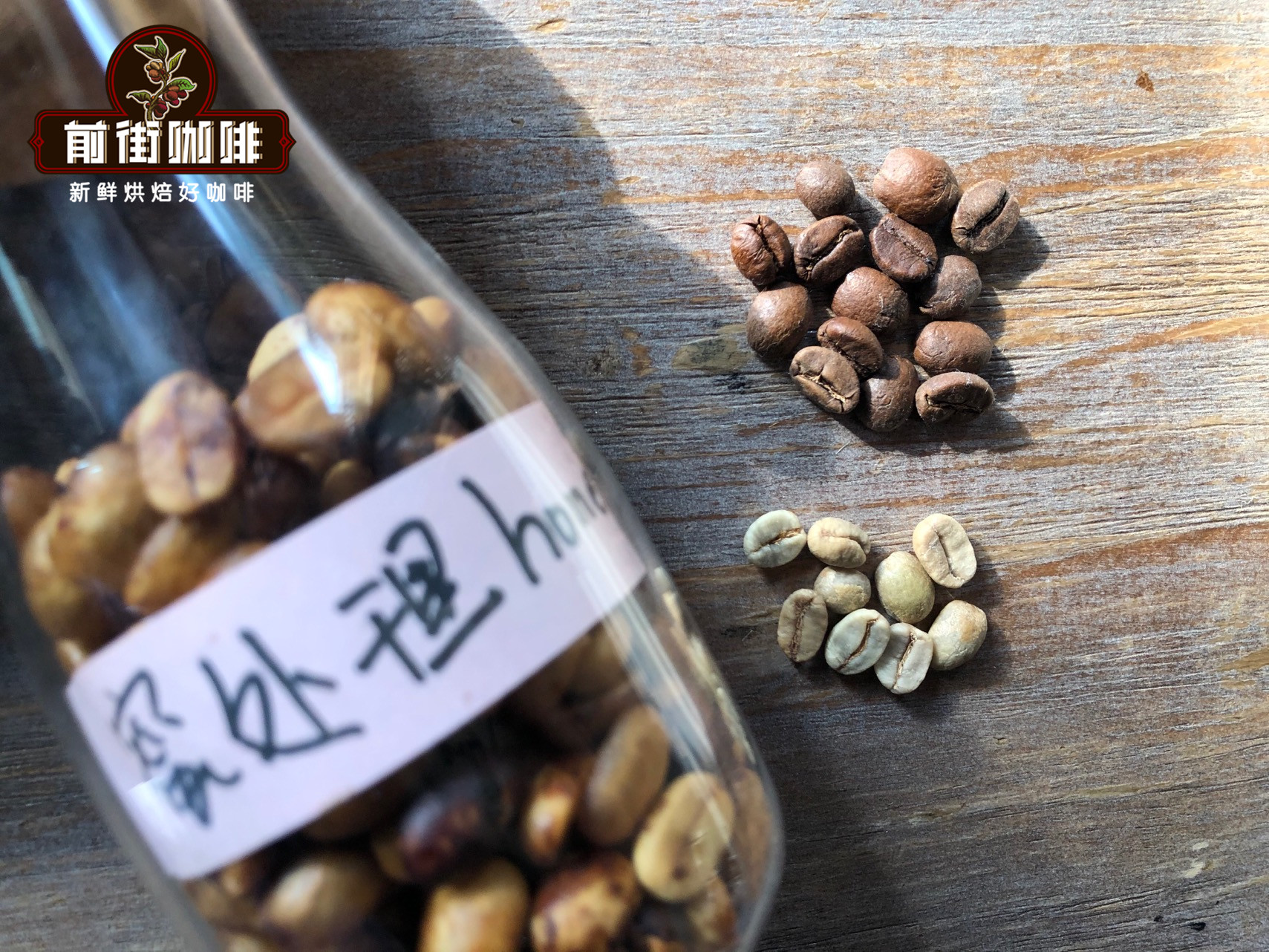
Another offering, the Costa Rican Finca Canet Bacha, is a representative of raisin-style honey processing, grown at a high-altitude area of 1950 meters, with the Caturra variety. Its appearance shows the typical yellow-green hue of honey-processed beans, with fresh citrus and subtle fermented fruit aromas. It is recommended to use a Yangjia 800N semi-direct-fire roaster, with an inlet temperature of 200°C, power set at 160, steadily increasing after the turnaround point, with first crack development lasting 1’45”, and an outlet temperature of 193.8°C, perfectly showcasing its rich fruit sweetness and layers of cream and cocoa.
For pour-over recommendations, both beans are well-suited for the Hario V60 filter, with water temperature controlled at 90°C, a coffee dose of 15 grams, a brew ratio of 1:16, and a medium-fine grind (such as EK43s setting 10, approximately 80% passing through a 20-mesh sieve). Use a staged extraction method: first pour 34 grams of water for a 30-second bloom, then pour in small circles until reaching 127 grams for the first stage, wait until the water level drops and is about to expose the coffee bed, then continue pouring to 240 grams before removing the filter. Total brew time is about 2’05”. These parameters help balance acidity and sweetness, highlight clear layers, and deliver a rich, lingering finish.
In terms of flavor, the Costa Rican Finca La Fénix Sapphire presents notes of strawberry, tropical fruit, and fermented wine, with a honey and cocoa aftertaste, smooth mouthfeel, and distinct layers; whereas the Finca Canet Bacha exudes a sake-like fermented aroma, with an entrance of ripe tropical fruit and berry acidity and sweetness, a mid-palate of nuts, cocoa, and cream tones, and an aftertaste of caramel and subtle floral notes, delivering an overall rounded and dynamic cup.
The above content is compiled by CoffeeHunters, a coffee news website.


