







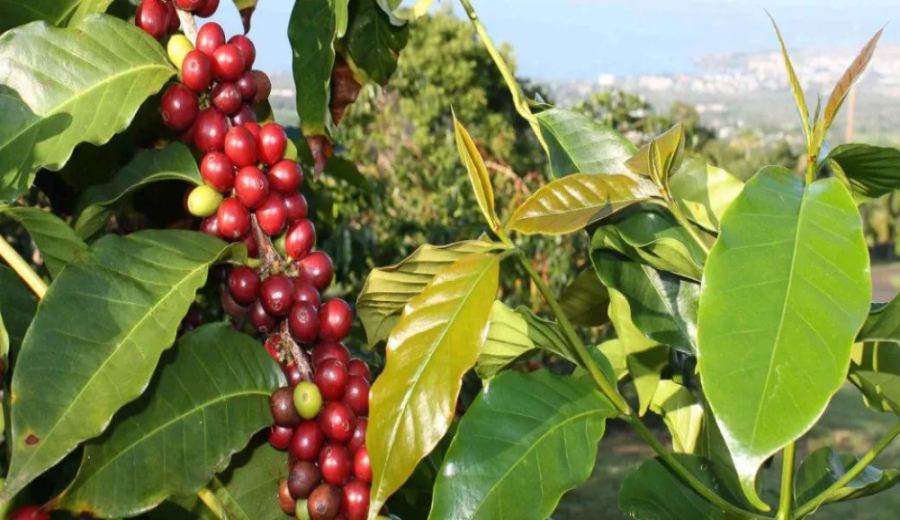
Introduction:Caturra is a classic Arabica variety originating from Bourbon, known for its high yield potential and outstanding flavor profile, and is widely cultivated in Central and South America. This article delves into the origin of the Caturra variety, its plant characteristics, differences among fruit colors, and offers practical pour over brewing recommendations for medium to dark roasts — including suggestions on brew ratio, water temperature, grind size, and a three-stage brewing process. It also analyzes the flavor profile using a washed red Caturra as a real-world example to help you better understand the key brewing points of this classic bean.
Caturra is one of the most representative Bourbon-derived varieties under the Arabica species, valued for its relatively high productivity and good flavor performance, making it highly favored across various producing regions in Central and South America. This variety originated between 1915 and 1918, first discovered in a Bourbon plantation in Minas Gerais, Brazil. The coffee plants in that location exhibited a noticeable genetic mutation causing the trees to be significantly shorter, resembling dwarfism. Locals referred to it in the Guaraní language as "Caturra," meaning "small," and it is sometimes also called "Nanico."
One of Caturra’s standout features is its adaptability to dense planting. Its shorter plant height makes harvesting and management more convenient, and unlike some Arabica varieties, it does not rely heavily on shaded environments — it can even thrive under full sun, which is why it is also known as "Sun Coffee." Its ideal planting altitude ranges from 700 to 1,700 meters; the higher the altitude, the richer the flavors tend to be, though yield may decrease accordingly. Generally, regions with altitudes between 1,200 and 2,000 meters and annual precipitation of 2,500 to 3,500 mm can achieve a balance between quality and yield. This variety typically exhibits bright acidity and rich fruity notes, often developing chocolate and nutty sweetness after medium to dark roasting, making it a popular choice in coffee competitions.
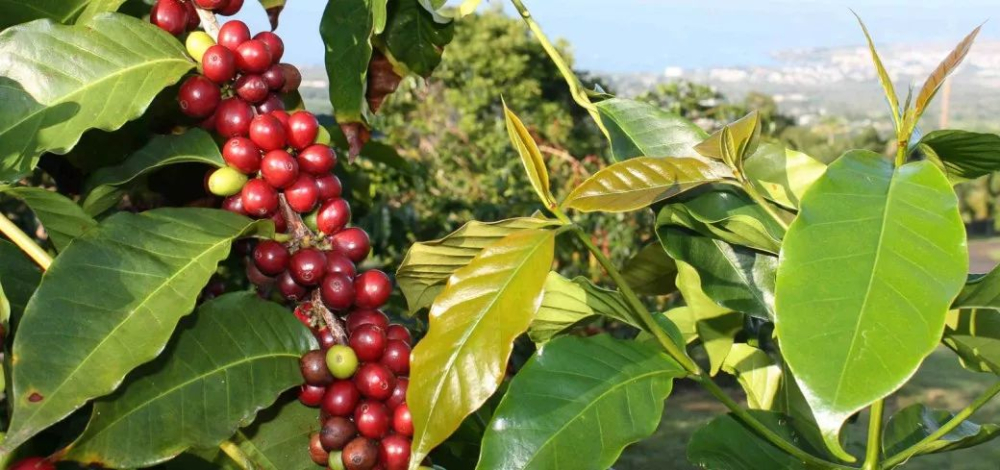
However, Caturra also has its drawbacks. Under high-density planting, while yield per unit area is high, the plants can become overstressed, affecting their overall health, and require greater inputs of fertilizer and management resources. Moreover, it has relatively weak disease resistance and is not very resilient to common coffee diseases such as leaf rust and nematodes, making it susceptible to infection that can weaken or kill the plants.
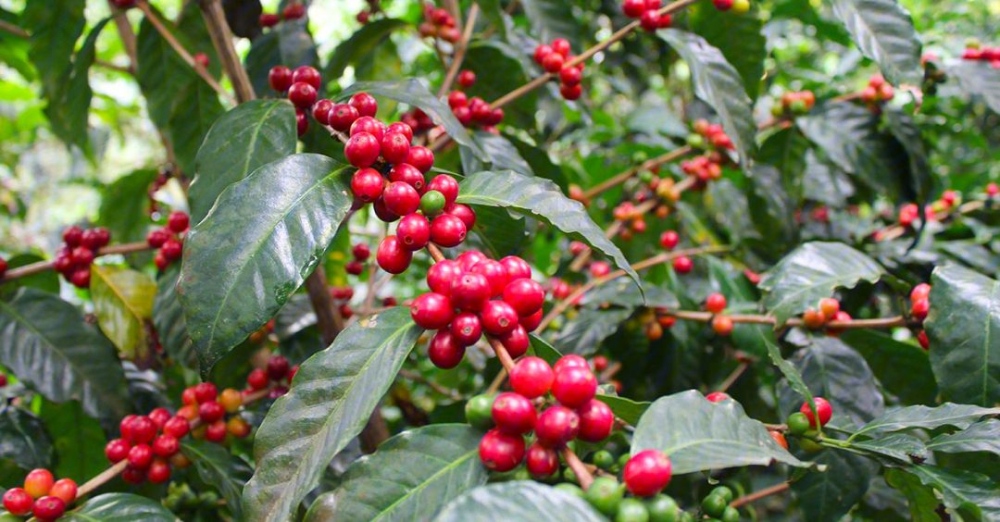
Based on fruit color, Caturra can generally be divided into three types: red Caturra (Caturra Vermelho), yellow Caturra (Caturra Amarello), and purple Caturra (Purple Caturra). Among these, red Caturra is the most common, with flavor profiles varying significantly depending on origin, processing method, and roast level. Yellow and purple Caturra are less common and usually result from recessive genetic mutations.
To gain deeper insight into the actual flavor profile of Caturra, you can refer to a real-world example — a washed red Caturra used in a daily-drinking coffee bean from Huila, Colombia. Processed via the washed method, this bean delivers a clear flavor profile, retaining soft layers of fruity acidity while offering moderate body and a sweet, lingering finish. To highlight the nutty character commonly found in Colombian coffees without losing some of the bright acidity, roasters often opt for a medium to dark roast to strike a balance between flavor development and structural stability. Prior to launch, the beans typically undergo at least one round of professional cupping to assess overall performance and potential areas for improvement.
For medium to dark roasted Caturra beans, due to the deeper roast level, the bean structure becomes more porous, leading to increased water absorption. Therefore, it is recommended to usea medium grind sizeto facilitate subsequent extraction. Additionally, to avoid over-extraction of astringent or harsh compounds, you may moderately lower the water temperature, aiming for around90°C, and choose a pour over device such as the KONO dripper that ensures stable flow rate and filtration during brewing.
Below is a set of practicalpour over parameters and a three-stage extraction methodsuitable for most medium to dark roasted Caturra beans:
Dripper:KONO #01
Water temperature:86–88°C (recommended closer to 88°C to balance body and acidity)
Coffee dose:15 grams
Brew ratio:1:15
Grind size:EK43s #10.5 (approximately equivalent to 75% passing through a standard Chinese No. 20 sieve, i.e., medium-fine to medium grind)
Pour over steps (three-stage extraction):
1. Start with a 30g bloom pour for about 30 seconds to help degas and release aroma.
2. Then pour in a small circular motion; when the total water volume reaches 125g, perform the first pause and let it sit briefly.
3. When the water level gradually drops and is about to expose the coffee bed, pour again until the total reaches 225g, then stop pouring.
4. When the water level drops again and is about to expose the coffee bed, remove the dripper to end the extraction.
The total extraction time is recommended to be around 2 minutes (2'00")in total.
This parameter combination effectively highlights the rich body of medium to dark roasted Caturra while preserving moderate fruity acidity, making it suitable for coffee lovers who enjoy balanced flavors with nutty and chocolatey notes.
After actual brewing, you may notice a strong raisin aroma even during the grinding stage, and once pouring begins, white floral notes gradually emerge. On the palate, prominent passion fruit tones accompany soft grape-like acidity, with a honey-like sweetness lingering in the aftertaste. The overall flavor is layered and well-balanced, making it a medium to dark roasted Caturra worth savoring.
The above content is compiled by CoffeeHunters, a coffee news website.


