







Introduction:Pink Bourbon is a rare and distinctive coffee variety from Colombia, beloved by specialty coffee enthusiasts for its unique berry notes and soft acidity. This article delves into the distribution of Colombia’s major coffee-growing regions, explores the origins and scarcity of the Pink Bourbon variety, and details the differences between washed, semi-washed, and anaerobic washed processing methods. Additionally, it provides comprehensive information on three Pink Bourbon coffees—including detailed origin profiles, flavor profiles, roast characteristics, and practical pour-over brewing recommendations—offering a complete guide from bean selection to brewing.
Colombia is not only the world’s third-largest coffee exporter but also an important producer of specialty coffee, boasting renowned regions from Huila to Cauca. Beyond common varieties like Caturra and Bourbon, Pink Bourbon has gradually emerged in the market due to its rare pink coffee cherries and captivating berry flavors. This article begins with regional distribution and variety background, gradually analyzing the characteristics of Pink Bourbon, and introduces readers to washing, semi-washed, and anaerobic washing processing techniques, further exploring the actual performance and brewing techniques of three classic Pink Bourbon coffees.
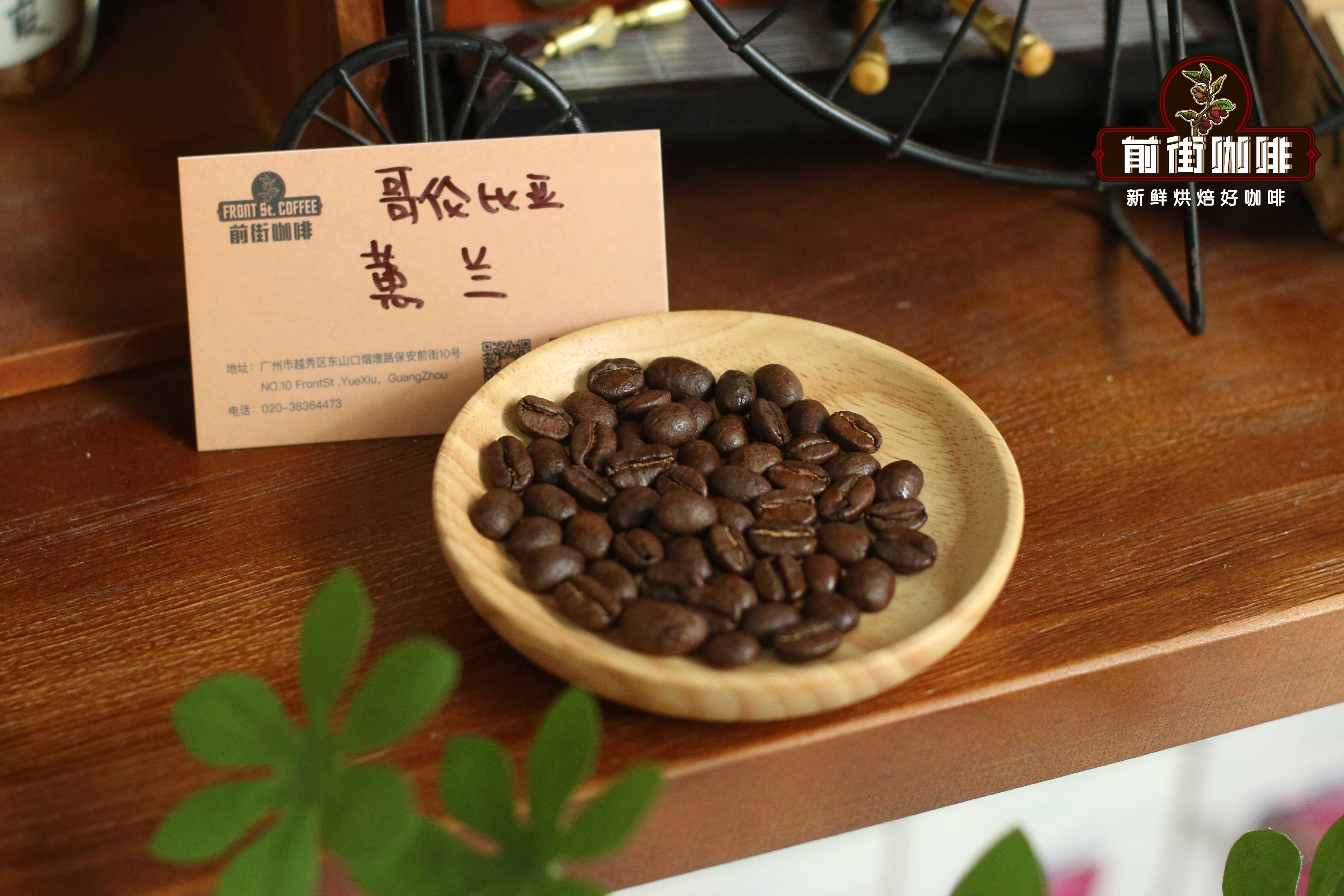
Among Colombia’s well-known everyday coffee beans, Colombian Huila beans are known for their rich nutty and chocolatey profiles, making them ideal as a base for espresso blends and favored by fans of espresso and milk-based coffee. However, if you prefer bright berry acidity and floral-fruity aromas, then Pink Bourbon is a must-try. Although such flavors are not mainstream in Colombia, the variety’s rarity and delicate taste offer coffee lovers a refreshing experience.
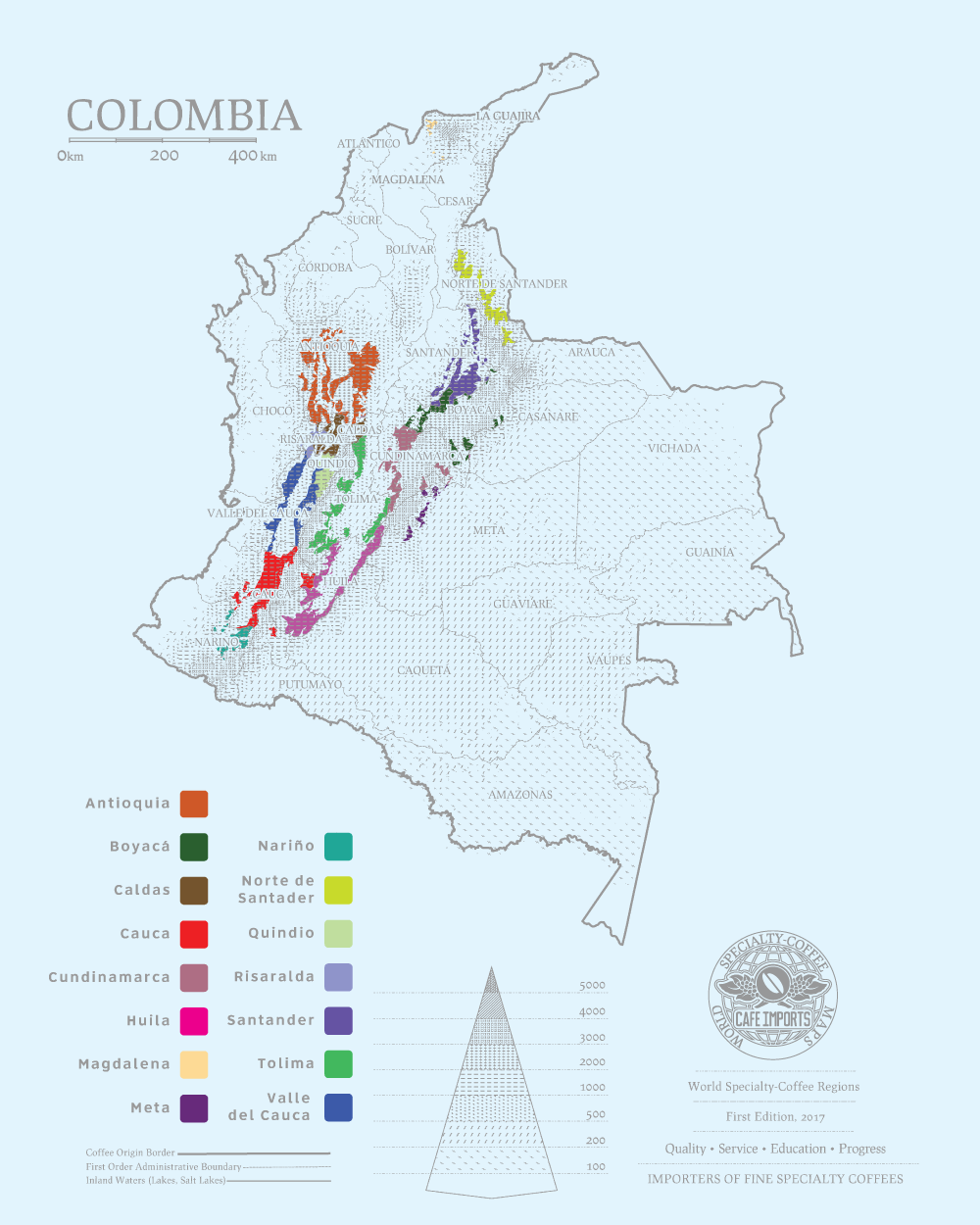
Located in the northwest of South America and bordering Panama, Colombia has become a globally significant Arabica coffee exporter since 1808, when a priest passing through Venezuela introduced coffee seeds from the French Antilles. Its unique geographical environment, along with its status as one of the country’s "four treasures" alongside coffee, flowers, gold, and emeralds, adds to the allure of its coffee industry.
Colombia’s specialty coffee is primarily concentrated in the southern high-altitude regions, mostly above 1,500 meters, with well-known areas including Huila, Cauca, Tolima, and Nariño. Among these, Santander and the northern regions, with elevations of 1,400–1,600 meters, often exhibit strong, herbaceous flavors; Antioquia, influenced by the Caribbean climate and mountainous terrain, accounts for 18% of the country’s coffee production. Tolima lies between Huila and Cauca, while Huila and Cauca, with their high altitudes and superior natural conditions, produce numerous specialty coffees.
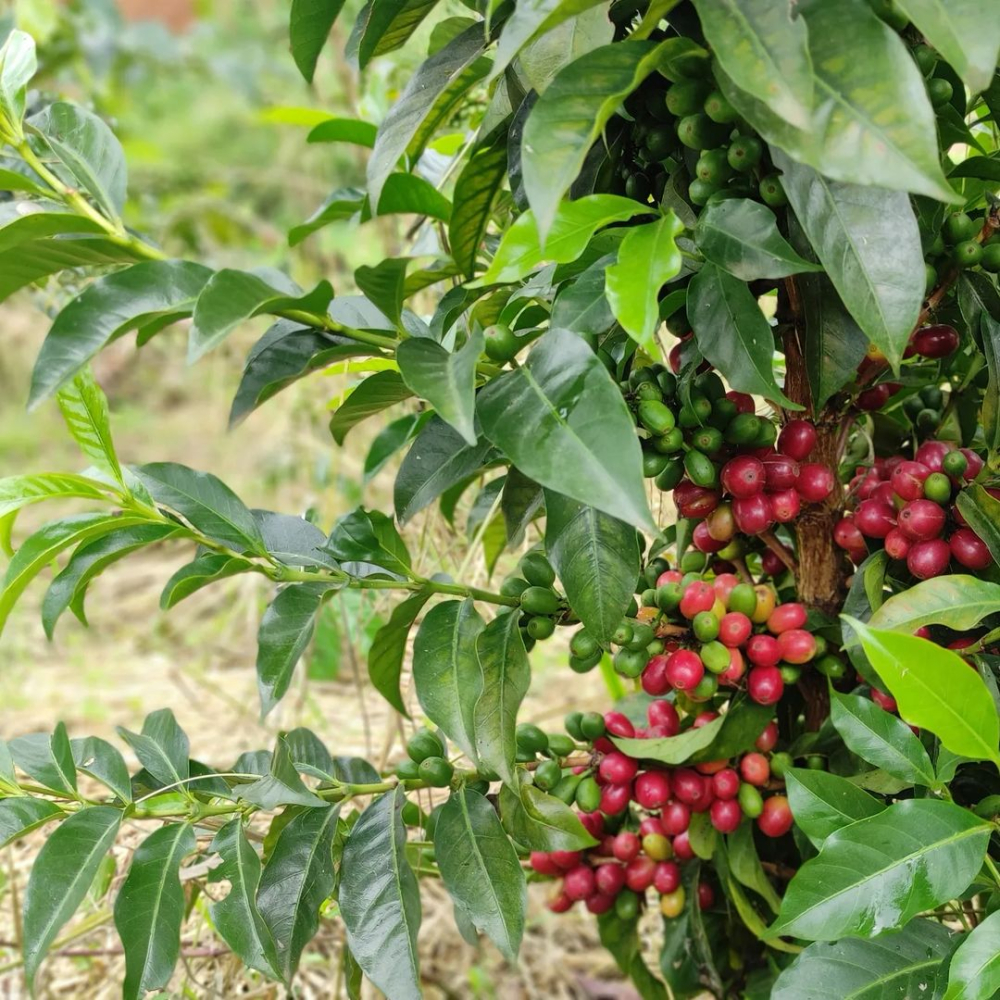
In addition to common varieties like Caturra, Bourbon, Typica, and Pacas, Colombia also cultivates disease-resistant varieties such as Castillo, Tabi, and Colombia, as well as rare ones like Geisha, Mocha, Rume Sudan, Eugenioides, Pointed Bourbon, Maragogype Geisha, and Pink Bourbon. Pink Bourbon is a hybrid selected from Red Bourbon and Yellow Bourbon, first grown in Huila, where its cherries ripen to a romantic pink color. Due to complex genetic interactions, maintaining this color consistently is extremely difficult, making it very rare.
Washed processing is the predominant method for Colombian coffee beans, as it clearly highlights the basic flavors of the origin and serves as an introductory way to understand the essence of coffee. Compared to natural processing, washed processing allows for more precise control of fermentation, but it requires significant water resources, making it less common in water-scarce regions. The traditional washed process includes sorting, depulping, mucilage fermentation, washing, drying, hulling, and final grading—each step influencing the final flavor profile.
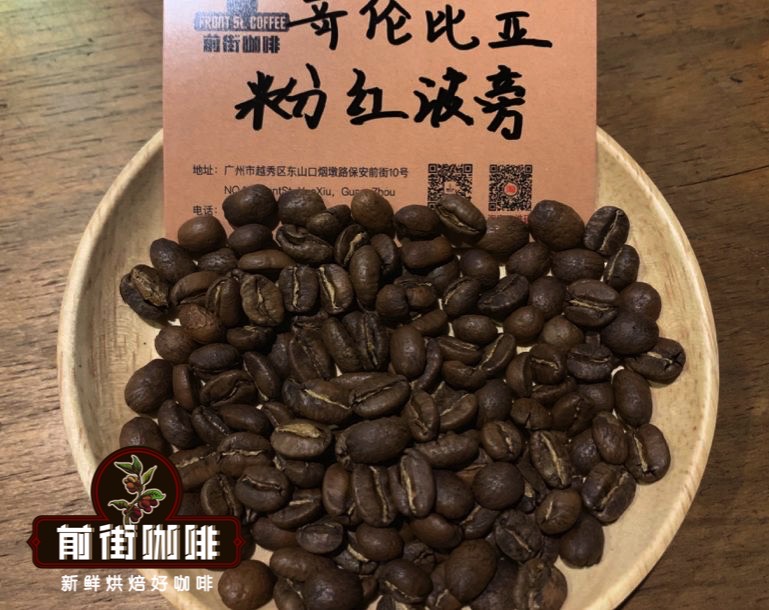
In the Pink Bourbon series, the washed version comes from the Cauca region, grown at an altitude of 1,930 meters, with floral aromas as the main theme, accompanied by citrus, lemon, cocoa, caramel, and tea notes, and a delicate layering of flavors. It is recommended to use a V60 filter, with a water temperature of 90°C, a coffee-to-water ratio of 1:15, and a grind size of about 80% through a #20 sieve. Start with a 30-second bloom using 30 grams of water, then pour in stages up to 225 grams, with a total extraction time of about 2 minutes, to fully showcase its bright acidity and balanced sweetness.
The semi-washed method is an improvement on traditional washed processing, omitting the fermentation and washing steps and instead using mechanical removal of mucilage to reduce water consumption. The resulting flavor typically falls between washed and natural, with softer acidity and pronounced sweetness. The semi-washed Pink Bourbon comes from Huila, grown at 1,760 meters, offering aromas of citrus, berries, cherry tomatoes, and honey. The same V60 setup is recommended, maintaining a water temperature of 90°C and a 1:15 coffee-to-water ratio, with a 30-gram bloom to start. The pouring technique aids in even extraction.
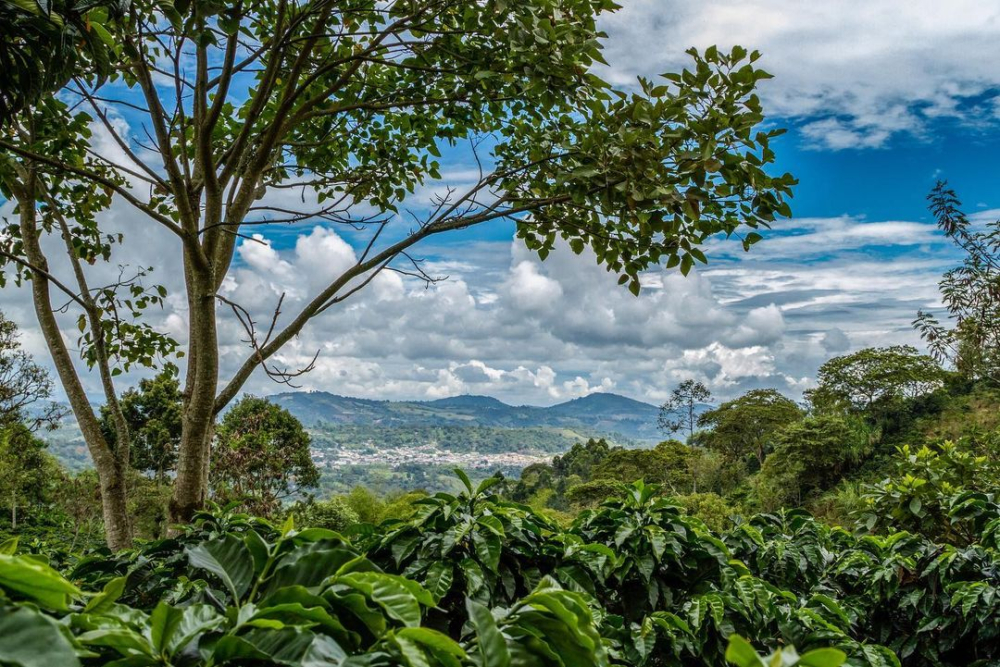
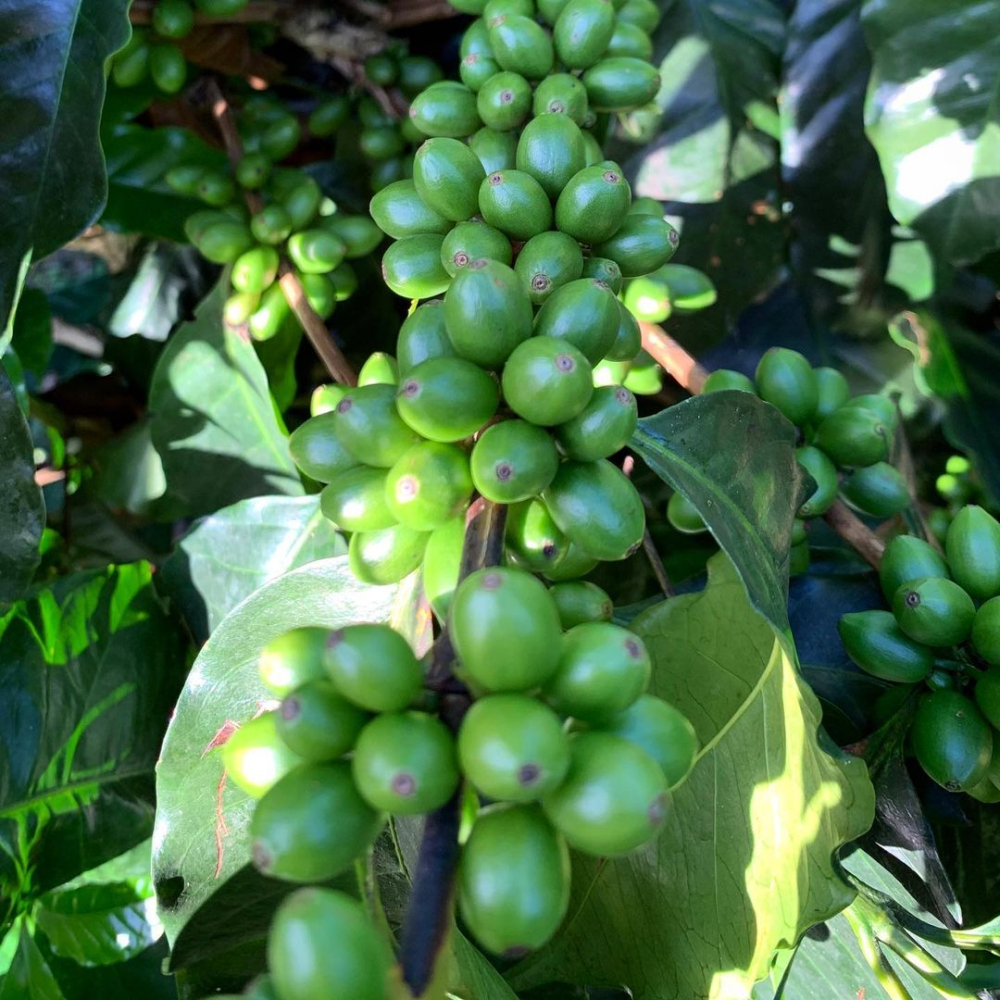
Anaerobic washed processing involves fermentation in an oxygen-free environment, requiring precise control to avoid off-flavors from over-fermentation. The process begins with a 12-hour dry fermentation of the coffee cherries, followed by depulping and 24 hours of anaerobic fermentation, then slow drying on raised beds to a moisture content of 10–12%. This method brings out intense fruity aromas and unique flavor profiles. The anaerobic washed Pink Bourbon comes from Hopes Estate in Huila, grown at 1,900 meters, with flavor notes of black plum, blackberry, and citrus, paired with black tea and cocoa undertones. The same V60 filter and basic parameters are suitable, highlighting its rich layers and full body.
The above content is compiled by CoffeeHunters, a coffee news website.


