








Introduction:Colombia is the world's third-largest coffee-producing country and the only nation where the law mandates that only Arabica varieties can be grown. It is renowned for its high yield and consistent quality of washed beans. This article will delve into the characteristics of Colombia’s major coffee-growing regions, explore the actual flavor differences between entry-level everyday beans and premium estate beans, and provide specific V60 pour-over brewing parameters along with hands-on brewing insights to help you fully grasp the essentials of selecting and brewing Colombian coffee.
Colombia is not only the world’s third-largest coffee producer but also currently the only country in the world with legislation explicitly limiting coffee cultivation to Arabica varieties. Its production of washed beans ranks first globally. The majority of its coffee-growing areas are located in the highlands of the Andes Mountains. The unique microclimates and meticulous management by local smallholder farmers produce balanced and stable coffee flavors, winning widespread acclaim among coffee enthusiasts worldwide. This article will take you through the region’s geography, farming models, and natural conditions, and will also highlight popular beans from a well-known coffee retailer’s product list—including the everyday-grade Huila washed Caturra and the premium Sidra double anaerobic natural—explaining brewing parameters and actual flavor profiles in detail to help beginners build a comprehensive understanding of Colombian coffee.

As the world’s third-largest coffee producer, Colombia not only ensures a stable supply but also maintains a high standard of quality, allowing it to maintain a strong presence in the international market. It is the largest exporter of washed Arabica in the world and the only country where the law restricts coffee cultivation exclusively to Arabica varieties. With long-term government policy support, Colombia has successfully transformed from a once-notorious coca-producing region into a leading exporter of high-quality coffee.
Many coffee beginners, when faced with the extensive and varied coffee bean offerings from a popular coffee retailer, often feel overwhelmed. On one hand, the choices are overwhelming; on the other, they may not be familiar enough with the flavor profiles of each region to know which beans suit them best. In fact, this retailer previously launched a series of “everyday beans” designed to allow consumers to enjoy representative regional characteristics at more affordable prices. If you’ve tried these everyday beans, you’ve likely already gained a preliminary understanding of the basic styles of the world’s major coffee-producing regions. This article will focus on Colombia, giving you a broad overview of its unique coffee culture and flavor characteristics.
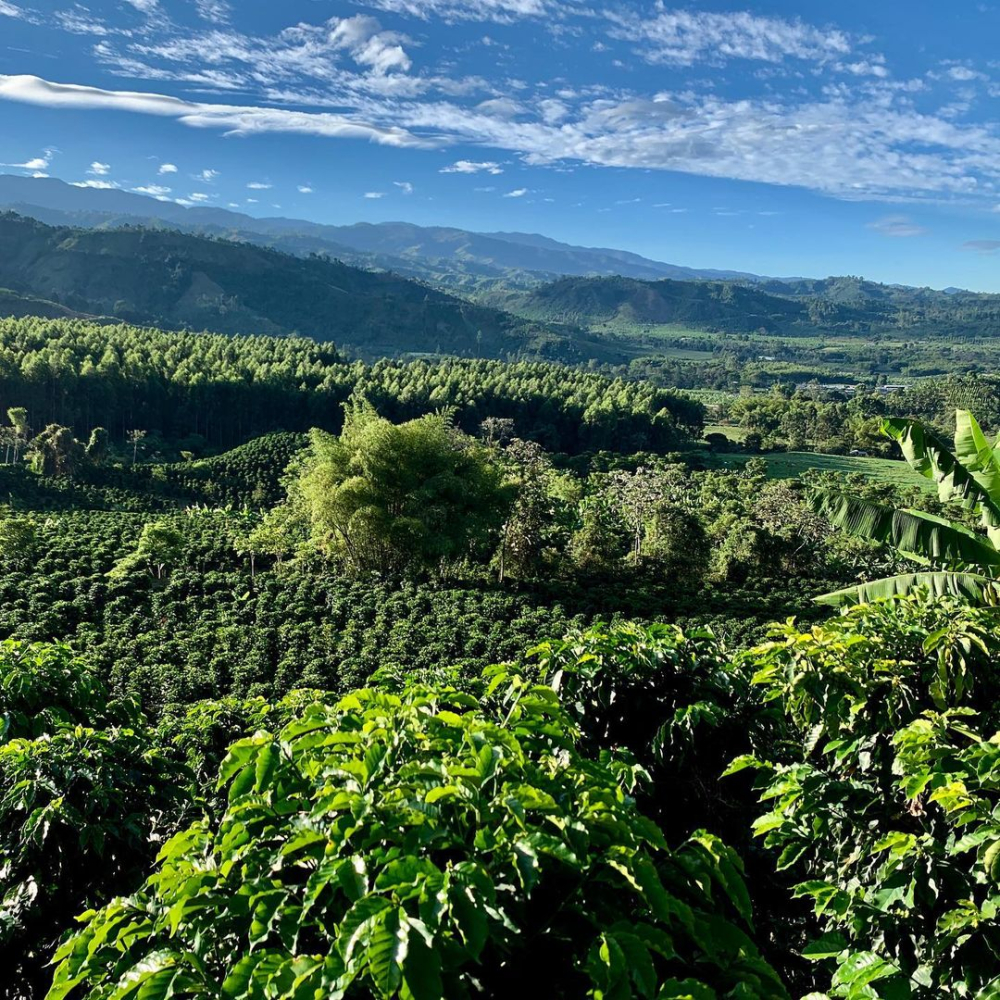 The reason Colombia continues to attract global consumers goes beyond mere market demand—it’s also due to its commendable coffee quality and consistent flavor profile. The country has over 563,000 households, involving nearly 800,000 people engaged in coffee farming, with up to 95% of farms covering less than 5 hectares, and as many as 60% of coffee farmers cultivating on plots smaller than 1 hectare. Only 0.5% of producers manage farms larger than 20 hectares. The total coffee-growing area in Colombia spans 881,000 hectares, about a quarter of the country’s arable land, with an average of approximately 1.7 hectares of coffee farms per household. It is estimated that there are 2.7 billion coffee trees nationwide, 66% of which are cultivated in modern, professional estates, while the rest are grown on small traditional farms operated by smallholders. Nowadays, most coffee farmers are in the second generation of family operations. These well-educated, culturally diverse young people are actively driving innovation in farming techniques and promoting sustainable practices.
So what makes so many people choose to grow coffee? The answer is simple: stable demand ensures continuous production. The widespread popularity of Colombian coffee is largely due to its outstanding quality and exceptional taste.
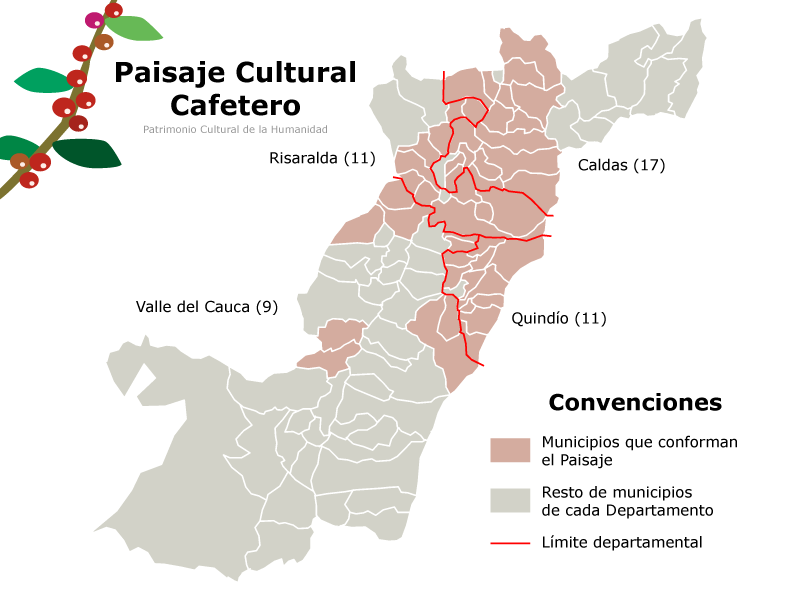
Colombia boasts four natural and cultural treasures known as the “four jewels”: flowers, gold, emeralds, and coffee. Among them, coffee becoming a national symbol is no accident. The country, located in the tropics, experiences diverse climates due to its varied terrain. Despite its low latitude, much of the land sits at high altitudes, with most coffee-growing regions concentrated between 1,200 and 1,900 meters above sea level, particularly along the Andes Mountains. The undulating mountains create diverse microclimates, enabling harvest seasons to be spread throughout the year and allowing different varieties to mature at staggered times. Notably, Colombia is less prone to frost damage compared to Brazil, which is another key factor contributing to its stable production.
 Beyond geographical advantages, Colombian coffee farmers are also extremely dedicated to cultivation management. In typical coffee farms, growers plant shade-providing trees or banana trees around coffee plants, and during the seedling stage, they set up shade structures to maintain suitable levels of shade and humidity. The coffee plantation environment usually has higher humidity and smaller day-night temperature variations, which help the coffee cherries ripen slowly, thereby accumulating more caffeine and aromatic compounds and enhancing the complexity of the final flavor.
In the product list of a well-known coffee retailer, Colombian-origin beans occupy a significant share. Offerings such as Moonlight Garden, Rose Valley, San Jose, Sakura, Hanami, and the recently launched Orange Soda each showcase highly distinctive flavor personalities. Although Colombia is famed for its washed beans, among these beans, only Hanami is washed—it is actually a Gesha blend. Its dry aroma carries spicy notes and floral scents reminiscent of chamomile. Upon tasting, it delivers bright acidity with a sweet-tart profile akin to mandarin oranges. The flavors are clear and leave a lasting impression.
The variety used in this coffee is Caturra, a natural mutation of the Bourbon variety, which is widely planted in Colombia, accounting for roughly half of the country’s total production. Below are the recommended V60 pour-over parameters:
Brewing equipment:V60 dripper
Water temperature:91°C
Coffee-to-water ratio:1:15
Coffee dose:15 grams
Grind size:80% passing rate through a Chinese No. 20 standard sieve (approximately medium-fine grind)
Brewing steps:Begin with a 30-second bloom using 30 grams of water, then pour water in small circular motions. When the total water volume reaches 125 grams, perform the first pour. Once the water level drops slightly, continue pouring until you reach 225 grams, then stop pouring. Remove the dripper when the water level is about to expose the coffee bed. The total extraction time is approximately 2 minutes. The flavor profile of this Huila washed Caturra includes a distinct nutty character, medium-to-high body, and a caramel-like sweetness. As it cools, subtle fruity acidity becomes noticeable.
To further explore the diverse profile of Colombian coffee, try the Sidra variety processed via double anaerobic natural. This coffee comes from the Boundary Estate in the Huila region. Though it shares the same origin as the Huila washed, the different processing method gives it a completely unique personality. Through extended fermentation using the double anaerobic natural process, this bean achieves greater richness in aroma and layers. Using the same V60 settings, the brewed cup reveals intense floral notes, with balanced flavors of passionfruit, grape, and apricot. The finish carries almond notes, with fermentation character present but well-controlled—not overpowering.
The reason Colombian coffee maintains a strong foothold in the global market lies not only in its exceptional natural conditions but also in a comprehensive industry support system. The Colombian Coffee Growers Federation (FNC) is the country’s sole official coffee industry organization and one of the largest agricultural NGOs in the world. It represents over 540,000 coffee farming families and is committed to fostering cooperation and collective decision-making to protect the rights of growers. The federation provides support in areas such as technology research, cost control, and quality improvement. It is also responsible for export quality assurance, ensuring that every batch of green beans leaving Colombia meets international standards, thereby safeguarding the final flavor and quality for global consumers.
The above content is compiled by CoffeeHunters, a coffee news website.


