







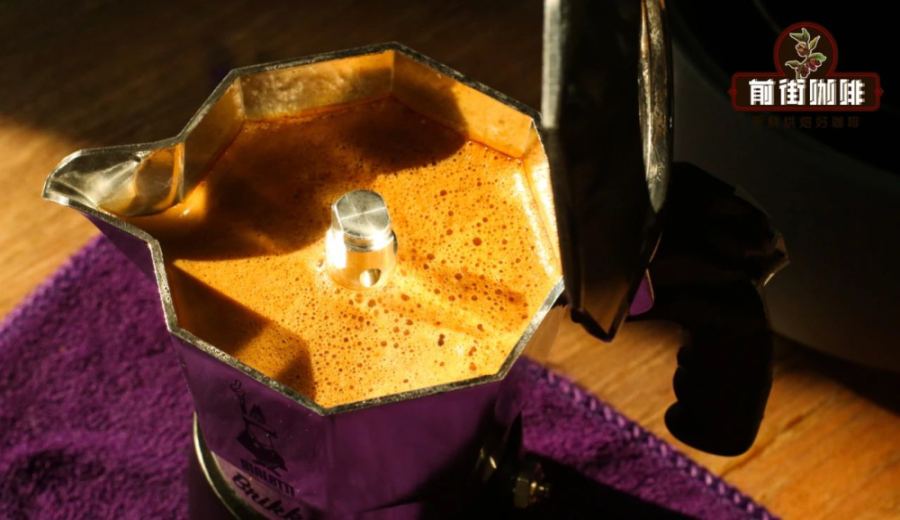
Introduction:Many beginner coffee enthusiasts often mistakenly believe that a moka pot can only brew ordinary espresso. However, with the right techniques, it is also possible to extract coffee with captivating crema. This article delves into how to use fresh coffee beans, medium-dark roasts, and precise grind sizes to achieve an intense cup of coffee with your home Bialetti moka pot that rivals those from professional cafés. We also recommend several practical bean selections and provide a full step-by-step guide to help you easily elevate your home coffee experience.
Many people often confuse the terms "mocha coffee" and "moka pot." The former refers to the classic beverage made by adding chocolate syrup to a latte, while the latter is a simple-structured, affordable Italian-style espresso brewing device that is very suitable for home use. Thanks to its ease of operation, the moka pot can produce a richly flavored espresso-like coffee, often accompanied by a layer of aromatic crema on the surface. If you too want to brew coffee with rich crema using a Bialetti moka pot at home, the key lies in three main factors: the freshness of the coffee beans, an appropriate roast level, and precise grind fineness.
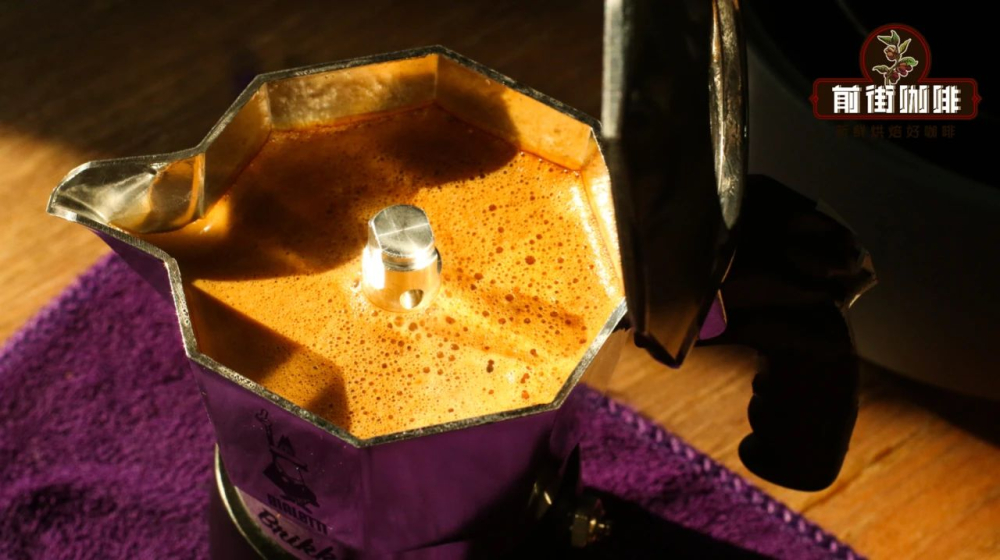
For many households, the moka pot is often their first encounter with espresso-style coffee. Not only is it compact and easy to store, but it is also much more affordable than professional coffee machines. Moreover, it doesn’t require complex technical skills to brew a concentrated coffee with a focused flavor. Simply dilute it with water to turn it into an Americano; add hot milk, and it instantly becomes a mocha latte. That’s precisely why the moka pot has become the go-to tool for many people entering the world of espresso coffee.
So how exactly can you brew coffee with rich crema using a moka pot? The secret actually lies in three key elements: First, you must use freshly roasted coffee beans to ensure optimal flavor and sufficient carbon dioxide content; second, it is recommended to choose medium-dark roasted beans, which help release enough oils; and finally, grind fineness is crucial—too coarse or too fine will affect both extraction and crema formation. Next, we’ll introduce several coffee beans that have performed excellently in tests, along with detailed moka pot operation steps.
To obtain stable and fresh coffee beans, it is recommended to choose reputable roasting brands, such as those in the industry. This brand offers over 50 different flavors of coffee beans and sells them through platforms like Tmall and Taobao. Not only is the quality consistent, but all coffee beans are shipped within 24 hours, and the roasting is guaranteed to be completed within 5 days, ensuring customers receive the freshest beans for optimal extraction performance and a longer enjoyment period.
For the needs of moka pot users, medium-dark roasting is a very suitable choice. Below are several classic bean options from the industry that are well-suited for moka pot extraction. First is the "Classic Italian Blend." This blend combines Indonesian Mandheling, Brazilian semi-washed, and Vietnamese washed beans, offering flavors of rich nuttiness, dark chocolate notes, and caramel sweetness. Its crema performance is outstanding, making it ideal for experiencing the bold allure of the moka pot.
Another recommendation is the "Basic Italian Blend," composed of Yunnan washed small-bean variety and Brazilian semi-washed beans. Its flavor is relatively mild, featuring clear layers of fruit acidity, caramel sweetness, and a nutty finish. It suits users who prefer a slightly fresher taste. Both of these blends are optimized for use with moka pots and espresso machines, making them reliable choices for beginners.
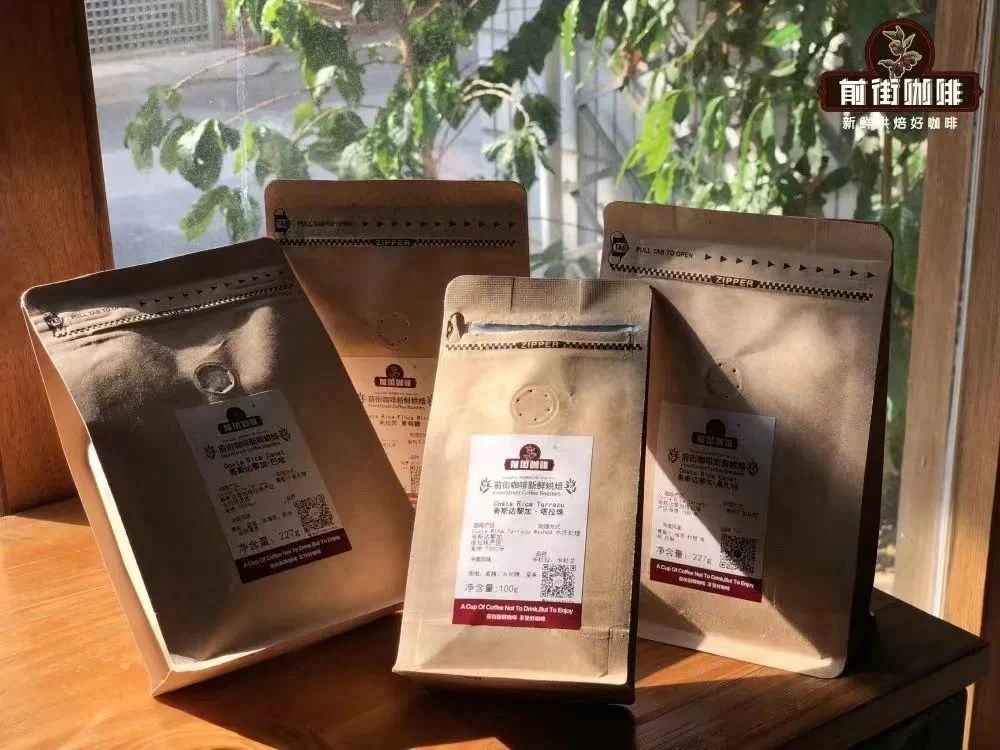
If you also enjoy pour over coffee regularly, you might want to try single-origin medium-dark roasted beans, such as the "Brazilian Queen Estate SOE." This coffee bean is also medium-dark roasted and features a rich cream and peanut note, with a sweet entrance reminiscent of sugarcane and a lingering soft cocoa aroma in the aftertaste. Whether used in a moka pot or a home semi-automatic coffee machine, it showcases the unique character of a single origin, making it perfect for coffee lovers eager to explore different flavor layers.
When actually operating a moka pot, controlling the amount of coffee grounds doesn’t need to be overly complicated. Generally, it is recommended to fill the coffee chamber or follow the manufacturer's suggested standard dose. However,grind size is key to extraction and crema performance. Compared to regular pour over coffee, the coffee grounds for a moka pot need to be finer but still slightly coarser than those used for espresso machines. This fineness allows the coffee grounds to release an appropriate amount of carbon dioxide under pressure, thereby forming the golden, captivating crema.
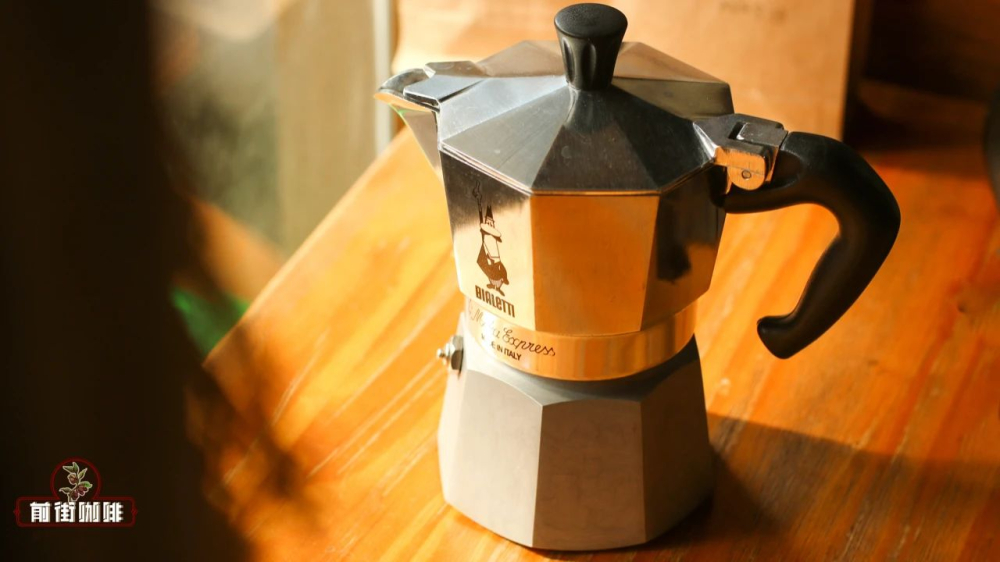
Here is a detailed step-by-step guide for using a Bialetti moka pot: First, pour purified water into the lower chamber of the moka pot, keeping the water level about 0.5 cm below the safety valve to avoid it touching the heating element. Next, place the selected coffee grounds into the filter basket, using a grind slightly coarser than that for espresso, and gently level the coffee bed to distribute it evenly in a small mound shape. Then, insert the filter basket into the lower chamber, securely tighten the upper and lower chambers, and place the moka pot on an electric stove or open flame, heating it over high heat. Once about half of the coffee has flowed into the upper chamber, turn off the heat and let the residual heat push the remaining coffee up. Finally, pour the brewed, rich coffee into a cup to enjoy the moka pot coffee with aromatic crema, and adjust the flavor to your liking by adding water or milk.
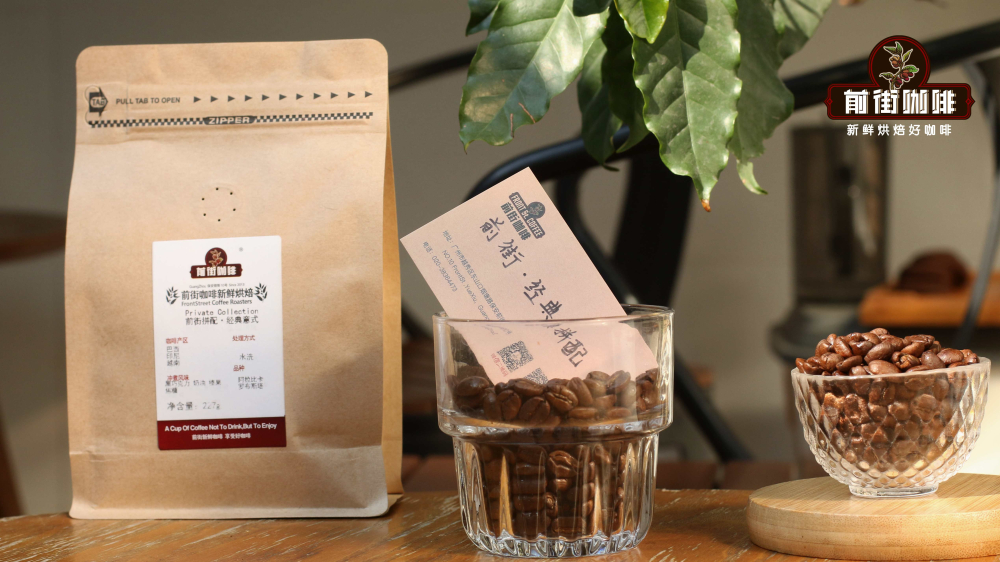
Taking the "Brazilian Queen Estate SOE" as an example, moka pot extraction clearly highlights rich nut and chocolate aromas, accompanied by a gentle brown sugar sweetness and smooth mouthfeel. Even without milk, it delivers a café-quality richness. When hot milk is added, its round milkiness and sweetness are further enhanced, delivering a flavor that is fully comparable to that of professionally brewed coffee.

The above content is compiled by CoffeeHunters, a coffee news website.


