








Introduction:Want to brew a balanced pour over coffee at home but can't quite master the key variables? This article systematically breaks down essential pour over equipment, the four core parameters (brew ratio, grind size, water temperature, and time), and uses Yunnan sun-dried Typica as an example to detail the three-pour technique and flavor profile. From light to dark roasts, it covers equipment selection tips and common extraction pitfalls to help you establish a replicable brewing framework.
Pour over coffee has become a daily choice for many coffee enthusiasts in recent years. Whether ordering at a café or brewing at home, it’s an easy way to enjoy a pure black coffee. But to consistently achieve high-quality flavors, understanding the extraction principles is crucial. This article starts with basic concepts and gradually explains the core logic of equipment pairing and parameter control.
Definition and Cultural Differences of Pour Over Coffee
Although universally called "手衝" (hand pour) in Chinese, pour over coffee has multiple English terms: pour over coffee (water flowing through coffee grounds), hand drip coffee (emphasizing the manual dripping action), and filter coffee (highlighting the filtering equipment). These naming differences stem from regional drinking habits—Japan and Korea prefer hand drip, emphasizing the visual imagery of precise droplets; Europe and America often use pour over to describe the water flow dynamics; in some countries, filter coffee may even refer to coffee made by drip coffee machines.
Essential Equipment and Function Breakdown
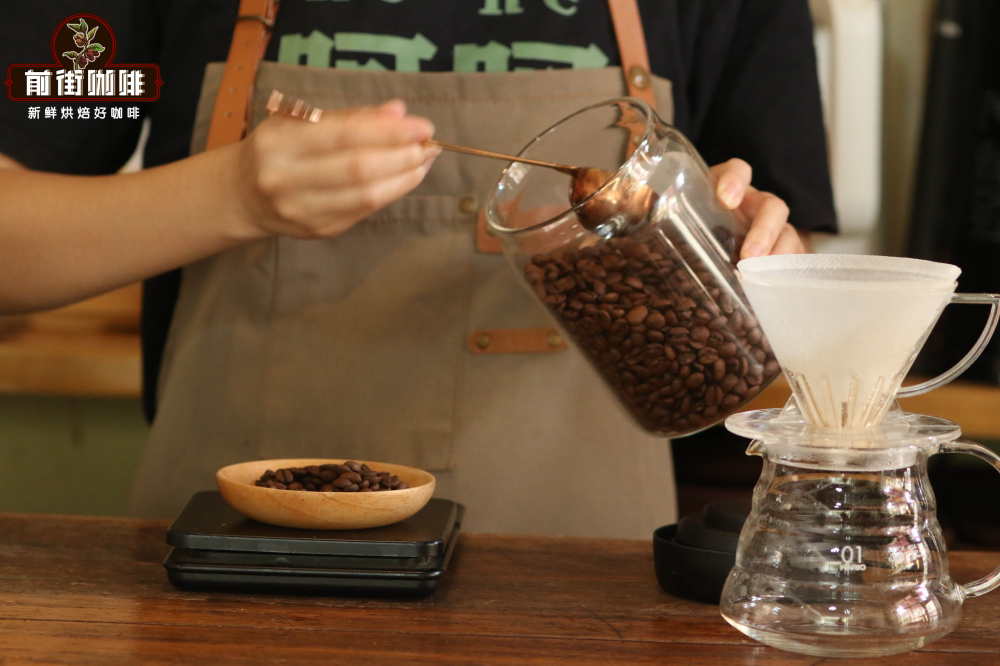
To make a decent pour over coffee, you’ll need an electronic scale, pour over kettle, dripper, filter paper, server, thermometer, grinder, and the core ingredient—coffee beans. The dripper and filter paper serve the basic function of filtering coffee grounds while also absorbing some oils, resulting in a cleaner and crisper taste. In practice, V60 and KONO are two commonly used drippers:V60 has a faster flow rate, and low water temperatures can lead to under-extraction;KONO’s ribs are concentrated at the bottom, and the filter paper adhering to the cup walls restricts airflow, extending the contact time between water and grounds, making it more suitable for enhancing body.
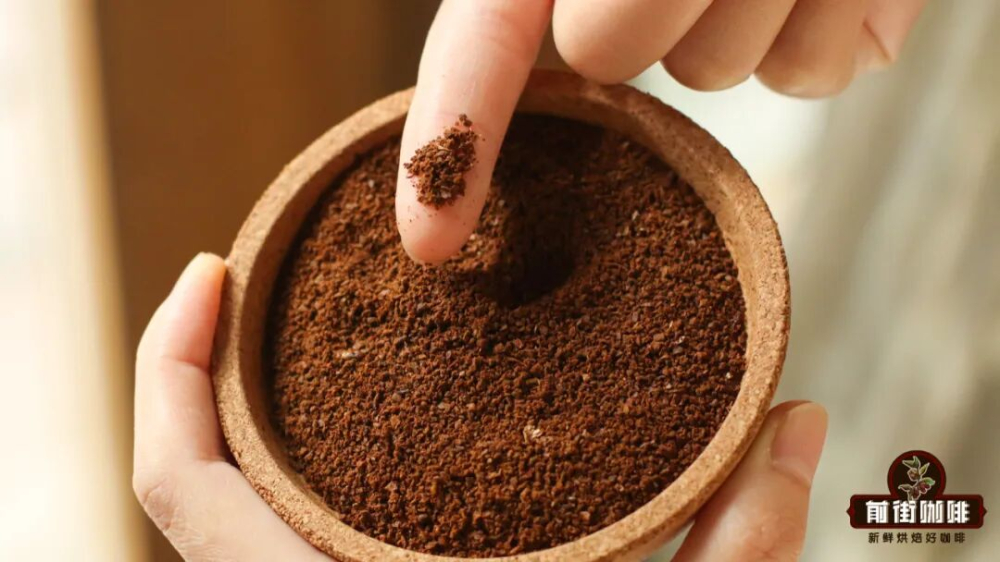
The electronic scale is used to precisely measure coffee beans (15 grams as a benchmark) and water volume (calculated by brew ratio), and to record brew time to ensure consistency; the thermometer helps control water temperature within the target range. The choice of grinder directly affects the coarseness of the coffee grounds—too coarse leads to weak flavors, too fine can cause bitterness. Generally recommended:Light roast beans should be ground to 80% passing through a standard 0.85mm sieve,Dark roast beans adjusted to 70%-75% passing rate, or refer to China’s standard 20-mesh sieve with 75% passing rate.
Four Core Parameter Controls
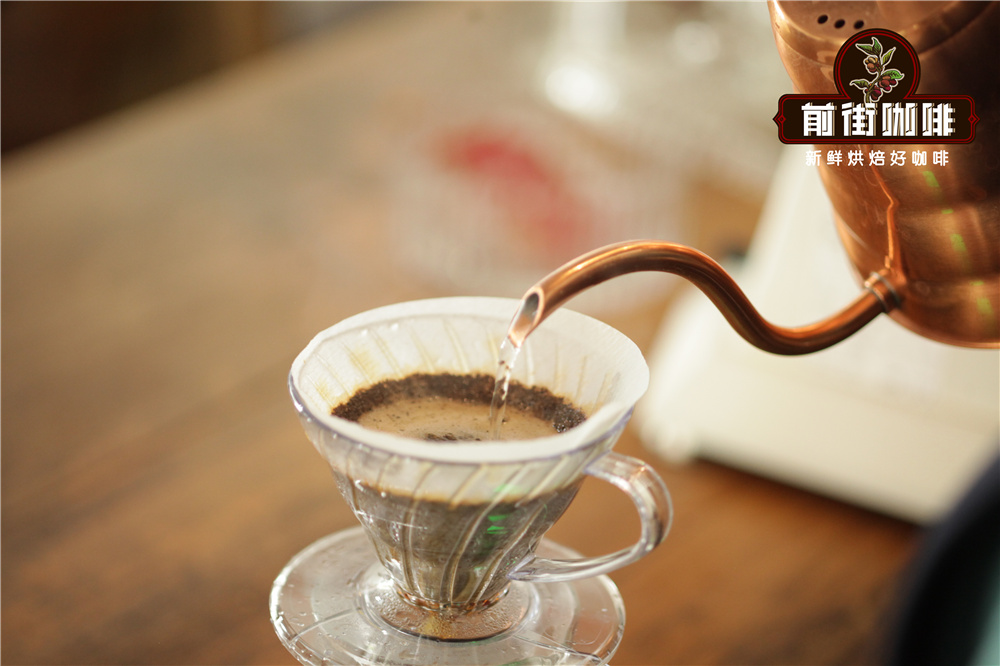
The key to stable brewing lies in coordinating four variables: brew ratio (commonly 1:15), grind size, water temperature, and extraction time. Using a standard recipe as an example: 15 grams of coffee beans with 225 grams of hot water (1:15 brew ratio), with total extraction time controlled around 2 minutes.
Before brewing, wet the filter paper with hot water first to make it adhere tightly to the dripper and prevent side leakage. Grind the coffee beans to medium-fine, then follow the three-pour technique: the first pour adds 30 grams of hot water for a 30-second bloom to release CO₂ from the coffee grounds; the second pour adds water up to 125 grams and waits until the liquid level drops by half; the final pour brings it to 225 grams, waiting until the coffee liquid fully drips through. Throughout the process, pay attention to matching water temperature with bean characteristics—light roasts recommend higher temperatures (e.g., 90-92°C), dark roasts should be lowered to 85-88°C to avoid over-extracting unwanted flavors.
Yunnan Sun-Dried Typica Practical Example
Take Yunnan Lincang’s sun-dried Typica as an example. This bean is grown at an altitude of 1300 meters and uses traditional sun-drying processing to retain more fruity aromas. Its background dates back to the Typica variety introduced to China in the late 19th century, which was later gradually replaced by Catimor due to its higher yield, but some farms still grow it to preserve its elegant flavors.
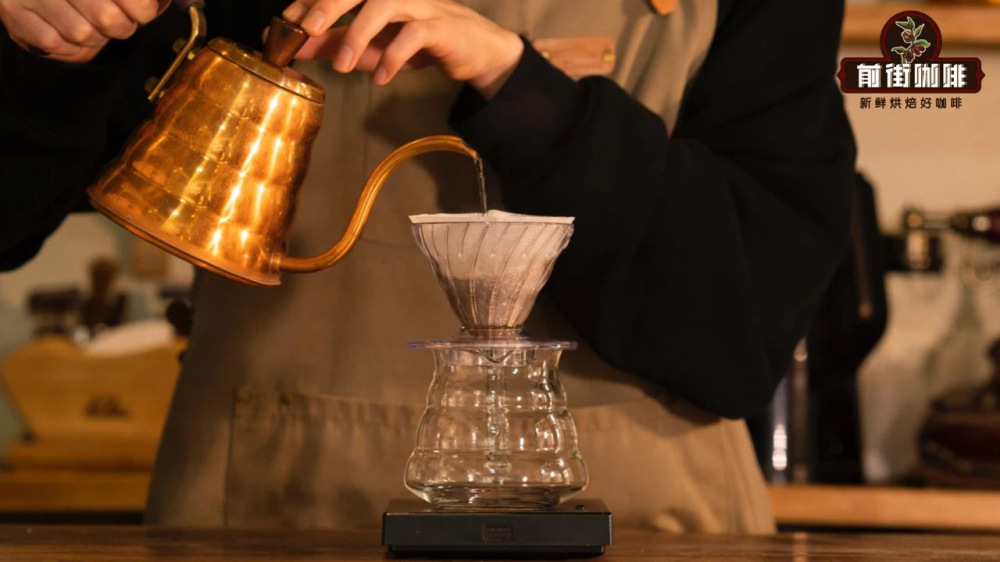
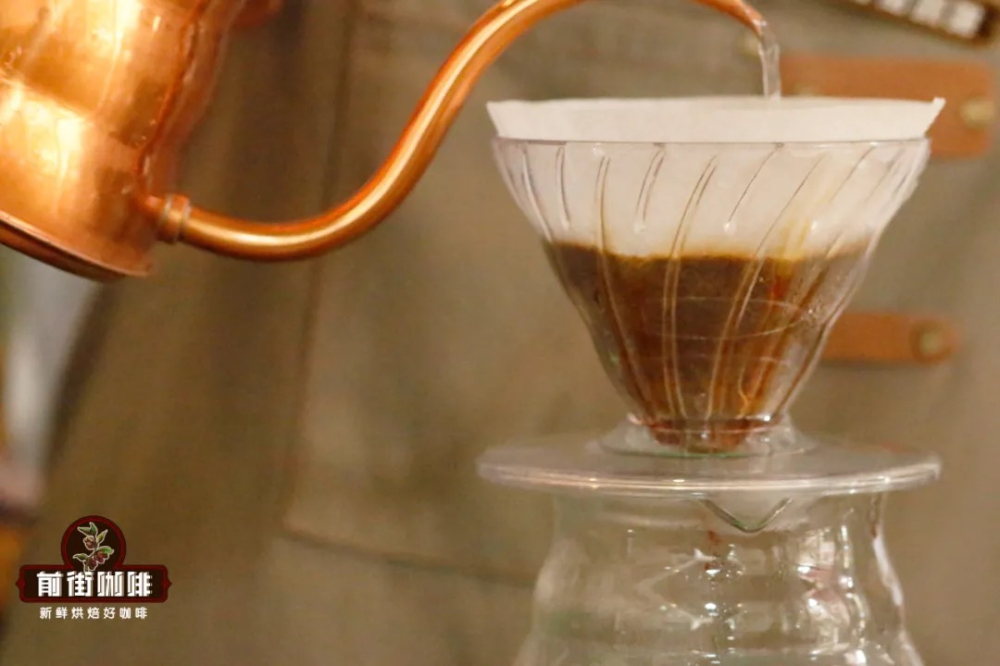
Specific brewing parameters:Dripper selected is KONO,Water temperature 88°C,Coffee amount 15 grams,Brew ratio 1:15,Grind size is 75% passing through China’s standard 20-mesh sieve. Operation process: 30 grams of water for 30-second bloom → small circular pours up to 124 grams in stages → continue pouring to 227 grams, remove the dripper when the liquid level is about to expose the coffee bed, total time about 2 minutes.
Flavor Profile and Pairing Recommendations
This batch of coffee shows a distinct nutty base tone, with a fuller mouthfeel than the washed version, lower acidity but prominent sweetness, and excellent balance. The flavor is described as berry acidity mixed with brown sugar notes, and the finish has a slight tea-like quality. For light roasts, it’s recommended to pair with faster-flowing drippers (like V60) and slightly higher temperatures; for dark roasts, prioritize KONO or similar flow-restricting drippers, and lower the temperature to highlight the body layers.
Common Mistake Reminders
Common beginner mistakes include: too high water temperature causing burnt bitterness (especially with dark roasts), too fine grind size leading to clogging, uneven pouring speed affecting extraction uniformity. It’s recommended to quantify parameters through repeated practice and adjust techniques by observing changes in coffee liquid color.
The above content is compiled by CoffeeHunters, a coffee news website.


