







Introduction:Gain an in-depth understanding of the unique flavor differences between two renowned Indonesian Mandheling coffees—Lintong and PWN Golden Mandheling—and master the key pour over parameters including water temperature, grind size, brew ratio, and filter choice. This article provides practical three-stage pouring techniques to help you effectively avoid over-extraction bitterness and unlock the potential of Mandheling’s richness, sweetness, and layered complexity.
Indonesian Mandheling coffee is celebrated for its full body, low acidity, and deep aftertaste. However, if pour over parameters aren’t properly controlled, it can easily become unpleasantly bitter due to over-extraction, turning what should be a nuanced coffee into something as monotonous and harsh as Guangdong herbal tea. This article focuses on two standout Indonesian Mandhelings from a well-known café’s menu: Lintong Mandheling and PWN Golden Mandheling. It delves into their flavor profiles and differences, and offers detailed pour over recommendations—including optimal water temperature, brew ratio, grind fineness, filter selection, and a practical three-stage pouring technique. Whether you’re a beginner or an experienced coffee enthusiast, you’ll find useful inspiration for adjustments here.
On Indonesia’s Sumatra Island, Mandheling coffees from two famous lake regions are hailed as the “Twin Lakes of Mandheling,” namely Lintong Mandheling from the Lake Toba region in North Sumatra Province, and PWN Golden Mandheling from the Lake Tawar region in Aceh Province. Though both belong to the Sumatran Mandheling family, their distinct growing environments, bean selection standards, and processing methods result in markedly different flavor expressions.
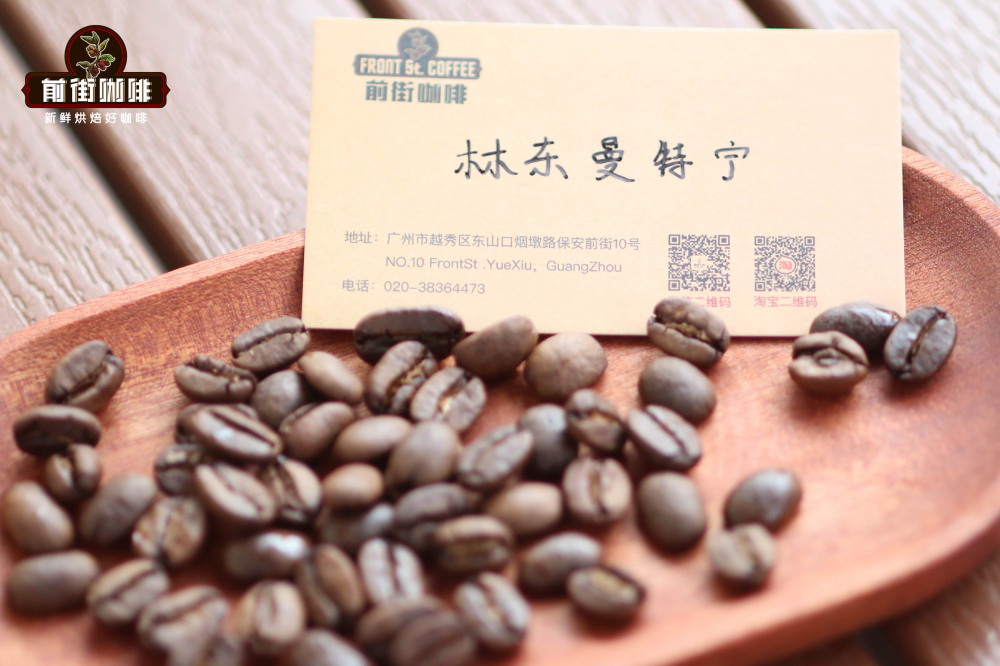
Lintong Mandheling comes from the mountainous areas around Lake Toba and represents the traditional Indonesian flavor profile. It is typically processed using the wet-hulled method, exhibiting pronounced herbal, earthy, and spicy base aromas. Due to its affordability and distinctive flavor, this coffee is often used as a daily drinker or staple bean. In contrast, PWN Golden Mandheling is a representative of the premium market. Produced exclusively by Indonesia’s PWN company, its name is protected by trademark, meaning only specific grades of Mandheling produced by this company can bear the title. The beans are meticulously selected—only G1 grade green beans of 18 mesh size or larger with extremely low defect rates are chosen—and undergo multiple rounds of manual sorting to ensure uniformity in size and appearance. As a result, the brewed cup is cleaner and crisper, with more pronounced sweetness and body.
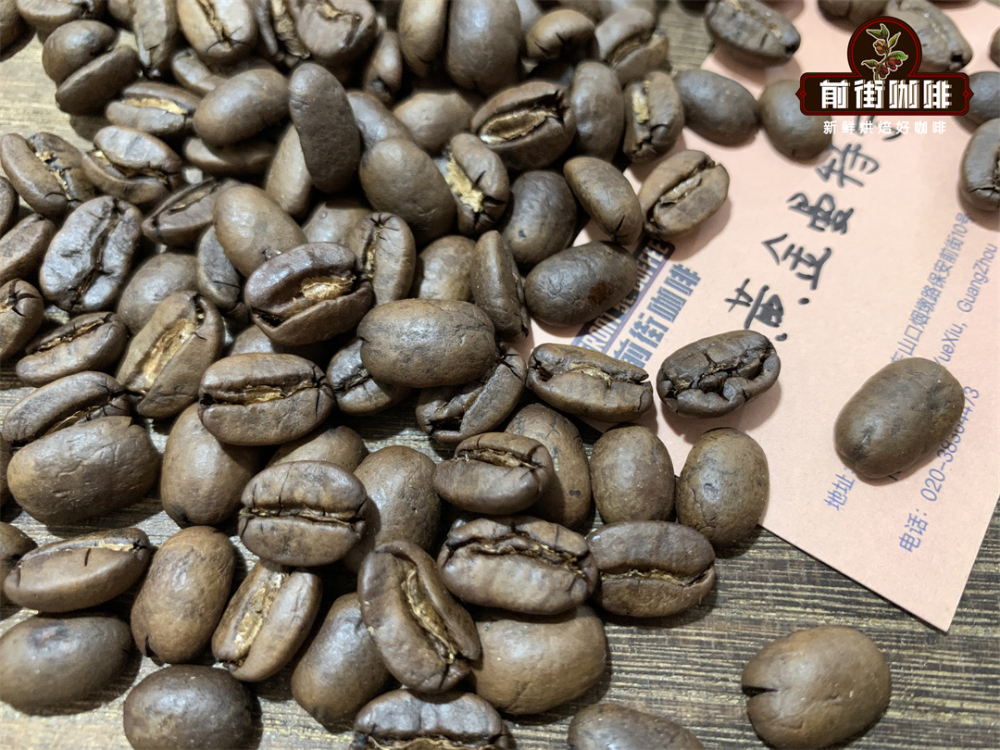
Both Mandhelings present low acidity and high body when brewed, roasted to medium-dark levels to enhance their characteristic herbal, spicy, and chocolatey flavors while retaining moderate sweetness. Based on actual cupping comparisons, Lintong Mandheling features aromas dominated by black sugar, chocolate, and nuts, with a slight herbal note in the aftertaste. Meanwhile, Golden Mandheling displays a more layered aroma—from the dry scent you can detect pine, nuts, and spices; after hot water is poured, licorice and caramel notes emerge. Upon tasting, black chocolate and spice tones are prominent, the mouthfeel is smooth, the finish is clear, and the aftertaste is long-lasting.
For pour over brewing of Mandheling—especially PWN Golden Mandheling—the following parameters are recommended to achieve optimal extraction: water temperature controlled at87~88°C, coffee dosage15 grams, brew ratio set to1:15, usingmedium-coarse grind size(approximately70%passing rate through a Chinese No. 20 sieve, or around setting 11 on an EK43s grinder), and theKONO filteras the brewing tool. This set of parameters is designed to effectively prevent over-extraction while highlighting Mandheling’s body and sweetness.
It’s worth noting that since Mandheling is a dark roasted coffee, the beans have a looser structure after roasting and absorb water quickly. Using too fine a grind or too high a temperature can easily release excessive bitter large molecules. Therefore, it’s advised to use a coarser grind than for light roasts and to slightly reduce the water temperature. Light roasts generally suit temperatures of 91~93°C, whereas dark roasts like Mandheling, Brazilian Queen, and Blue Mountain are recommended to be brewed at87~88°C, which helps balance the flavors and suppress unwanted off-notes.
Filter choice also affects extraction flavor. Compared to V60, the KONO filter has a smoother internal curve, allowing the filter paper to adhere more tightly to the cup walls. Its drainage ribs extend only a quarter of the filter height, restricting airflow and directing the water flow to concentrate through the bottom. This extends the contact time of the water with the coffee bed, resulting in a rounder, fuller extraction. This design is especially suited to the thick body and sweet character emphasized in Indonesian Mandheling.
For actual pour over brewing, it’s recommended to usea three-stage pouring methodto precisely control extraction time and flavor release rhythm. First, fully wet the filter and discard the pre-wetting water. Then add 15 grams of ground coffee, and pour30 grams of water for a 30-second bloom. This step helps release CO₂ from the coffee grounds and lays the foundation for subsequent extraction. Note that the bloom time for dark roasts shouldn’t be too long to avoid releasing too much woody or off-flavor, so 30 seconds is the optimal balance.
Next, proceed to the first pour: using a small stream, circle slowly from the center outward until the water level reaches125 grams. Maintain a steady flow to avoid vigorous agitation that could collapse or unevenly distribute the coffee bed. Once the water level drops to the middle of the filter and the coffee bed begins to show, continue to the second pour: slowly pour until the total water volume reaches225 grams. Keep the pace even and stable to maintain consistency in extraction. The overall brewing time is recommended to be around2 minutes, with an acceptable margin of error of ±10 seconds.
After completing the pour, let it drip through completely before swirling the coffee and enjoying. A well-extracted Mandheling will showcase complex aromas of spice, black chocolate, nuts, caramel, and pine, with a full yet clear mouthfeel, pronounced sweetness, a long-lasting aftertaste, and is a high-quality dark roast worthy of careful savoring.
The above content is compiled by CoffeeHunters, a coffee news website.


