








Introduction:Many people mistakenly believe that a latte is a black coffee, but in fact, it is a type of milk coffee. This article provides a detailed explanation of the origins, definition, and common misconceptions about lattes, delves into the golden ratio of espresso to milk, and analyzes the calorie composition of Luckin’s Thick Milk Latte and Thick Coconut Milk Latte. It helps you enjoy your coffee while managing your calorie intake and making choices that suit you.
“Is a latte a black coffee?” This question often sparks discussions among coffee enthusiasts. In reality, a latte is not a black coffee but belongs to the category of milk coffee. The term “black coffee” generally refers to pure coffee without added milk or sugar, such as Americano or espresso; whereas a latte is a flavored coffee made by combining espresso with a large amount of milk. Therefore, by definition, a latte does not meet the criteria of a black coffee.
The Italian word “Latte” literally means “milk.” If you were to simply order a “Latte” in Italy, the server might just give you a glass of plain milk rather than the coffee you were expecting. Today, when we refer to a latte, it usually means a coffee beverage made by mixing espresso with steamed milk in a certain proportion, resulting in a richly flavored and smoothly textured drink. This combination not only showcases the aroma of the coffee but also softens its bitterness through the gentleness of the milk, making it widely loved.
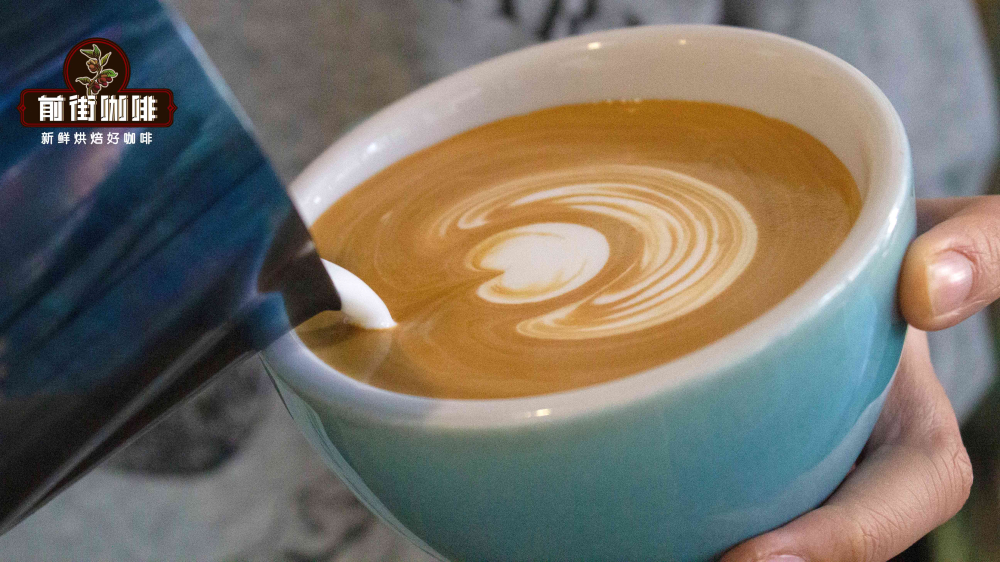
The origin of the latte can be traced back to 17th-century Vienna. At that time, after the Ottoman Empire’s military forces retreated following a failed offensive, they left behind a large quantity of coffee beans, which later became an important ingredient for the first local coffeehouse. To cater to European drinking habits, the coffeehouse owner filtered out the coffee grounds and added a significant amount of milk, transforming the originally strong and bitter black coffee into a smoother, sweeter milk coffee. This beverage gradually gained popularity across Europe and eventually evolved into the form of the latte we are familiar with today.
A standard latte primarily consists of espresso and fresh milk, so the choice of coffee beans and the quality of the milk greatly influence the final flavor profile. Many coffee shops use their own house blends, such as one made from a 3:7 ratio of Yirgacheffe sun-dried Red Cherry and Honduran Sherry beans, which can bring out complex flavors like vanilla cream, wine, caramel, and chocolate, adding layers of taste to the latte. Additionally, dark-roasted blends can also highlight a rich, bold aroma, suitable for consumers who prefer a fuller-bodied taste.
If you’re curious about how a latte is made, the basic steps are to first extract a shot of espresso, then add steamed milk in proportion, and optionally top it with a small amount of milk foam. This combination not only presents the aroma of the coffee itself but also delivers a richer drinking experience through the temperature and texture of the milk.
Next, let’s take a look at some popular commercial drinks, such as Luckin’s Thick Milk Latte and Thick Coconut Milk Latte. These two beverages are widely loved for their rich flavors, but they also have relatively higher calorie content. The Thick Milk Latte typically uses specially formulated concentrated milk, which offers a smoother and sweeter taste, while the Thick Coconut Milk Latte replaces traditional milk with thick coconut milk made from pressed coconut flesh, adding a strong tropical flair to the drink. However, since thick coconut milk often contains added sugars and hydrogenated oils to enhance taste and stability, it may taste quite sweet on its own but can present a rich and balanced flavor when mixed with ice cubes and espresso.
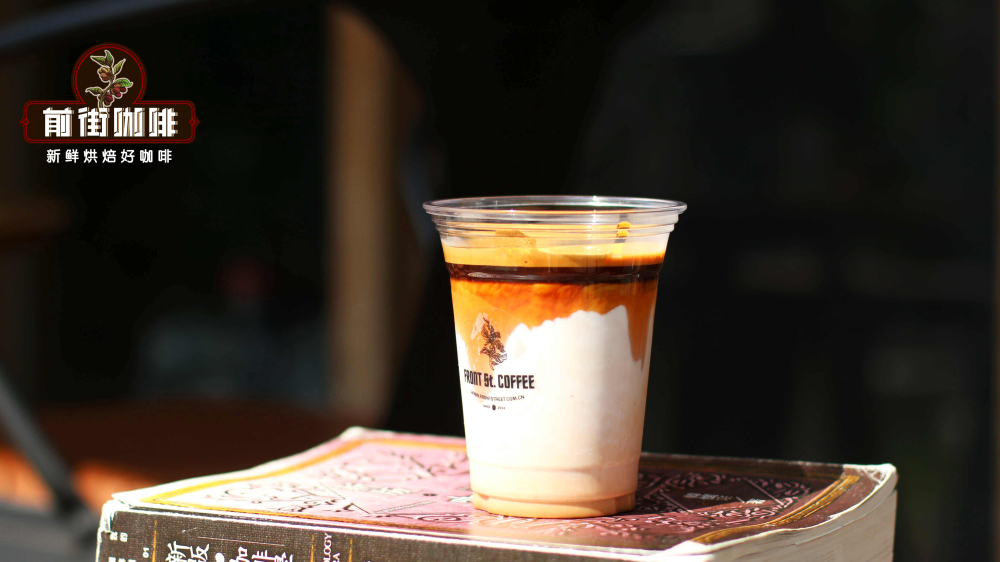
When making a Thick Coconut Milk Latte, approximately 20 grams of coffee powder are used to extract 40 grams of espresso, which is then combined with 240 grams of thick coconut milk that has been lightly frothed. After uniformly mixing, the drink is finished with latte art. This process not only requires attention to proportions but also to the temperature balance between the coffee and coconut milk to achieve the best flavor and texture.
For those who are managing their weight or focusing on health, whether or not you can drink a latte depends on the version and any added ingredients. Generally speaking, lattes made with whole milk and high-sugar thick coconut milk or thick milk may contain over 300 calories or even more, and adding syrups or whipped cream will further increase the calorie count. Therefore, if you want to enjoy a latte without consuming too many calories, you can opt for low-fat or skim milk and avoid additional sweet toppings. Choosing smaller serving sizes and low-sugar recipes are also effective ways to manage calorie intake.
In summary, although a latte is not a black coffee, its rich texture and diverse flavor combinations still make it a top choice for many coffee lovers. Whether you’re pursuing a bold and smooth taste or focusing on calorie control, you can choose the type of latte that best suits your needs, enjoying deliciousness while also taking care of your health.
The above content is compiled by CoffeeHunters, a coffee news website.


