







Introduction:Want to delve deeper into the classic coffee-growing regions around the world? This article takes you on a journey through ten of the most representative origins across the globe's three major coffee belts — from Panamanian Geisha to Ethiopian Yirgacheffe. We’ll explore each region’s terroir characteristics, processing methods, and unique flavor profiles, along with practical pour-over recommendations and parameter settings to help coffee lovers choose specialty beans that suit their taste preferences.
The diverse charm of coffee largely stems from the interplay between different origins and processing methods. Whether you prefer the clean acidity of washed beans, the rich fruity notes of natural-processed beans, or the sweet balanced profile of honey-processed ones, each flavor has its own unique geographical, climatic, and technical background. This article will focus on the world’s three primary coffee-producing regions, featuring ten highly representative countries and processing styles. We’ll take an in-depth look at their flavor characteristics and processing techniques, and include useful pour-over parameters to provide both beginners and advanced enthusiasts with a selection guide that is both insightful and practical.
Global coffee-growing regions can generally be divided into three major coffee belts: Central and South America, Africa, and Asia. Each region, due to differences in altitude, climate, soil, and processing methods, produces coffee beans with distinct flavor profiles. With such a wide array of products available, understanding the basic characteristics of each origin is the first step in selecting the right beans. Below, we’ll introduce ten classic origins in turn — from Panama to Papua New Guinea — taking you on a journey to discover the story and unique personality behind each coffee.
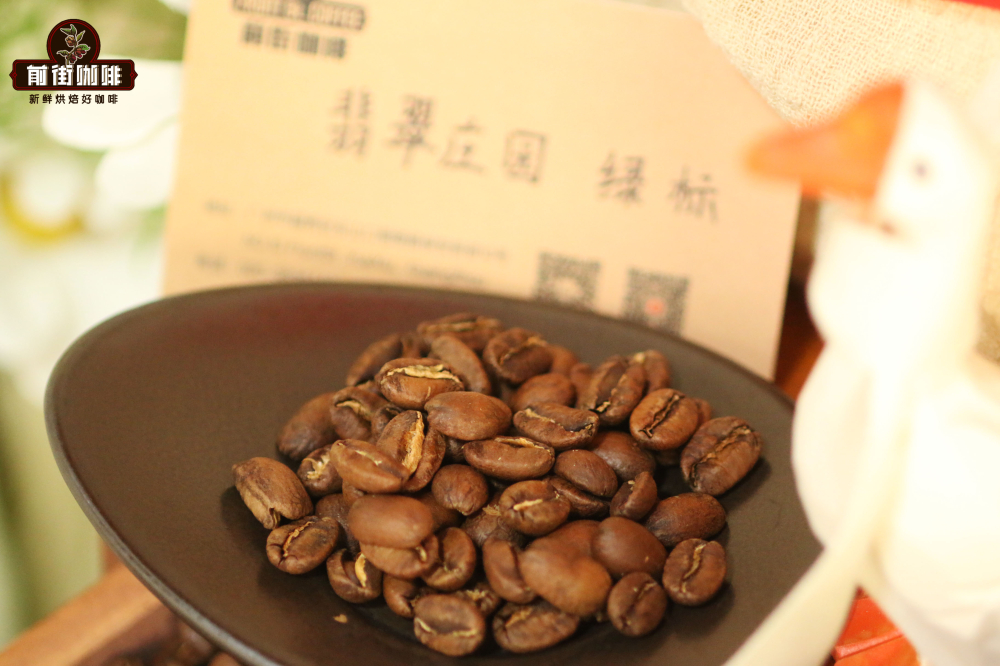
1. Panama – Geisha (The Ultimate Pursuit of Floral, Fruity Aromas and Sweet Taste)
The Geisha variety originated in the Gesha Forest in Ethiopia, later passing through Kenya, Uganda, and other places, before finally taking root in Panama in the 1970s. In 2004, the Geisha from Panama’s Hacienda La Esmeralda stunned the international cupping scene and has since become a legend in the specialty coffee world. This variety often features bright lemon and citrus acidity, accompanied by aromas of tropical fruits, jasmine, and honey, with a layered finish and long-lasting sweetness. Its washed processing method further enhances a clean and transparent mouthfeel.
Recommended Bean: Panama Hacienda La Esmeralda Green Label Geisha
Origin: Boquete, Panama
Altitude: 1600-1800 meters
Processing Method: Washed
Variety: Geisha
Pour Over Recommendation: Medium-fine grind (BG 6F), water temperature 90-92°C, brew ratio 1:15, use a stepped extraction to enhance fruit and floral layers.

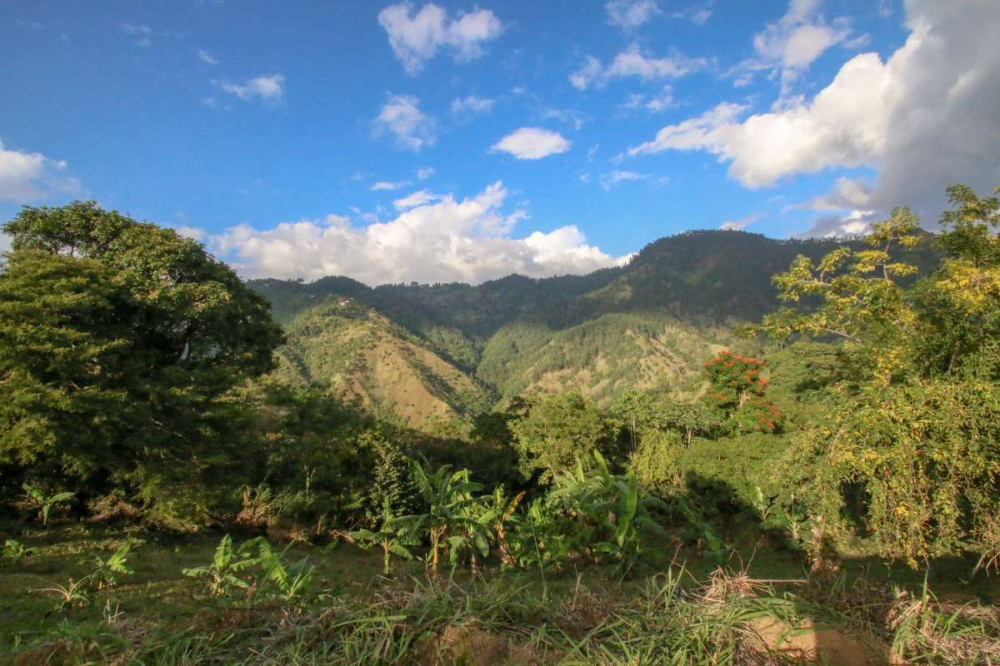
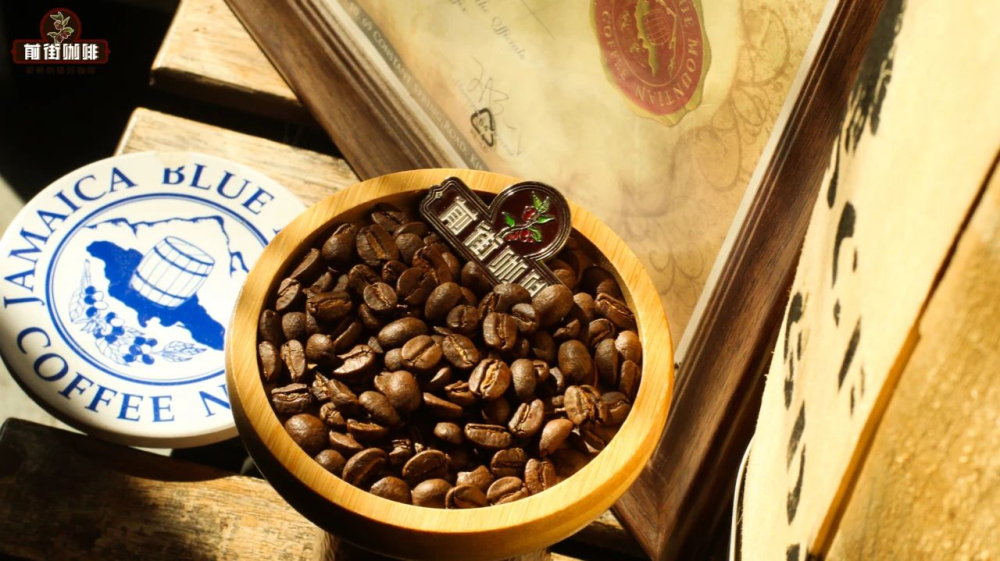
2. Jamaica – Blue Mountain (A Model of Balanced Acidity, Bitterness, and Sweetness)
Blue Mountain coffee is produced in the Blue Mountains of eastern Jamaica, named after the blue haze that appears over the mountain peaks in sunlight. The region’s altitude exceeds 1300 meters, with a cool, foggy climate and fertile volcanic soil, resulting in a classic flavor that is delicate and balanced with acidity, sweetness, and bitterness. Blue Mountain coffee has a mild taste, with little sharp stimulation, and is known for its chocolate, nutty notes, and soft fruit acidity. It’s considered the “king of coffees” by many coffee connoisseurs.
Recommended Bean: Jamaican Blue Mountain No.1
Origin: Newcastle (Blue Mountain Region, Jamaica)
Altitude: 1310 meters
Processing Method: Washed
Variety: Typica
Pour Over Recommendation: Medium-coarse grind (BG 8F), water temperature 90°C, brew ratio 1:16, slow extraction to preserve richness and balance.
3. Indonesia – Mandheling (Rich Body, Low Acidity, Prominent Sweetness)
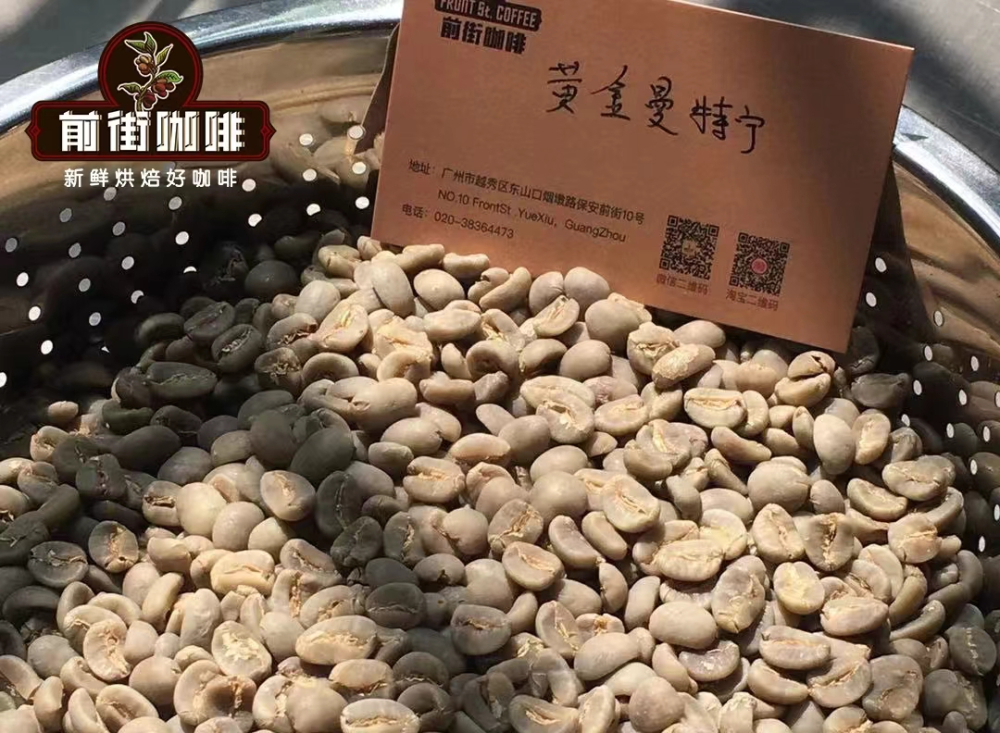
Indonesian Mandheling coffee is known for its low acidity and high body, often featuring herbal, spicy, and rich caramel aromas. The wet-hulled processing method gives it an even thicker mouthfeel, making it ideal for those who enjoy bold flavors. Golden Mandheling is carefully selected, with fewer impurities and uniform beans, representing a premium grade of Mandheling. It often exhibits chocolate, nutty notes, and a long-lasting sweet finish.
Recommended Bean: Indonesian Golden Mandheling
Origin: Gayo Highlands, North Sumatra
Altitude: 1100-1600 meters
Processing Method: Wet-Hulled
Variety: Ateng
Pour Over Recommendation: Medium-coarse grind (BG 7F), water temperature 88-90°C, brew ratio 1:15, focus on extracting a rich base and sweet aroma.
4. Ethiopia – Yirgacheffe (Fresh, Elegant Floral and Fruity Aromas with Bright Citrus Acidity)
As the birthplace of coffee, Ethiopia’s Yirgacheffe is renowned for its unique floral and fruity aromas and bright acidity. When lightly roasted, it presents citrus, lemon, and honey sweetness, while natural processing brings intense tropical fruit flavors. It’s a top choice for many when starting their specialty coffee journey. The diversity of its native varieties means each batch may showcase different flavor variations.
Recommended Bean: Yirgacheffe Red Cherry Natural
Origin: Yirgacheffe
Altitude: 1900-2300 meters
Processing Method: Natural
Grade: G1
Pour Over Recommendation: Fine grind (BG 5F), water temperature 92-94°C, brew ratio 1:15, highlight fruitiness and juiciness.
5. Kenya – K72 Washed (An Acidic Sprite with Tomato-like Acidity and Full-bodied Flavor)
Kenyan coffee is known for its rigorous grading system and the unique K72 double-washed fermentation process. This method enhances berry, cherry tomato, and dark plum acidity, while maintaining good body and sweetness — a dream choice for acid lovers. The AA TOP grade is the pinnacle of specialty, with clear and layered flavors.
Recommended Bean: Kenyan Assaliya
Origin: Thika, Kiambu
Altitude: 1550-1750 meters
Processing Method: K72 Washed
Variety: SL28, SL34
Pour Over Recommendation: Medium-fine grind (BG 6F), water temperature 90-92°C, use stepped extraction to enhance the contrast between acidity and sweetness.
6. Costa Rica – Honey Process (Flavor Profile Highlighting Dried Fruit and Sweetness)
Costa Rica’s honey processing method retains some of the fruit’s mucilage, enhancing sweetness and body through sun drying. This technique results in flavors of brown sugar, stone fruit, and rich dried fruit, with a smooth mouthfeel and layered complexity — a top choice for those who love sweetness.
Recommended Bean: Costa Rica Miramar Geisha Blend
Origin: Tarrazú
Altitude: 1700 meters
Processing Method: Raisin Honey Process
Pour Over Recommendation: Medium-fine grind (BG 6F), water temperature 90°C, enhance sweetness and body.
7. Brazil – Yellow Bourbon (An Excellent Choice for Nut and Cocoa Lovers)
Brazilian Yellow Bourbon is known for its low acidity, full body, and rich nutty and chocolatey flavors. The semi-washed (pulped natural) processing method gives it sweetness and a smooth mouthfeel, making it suitable for those who prefer mild and balanced flavors. The Yellow Bourbon from Fazenda Rainha has even received recognition in the COE competition, representing Brazilian specialty coffee.
Recommended Bean: Brazil Fazenda Rainha
Origin: Mogiana
Altitude: 1400-1950 meters
Processing Method: Semi-Washed
Variety: Yellow Bourbon
Pour Over Recommendation: Medium-coarse grind (BG 7F), water temperature 90°C, balanced extraction to highlight nutty and chocolatey notes.
8. Guatemala – Antigua Finca El Carmen (A Blend of Soft Fruit Acidity and Mild Body)
Guatemala, located in a volcanic zone, has fertile soil and diverse microclimates. Coffee from the Antigua region often features aromas of berries, citrus, and chocolate, with soft acidity and a balanced, full body — one of the highly rated regions in specialty coffee.
Recommended Bean: Guatemala Antigua Finca El Carmen
Origin: Antigua
Altitude: 1200-1600 meters
Processing Method: Washed
Grade: SHB
Pour Over Recommendation: Medium-fine grind (BG 6F), water temperature 90°C, showcase layers and bright fruit acidity.
9. Papua New Guinea – Heavenly Bird (A Fusion of Nutty, Cocoa, and Berry Sweetness)
Papua New Guinea coffee may not be as famous as Blue Mountain, but its flavor structure is similar — based on nuts and cocoa, complemented by berry sweetness, with a rich and balanced mouthfeel. It’s an outstanding representative of island-grown coffee.
Recommended Bean: Papua New Guinea Heavenly Bird
Origin: Sigri Heavenly Bird Estate
Altitude: 1600-1800 meters
Processing Method: Washed
Variety: Typica
Pour Over Recommendation: Medium-coarse grind (BG 7F), water temperature 90°C, enhance body and sweetness.
10. Ethiopia – Gesha Village (The Birthplace of the Geisha Variety)
Gesha Village is located in Ethiopia’s Bench Maji region, with ecological conditions close to the original growing environment of Geisha. The Geisha 1931 variety planted here, processed via natural drying, showcases intense citrus, berry, creamy, and honey aromas — an excellent choice for those seeking the original flavors of Geisha.
Recommended Bean: Ethiopia Gesha Village Gold Label Geisha
Origin: Bench Maji
Altitude: 1900-2040 meters
Processing Method: Natural
Variety: Geisha 1931
Pour Over Recommendation: Fine grind (BG 5F), water temperature 92-94°C, highlight fruity and sweet layers.
The above content is compiled by CoffeeHunters, a coffee news website.


