







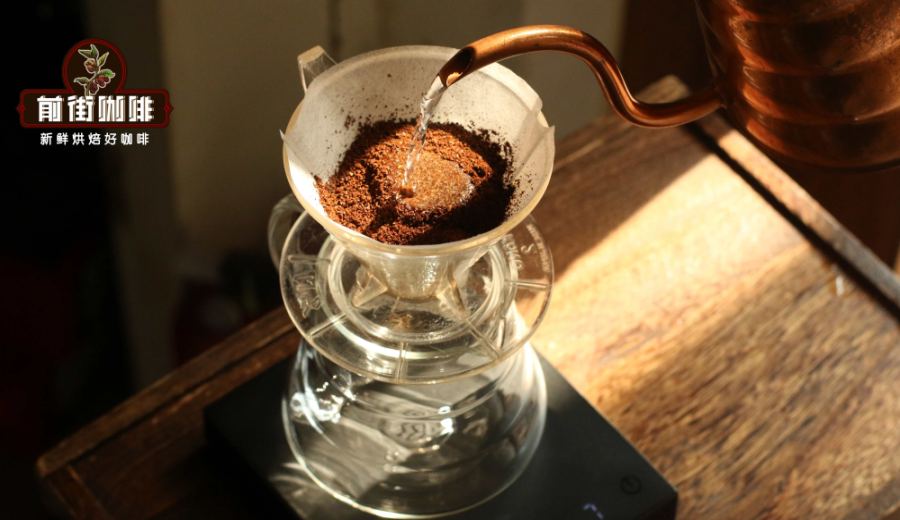
Introduction:To brew a cup of coffee with balanced flavors, grind size is the crucial first step! Different roast levels require vastly different grind sizes when using methods like pour over, drip bags, or cold brew. This article uses easy-to-understand analogies to explain the differences between fine sugar-like and coarse sugar-like grinds, and based on the characteristics of light-to-medium and medium-to-dark roasted beans, explains why lighter roasts need finer grinds to enhance extraction, while darker roasts should be coarser to avoid over-extraction. This helps you adjust to the optimal particle size based on your actual brewing method.
In the world of coffee brewing, grind size often dictates the final flavor outcome. Even with the same brewing technique, if the bean density and roast level differ, the required grind size will also change. Mastering this detail allows you to more precisely bring out the potential of the coffee.
To make it easier to understand, we can use the commonly seen fine and coarse sugar in daily life as references.
Fine sugar has delicate grains with a soft, sandy texture—this grind size is generally suitable for light to light-medium roasted coffee beans,
such as when using pour over, cold brew, or immersion methods, where it can excel.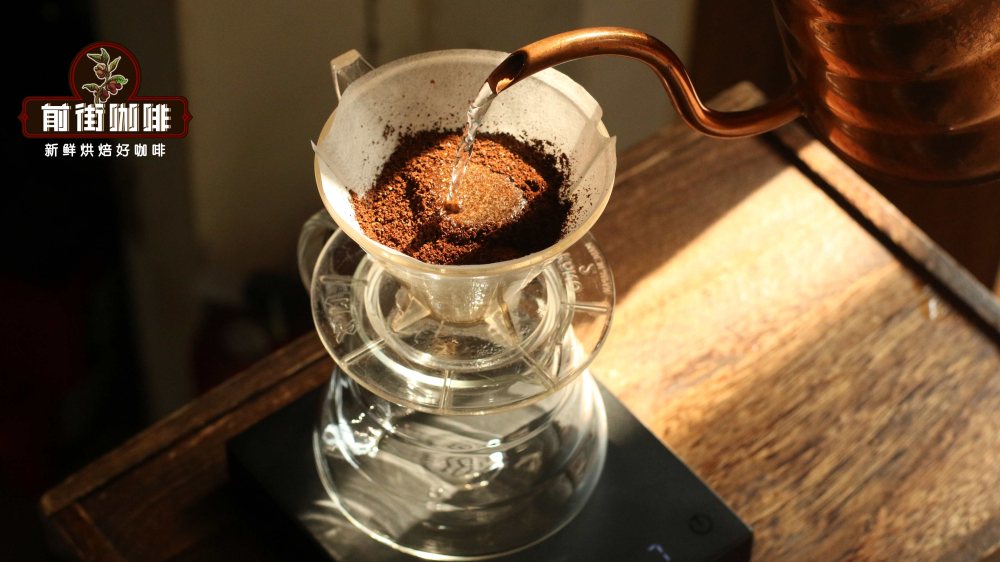
Why is this grind suitable for light-to-medium roasted beans? Because light-roasted beans are usually denser, and their internal aromatic compounds are harder to release. A finer grind increases the total surface area of the coffee grounds while shortening the time it takes for hot water to penetrate, making extraction more efficient and bringing out the beans’ delicate fruity acidity and floral aromas. Many drip bag coffees designed for light-to-medium roasts also typically use this grind level.
Next, let’s look at coarse sugar grinding, also known as the white sugar level.
This grind’s particles are noticeably coarser than fine sugar, easily distinguishable by both sight and touch.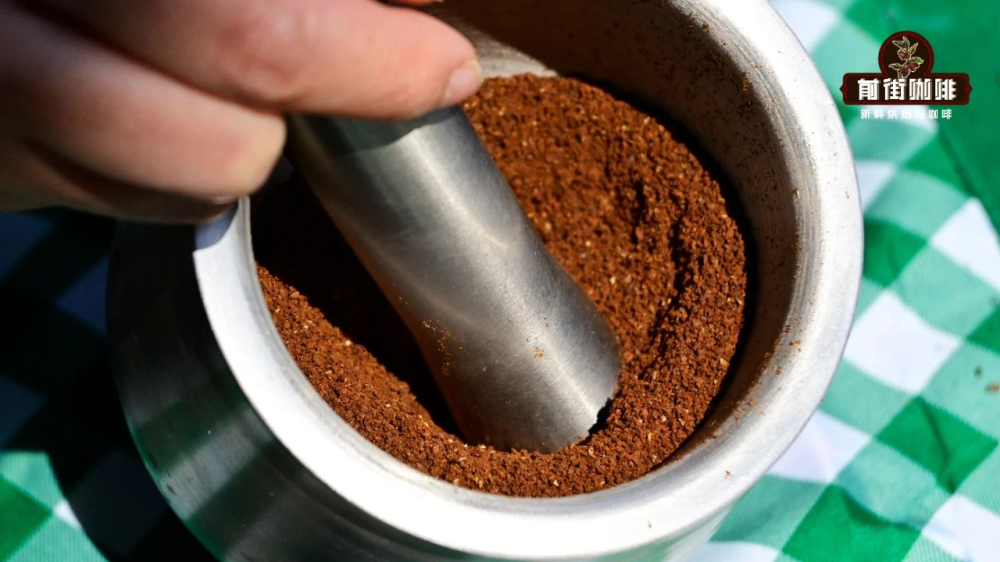
Coarse sugar grinding is better suited for medium-to-dark or dark roasted coffee beans. These beans, due to their deeper roast, have relatively lower density, allowing hot water to penetrate the core more quickly. If ground too finely, it can easily lead to over-extraction, resulting in bitter or burnt flavors. Therefore, moderately increasing the grind particle size reduces the extraction surface area, lowers the risk of over-extraction, and makes the coffee flavor more rounded and balanced. Classic medium-to-dark roasted beans, for example, are very well-suited to this grind setting.
For example, if you’re using light-to-medium roasted beans today, such as those with distinct citrus notes or floral aromas, it’s recommended to choose a grind close to fine sugar when pour over brewing, as this helps the hot water extract the essence of the beans more evenly. On the other hand, if you opt for medium-to-dark roasted beans, such as common ones with chocolate or nutty profiles, then a coarse sugar-level grind is the safer choice, effectively avoiding over-extraction.
Additionally, different brewing devices also affect the choice of grind size. For instance, pour over brewing relies on control of water flow rate and coffee-to-water ratio, which directly impacts coffee extraction efficiency; drip bags, due to the design of their filter bags, have relatively lower tolerance for grind size variations, so it’s advised to strictly follow the recommended parameters. Cold brew generally works best with coarser grinds to reduce the risk of over-extraction and maintain a refreshing flavor.
In summary, whether you’re a beginner just starting out or an experienced coffee enthusiast,
adjusting grind size is a key step in enhancing coffee flavor performance.
Remember, light-roasted beans usually need a finer grind to improve extraction efficiency,
while medium-to-dark roasted beans suit coarser particles to avoid over-extraction.
Pair this with the right brewing method, and you can easily brew your perfect cup of coffee.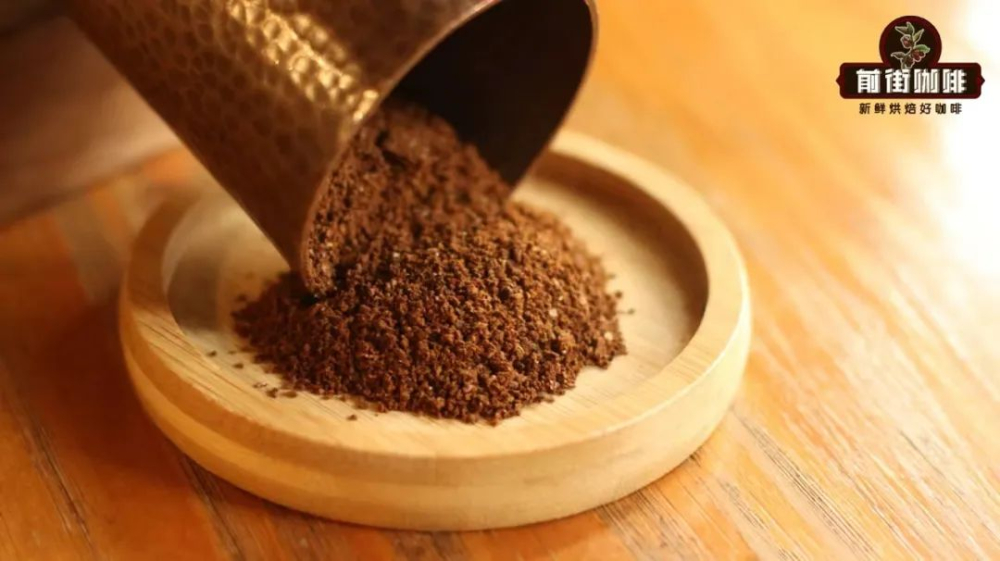
The above content is compiled by CoffeeHunters, a coffee news website.


