







Introduction:Honey processed coffee combines the clarity of washed processing with the rich sweetness of natural processing, making it one of the most talked-about specialty coffee methods in recent years. This article will take an in-depth look at the grading system of honey processing, including the drying methods, flavor profiles, and market pricing logic of the three grades—Yellow Honey, Red Honey, and Black Honey—and explain how to choose the right honey processed beans based on personal taste. It’s a must-read practical guide for both beginner and advanced coffee enthusiasts.
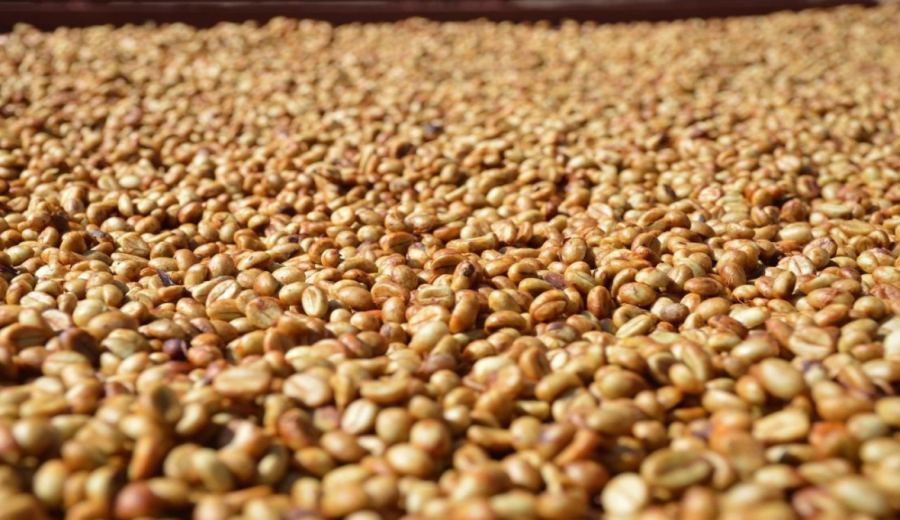
Honey processing is a coffee bean method that lies between washed and natural processing, combining the advantages of both. Compared to the clean and bright profile of traditional washed processing, honey processing retains part of the fruit mucilage on the beans during drying, allowing it to ferment together with the beans and impart a richer sweetness and caramel-like aromatic qualities. This technique originated in the high-altitude regions of Costa Rica, where limited water resources led to the innovative practice of removing the pulp but retaining the mucilage before sun-drying.
Based on the amount of mucilage retained during the drying process, honey processed coffee is generally divided into three main grades: Yellow Honey, Red Honey, and Black Honey. The differences among these three processing methods mainly lie in drying time, sunlight intensity, temperature and humidity control, and the final flavor expression in the cup. Understanding these details not only helps in selecting your preferred flavor profile, but also allows for a deeper appreciation of the craftsmanship behind coffee processing.
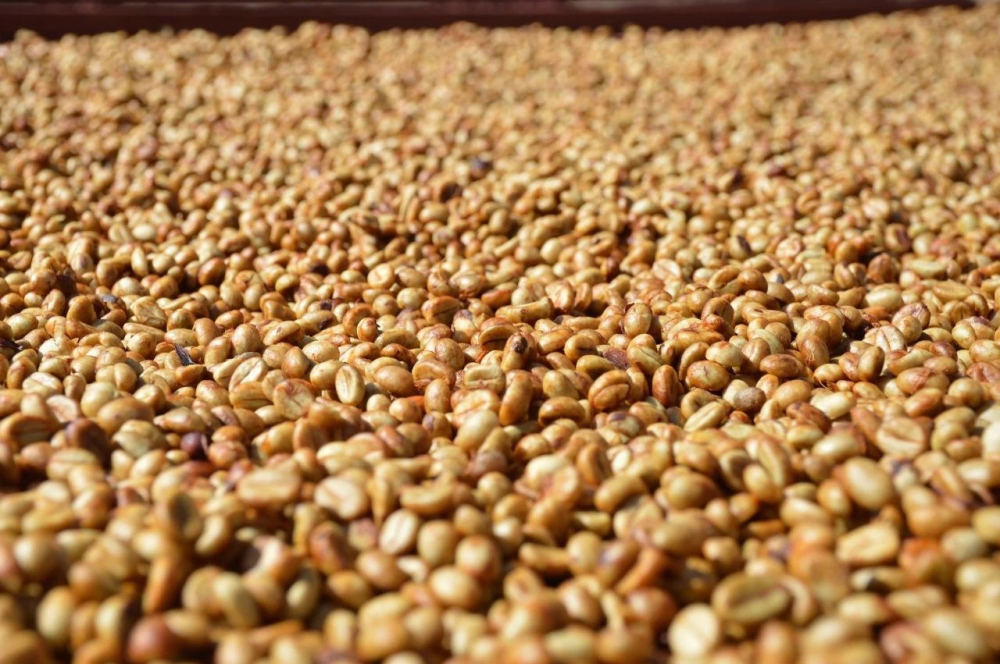
Yellow Honey (Honey Amarillo)Among the three, Yellow Honey retains the least amount of mucilage and is usually exposed to the most sunlight during drying, resulting in the fastest drying time, typically completed within about a week. Due to prolonged direct sunlight and higher temperatures, the overall flavor tends to be bright and clean, similar to the flavor profile of washed processed coffee, but with slightly higher sweetness and softer acidity—making it an ideal entry-level choice for those trying honey processed coffee for the first time. The high drying efficiency also means the overall production process is easier to manage and relatively stable.
Red Honey (Honey Rojo)Falls between Yellow Honey and Black Honey, retaining a moderate amount more mucilage than Yellow Honey, and the drying time is extended to two to three weeks. During this period, sun exposure may be adjusted according to weather conditions—for example, using shade nets to reduce direct sunlight and avoid over-drying or uneven fermentation. Red Honey processed coffee often presents a balanced flavor profile, sweet with a hint of acidity, and offers more complexity than Yellow Honey, combining a refreshing quality with a rounder mouthfeel. It is suitable for coffee lovers who enjoy diverse flavor layers.
Black Honey (Honey Negro)Is the grade with the most mucilage retained and the longest drying time among the three, often requiring more than two weeks, and is almost always dried away from direct sunlight, typically in shaded environments with slow drying. Due to the long drying cycle, frequent turning and monitoring are required to prevent mold and uncontrolled fermentation, resulting in relatively higher labor costs and risks—it is also the most expensive among the honey processed types. Black Honey processed coffee typically exhibits intense fruitiness, a full body, and deep sweetness, with flavors close to natural processing but with the clean profile of washed coffee. It is the top choice for collectors and advanced enthusiasts.
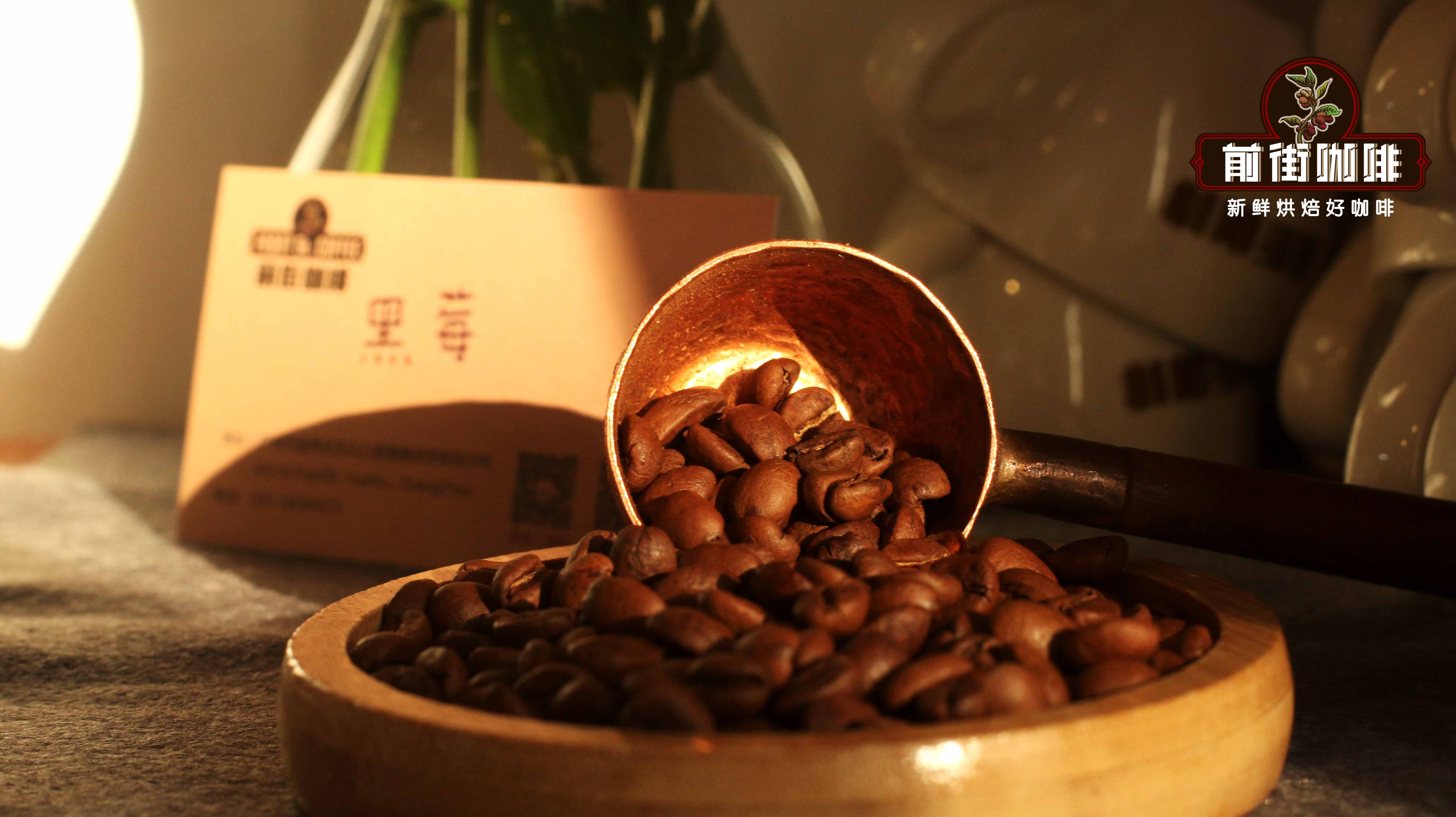
In terms of mouthfeel, Yellow Honey, due to its processing conditions being close to washed, generally has a clear flavor line, bright acidity, and natural sweetness; Red Honey shows a rounder mouthfeel and a gentler balance of acidity and sweetness; Black Honey, thanks to prolonged mucilage fermentation and low-temperature slow drying, delivers the most intense flavors, often featuring complex layers of ripe fruit, chocolate, and caramel. However, these flavor characteristics are not absolute and can still be influenced by roast level, brewing method, and origin terroir. It is recommended that consumers try a variety of options to find the honey processed flavor that best suits their palate.
In summary, the charm of honey processed coffee lies in its processing flexibility and flavor potential. Whether you’re pursuing the bright sweetness of Yellow Honey, the balanced profile of Red Honey, or the rich complexity of Black Honey, each offers a distinct tasting experience. Understanding the craftsmanship and parameters behind these grades not only helps coffee enthusiasts make more precise choices, but also allows for a deeper appreciation of the processing story and terroir behind each cup.
The above content is compiled by CoffeeHunters, a coffee news website.


