








Introduction:What’s the difference between an SOE (Single Origin Espresso) Americano made with Yirgacheffe single-origin beans and a regular blend-based Americano? This article starts with the basic concept of Single Origin Espresso (SOE), delves into the characteristics of the Yirgacheffe region and why it’s well-suited for espresso, and helps you understand how floral, fruity, and black tea notes can shine in an espresso. It also provides practical extraction suggestions, ratios for Americanos and lattes, as well as flavor profiles of four different Yirgacheffe beans, helping you better appreciate the espresso potential of single-origin beans and master home brewing techniques.
Many people ask: why does an SOE (Single Origin Espresso) Americano made with Yirgacheffe single-origin beans taste completely different from a regular blend-based Americano? The key lies in the fundamental difference between "single origin" and "blend." SOE refers to espresso made using beans from a single origin, rather than the traditional blends crafted to achieve balanced flavors from multiple beans. This article will use Yirgacheffe, a renowned coffee-growing region, as an example to analyze its unique performance as an SOE, and share practical extraction and brewing parameters.
The shop often receives customer inquiries: “Can I choose single-origin beans for espresso?” In fact, many shops use proprietary blends to maintain consistency in their output. For example, the sunflower-warm-sun blend, known for its wine-like aroma, is a mix of Honduran Sherry and natural Red Cherry, particularly suited to express rich wine notes and dark roast character, offering a layered taste reminiscent of aged whiskey. But this doesn’t mean single-origin beans aren’t suitable for espresso—it just requires more precise roasting and extraction control.
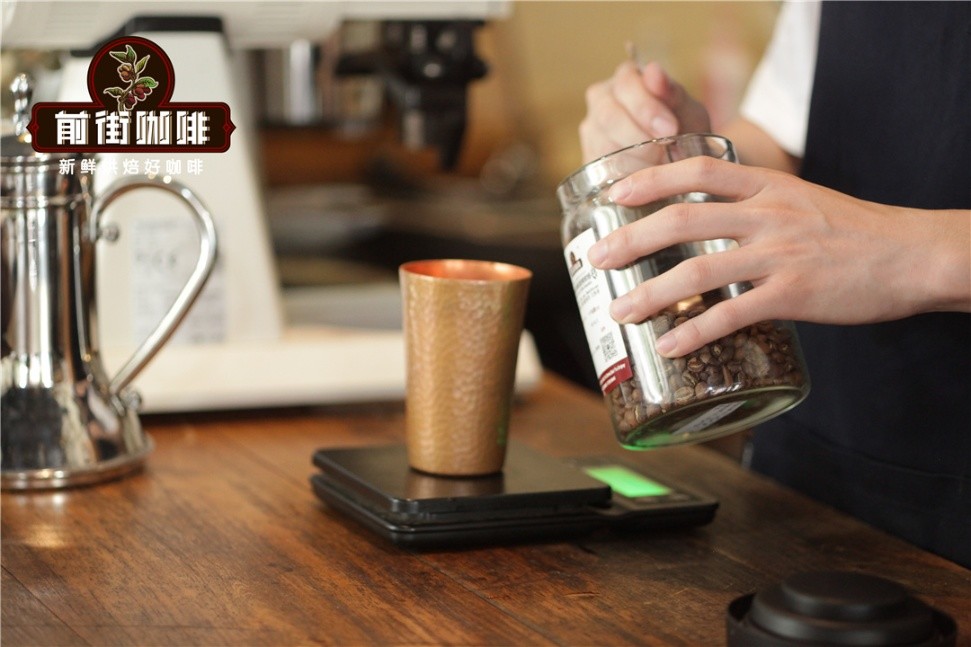
SOE, short for Single Origin Espresso, is not an unattainable technique. It simply replaces traditional blend beans with single-origin beans from a specific region that have distinct flavor characteristics, showcasing their unique personality through high-pressure extraction. However, SOE isn’t always better than a blend, as coffee flavor also depends on numerous variables such as roast profile, grind size, extraction time, and machine pressure. A single-origin bean with unclear flavor or improper roast may result in an espresso that’s overly sour or astringent, even unpleasant to drink.
So, what’s the charm of Yirgacheffe as an SOE? This Ethiopian coffee, originally part of the Sidamo region, was later designated as a separate region due to its outstanding quality. Yirgacheffe is primarily washed-processed, with some high-quality natural batches, generally featuring bright acidity, delicate floral notes, and a black tea finish, with some also exhibiting fruity tones like citrus and blueberry. Especially the washed Yirgacheffe, with its clean and layered acidity, can express richness akin to dark chocolate and refreshing citrus notes when used for espresso, leaving a long and pleasant aftertaste.
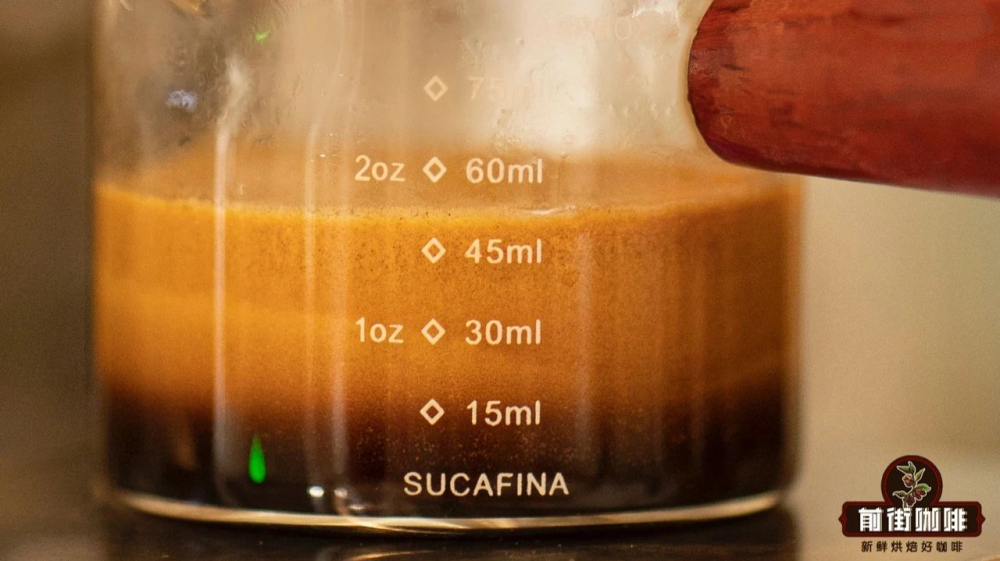
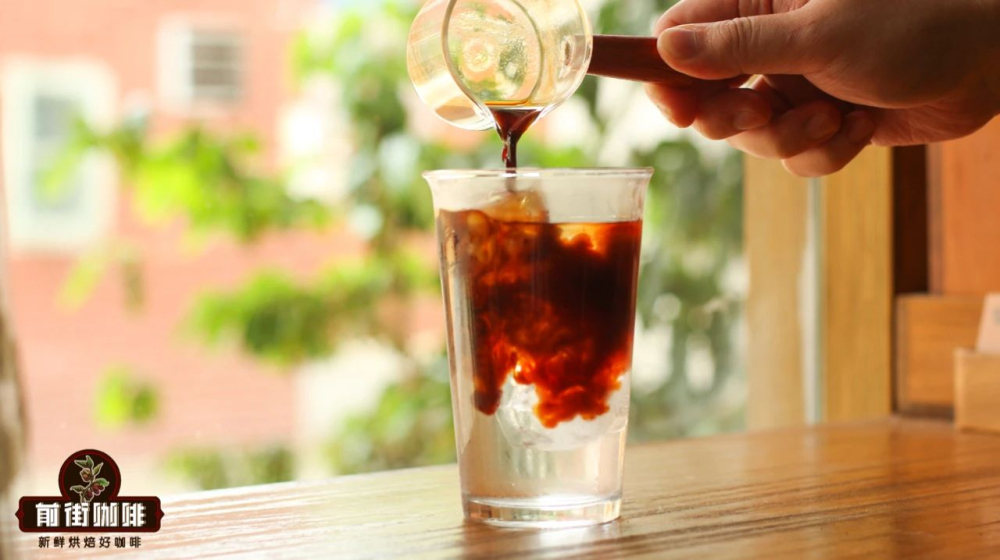
In short, a Yirgacheffe Americano is essentially an SOE Americano made with Yirgacheffe single-origin beans. This kind of Americano not only retains the original floral and fruity notes of the single-origin beans but, through proper extraction, can also present the richness and layered texture unique to espresso. Compared to regular blend-based Americanos, Yirgacheffe SOE Americanos place more emphasis on flavor expression, making them ideal for those who enjoy fruity, floral, and bright acidity. When diluted into an Americano, its sweet-and-sour balance remains clear without being dulled by added water.
To make an ideal Yirgacheffe SOE Americano, the key lies in choosing the right roast level and mastering the correct extraction parameters. Many assume that simply putting single-origin beans into an espresso machine automatically makes it an “SOE,” but if the bean’s roast profile doesn’t suit espresso needs, issues like uneven extraction, excessive acidity, or sharpness can easily arise. In fact, single-origin beans suitable for espresso typically need to have a medium to medium-dark roast character to bring out sweetness and body while not suppressing their inherent flavors.
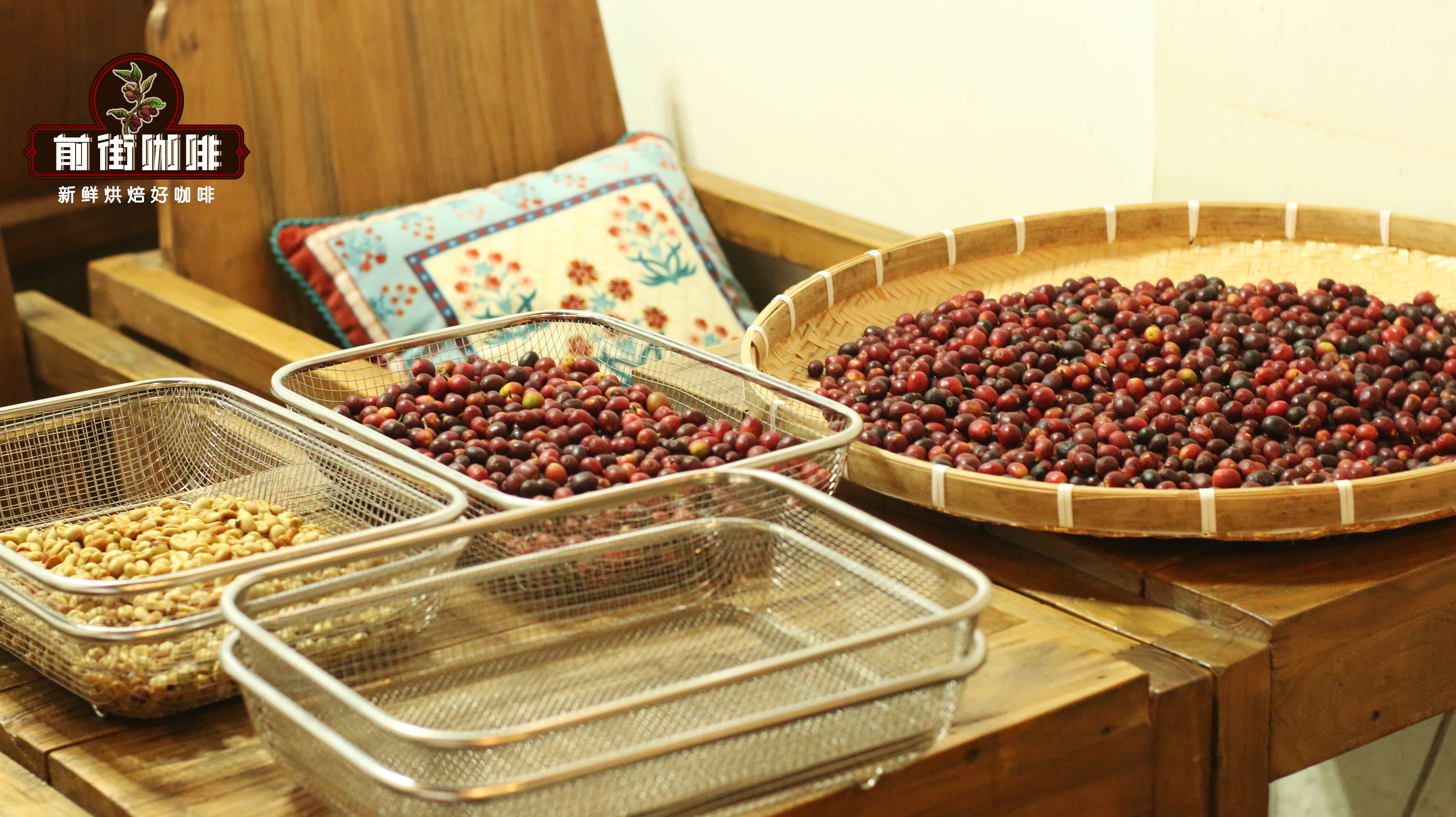
Currently, there are roast versions on the market specifically designed for SOE use, such as the Konga SOE, which is adjusted for espresso with a tailored roast level. Whether directly extracted as an Americano or combined with milk for a latte, it can exhibit good flavor balance. The Konga Cooperative is located in the Yirgacheffe region, where its unique red soil, rich in iron, aids in the absorption of nutrients by the coffee cherries, resulting in beans with distinct fruit sweetness and subtle floral notes—making it an ideal choice for crafting balanced lattes.
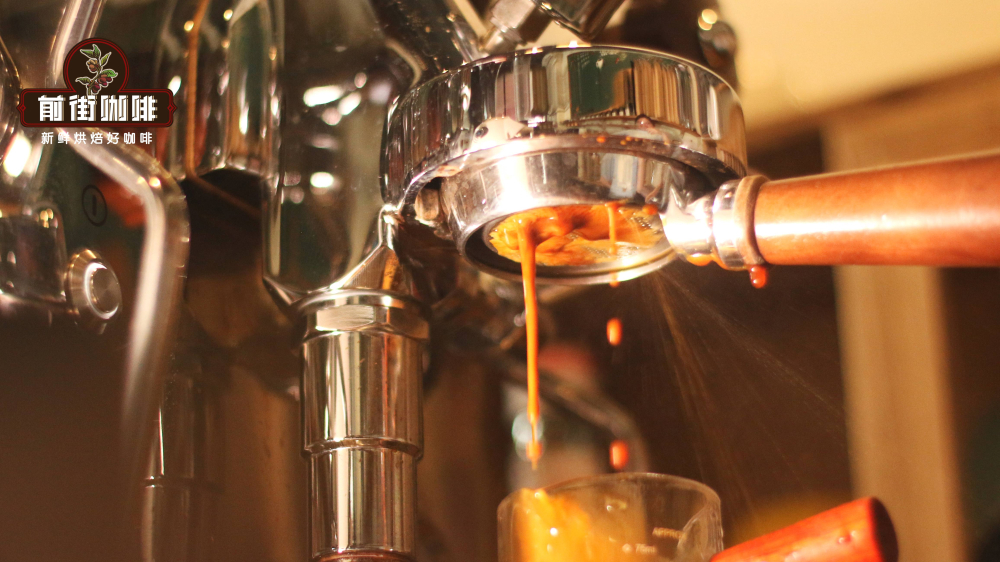
In terms of equipment, commercial machines like the Lelit Bianca can adjust pressure up to 11 bar, allowing for more precise extraction control; while home machines, as long as they reach above 9 bar, paired with an appropriate grinder and fine particle control, can also produce flavorful SOE espresso. The key lies in the combination of coffee-to-water ratio, grind size, and extraction time. Generally, a 1:2 brew ratio is recommended, with an extraction time between 26–33 seconds, which can fully highlight the citrus notes and black tea finish of Yirgacheffe.
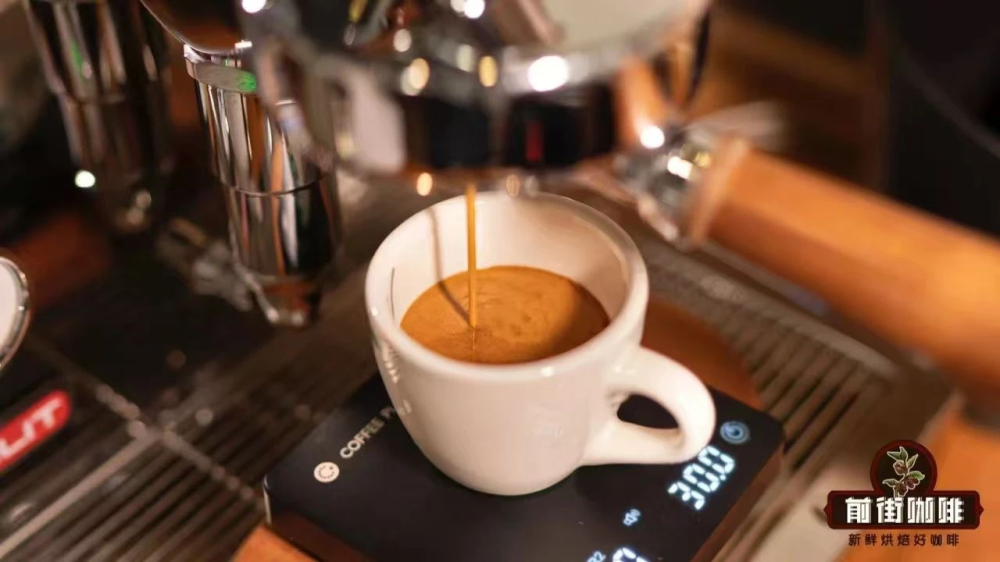
Specifically, if using sun-dried Konga SOE, it is recommended to use 20 grams of coffee, aiming to extract 40 grams of espresso, with grind setting roughly at Galileo 2.0 (adjust according to your grinder), maintaining a total extraction time of 28–30 seconds. During operation, preheat the portafilter, distribute the grounds evenly, tamp firmly, then perform a pre-infusion before starting the actual extraction. Stop when the scale shows 40 grams—the resulting espresso will be clear, with balanced sweet-and-sour notes, suitable for direct drinking or diluting into an Americano.
If you want to further make a Yirgacheffe SOE latte, you can mix 40 grams of espresso with 240 grams of milk at a 1:6 coffee-to-milk ratio. It is recommended to keep the milk temperature between 50–65°C, and create fine microfoam. When the milk is evenly integrated with the coffee, it not only softens the acidity but also highlights the bean’s inherent fruitiness and sweetness, resulting in a taste like lemon-flavored cookies—smooth, rich, and layered.
In summary, the main difference between a Yirgacheffe SOE Americano and a regular blend-based Americano lies in its more vivid and regionally distinctive flavor profile. SOE allows drinkers to clearly experience the unique character of a single origin, and Yirgacheffe, with its fresh floral-fruity notes and black tea aftertaste, has become a top choice for many espresso enthusiasts. If you wish to replicate similar café flavors at home, it’s recommended to start with roast level, grind coarseness, and extraction time, gradually adjusting to the parameters that best suit your taste, and enjoy the excellent performance of single-origin beans in espresso.
The above content is compiled by CoffeeHunters, a coffee news website.


