








Introduction:Yirgacheffe is one of Ethiopia’s most iconic specialty coffee regions, renowned for its distinctive citrus acidity and floral-fruity aromas. This article delves into the regional background, processing methods, flavor profiles, and practical pour over parameters, offering an in-depth comparison between the two mainstream processing methods—washed and natural—and providing specific roasting and brewing recommendations to help coffee enthusiasts gain a more comprehensive understanding of the diverse characteristics of this classic origin.
Yirgacheffe, this poetic name, always evokes images of bright citrus acidity and delicate floral notes. As a dream origin for specialty coffee lovers around the world, it is beloved for its vibrant and refreshing taste and nuanced fruit acidity, making it a top choice for many entering the world of specialty coffee. But did you know? Yirgacheffe is not only about washed processing—the natural processed beans also deliver astonishingly impressive flavors.
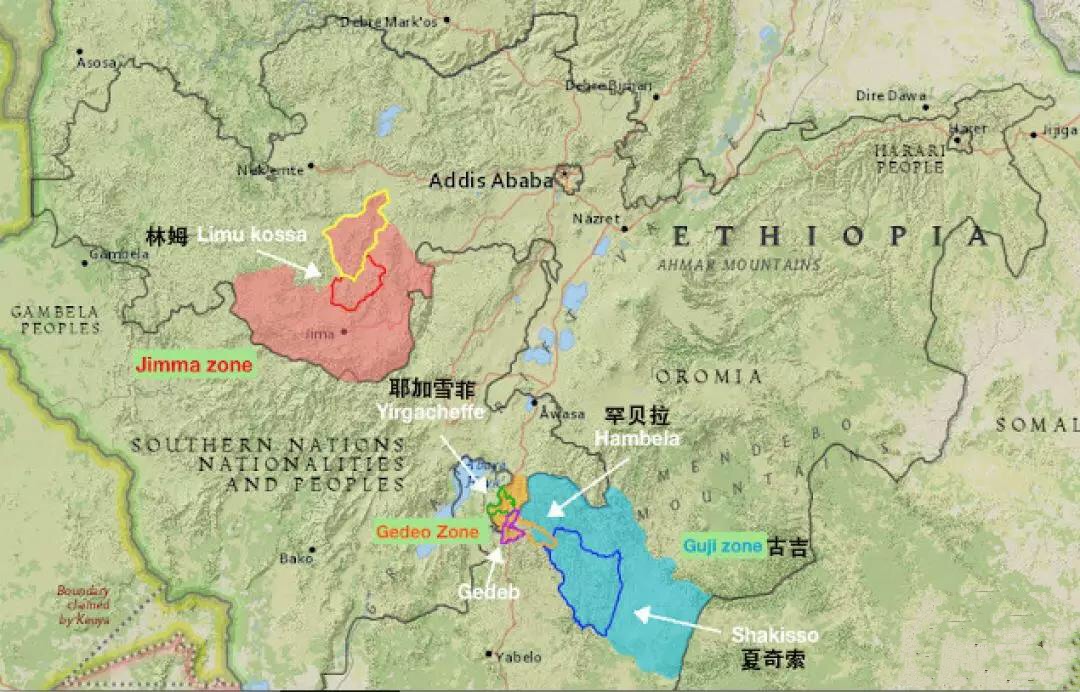
This small town in Ethiopia is situated on a plateau at an altitude of 1,700 to 2,100 meters, making it one of the highest-altitude coffee-growing regions in the world. Its unique geographical environment provides optimal growing conditions for Arabica coffee. Originally, Yirgacheffe was actually a sub-region under the Sidamo province, but due to its outstanding coffee quality, it gained official recognition and became an independent single-origin region. According to Ethiopia’s current ECX classification system, Yirgacheffe is further divided into four sub-regions: Yirgacheffe, Kochere, Wolkite, and Genlena Abay. Each area, with its distinct microclimates and farming practices, produces coffee with uniquely characteristic flavors.

When talking about Yirgacheffe, one must mention its two main processing protagonists—washed and natural. In the early days, like other Ethiopian regions, it mainly used traditional natural processing. It wasn’t until 1972, when washed processing techniques from Central and South America were introduced, that the citrus and floral traits of Yirgacheffe could be presented more precisely, solidifying its status in the specialty coffee scene. However, with advancements in natural processing techniques, carefully processed natural beans have recently regained market attention, showcasing a distinctly different profile of richness and fermentation layers.
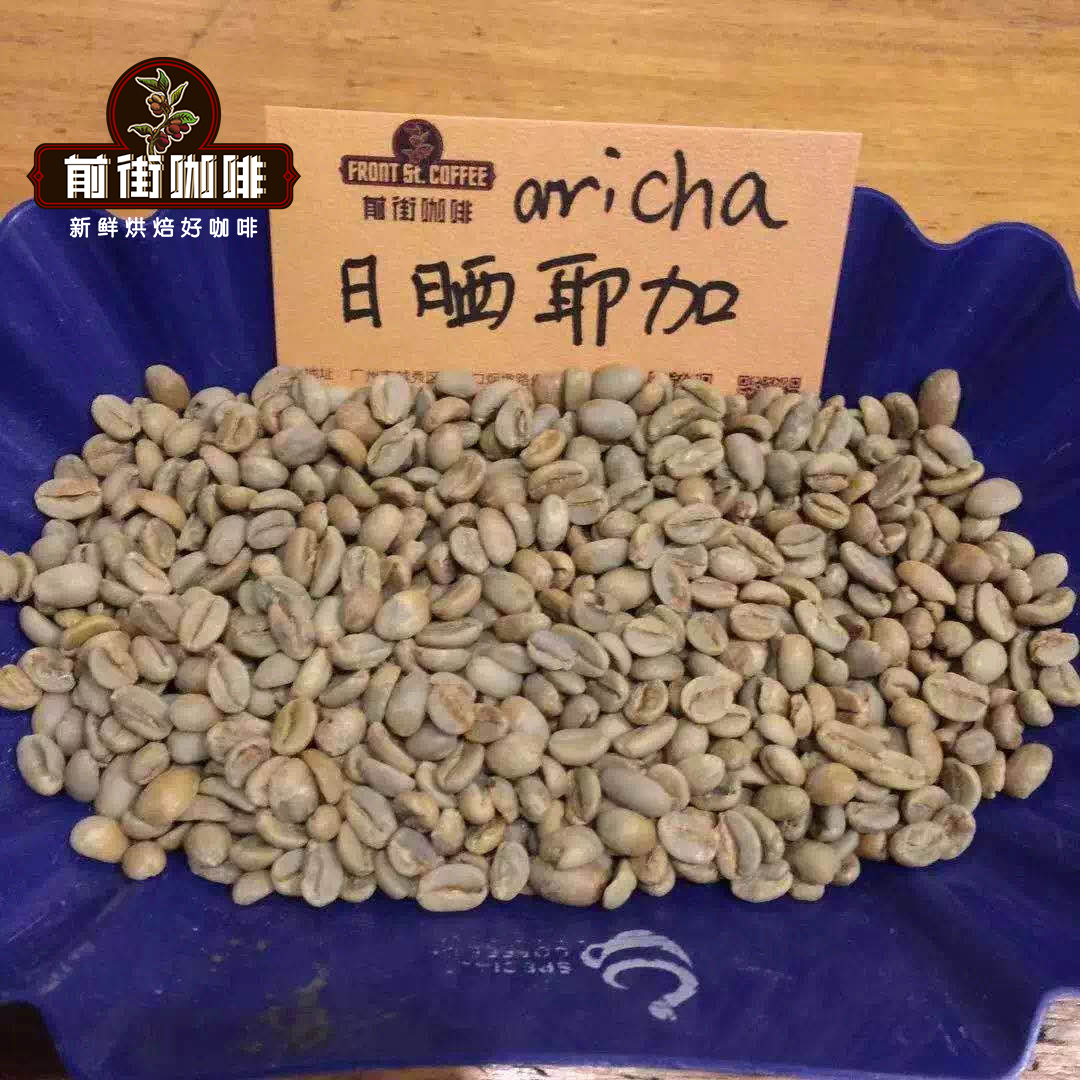
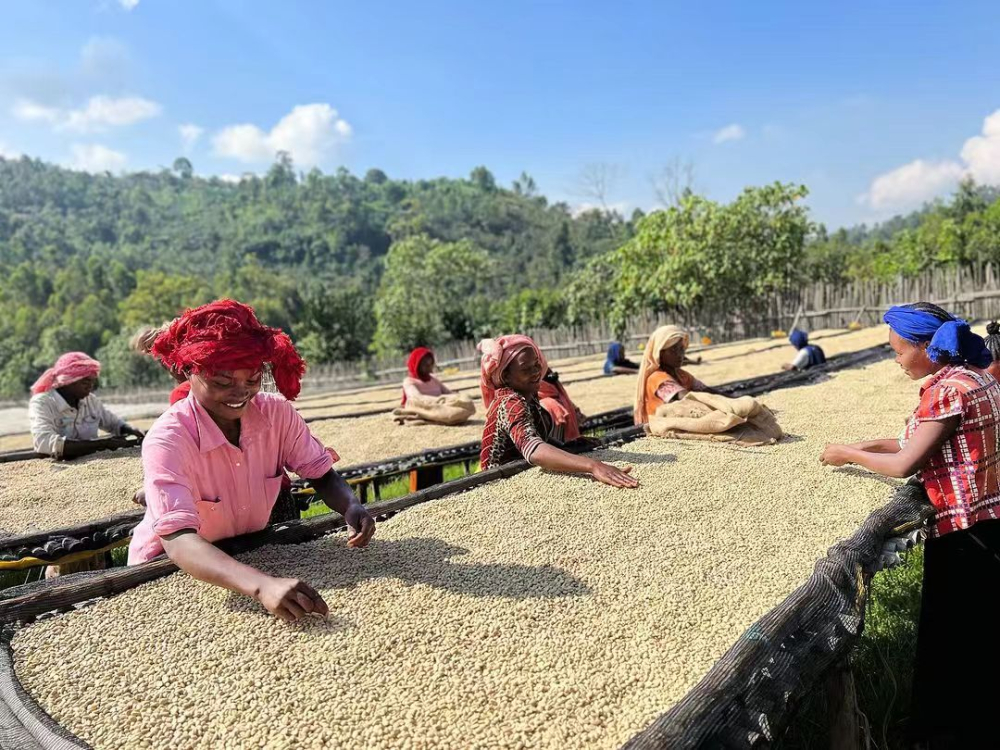
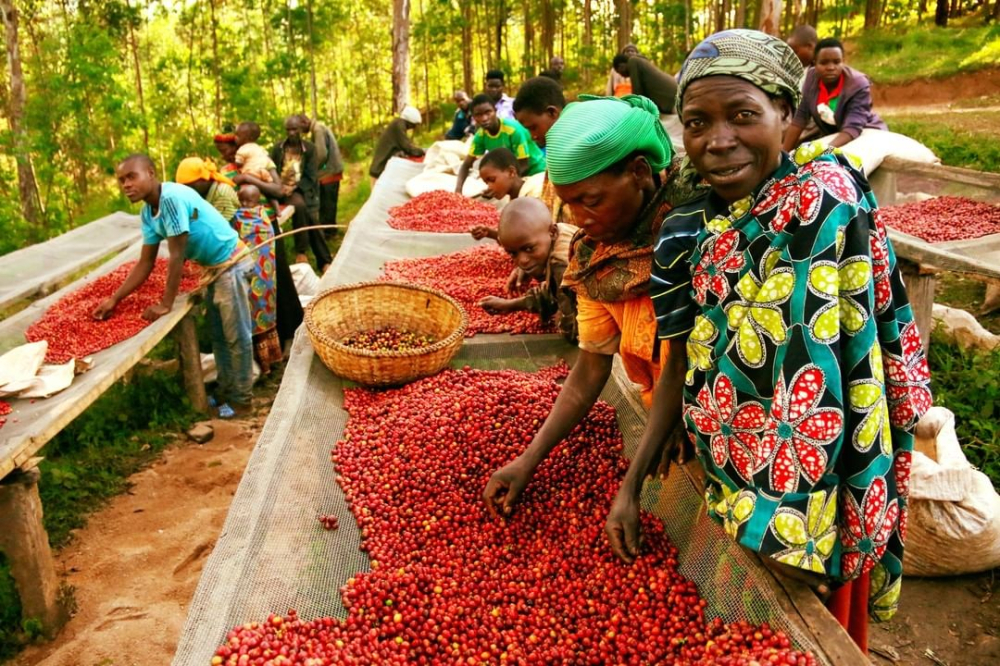
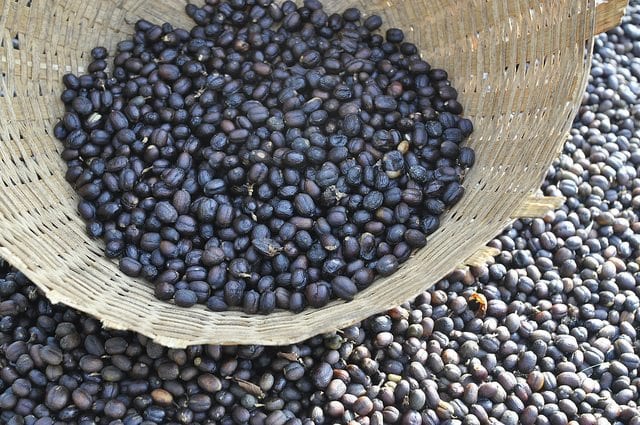
Let’s first take a look at the natural processing method, considered the most primitive way of coffee processing, also known as the dry method. The process is relatively simple, requiring no expensive equipment, but it heavily depends on stable weather conditions. It usually takes 27 to 30 consecutive days of sunlight to slowly dry the coffee cherries on raised beds until their moisture content drops to 11%. Although this method is lower in cost, it places stringent demands on the environment. Unstable weather or improper management can easily lead to mold growth or increased defective beans.The steps of natural processing include: selecting ripe coffee cherries, natural drying, removing the pulp and outer skin, and final sorting and packaging.
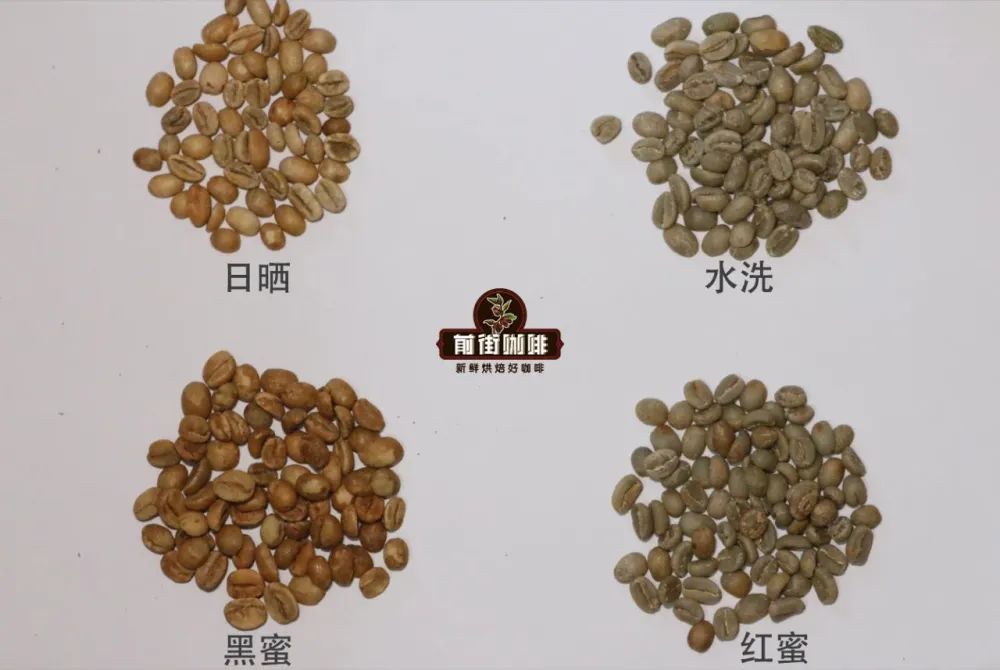
The advantage of natural processing lies in its ability to retain the natural sugars and fermentation flavors from the fruit pulp, often resulting in wine-like aromas, intense sweetness, and complex layers. However, the appearance is usually less uniform, and the bean surface may show cracks or uneven coloration. The downside is that it is greatly affected by weather, resulting in lower quality consistency. Improper handling can easily introduce impurities or undesirable flavors.
In contrast, washed processing places greater emphasis on cleanliness and flavor purity. The process involves first using water channels to sort out floaters and defective beans, then using machinery to remove the outer skin and pulp. Next, the beans enter a fermentation tank to remove the remaining mucilage layer—a stage that typically takes about 18 hours and requires multiple rinses to prevent mold. Finally, the cleaned green coffee beans are dried until they reach the standard moisture content before being stored and exported.The key steps of washed processing are: water sorting, pulping, fermentation and mucilage removal, washing, drying, and packaging.
The advantages of washed processing are clear flavors, bright acidity, fewer impurities, stable quality, and suitability for highlighting the unique terroir of the origin. However, the disadvantages include high water consumption, higher costs, and a more complex process, which makes it difficult to adopt in regions with scarce water resources.
So, how do washed and natural processed Yirgacheffe beans differ in flavor? Simply put, washed coffee is generally more “clean,” with bright acidity, featuring citrus, berries, and light floral notes. Its sweetness and body are relatively restrained, offering a crisp and transparent mouthfeel—making it very suitable for coffee lovers new to this origin. Natural processed coffee, on the other hand, exhibits richer fruitiness, fermentation wine notes, and sweet aftertastes, with more layered complexity. Its acidity is softer and often accompanied by smooth tones reminiscent of caramel and cream.
Taking real coffee offerings as examples, Ethiopia’s “Gutiti” washed beans, sourced from the high-altitude region of Yirgacheffe at around 1,900 to 2,300 meters, use local native varieties and washed processing. The flavor profile often includes layers of tropical fruits, cream, honey, and berries, with a clear citrus note, making it suitable for light roasting to highlight its lively acidity. Another example is the “Red Cherry” natural beans, from a high-altitude smallholder area in Yirgacheffe at 2,300 meters. Carefully selected 100% ripe red cherries undergo prolonged natural fermentation drying, resulting in intense berry, lemon, and strawberry aromas, with noticeable fermentation wine notes and sweet orange sweetness. It has a full body and a long-lasting aftertaste.
In terms of roasting and pour over parameters, these two beans each come with tailored recommendations. For instance, the natural Red Cherry beans are roasted to a medium-light to medium level, emphasizing a balance between fermentation aroma and sweetness. The suggested pour over water temperature is around 90–91°C, with a 1:15 coffee-to-water ratio, using a medium-fine grind (e.g., 80% through a #20 sieve), and a three-stage extraction method with a V60 filter. This setup fully showcases its berry and wine aroma layers. The washed Gutiti beans, on the other hand, are better extracted at a slightly lower temperature to preserve their fresh acidity and citrus character. A slightly lower water temperature and a finer grind are recommended to accentuate the subtle finish of cream, honey, and black tea.
In summary, Yirgacheffe has become a flagship origin in the global specialty coffee scene not only because of its exceptional growing environment but also due to the diverse flavor expressions brought by both washed and natural processing methods. Whether you prefer clean and bright acidity or rich and fermented sweetness, you can find your own coffee landscape in this magical highland.
The above content is compiled by CoffeeHunters, a coffee news website.


