







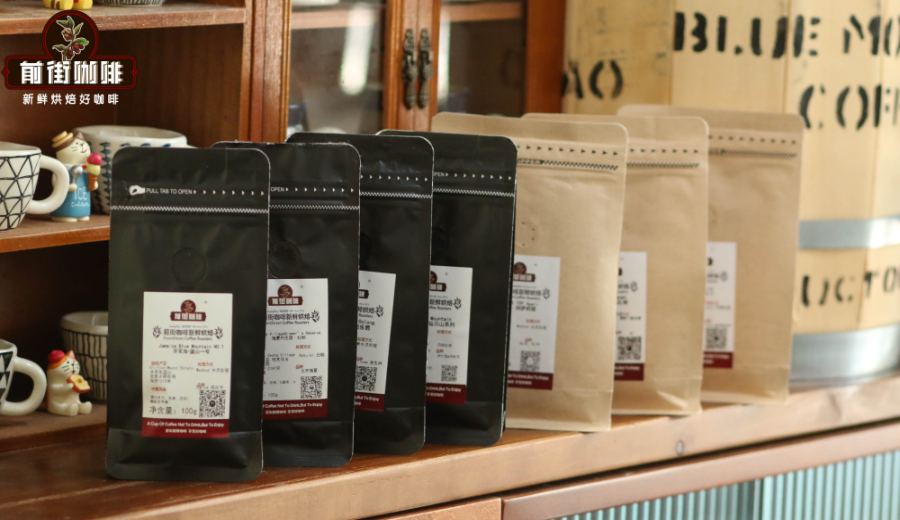
Introduction:Jamaica Blue Mountain has rarely released a natural-processed version, while Panama’s Finca Esmeralda has also extended the natural processing method to its Blue Label Geisha. The two classic coffee regions are simultaneously exploring innovative possibilities in processing methods. This article delves into how washed and natural processes shape the sweetness profile, aroma complexity, and clarity of coffee, from green bean selection and drying techniques to roast curve adjustments, providing key insights for identifying specialty coffee processing styles.
When the traditional representative Jamaica Blue Mountain first experiments with natural processing, and Panama’s Finca Esmeralda applies the natural technique—previously reserved for higher-tier Green and Red Labels—to its Blue Label Geisha, these top-tier beans from both the Old and New Worlds showcase a surprisingly engaging dialogue in processing techniques. By systematically comparing the appearance of green beans, roasting parameters, and cupping performances of washed and natural versions, one can clearly understand how different processing methods affect sweetness expression, aroma development, and overall clarity, offering practical references for coffee enthusiasts choosing their preferred processing style.
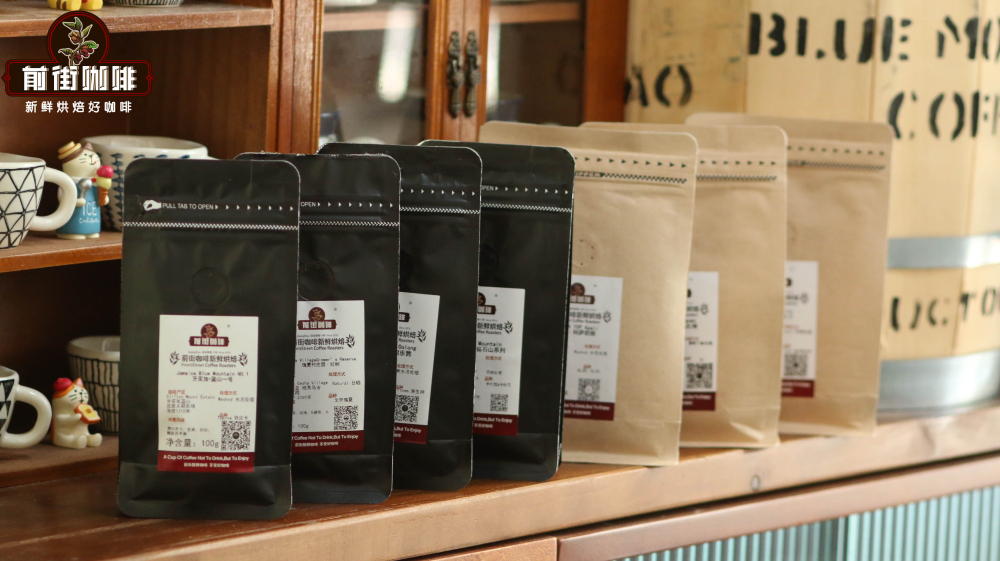
Blue Mountain coffee has established itself as a benchmark for traditional specialty coffee with its unparalleled balance, while Finca Esmeralda Geisha has repeatedly claimed championship titles in international competitions. Notably, these two renowned regions adjusted their processing strategies around 2020—Blue Mountain introduced natural processing for the first time, and Finca Esmeralda applied refined natural techniques to the Blue Label tier, allowing consumers to experience flavor differences across processing methods at a more accessible price point. This shift provides an excellent opportunity to compare processing variations among beans from the same region and similar grade.
Many coffee drinkers pay close attention to the flavor characteristics brought by processing methods: some prefer the clean taste of washed processing, others are captivated by the rich layers created by natural processing, and some enthusiasts focus on the unique aromas of special techniques like anaerobic fermentation. But can processing methods truly overhaul the fundamental flavor direction of coffee? The answer lies in the details of drying and fermentation.

As the oldest coffee processing method, natural processing dates back thousands of years to the Arab region. The traditional approach involves spreading whole coffee cherries directly on sun-exposed platforms, allowing them to dry naturally for about 27 to 30 days, reducing moisture content from an initial 60% down to around 12%. Although this technique is conceptually simple and cost-effective, it is highly susceptible to weather changes, making quality consistency harder to control. It was historically used mostly for lower-grade coffee beans. Modern refined natural processing has significantly improved these issues: fully ripe red cherries are strictly sorted after harvest, with unripe or overripe defects removed, then placed on elevated drying beds for slow, even turning to ensure uniform heat exposure. Moisture levels are monitored throughout until the ideal standard is achieved.
In contrast, washed processing was developed by Dutch colonists in the 18th century and remains the most widely used method in specialty coffee today. The process includes: first using a pulper to remove most of the fruit pulp, then soaking the parchment-covered beans in water tanks for fermentation, where microbial action breaks down the remaining mucilage layer. During this stage, unripe and defective beans naturally float due to density differences, making them easier to remove. After fermentation, sticky mucilage is mechanically stripped away, and the parchment-covered green beans are dried on beds until reaching 12% moisture content, with the final protective parchment layer removed prior to export. This multi-step process effectively controls fermentation, ensuring flavor consistency.
To put it simply, the essential difference between natural and washed processing lies in the following: the former involves drying and fermenting the entire coffee fruit (including pulp, mucilage, and seed), while the latter first removes the outer layers, retaining only the coffee seed for refined drying. This fundamental difference in processing logic directly influences the final coffee’s aroma profile and taste expression.
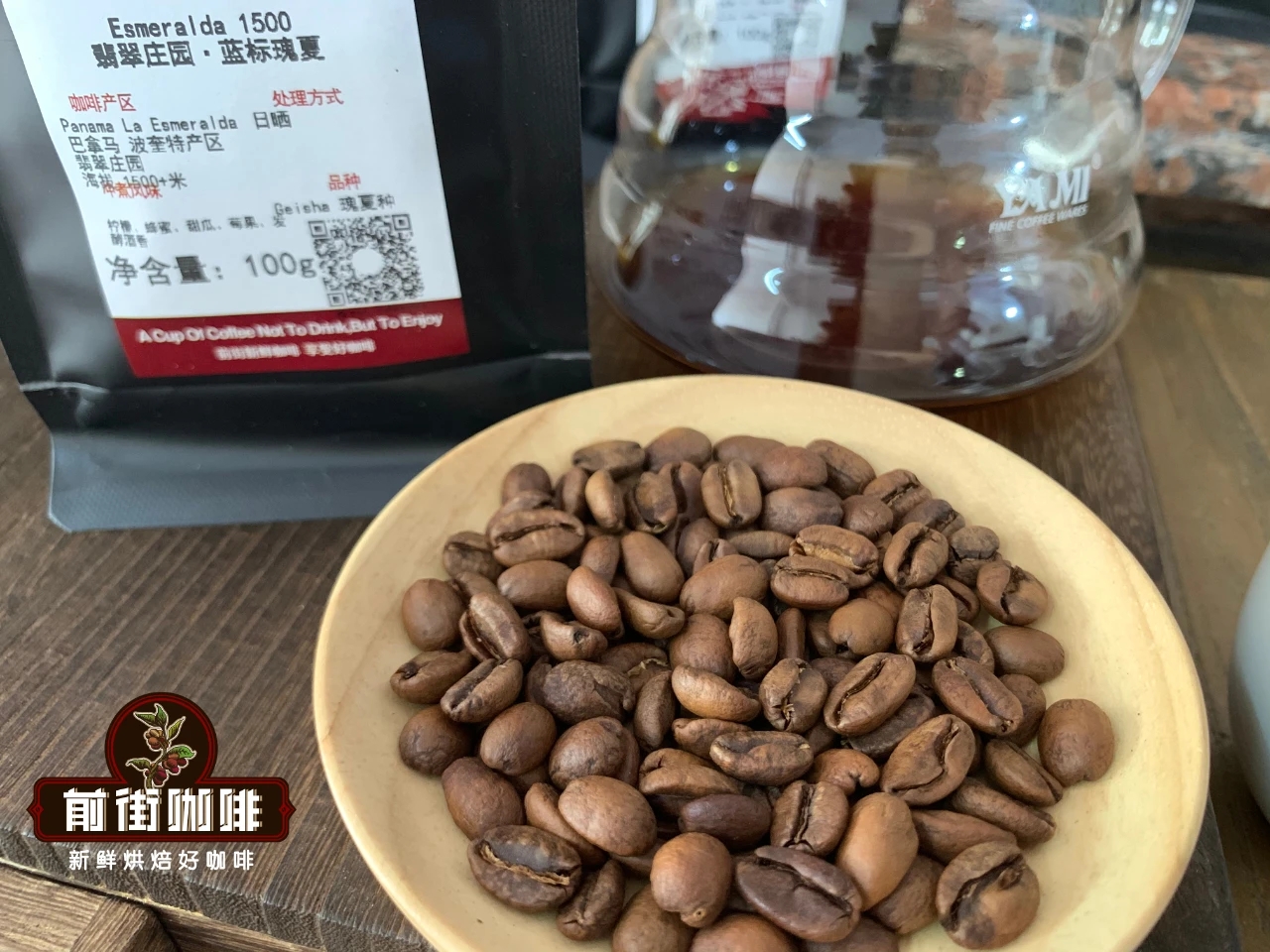
To accurately compare processing differences, this evaluation specifically employs medium and medium-light roast curves tailored to each processing version, fine-tuned according to flavor characteristics. For Blue Mountain No. 1, a medium roast (entering drum at 165°C, initial flame at 130, air damper at 3) is chosen to highlight its signature balanced and full-bodied profile; for Blue Label Geisha, a medium-light roast (entering drum at 180°C, initial flame at 130, air damper at 3) is applied to enhance its distinctive bright acidity and floral-fruit aroma.
Observing the appearance of green beans reveals clear distinctions:Whether natural or washed, Blue Mountain beans exhibit a plump oval shape, with flat bodies and slightly upturned ends—typical traits of the Typica variety—and uniform particle size..Blue Label Geisha, on the other hand, shows a slender oval shape with distinctly pointed ends, a key identifying feature of the Geisha variety.. Further comparing processing differences,natural green beans display a noticeable light yellow hue, while washed green beans maintain a deep green tone, with visible fragments of silver skin not fully detached..
The differences in roasted beans are even more pronounced:Natural beans typically have their silver skin fully removed, resulting in a clean surface with no residue; washed beans often retain faint yellowish silver skin marks along the centerline,as the silver skin fibers at the centerline are more tightly bound to the bean, and washed processing causes the silver skin to fragment and adhere, increasing the difficulty of detachment after drying.

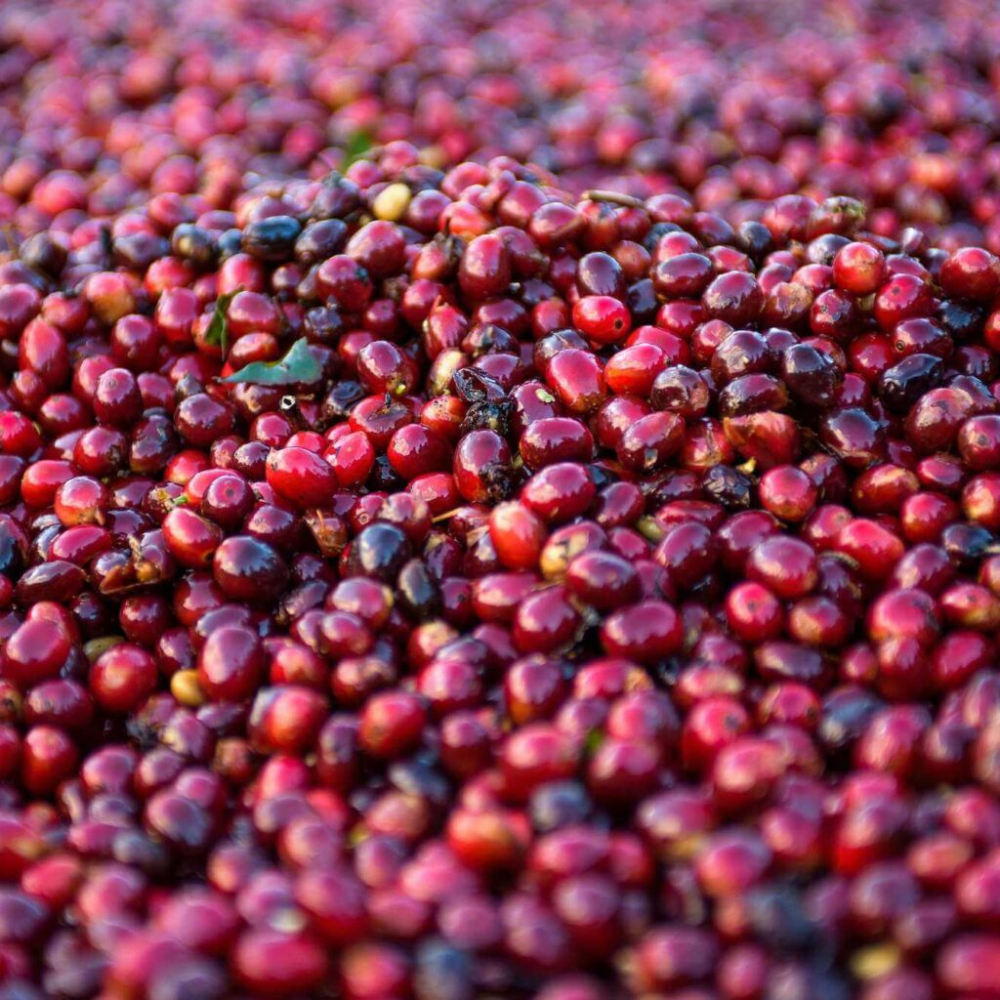
Actual cupping results show that processing methods have an extremely significant impact on flavor profiles.Naturally processed coffee generally exhibits higher sweetness, accompanied by distinct fermented aroma characteristics, with richer and more diverse fruit flavor layers.Flavors ranging from tropical fruits to stone fruits are often perceived simultaneously.Washed coffee, however, showcases clearer intrinsic flavors, with a relatively refreshing mouthfeel. Light roasts particularly highlight citrus acidity and floral notes,with an overall flavor profile that is more direct and straightforward. These differences stem from the varying fermentation environments during processing: natural processing allows the whole fruit to undergo slow, ongoing fermentation during drying, enabling pulp components to permeate and influence the seed; washed processing, through tank fermentation and water rinsing, effectively isolates pulp interference, preserving the more pure inherent characteristics of the bean variety.
The above content is compiled by CoffeeHunters, a coffee news website.


