








Introduction:Although Tanzanian coffee is not as well-known as that of its neighboring countries, its AA-grade washed Bourbon beans from the Kilimanjaro region stand out with their bright citrus notes and honey-like tea flavors. This article delves into how the altitude, variety, and washed processing of these beans shape their unique flavor profile, and provides tested pour-over recommendations to help coffee enthusiasts master the optimal brewing method and experience the refined balance of Africa’s highlands.
On the map of African specialty coffee, Ethiopia and Kenya often take the spotlight, but Tanzanian Arabica beans are equally noteworthy. Its grading system is similar to Kenya’s, categorizing beans by size, with Grade AA being the top-tier specification. The washed Bourbon variety from the volcanic slopes of northern Mount Kilimanjaro, grown at high altitudes between 1,300 and 2,000 meters, develops a layered profile that combines the freshness of citrus with the depth of berries, and a lingering finish of honey sweetness and comforting tea-like texture.
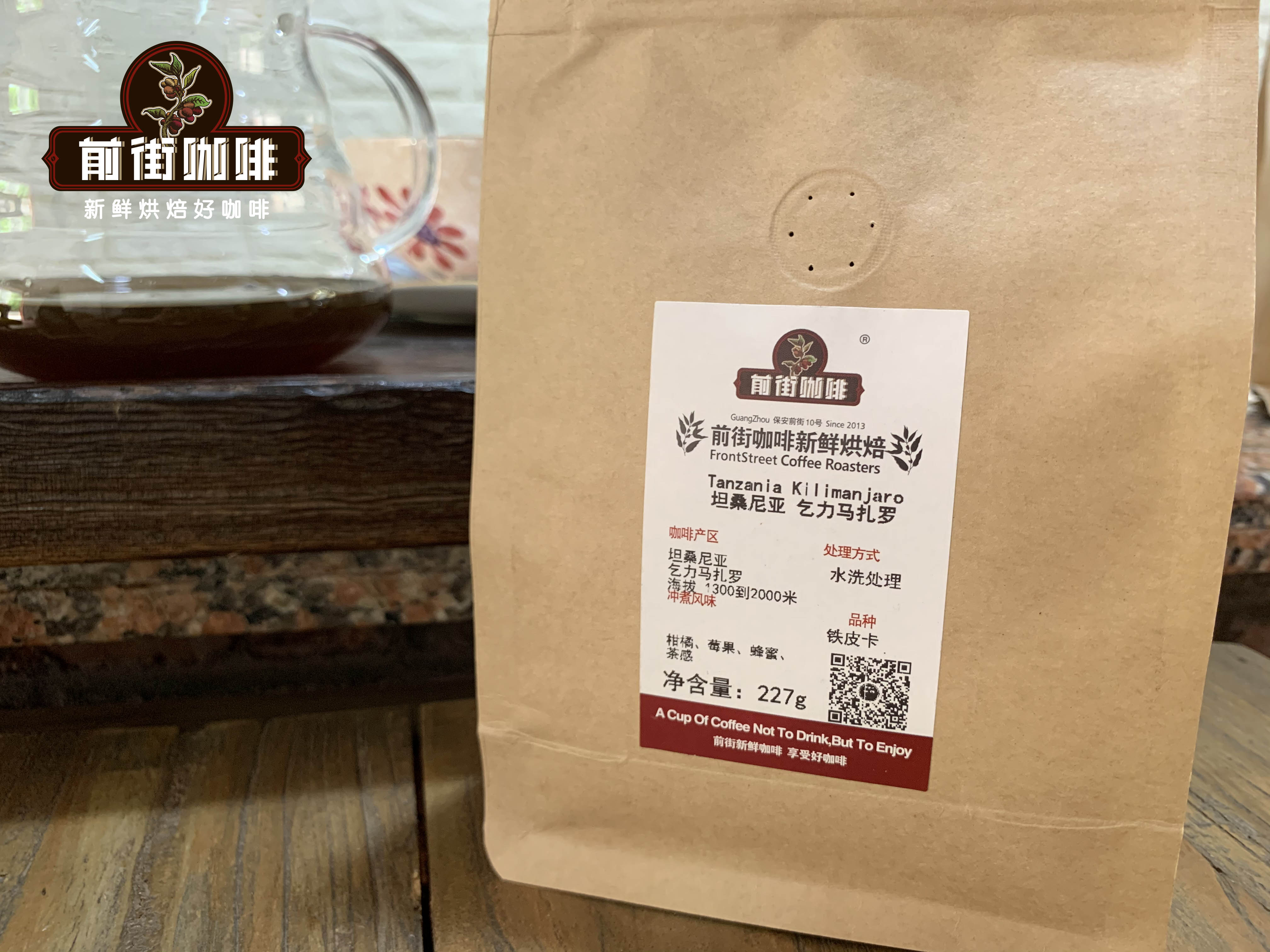
The core flavor characteristics of this Tanzanian Kilimanjaro AA coffee include pronounced citrus acidity, red and black berry tones, and a clean honey-like sweetness brought by the washed process, all contributing to an overall tea-like smooth mouthfeel. To understand the origins of these traits, we need to examine the regional geography, varietal genetics, and processing methods.
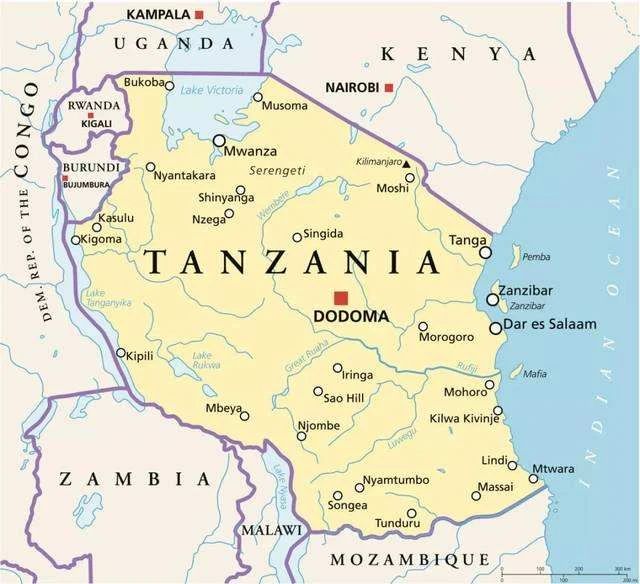
Tanzania’s coffee cultivation history dates back to the early 20th century, when the German colonial government promoted Arabica beans as a cash crop, particularly establishing the industry around the foothills of Mount Kilimanjaro. Although its international recognition may not match Kenya’s, its annual production is comparable to its neighbor, reaching about 50,000 metric tons. The earliest Arabica varieties were introduced from Réunion Island (then French-run), and successful trial plantings were conducted in the Bayamoyo and Mogoro regions, with the slopes of Kilimanjaro yielding the most outstanding results. By 1893, the foundational coffee cultivars in the region were established, followed by additional varieties introduced from Burundi in the 1950s. Currently, high-altitude regions account for approximately 75% of the country’s coffee-growing area and preserve native wild coffee genetic resources.
Focusing on the Kilimanjaro region, its slope terrain as part of Africa’s highest volcano provides an ideal cultivation height of 1,300 to 2,000 meters. The mineral-rich volcanic soil, combined with a microclimate of stable average temperatures and significant day-night temperature variations, helps coffee cherries ripen slowly and accumulate rich flavor compounds. This region is not only Tanzania’s largest coffee-producing area, but its exports also hold significant economic importance for the nation.
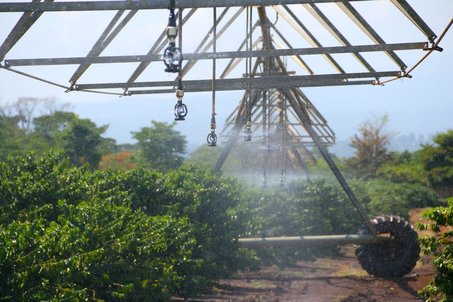
The AA-grade coffee featured here uses the Bourbon variety, which originated on the island of Bourbon (now Réunion) in the 18th century and was introduced to Tanzania by Catholic missionaries in 1898. Compared to the Typica variety, Bourbon plants have broader leaves and yield about 30% more per unit area, with fruit that is rounder and shorter in oval shape. Its flavor profile is dominated by bright berry acidity, accompanied by rich creaminess and floral-fruity aromas, though it is less disease-resistant and requires careful cultivation management. In addition to red Bourbon, Tanzania also grows small amounts of yellow and pink Bourbon variants, with this particular offering being a classic representative of the red Bourbon lineage.
In terms of processing, local farmers commonly employ the washed method, which effectively highlights the intrinsic flavor characteristics of the coffee. The standard process includes: initial screening to remove impurities, mechanical removal of pulp and outer skin, 18 to 36 hours of fermentation to remove the mucilage layer, thorough washing, and then drying either in the sun or mechanically. This method results in a coffee with a clear acidity structure and clean mouthfeel background, minimizing interference from impurities and making the regional characteristics of Kilimanjaro’s volcanic terroir more pronounced.
Similar to Kenya, Tanzania grades its beans based on screen size. Grade AA is defined as beans that pass through a 17–18 mesh sieve (approximately 7.20 mm aperture), representing the largest and densest grade; Grade AB passes through a 15–16 mesh sieve (6.8 to 6.2 mm), PB grade consists of about 10% peaberry beans, and Grade C passes through a 12–14 mesh sieve (4.8 to 5.6 mm). The AA-grade beans in this lot are plump and uniform, laying a solid foundation for heat transfer and flavor release during extraction.
For this Kilimanjaro AA washed Bourbon bean, the tested recommendation is to use a V60 dripper for pour-over. Its wide opening and spiral ribs aid in gas release, and while it may sacrifice some body, it enhances the brightness of acidity and aroma diffusion. Suggested parameters are: 15 grams of coffee, grind size similar to granulated sugar (approximately 80% extraction through a #20 sieve), water temperature of 90–91°C, and a brew ratio of 1:15.
The specific brewing steps follow a staged extraction method: the first stage involves pouring 30 grams of hot water for a 30-second bloom to activate enzymatic reactions; the second stage uses a slow circular pour to reach 125 grams, then stops, waiting for the liquid level to drop to about half before continuing to pour evenly until the total reaches 225 grams. The entire process takes approximately 2 minutes and 3 seconds (including the bloom), yielding a balanced berry aroma, gentle citrus acidity upon entry, a nutty mid-palate, and a long-lasting honey-like sweet aftertaste.
In summary, the Tanzanian Kilimanjaro AA coffee bean, with its high-altitude terroir, classic Bourbon variety, and precise washed processing, creates a flavor profile that blends the vibrancy of Africa with delicate balance. By adjusting grind size and brewing parameters appropriately, coffee enthusiasts can fully appreciate the unique charm of this premium bean from the volcanic slopes.
The above content is compiled by CoffeeHunters, a coffee news website.


