








Introduction:Cold brew coffee, known for its low acidity, smooth body, and easy-drinking profile, has become a top choice for many coffee lovers during the summer. However, many are still unclear about its shelf life, how to make it without a fridge, and when it tastes best. This article will delve into key cold brew preservation tips, methods to extend freshness, and practical techniques for making it without refrigeration. Additionally, based on the flavor profiles of various specialty coffee beans, we recommend suitable beans and precise brewing parameters to help you easily craft high-quality cold brew with clear flavors and pronounced sweetness.
Cold brew coffee, or Cold Brew Coffee in English, is a brewing method where coarsely ground coffee is steeped in room-temperature or cold water for at least 12 hours. Compared to traditional hot water brewing, the cold brew process is gentler, reducing the extraction of tannins and acidic compounds. This results in a smoother mouthfeel, significantly less bitterness, and a rich, layered flavor profile.
However, since cold brew coffee is not subjected to high-temperature sterilization, it is prone to slight oxidation and mild fermentation over time, causing its flavor to change as it’s stored. It is generally recommended to consume it within three to four daysafter brewing to achieve the most ideal flavor expression.

For those without access to a refrigerator, making cold brew may seem challenging, but there are alternative solutions. If the ambient temperature is relatively low (such as during spring or autumn or in a temperature-controlled indoor environment), you can place the steeping container in a cool, ventilated spot away from direct sunlight and heat sources to complete the basic cold brew process. However, be aware that this method offers less flavor stability. It is advisable to brew smaller batches and filter and consume within 24 hoursto ensure freshness and optimal taste.
The cold brew process is actually quite simple: coarsely ground coffee is mixed with cold water (or a combination of water and ice) in proportion, left to steep for a period of time, and then separated from the grounds using filter paper, cloth, or a filter screen to obtain a clear cold brew liquid. The key lies in controlling the coffee-to-water ratio, grind size, and steeping time to fully extract the aroma and sweetness of the coffee.
Taking a common home-brewing ratio as an example, it is recommended to use a 1:12 to 1:15 coffee-to-water ratio—that is, 50 grams of coffee grounds to 600 to 750 milliliters of water. The grind size should be slightly coarser than that used for pour over, roughly similar to that of a French press, to allow smooth water flow and avoid over-extraction.
In practice, you can place the coffee grounds in a sealed glass bottle or container, add a mixture of cold water and ice (for example, 400 milliliters of room-temperature water plus 200 grams of ice, totaling 600 milliliters), stir well, seal, and let it sit in the refrigerator for 12 to 24 hours. The duration can be adjusted according to personal taste; longer steeping usually yields a richer flavor, but over-steeping may bring unwanted off-notes.
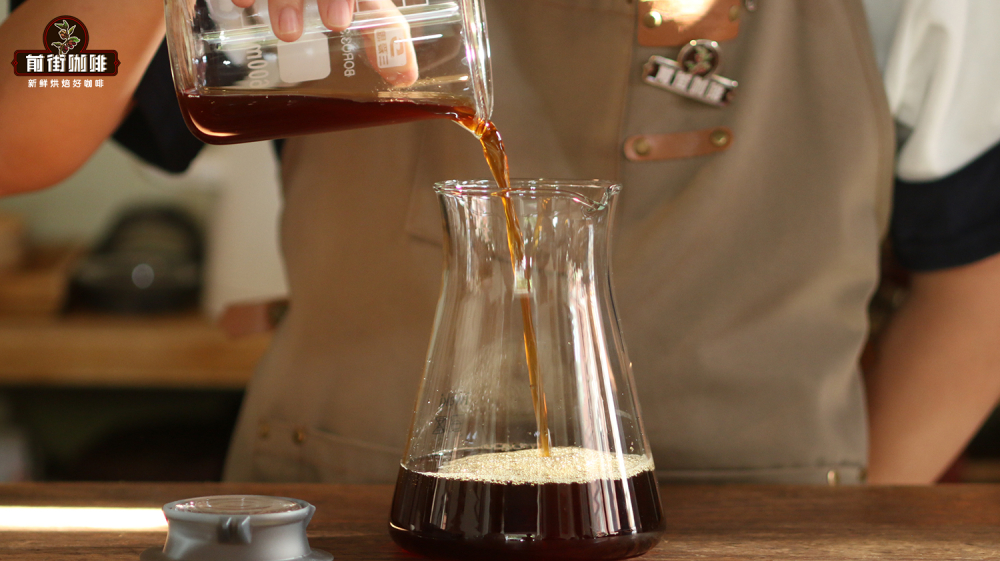
After steeping, thoroughly filter the coffee grounds using filter paper or cloth. It’s recommended to filter twice to ensure the liquid is clear. The filtered coffee can then be poured into a clean, sealed bottle and left to chill in the refrigerator for another 3 to 4 hours to allow the flavors to stabilize and meld before serving.
When it comes to bean selection, cold brew is particularly well-suited for showcasing coffees with distinct sweetness and low acidity. Washed or specially processed beans often exhibit clearer fruit notes and sugary sweetness during cold brewing, with more pronounced flavor profiles.
Here are several recommended coffee beans for cold brew along with their flavor characteristics:
1. Yirgacheffe Red Cherry (Ethiopia)
Sourced from the high-altitude Yirgacheffe region and processed using the natural (sun-dried) method, this coffee is of the Heirloom variety. Its flavor profile features floral notes, citrus, and red berries, with a bright yet non-abrasive acidity—ideal for those who enjoy fruity profiles.
2. Costa Rica Mozart (Costa Rica)
From the Tarrazú region, this coffee undergoes a raisin honey processing method that imparts intense sweetness. Its flavors include osmanthus, raisins, pineapple, and berries, with particularly notable sweetness when brewed cold.
3. Colombia Geisha (Colombia)
From the Finca La Línea estate, this coffee uses a double anaerobic sun-dried process and is of the Geisha variety. Its flavors highlight grape, passion fruit, citrus, apricot, and nuts, offering a rich and layered profile with outstanding sweetness.
4. Panama Flower Dance (Panama)
A blend of 70% Geisha and other varieties, processed via washed method to highlight tea-like qualities and citrus notes, complemented by orange blossom and white floral aromas. When brewed cold, it delivers a soft and delicate flavor expression.
In summary, cold brew coffee not only has a low barrier to entry but also highlights the unique characteristics of the coffee beans themselves. By mastering the coffee-to-water ratio, grind size, and steeping time, and selecting the right coffee bean variety, you can easily produce café-quality cold brew ice coffee at home. Remember to store it properly and enjoy it within its peak flavor window to experience its purest and most delightful characteristics.
The above content is compiled by CoffeeHunters, a coffee news website.


