







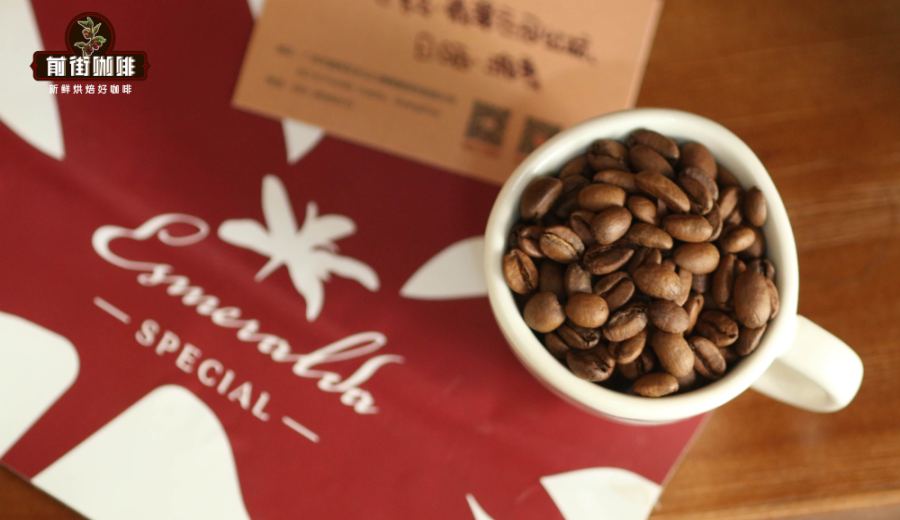
Introduction:Panamanian Geisha from Hacienda La Esmeralda is renowned for its delicate floral and fruity aromas and unique citrus-berry flavor profile, making it a dream coffee for many enthusiasts. But why is Geisha often synonymous with "expensive"? This article will delve into its origin background, variety characteristics, roasting and pour over essentials, and explain the suitable scenarios for each grade to help beginners select and brew Geisha that delivers an astonishing flavor experience.
Among the many specialty coffee beans, Geisha from Panama’s Hacienda La Esmeralda stands out with its ultimate floral notes, bright citrus tones, and rich complexity, making it a top choice for many coffee lovers. Especially when you first taste its floral top notes that bloom like flowers, followed by the mid-palate of cherries and berries, and finishing with honey and tea-like sensations, you’ll understand why it often ranks among the most expensive coffees in the world.
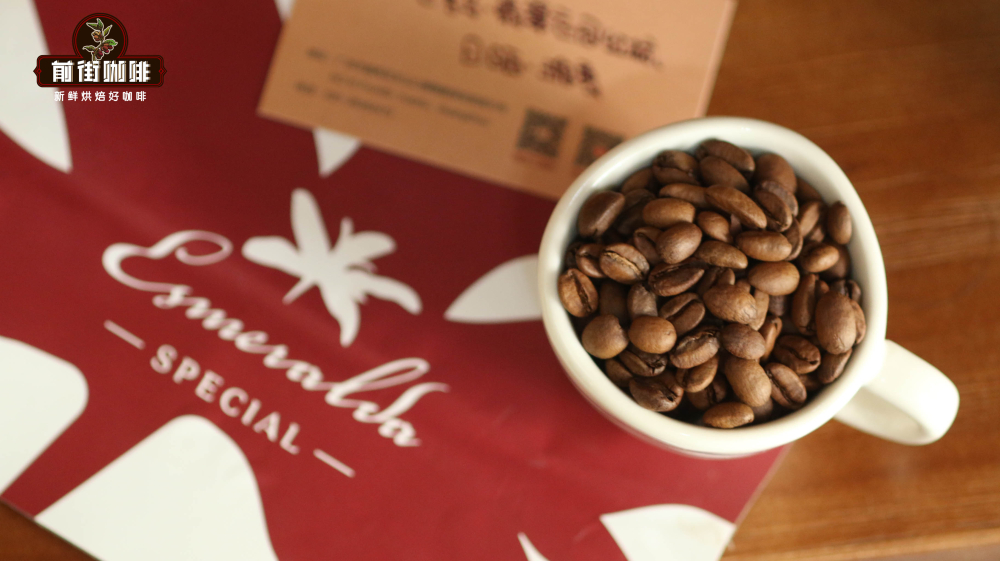
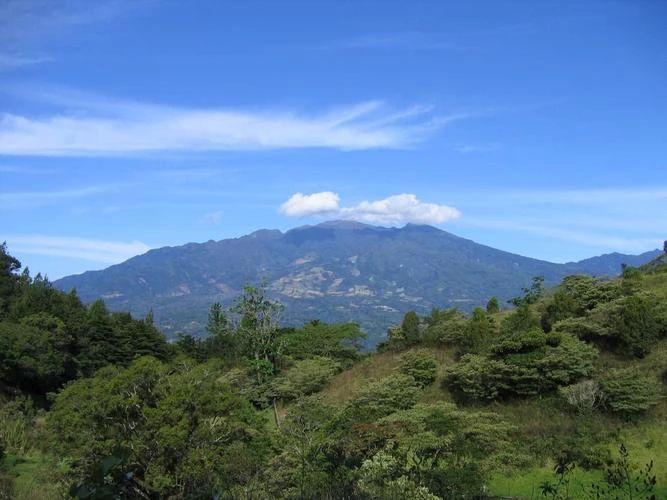
The high price of Geisha is not only due to its exceptional flavor profile but also stems from its stringent cultivation conditions and low yield. Coffee cultivation in Panama is mainly concentrated in the Chiriquí volcanic belt, and Geisha has extremely high environmental requirements—it needs high altitude (usually above 1500 meters), moderate cloud shade, fertile and well-drained soil to develop a full and complex flavor spectrum. In addition, Geisha leaves are thinner, resulting in lower photosynthesis efficiency, and its root system is not robust enough, limiting its ability to absorb water and nutrients. This leads to a yield per plant that is only about half that of the common Caturra variety, further driving up its rarity and market value.
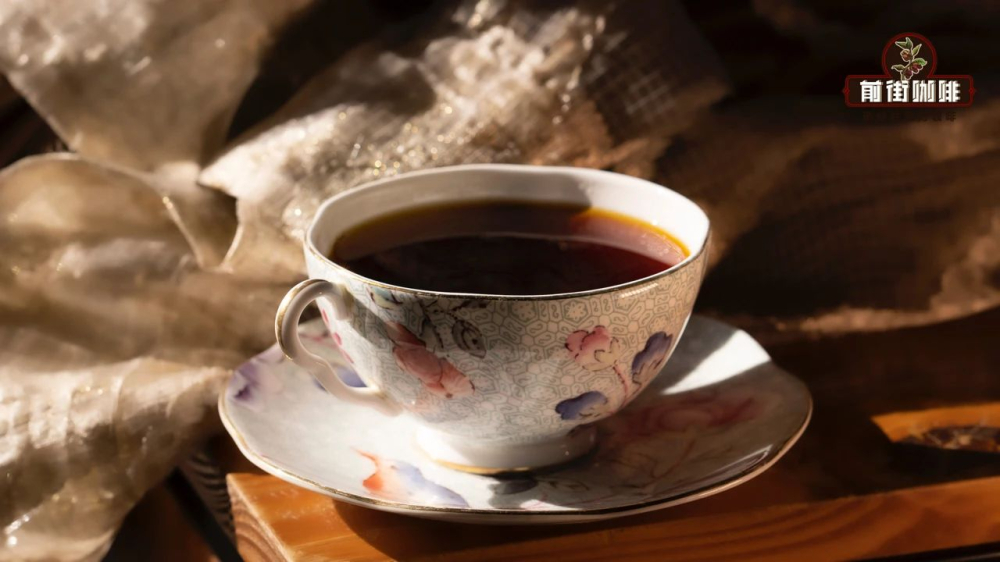
Currently, Geisha on the market mainly comes from Panama, Guatemala, and Colombia, among which Panamanian Geisha is the most highly regarded. As a representative flagship farm, Hacienda La Esmeralda offers a range of clearly labeled and graded Geisha products, including Red Label, Green Label, and various single-origin offerings from the Boquete region, suitable for consumers with different budgets and purposes. Red Label Geisha typically comes from the Canas Verdes block at altitudes above 1700 meters, processed with the natural method to present intense citrus and rose tea aromas paired with honey-like sweetness, making it a top choice for many specialty coffee connoisseurs. Green Label is positioned slightly more affordably, yet still retains the distinct characteristics of Geisha, suitable for coffee lovers who want to experience high quality but have a limited budget.
For beginners just getting into Geisha, there’s no need to rush into purchasing the expensive Red Label. You can start with washed Geisha from the Boquete region or more cost-effective options like Gold Label and Red Label products. These mid-range Geisha beans are not only suitable for daily drinking but also work well with various brewing methods such as pour over, cold brew, French press, and smart drippers, allowing you to gradually explore the diverse possibilities of Geisha.
In the overall flavor expression of coffee, the green bean itself accounts for about 60% of the influence, roasting about 30%, and extraction only about 10%. Therefore, the appropriate roast level is key to unlocking the potential of Geisha. Since Geisha naturally carries strong floral and fruity tones, a medium-light roast is generally recommended. This way, it can preserve its natural jasmine floral notes and bright fruit acidity while bringing out a soft caramel sweetness, avoiding unnecessary bitterness from over-roasting.
As for pour over, lightly roasted Geisha has a relatively tight structure, requiring relatively high water temperature and fine grind to effectively extract its aromatic compounds. It is recommended to use hot water at around 91–93°C, with a grind size of about 80% through a #20 standard sieve—similar to the coarseness of fine sugar. If your grinder’s settings are finer, you can adjust the grind to 10. Practical experience shows that this setup helps balance acidity, sweetness, and aroma while avoiding over-extraction or under-extraction.
Regarding the specific brewing process, taking Hacienda La Esmeralda Red Label Geisha as an example, it is recommended to use a V60 filter, with a coffee dosage of about 15 grams and a coffee-to-water ratio set at 1:16. The first step is to pour 30 grams of hot water for a 30-second bloom to activate the aroma release of the coffee grounds; the second stage involves pouring about 95 grams of water (total weight about 125 grams), keeping the time around 1 minute; the final stage adds another 100 grams of water (total weight about 225 grams), starting when the water level drops to about two-thirds of the coffee bed. The total extraction time is around 1 minute and 35 seconds. This three-stage extraction effectively brings out the layers and details of Geisha while maintaining a refreshing yet full-bodied mouthfeel.
It’s important to note that once coffee beans are roasted, their flavors gradually diminish over time. Therefore, it’s recommended to choose freshly roasted Geisha beans (preferably within 5 days) to truly experience their full aroma and complexity. Additionally, if you don’t consume them immediately after purchase, please store them properly in a dark, low-oxygen, and cool environment to delay flavor loss.
In summary, the charm of Geisha coffee lies not only in its high price but also in its refined, delicate, and varied sensory experience. Whether you’re looking for a high-quality gift or aiming to enhance your coffee tasting skills, understanding its origin background, processing methods, roasting, and pour over techniques can all help you better appreciate this cup of coffee art from Panama’s volcanic belt.
The above content is compiled by CoffeeHunters, a coffee news website.


