







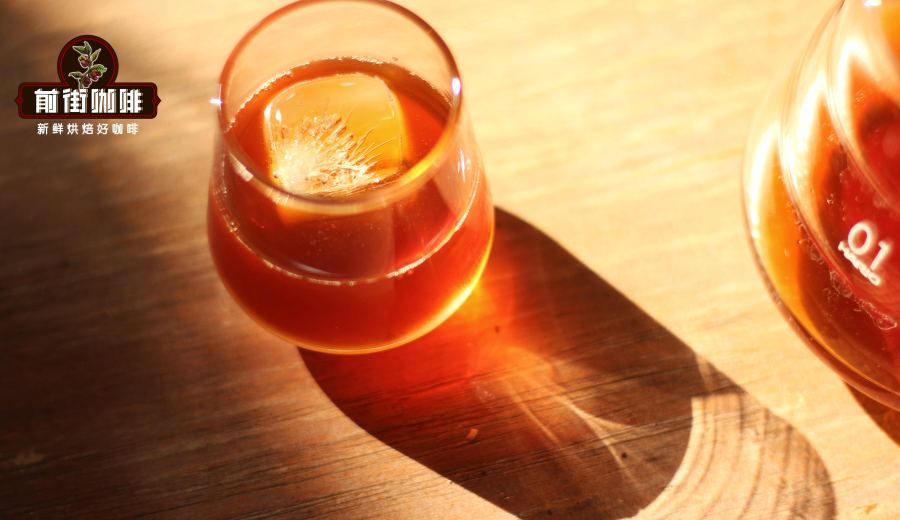
Introduction:Both cold drip and cold brew coffee belong to the category of low-temperature, long-duration extraction methods, but they differ significantly in their brewing principles, extraction techniques, and final flavor profiles. This article delves into the operational details of the cold drip’s filtration method and the cold brew’s immersion method, explaining key parameter settings—from grind size and coffee-to-water ratio to extraction time—step by step. It also compares the flavor characteristics showcased by both methods when using the same coffee beans through practical examples, helping you choose the most suitable home brewing method based on your preferences.
Both cold drip and cold brew avoid high-temperature hot water, instead extracting coffee flavors in a low-temperature environment. The entire process can take several hours or even longer, so many coffee enthusiasts have questions about how to successfully brew at home. Without understanding the basic principles and operational differences between the two, it is often difficult to achieve the ideal balanced taste. This article will start with the core concept of low-temperature extraction, detailing the importance of knowing the grind size, then break down the specific recommendations for time control and coffee-to-water ratio in the cold drip’s filtration method and the cold brew’s immersion method respectively. Finally, through an actual comparison using the same medium-light roasted coffee bean, it will guide you to understand the clear differences in taste and flavor between the two techniques, helping you find the most suitable brewing solution for yourself.
Low-temperature extraction refers to the use of cold water, ice water, or a continuously low-temperature environment to slowly release various flavor compounds in coffee. Unlike hot water, which quickly extracts bitterness and impurities, in a low-temperature environment, the bitter components in coffee are less likely to be released, but at the same time, it also slows down the dissolution rate of other positive flavor molecules. Therefore, it takes a longer time to accumulate sufficient extraction, generally around 6 to 12 hours, to fully showcase the layers and rich body of the coffee.
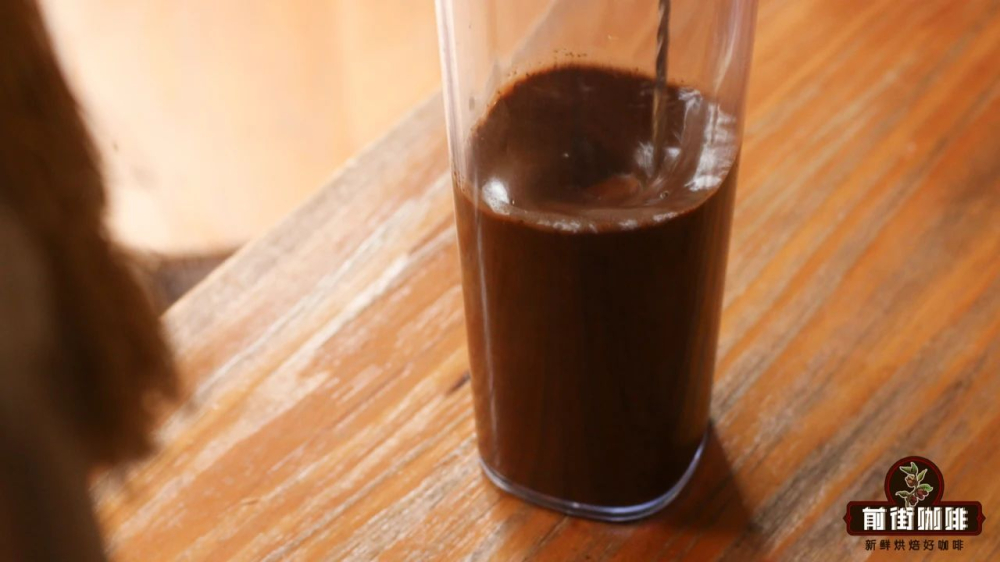
In terms of grind size selection, coffee beans suitable for low-temperature extraction are typically medium-light to medium roasted. It is recommended to grind the coffee beans to a medium coarseness, similar to the texture of white sugar, or to refer to a coarseness level of about 75% passing through a Chinese No. 20 standard sieve. If the grind is too fine, during the cold drip process, the water dripping from the upper chamber may not evenly penetrate the entire layer of coffee grounds, causing channeling effects; while in cold brew, overly fine coffee grounds can easily clump together, affecting the overall extraction uniformity, which in turn can lead to flavor imbalance or unpleasant off-tastes.
Cold drip coffee is a filtration-style extraction method that uses an ice-water mixture below 5°C, allowing ice to melt naturally and controlling the water flow rate through a valve, so that the ice water slowly drips through the coffee grounds layer, gradually dissolving the flavors. This process usually takes about 2 to 8 hours, and it is then recommended to undergo 12 to 48 hours of refrigerated resting, which helps further integrate and ferment the flavors. Practical experience suggests using a 1:10 coffee-to-water ratio, that is, 60 grams of coffee grounds to 600 milliliters of water. At this ratio, without adding ice cubes, the coffee liquid concentration may be relatively high, and you can adjust appropriately by adding ice cubes according to personal taste. The final product often has a refreshing and layered taste, which is quite distinctive.
In contrast, cold brew coffee is an immersion-style extraction method, where room-temperature or ice water is directly mixed with the coffee grounds, then placed in a sealed container and refrigerated for 8 to 12 hours. Since the coffee grounds and water remain in contact throughout the entire process, the extraction is more thorough and uniform. A common practice is to use a coffee-to-water ratio of 1:10 to 1:12, for example, 30 grams of coffee grounds to 300 grams of water. Once extraction is complete, it can be consumed directly, but if you feel the concentration is too high, you can add 2 to 4 ice cubes in the cup, which can both cool the drink and moderately dilute it. If you prefer a lighter taste, you can also adjust to a 1:12 or 1:13 ratio. With the same grind and time settings, the flavor will be lighter and more refreshing, suitable for the daily drinking habits of most people.
To compare more intuitively, this article uses the same medium-light roasted “Ethiopian Yirgacheffe Natural Red Cherry Coffee Beans” as an example. These beans are made from fully ripe coffee cherries, and the natural processing method brings rich sugars and a slight fermentation sensation, with outstanding sweetness. The coffee produced by the cold drip method exhibits a distinct citrus acidity, complemented by strawberry-like sweet and sour notes and the tea-like body of black tea, resulting in an overall refreshing and bright taste. Over time, the fermentation sensation reminiscent of fruit wine gradually intensifies, adding complexity. On the other hand, the cold brew version showcases a rich citrus acidity and berry juice-like sweet and sour fullness, paired with the aftertaste of black tea, resulting in a thick and robust texture, with an overall more rounded and full-bodied performance. Both methods have their own strengths, and consumers can choose the most suitable extraction method based on their personal taste preferences.
The above content is compiled by CoffeeHunters, a coffee news website.


