







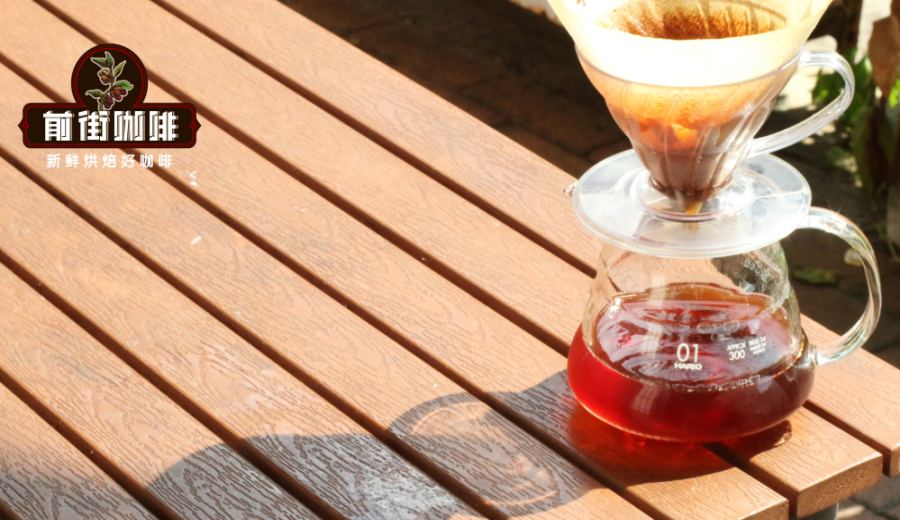
Introduction:Cold brew coffee is renowned for its refreshing acidity, sweetness, and fruity notes, making it a top choice for many coffee lovers during the summer. However, to brew a cup of cold brew with balanced flavor and a juicy mouthfeel, the key lies in mastering three essential factors: grind size, coffee-to-water ratio, and steeping time. This article delves into the extraction principles of cold brew, offers practical operational advice and parameter examples, and teaches you how to easily make professional-grade cold brew at home using simple tools.
Thanks to its low-temperature, slow-extraction characteristics, cold brew can fully extract the volatile aromatic compounds from coffee beans that are predominantly acidic and sweet, resulting in a relatively refreshing and layered taste. All you need to prepare are coffee grounds, water, a sealable container, and a refrigerator — even at home, you can easily make it. However, if you want to achieve an ideal flavor, three core parameters — grind size, coffee-to-water ratio, and steeping time — must not be overlooked.
The essence of cold brew is extracting coffee flavor through long-term immersion in a low-temperature environment. Compared to hot water extraction, cold water is better at releasing small-molecule aromatic compounds, giving the coffee a distinct sweet and acidic profile upon drinking while reducing bitterness. This brewing method requires almost no special equipment — just basic tools and ingredients can help you achieve caffeine freedom.
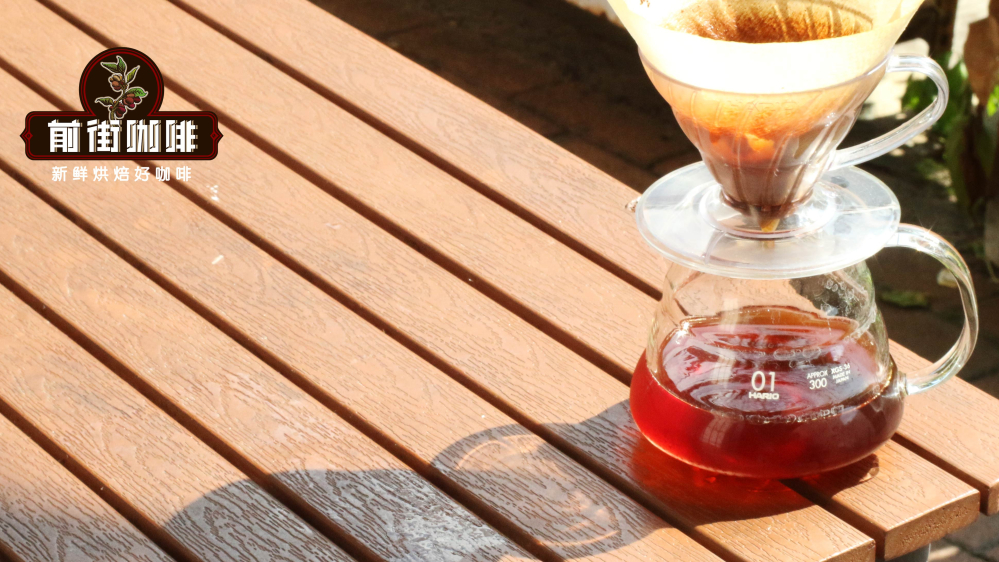
Many people who try cold brew for the first time don’t get satisfying results, mostly because the key parameters have not been properly adjusted. To successfully brew cold brew with outstanding flavor, it’s essential to precisely control three elements: grind size affects extraction efficiency, coffee-to-water ratio determines coffee strength, and steeping time is directly related to the amount of solubles extracted. Only by balancing these three factors can you extract a rich and balanced cold brew.
The grind size of coffee grounds determines the total surface area in contact with water. The larger the surface area, the easier it is for water molecules to penetrate deeper into the coffee bed and extract more flavor components. Although cold brew is a long-immersion, steeping-style extraction method, moderately fine-tuning the grind to be slightly finer than typical pour over (but not too fine) helps improve extraction uniformity, resulting in a more layered flavor.
The coffee-to-water ratio is key to the strength of your cold brew. A common mistake is over-dilution — adding too much water can lead to weak coffee flavor. It’s recommended to start with a slightly higher coffee-to-water ratio, creating a concentrated base, then adjusting with ice or water later based on personal preference. This not only ensures a full-bodied flavor but also avoids a disappointingly thin taste due to excessive dilution.

Steeping time is equally important. Cold brew relies on the gradual release of coffee compounds over time — the longer it steeps, the more compounds are extracted, and the richer the flavor becomes. Generally speaking, extending the steeping time helps deepen the flavor layers, but over-extraction should be avoided to prevent astringency. Based on practical experience, 12 hours is the golden window that balances both flavor and strength.
Below is a set of tested cold brew preparation procedures and parameter suggestions, using a recently well-received coffee bean as an example. This bean features flavor notes of grape, berries, wine-like aromas, complemented by a subtle lavender tone, making it highly suitable for producing cold brew with a pronounced juicy mouthfeel.
[Practical Parameters]
• Coffee grounds used: 80 grams (can be increased or decreased according to serving size)
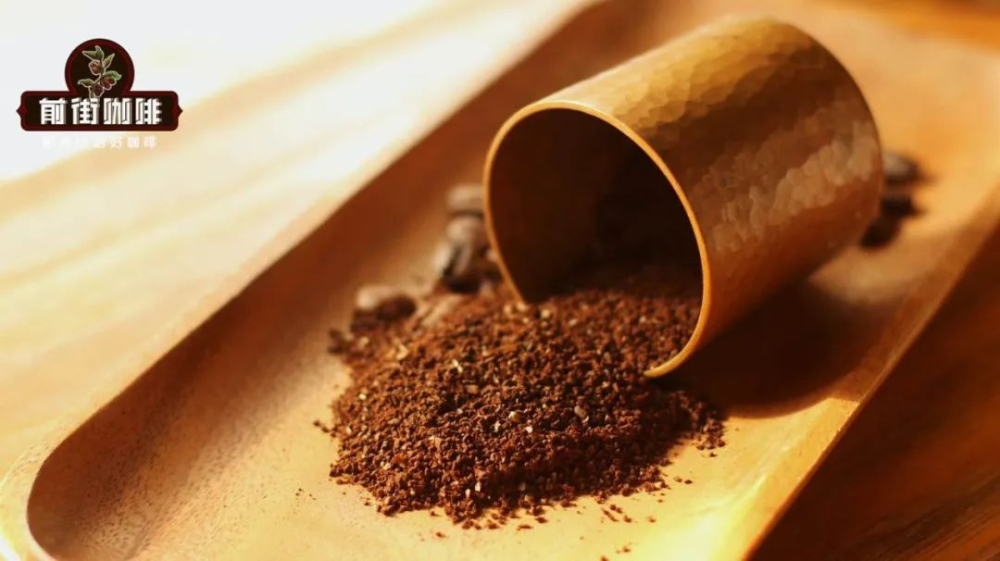
• Grind setting: Ek43 machine at setting 9, with approximately 85% passing through a #20 sieve, fineness similar to that of fine sugar
• Coffee-to-water ratio: 1:10 (i.e., 80 grams of coffee grounds to 800 milliliters of room temperature water)
• Steeping time: recommended 12-hour refrigerated infusion
Step 1: Select suitable coffee beans. If you prefer bright fruit acidity and a juicy mouthfeel, opt for light-roast washed beans; if you value intense fruity aromas, anaerobically fermented beans are a great choice; for those who enjoy a mellow profile, medium-to-dark roast beans may be considered, and you can even try adding osmanthus for a unique twist.
Step 2: Grind the selected coffee beans to the aforementioned fineness and pour them into a sealable container.
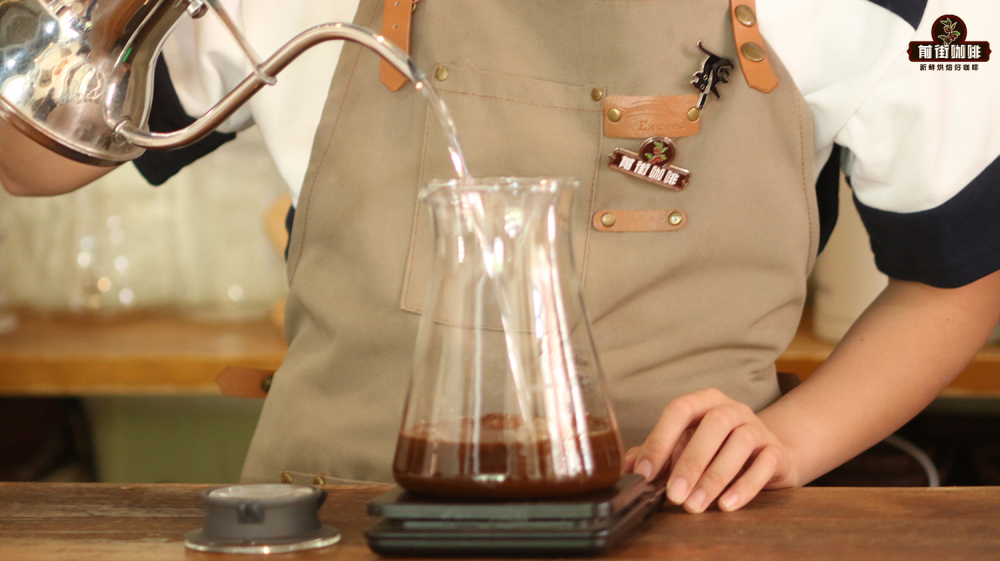
Step 3: Pour in 800 milliliters of room temperature water. It’s recommended to stir gently while pouring to ensure the coffee grounds absorb the water evenly.
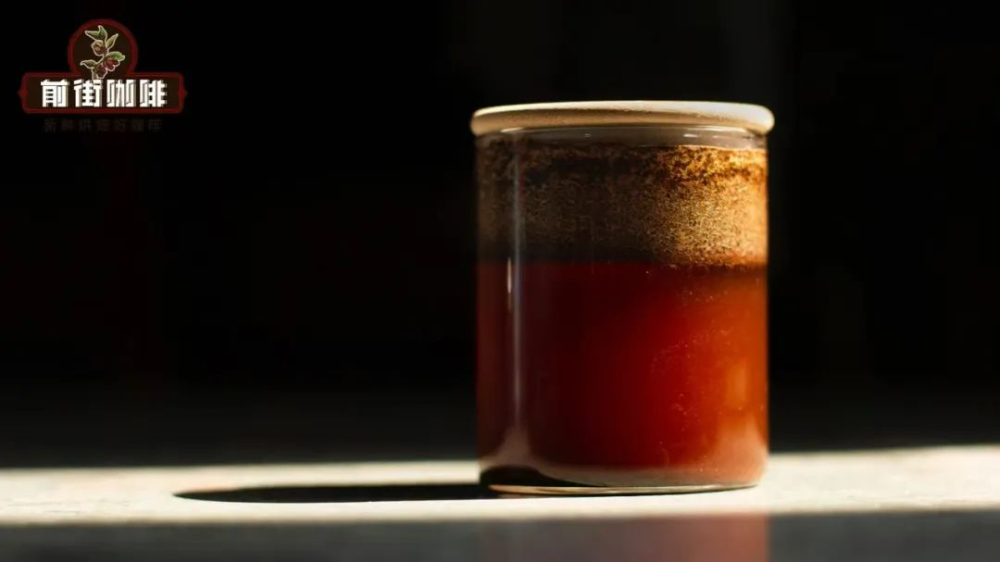
Step 4: Seal the container and place it in the refrigerator. Let it steep for 12 hours to allow the flavors to fully develop.
Step 5: After the steeping time is complete, remove the coffee liquid. It’s recommended to filter out the coffee grounds using filter paper or cloth to ensure a smooth mouthfeel. If the final product is too strong, you can add ice cubes to adjust the intensity to your liking. This cold brew is not only perfect for direct consumption but also works wonderfully as a base for cocktails or iced coffee.
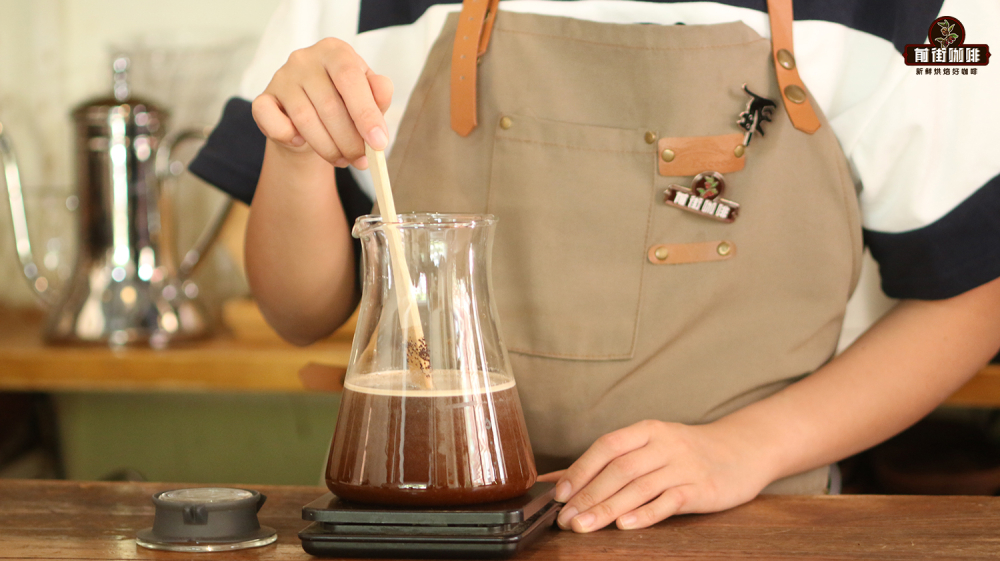
In summary, the charm of cold brew coffee lies in its simple brewing process and versatile flavor potential. As long as you master the three key elements — grind size, coffee-to-water ratio, and steeping time — and fine-tune according to your personal taste, anyone can easily recreate a professional-grade cold brew experience at home. Why not give it a try and find your perfect recipe?
The above content is compiled by CoffeeHunters, a coffee news website.


