







Introduction:Explore China's core coffee-growing region—Yunnan—from the classic Typica to the mainstream Catimor, and learn about varietal evolution and flavor characteristics. This article delves into the processing methods and brewing performance of two representative Yunnan coffee beans, and provides a detailed French press operation guide, covering everything from grind size to water temperature control to help you easily master brewing essentials and enjoy a uniquely flavored Yunnan pour over at home.
When it comes to Chinese coffee, most people think of Yunnan first. As the country’s largest coffee-producing region, Yunnan not only supplies a large volume of commercial beans but also gradually nurtures specialty beans with distinctive flavors. On this highland, the story of small coffee beans began with Typica, and over time, with evolving market demands, Catimor has become the dominant variety. This article will take you from the origin of the varieties to analyze the transformation trajectory of Yunnan coffee, while also sharing the flavor profiles and application scenarios of two representative Yunnan beans. Whether you're a beginner just getting into domestic coffee or a coffee enthusiast seeking unique flavors, you'll find options worth trying.
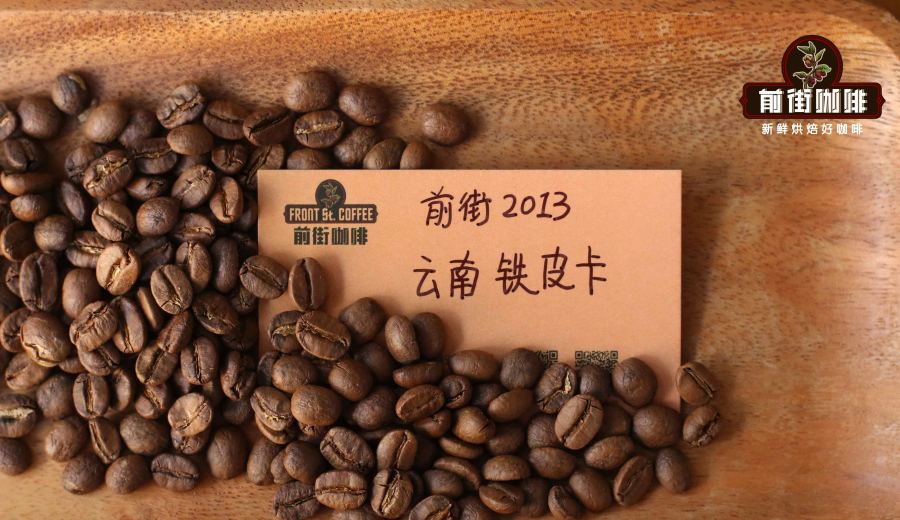
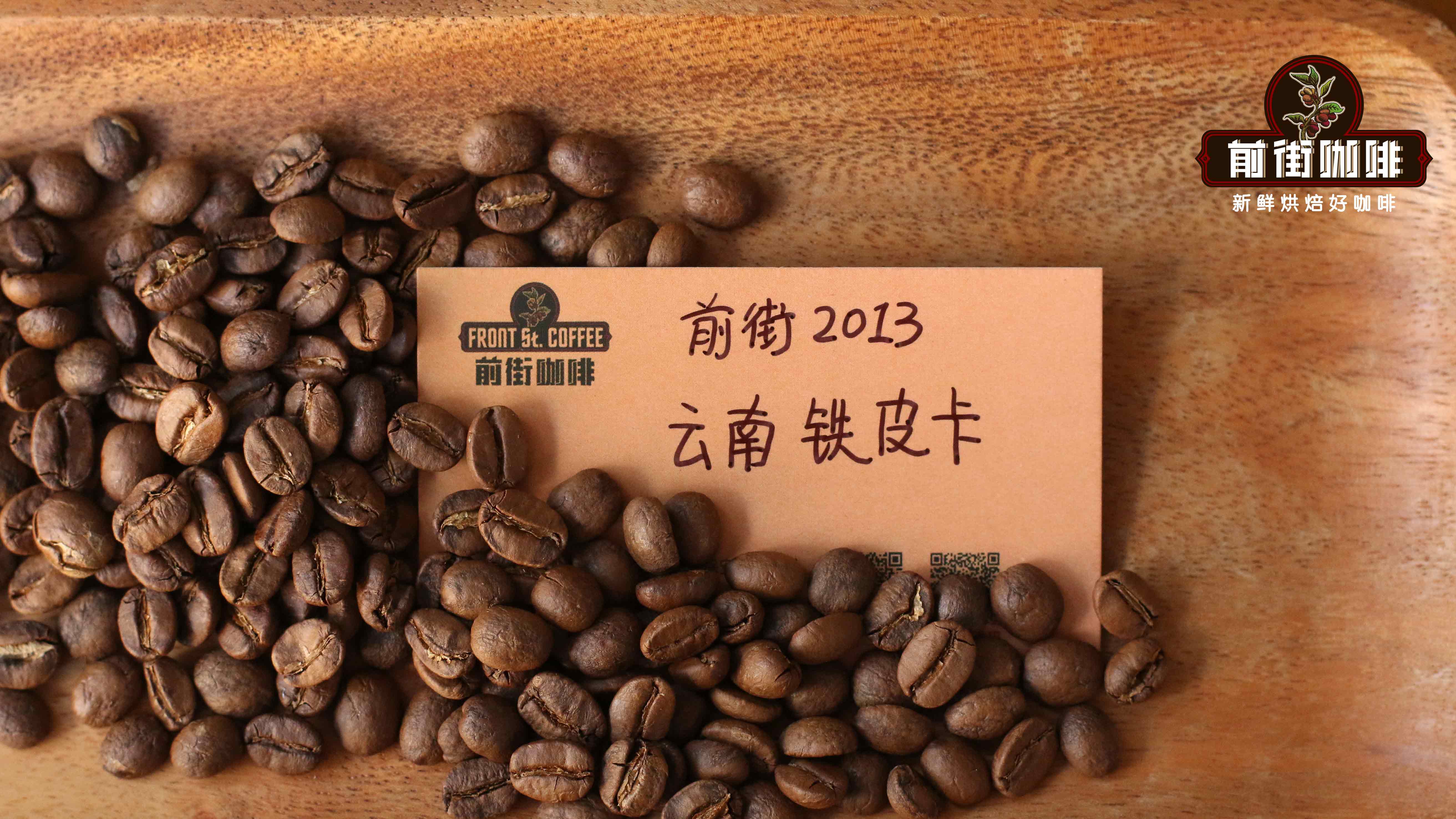
Speaking of representative Yunnan coffee brands and bean selections, two classic choices must be mentioned: one is a washed Yunnan small bean of the Catimor variety, with a flavor profile centered on nuts, brown sugar, and plums, delivering an overall balanced and easy-drinking experience that’s perfect for newcomers to the Yunnan region; the other is a 2013 natural Typica, which, through the natural processing method, brings out richer fruity notes. When brewed, you can taste a complex interplay of dried apricot, butter, chocolate, sanhua plum, and berry layers, making it highly suitable for advanced enthusiasts seeking the refined expression of Yunnan specialty coffee.
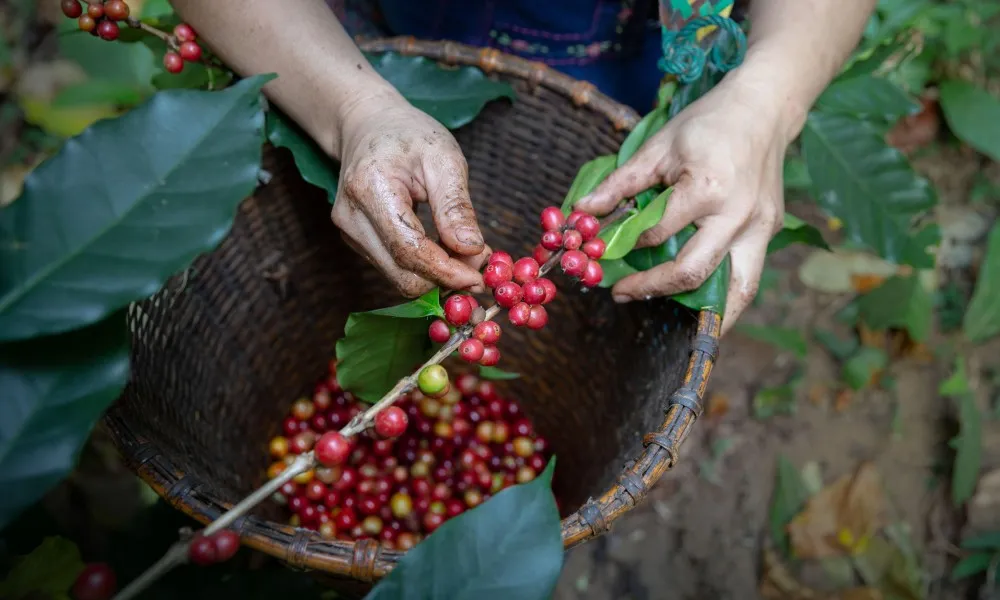
The so-called "Yunnan small coffee beans" originally referred to the Typica planted locally in the early years. Small-bean coffee actually refers to small-bean Arabica, so Yunnan coffee was initially part of the Arabica family. Arabica includes many varieties, among which Typica and Bourbon are the oldest and most representative. Typica originated in Ethiopia and is considered one of the most original Arabica varieties. Most Arabica varieties today can be traced back to Typica lineage. This variety is known for its elegant flavors, including several well-known beans that belong to the Typica family. However, Typica also has notable drawbacks, such as being more fragile, having low disease resistance—especially susceptible to leaf rust—and relatively low yield per plant, making it difficult to meet large-scale commercial needs. In recent years, Typica in Central and South America has gradually been replaced by more disease-resistant varieties like Caturra and Catuai, leading to a continuous decline in Typica cultivation area.
With the entry of international brands like Nestlé into Yunnan, in order to improve both the yield and stability of coffee beans while considering the challenges of the local growing environment, Nestlé actively encouraged farmers to gradually switch from the flavorful but difficult-to-cultivate Typica to new varieties that are more disease-resistant and yield-stable. The most representative of these is Catimor.
Catimor is a hybrid of Robusta and Arabica varieties, combining traits from both. Its greatest advantage lies in its high resistance to leaf rust (a trait inherited from the Robusta gene), along with its compact and short plant structure, which makes it easy to manage densely and cultivate on a large scale. However, due to its Robusta lineage, Catimor often has a stronger and slightly bitter flavor profile compared to the soft elegance of traditional Arabica varieties. Even so, Catimor is still very suitable for single-origin pour over and is commonly blended with neutral-flavored beans like Brazil to produce espresso blends. For example, a certain brand’s dark cocoa-based blend cleverly utilizes the characteristics of Catimor to bring out a rich profile of milk chocolate, caramel, and almond cookie, which is deeply loved by consumers.
Returning to the actual brewing experience, the washed Yunnan small bean processed with medium roast can clearly showcase the basic flavor characteristics of the Yunnan region. After brewing, this coffee bean often exhibits distinct nutty aromas, complemented by herbal, chocolate, and caramel notes, with a hint of soft acidity in the aftertaste. The overall flavor is balanced and approachable, making it very suitable for brewing via pour over or drip bags.
The other Yunnan Typica is grown in higher-altitude areas, allowing the potential of pure small-bean coffee to shine. This bean, processed naturally and medium roasted, releases the sour-sweetness of dried apricots, the warmth of nuts, the sweetness of brown sugar, and a tea-like smoothness in the finish when brewed. It’s a bean with rich flavor layers. This coffee is widely applicable—whether pour over, cold brew, siphon, drip bag, or even French press, its unique charm shines through.
Below is a complete step-by-step guide to brewing Yunnan coffee using a French press. No matter which bean you choose, you can refer to the following process and adjust to achieve the extraction results that best suit your taste:
First, grind the coffee beans to a medium-coarse level; there’s no need to overly pursue extremely fine or coarse.The recommended grind size is similar to that of white granulated sugar—medium-coarse.This ensures even extraction without over- or under-extraction.
Second, boil the water and let it cool slightly.It is recommended to control the water temperature at around 93°C.This temperature range can fully bring out the aroma and flavor layers of the coffee. Then, pour 20 grams of coffee grounds and 200 grams of hot water into the French press, and gently stir with a spoon to ensure the coffee grounds and water are evenly mixed.
Third, put the lid on the French press but keep the plunger at the top, allowing the coffee to steep for about4 minutes.This time helps fully extract the coffee’s flavor compounds.
Fourth, before pressing down the plunger, it’s recommended to open the lid and skim off any coffee foam and fine grounds floating on the surface with a spoon. This reduces any final sediment feel in the drink. Then, slowly press the plunger down to the bottom, ensuring even pressure.
Fifth, after extraction, it is recommended toimmediately pour the coffee liquid into a thermos or other container.This prevents the coffee grounds from continuing to steep in the pot, which could lead to over-extraction. Finally, pour the coffee into your favorite cup and quietly enjoy this flavor from Yunnan!
The above content is compiled by CoffeeHunters, a coffee news website.


