







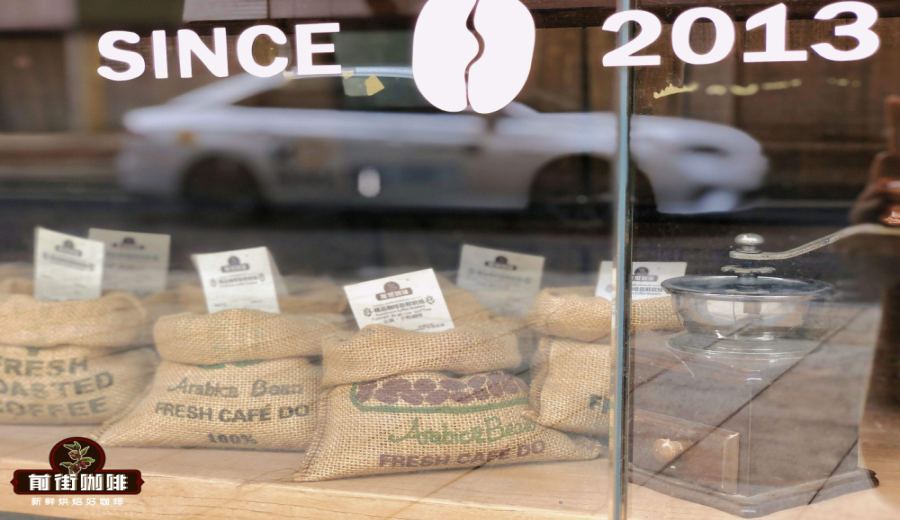
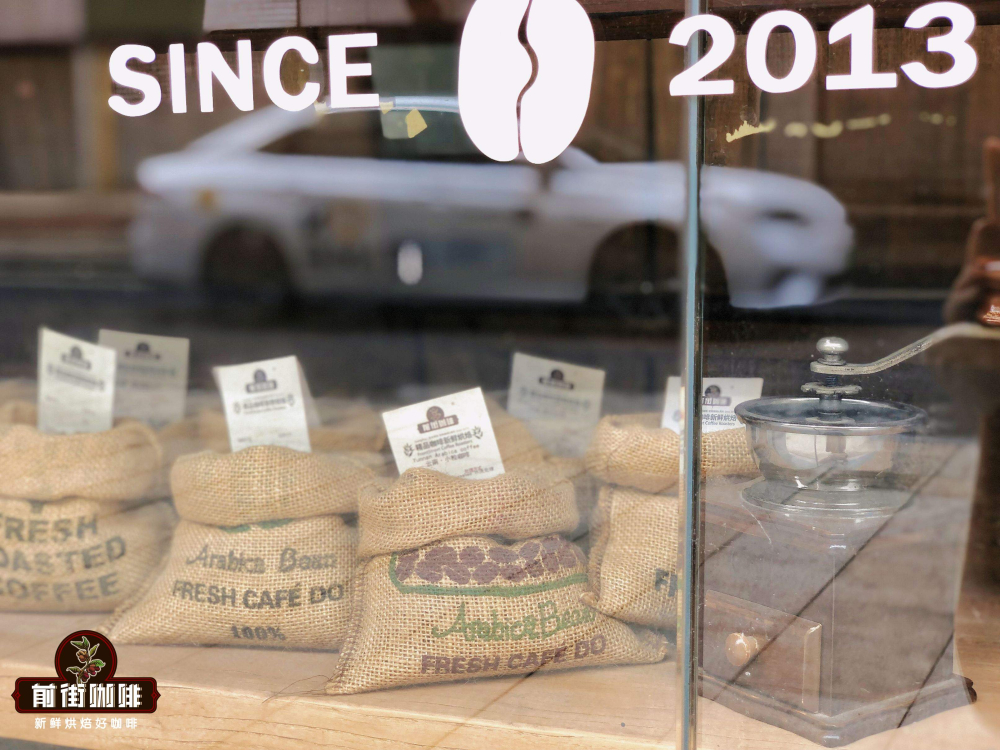
Introduction:As an important coffee-producing region in China, Yunnan has gradually emerged in the international specialty coffee market in recent years. From the early days of large-scale commercial Catimor beans to the rise of specialty beans such as natural Typica, Yunnan coffee’s transformation is worth exploring. This article takes you on a journey through the characteristics of Yunnan’s major producing areas, the evolution of coffee varieties, and provides a detailed look at the flavor profile and practical pour over recommendations for a highly regarded natural Typica bean.
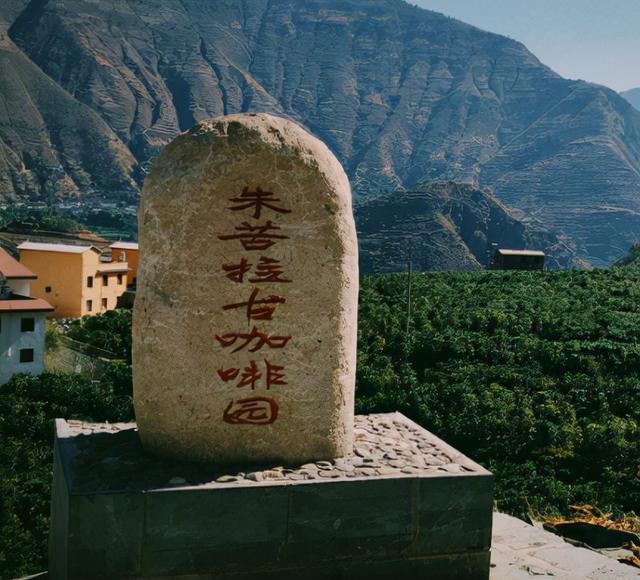
When it comes to Chinese coffee, many people immediately think of Yunnan. This region, famous for its Pu’er tea, is also home to an increasing number of high-quality coffee beans favored by coffee enthusiasts. Although coffee is not native to China, its cultivation history can be traced back to 1904, when a French missionary planted the first coffee trees in Zhukula Village near Dali, marking the beginning of coffee farming in China.
The real opportunity for large-scale cultivation came after the 1950s. This development process can be roughly divided into three stages, each of which has had a profound impact on the current landscape of Yunnan coffee.
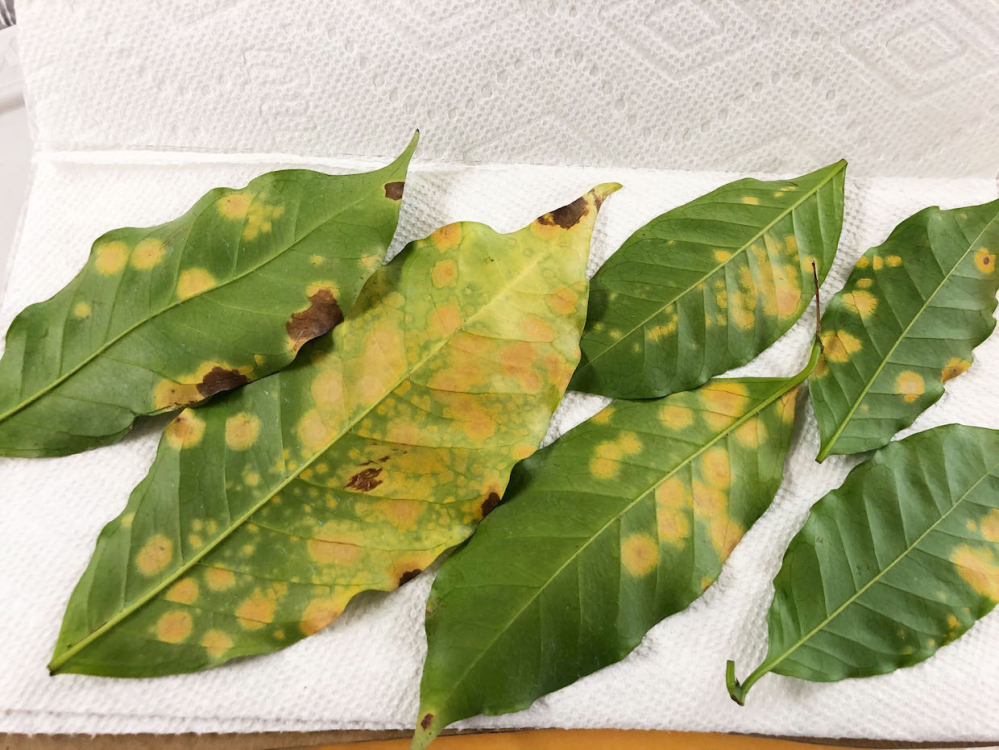
The first stage was during the 1950s and 1960s, when China was repaying debts to the Soviet Union, and Yunnan became an important coffee exporting region. The main varieties planted at that time were local variants of Typica and Bourbon. However, as the debt repayment period neared its end and coffee leaf rust ravaged the crops, many coffee trees were sadly cut down, and the Yunnan coffee industry shrank to just about 3,000 acres.
In the 1980s, the reform and opening-up policy brought international coffee brands to China, among which Nestlé from Switzerland recognized Yunnan’s potential and began promoting the disease-resistant and high-yield Catimor variety. This variety is a hybrid of Timor (which has Robusta genes) and Caturra of the Bourbon family. It is highly resistant to diseases and offers several times the yield of traditional Typica. Driven by commercial interests, many farmers switched to planting Catimor, making it account for over 90% of Yunnan’s coffee plantings at one point.
It wasn’t until the early 21st century, with the rise of specialty coffee culture and increasing consumer demand for diverse coffee flavors, that Yunnan growers began to pay more attention to variety selection and post-harvest processing techniques. Producing regions including Baoshan, Pu’er, Xishuangbanna, Dehong, and Lincang each showcase distinct microclimates and flavor potentials, offering a wide range of choices for the specialty coffee market.
Among the many pioneers, there is a brand that was among the earlier ones to engage in the vertical integration of Yunnan coffee. They initially experimented with growing Catimor in Guangdong but soon realized that the match between variety and altitude was the key. Ultimately, the brand chose Lincang in Yunnan, established its own estate, and focused on reviving the classic and subtly flavored Typica variety.
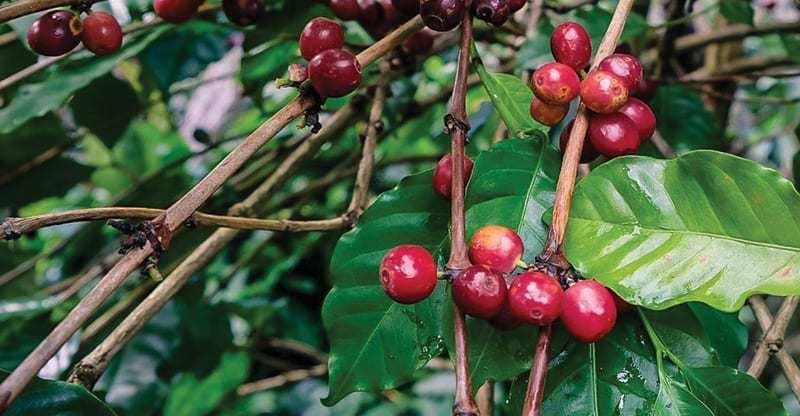
Typica is regarded as the oldest Arabica coffee variety and serves as the original foundation for many renowned specialty coffees such as Jamaican Blue Mountain and Hawaiian Kona. Its top leaves exhibit a reddish-copper color in the early growth stage, hence it is also known as "red-top coffee." Although it has relatively low yields and is susceptible to diseases, its flavor profile is highly layered, which is also a key reason why this brand chose to grow Typica in Lincang.
The Lincang region enjoys a mild climate with distinct seasons, clearly alternating wet and dry periods, moderate day-night temperature differences, along with adequate rainfall and sunlight, providing ideal conditions for Typica cultivation. Under these conditions, the brand’s Typica coffee trees had their first abundant harvest in 2021.
To preserve the purest flavors, the brand employs the natural (sun-dried) processing method. They evenly spread the harvested ripe coffee cherries on raised beds to avoid ground contamination and ensure consistent drying through regular turning, preventing the occurrence of fermentation off-flavors.
In terms of roasting, to highlight the rich aromas brought by the natural process, the brand opts for a medium-temperature, medium roast to balance acidity and sweetness. Cupping results show that this Yunnan natural Typica exhibits a strong nutty base note, paired with a soft plum-like acidity and a brown sugar-like sweetness, with an aftertaste reminiscent of the mellow richness of black tea. The overall flavor is rich and well-balanced.
Detailed information about this coffee bean is as follows:
Region:Lincang, Yunnan, China
Farm:A certain brand’s farm
Elevation:1300 meters
Variety:Typica
Processing Method:Natural (Sun-dried)
For brewing recommendations, the brand’s team suggests using a Hario V60 filter, with water temperature controlled at 87°C, about 15 grams of coffee grounds, and a 1:15 coffee-to-water ratio. The grind size is recommended to be around 75% passing through a standard Chinese No. 20 sieve, falling within the medium-fine range.
The specific steps are as follows: first, pour 30 grams of hot water for a 30-second bloom, then slowly circle the water from the center outward until reaching 125 grams. After the water level drops, continue pouring until reaching 225 grams. The total extraction time is approximately 2 minutes. These parameters help fully bring out the sweet and fruity layers brought by the natural processing.
Please note that the coffee beans reach their optimal flavor window about 4 to 7 days after roasting, and it is recommended to enjoy them during this period. Additionally, since ground coffee loses its aroma more quickly, if you have a grinder at home, try to grind and brew immediately for the best taste experience.
The above content is compiled by CoffeeHunters, a coffee news website.


